
Ever wonder if a fair catch could lead to something as exciting as a three-point play? In football, when a player lifts his hand to signal a fair catch, it sends a clear message to everyone on the field. This act lets the kicker attempt a free kick, even after a legal fair catch, which adds a surprising twist just when you thought the game was predictable.
This unique rule blends safety with a burst of excitement and keeps fans on their toes. Next, we'll break down exactly how this play unfolds and why it continues to captivate those who love the game.
How the Free Kick After Fair Catch Rule Works in Football
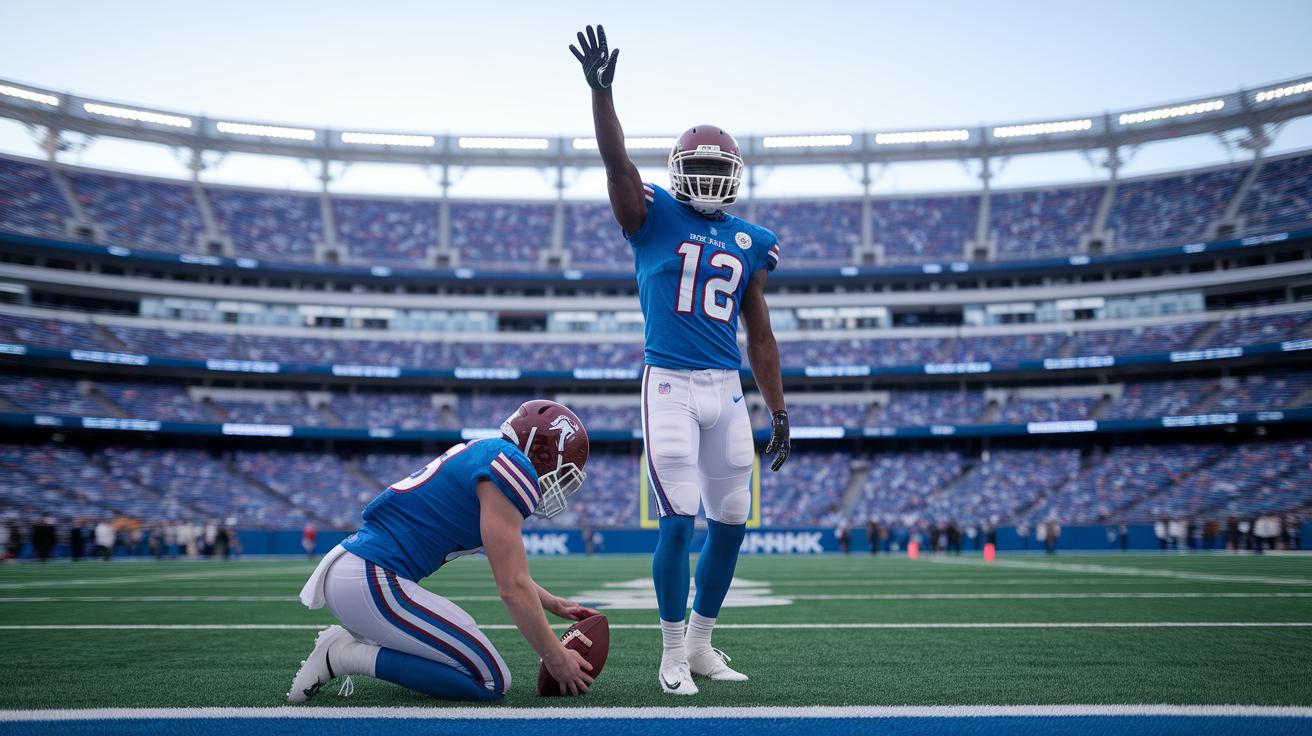
When a returner lifts his hand high to signal a fair catch, he’s asking the opponents to back off. This call keeps him safe from hard hits during a kick return. It makes it crystal clear that the play isn’t a regular return but one that needs extra caution.
After making a legal fair catch on a kick or punt, the team gets two options. They can either take possession of the ball right where the catch happened or try a fair catch kick. For the fair catch kick, the ball is set on the line of scrimmage and can be kicked using a place kick or a drop kick (a method where the ball is dropped and kicked as it bounces). If the kick sails through the uprights, the team scores three points. While this play is rare in modern games, it still holds a special place in football history.
Conditions and Procedures for a Fair Catch Kick Attempt

When a player makes a clear fair catch by raising his hand high, his team gets a chance at a free kick on the very next play. The ball is placed exactly where the fair catch happened, giving the kicker a straightforward shot at this rare play.
This special free-kick rule lets the kicker choose between a place kick, usually with a holder, or a drop kick, where the ball is dropped and struck as it bounces. Before the kick, every defender must stay 10 yards away from the ball, meaning they cannot rush the play until the kick starts.
Here’s a quick rundown of what happens:
- Next-play requirement: The free kick is taken on the play right after the fair catch.
- Ball positioning: The ball is set exactly at the spot of the fair catch.
- Kicking styles: The kicker may choose a place kick with a holder or go for a drop kick.
- Defensive setup: Defenders must line up 10 yards away from the ball until the kick.
- Points on offer: A successful kick through the uprights earns three points.
- Live-ball rule: If the kick doesn’t go through, the ball stays live and the defense can pick it up.
Officials keep a sharp eye on the signal and player positions to make sure everything goes by the book. Clock management is key too, as the play must happen within the set timeframe, and referees ensure no extra time is lost because of this unique free kick. All of these details work together to keep the play safe while offering a neat scoring chance that you don’t see every day.
Historical Evolution of the Free Kick After Fair Catch in Football
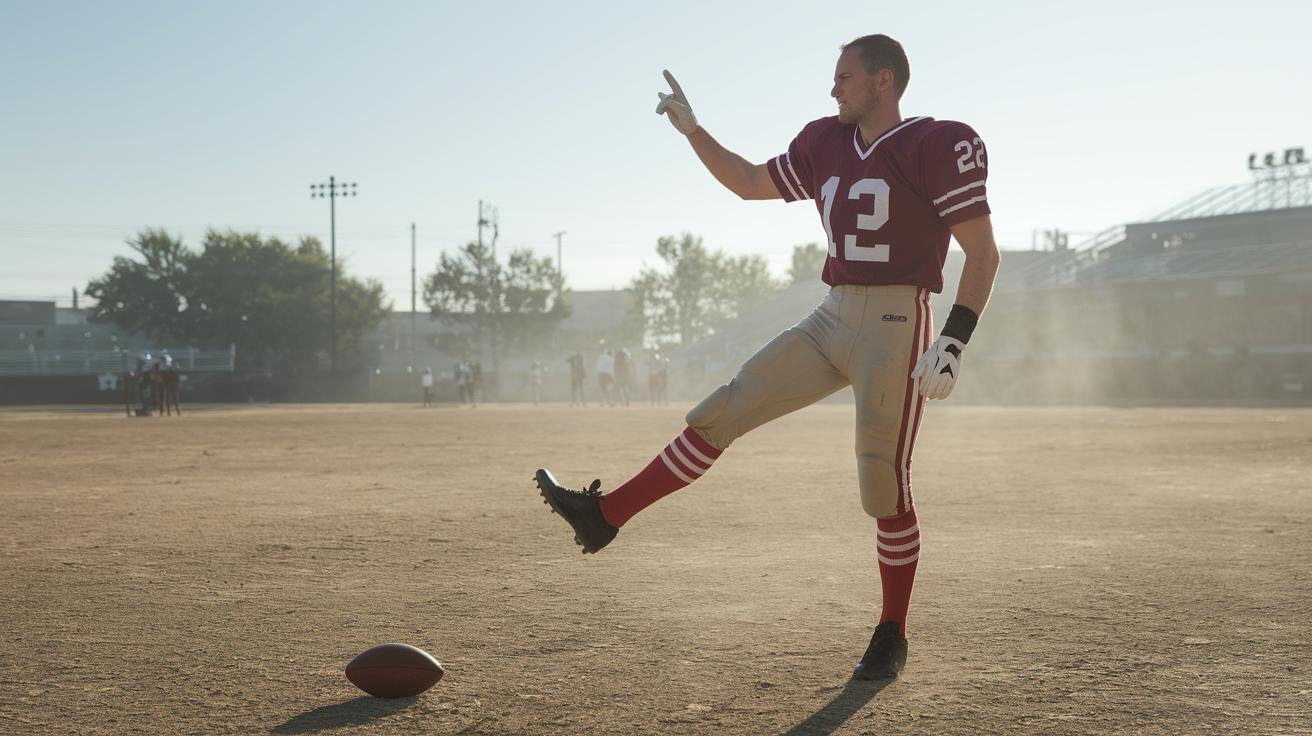
Back in November 6, 1921, Curly Lambeau’s Green Bay team tried something new against Evansville. It was one of the first times a team used a fair catch kick. This smart play showed that scoring could be safe and set the stage for protecting players during returns.
Then in 1976, the NFL stepped in to clear things up. They adjusted details like where players stand and how the ball is placed. These changes, including keeping the 10-yard gap for defenders, helped ensure the play stayed fair and safe as the game evolved.
Records show clear attempts at fair catch kicks between 1964 and 1968 and then again from 1979 to 2023. Even though teams rarely use this play today, these moments give us a neat timeline of its use and how tactics have changed over the years.
This rule is still around as a nod to football’s long history. Even if it doesn’t show up often now, the fair catch kick stays a cool reminder of old strategies and smart safety tweaks made over time.
Notable NFL Instances of Free Kick After Fair Catch
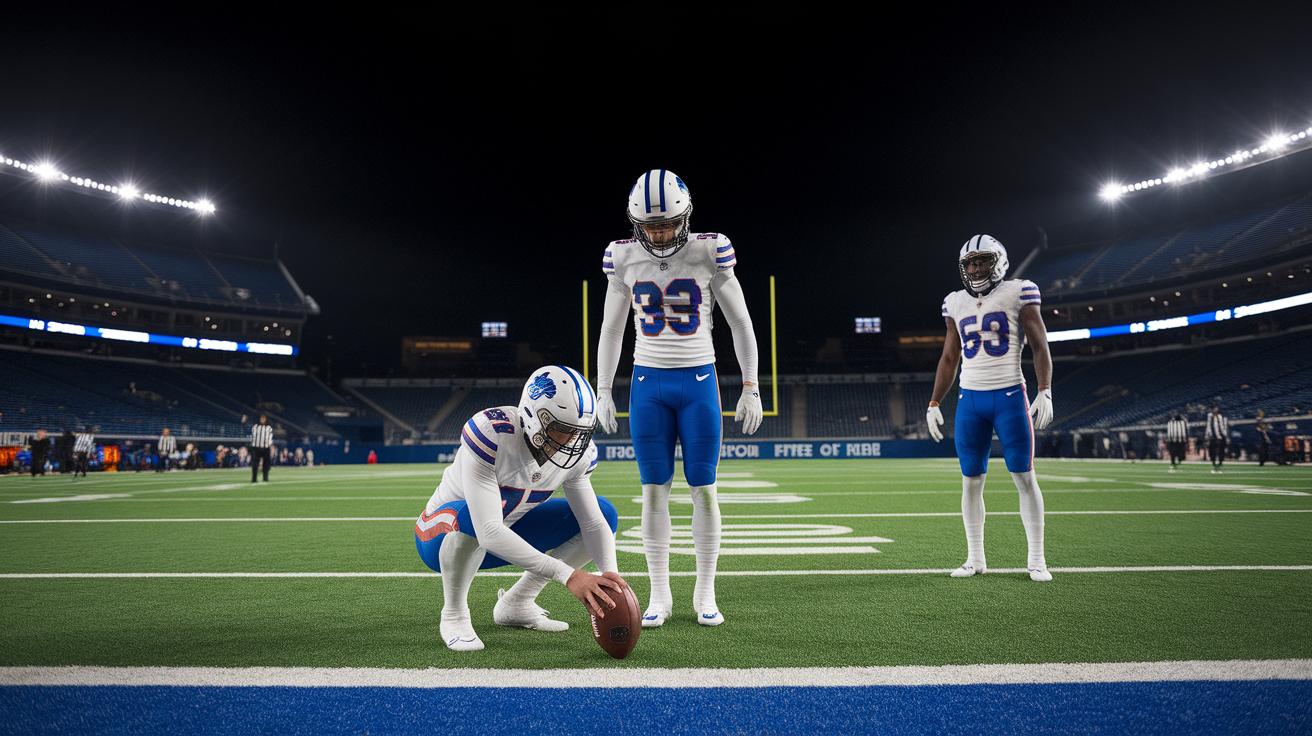
Every so often in NFL games, a free kick after a fair catch pops up and leaves a mark in football lore. These rare moments stick with fans and remind us of the game's unpredictable twists.
| Date | Teams | Player | Result | Game Type |
|---|---|---|---|---|
| November 6, 1921 | Green Bay vs. Evansville | Curly Lambeau | Attempt | Regular Season |
| January 9, 1966 | Baltimore vs. Dallas | Lou Michaels | Attempt | Playoff Bowl |
| December 20, 2024 | Chargers vs. Opponents | Chargers Kicker | Successful | Regular Season |
The Chargers' play in 2024, their first free kick success in 48 years, is a prime example of how perfect timing and smart field position make all the difference. On that tight Thursday night, the coaching crew seized a brief window when the clock was winding down. After signaling for a fair catch, the Chargers set the stage for an almost textbook free kick, turning what normally is a defensive situation into a surprise scoring opportunity. This clever call not only nabbed points without the usual pressure from the defense but also proved that sticking to classic rules can still change the game. It’s a reminder that even in modern play, a well-timed strategy can light up the scoreboard.
Free Kick After Fair Catch in College and High School Football
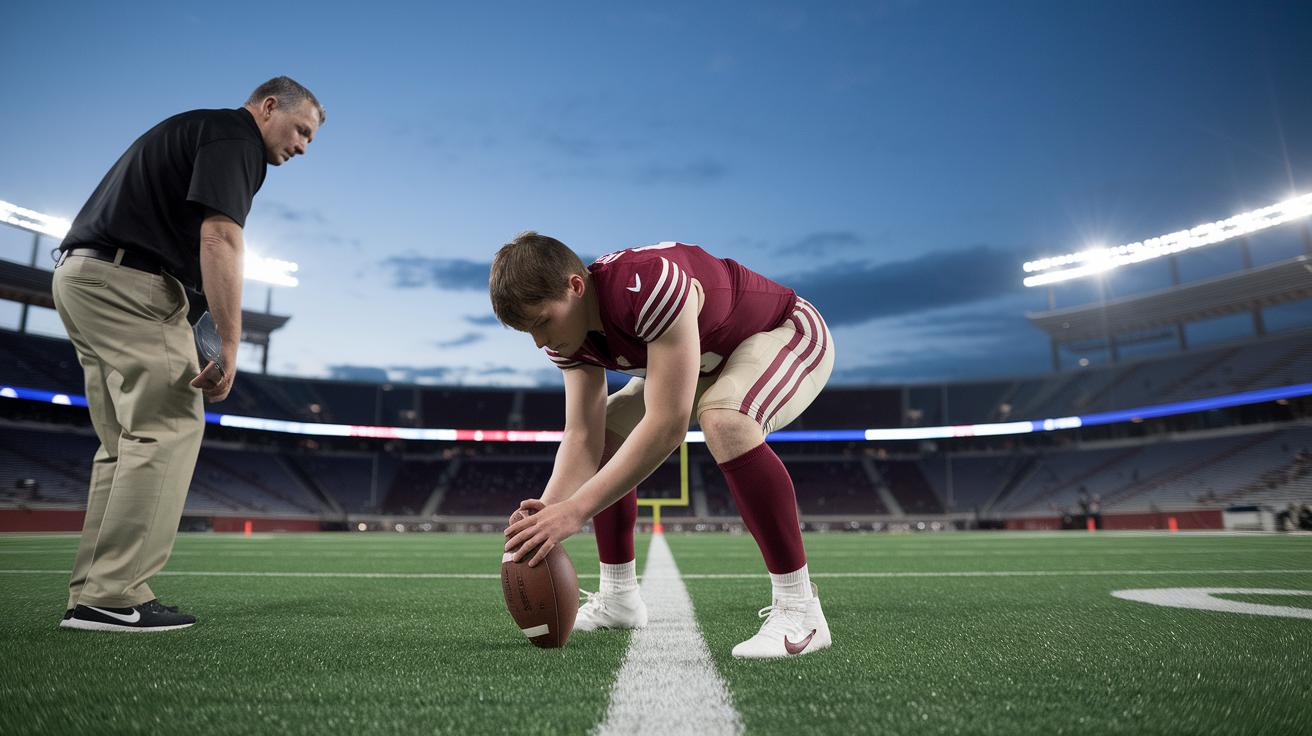
In college football, the fair catch kick is almost exactly like what you see in the pros, but it rarely happens. The NCAA has strict rules in place to keep things safe and the game moving smoothly. Teams usually decide to stick with regular possession instead of risking the free kick. Imagine a college team catching the ball near midfield, choosing to keep control rather than attempting a free kick – a decision that shows a careful approach to both play calling and clock management.
High school football, on the other hand, sometimes brings a little extra flair with what’s known as the "sky kickoff." In this play, the kicker sends the ball high into the air, encouraging the receiver to call for a fair catch. Picture a high school kicker launching a soaring punt that lures the opponent into a fair-catch stance, setting up a surprise that could lead to a scoring play even though it’s rarely put into action.
The way teams manage time and make decisions on play calling really differs between college and high school. In college, playing smart with the clock often means avoiding the risk of a fair catch kick. Meanwhile, high school teams might practice this trick more for the experience and a bit of tactical variety, even if the free kick isn’t a common scoring option.
Strategic Considerations for Attempting a Fair Catch Kick

Coaches often save the fair catch kick for those nail-biting moments when time is nearly up or the score calls for a smart, low-risk move. You’ll usually see this play at the end of a half or game, especially when the fair catch happens inside the opponent's 40-yard line. Imagine a team in the final minutes, making this careful call to try and close the gap.
Deciding to kick in this situation is all about weighing risk and reward. With no crowd of defenders rushing in, a kicker who’s well-practiced and strong can really hit their target. Still, factors like strong wind, a slippery field, or even a slight misalignment can turn a routine field goal into something as unpredictable as a wild shot on a blustery day.
Coaches can prepare their team by running drills that mimic the pressure of a game’s closing moments. They focus on clear communication and proper alignment to make sure every kick is taken with confidence. They also factor in weather and defensive setups during game planning, knowing that a perfectly executed fair catch kick can be the game-changer when every point matters.
Final Words
In the action, we've seen how a fair catch sets the stage for a free kick after fair catch that can score three points. The post explains the play's origins, outlines the necessary steps, and shows its rare but exciting usage across different levels of football. Each section highlights its strategic importance and notes its lasting impact on the game. The play remains a fascinating blend of history and strategy, leaving us with fresh excitement for this unique element of football.
FAQ
Frequently Asked Questions
Free kick after fair catch reddit
The free kick after fair catch on Reddit highlights discussions about this rare play where a team opts to kick after a fair catch. Fans often debate its strategy and historical context.
Free kick after fair catch nfl
The free kick after fair catch in the NFL lets a team attempt a kick immediately after a legal fair catch. This play can score three points if the ball passes through the goalposts.
Free kick after fair catch football
The free kick after fair catch in football is a rule where a team can elect to kick the ball after a fair catch is signaled, resulting in three points with defenders positioned 10 yards away.
Fair catch kick
The fair catch kick is the play that follows a legal fair catch when a team chooses to attempt a kick instead of starting normal possession. This kick, if successful, scores three points.
Free kick American football
The free kick in American football refers to a special play after a fair catch, offering a scoring opportunity without defensive pressure since opponents must stand at least 10 yards away.
Chargers fair catch free kick
The Chargers fair catch free kick is a standout NFL moment where the team executed a rare free kick attempt after a fair catch, making headlines with its strategic brilliance and historical rarity.
Fair catch kick rule
The fair catch kick rule allows a team, after signaling a proper fair catch, to attempt a free kick from the spot. Defenders must stay 10 yards away, and a successful kick earns three points.
How many points is a free kick in football
The free kick in football awards three points if the ball passes through the goalposts, similar to a field goal attempt, making it a valuable but rarely used scoring method.
Has anyone made a fair catch free kick?
Historical records show that several NFL teams have successfully executed a fair catch free kick, including notable instances where the Charger’s kick confirmed the play’s rare but real potential.
What is the rarest play in football?
The rarest play in football is often viewed as the fair catch free kick due to its strict requirements and infrequent use, making its successful execution an uncommon but celebrated achievement.
When was the last successful fair catch free kick?
The last successful fair catch free kick occurred in a recent NFL game featuring the Chargers, marking a historic comeback of this seldom-seen play after decades of minimal attempts.
What is the new free kick rule?
The new free kick rule modernizes the fair catch kick by clarifying execution methods and spacing requirements, allowing teams an immediate scoring attempt following a legal fair catch under specific conditions.