
Have you ever wondered how one football game can stir up so many feelings? In June 1969, a last-second goal flipped an ordinary qualifier into an electrifying showdown. Fans erupted into wild cheers and fierce frustration in a matter of seconds.
What started as a thrilling play quickly turned into the spark for long-standing rivalries and even political tension. It wasn’t just a game anymore, it was a clash that unveiled deep, centuries-old conflicts.
Curious to know how that unforgettable match mixed national pride with social unrest? Read on and relive the moments that continue to shape history.
Football Match War: The 1969 Honduras vs El Salvador Showdown
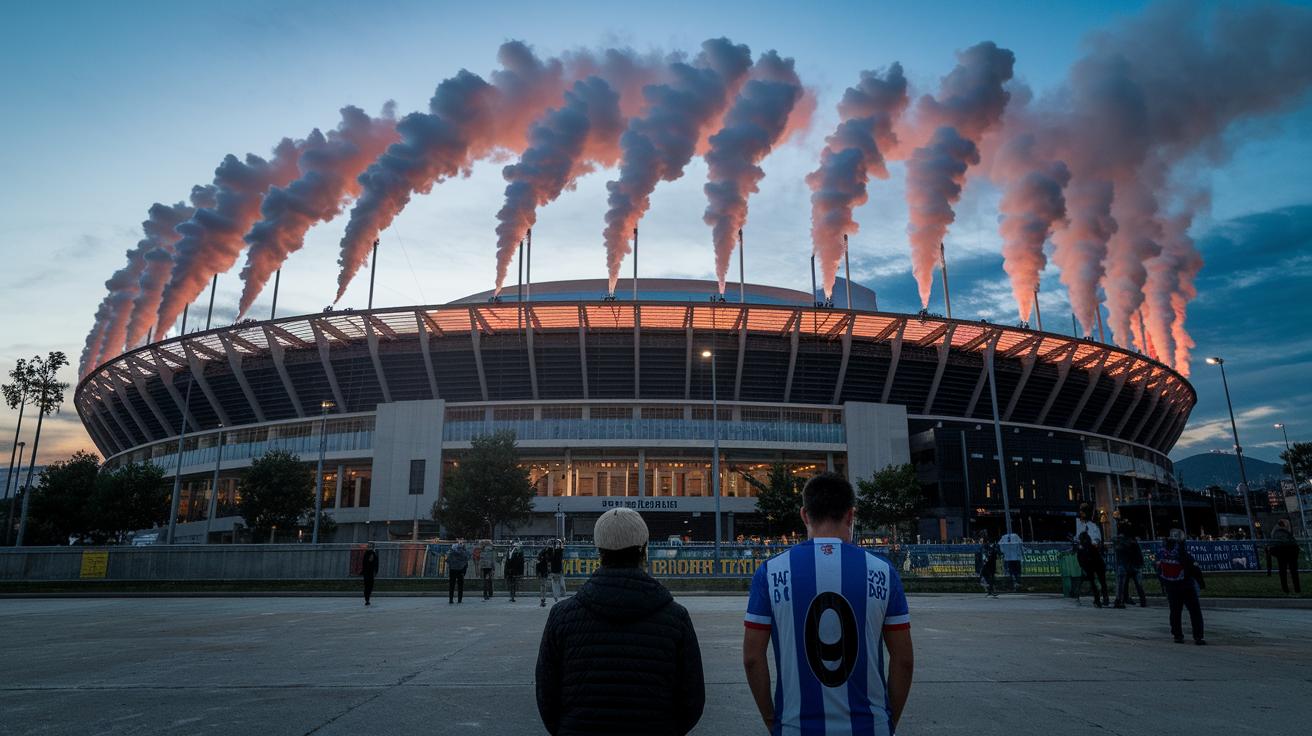
On June 8, 1969, Honduras pulled off a heart-stopping win in a 1970 World Cup qualifier with a goal scored in the very last seconds. In those final moments, the goal electrified Tegucigalpa, turning calm into chaos as fans erupted in both jubilation and fury. It was as if time stood still, and the score change sent shockwaves throughout the stadium, sparking riots that security struggled to contain.
Then, on June 27, 1969, the return match in San Salvador took a volatile turn. The tension inside the stadium was matched by chaos outside, where rival fan groups clashed with police. This intense scene highlighted deeper issues, with the heated action on the field echoing simmering conflicts off it.
This saga wasn’t just about football, it evolved into a clash of national pride and underlying socio-political strife. The drama of these encounters transformed a single match into a landmark moment that reshaped regional relations, proving once again how the beautiful game can sometimes ignite emotions that go well beyond the pitch.
Football Match War Origins: Socio-Political Catalysts Behind the Clash

Big gaps between the rich and poor and long-standing social pressures turned an ordinary football qualifier into a symbol of deeper issues. In El Salvador, most people depended on one crop, coffee, while wealth stayed with only 14 elite families. This left many farmers without land and barely scraping by, sparking anger and frustration that would later fuel even bigger tensions.
Imagine a town where everyone relies on one crop and a few families control all the wealth. This stark imbalance not only stirred local anger but also set the stage for a wider national pushback.
By the late 1960s, about 300,000 Salvadorans moved to Honduras. Their arrival put extra pressure on local resources and heightened the competition for jobs and homes. Locals began to see the newcomers as a threat, and rising anti-migrant feelings made an already tense situation even worse.
Long before the football match kicked off, economic struggles and population shifts created a charged atmosphere. What should have been a simple game turned into a flashpoint for piled-up frustrations on both sides. This blend of inequality and resource competition shows just how deep the issues were, sparking conflict both on and off the field.
This story reminds us that when social and political struggles build up, even a football match can ignite a fierce confrontation.
Football Match War Incidents: Riotous Fixtures and Escalating Violence

In Tegucigalpa, a last-second victory sparked wild celebrations that quickly turned chaotic. Fans rushed the field, and soon shouts, tossed objects, and a growing clash with security sent the stadium and its surroundings into disarray.
In San Salvador, tensions hit a new high. Visiting fans faced aggressive actions from both the local crowd and security. In the heat of the moment, police used tear gas to try to control the unsettling scene, and even paramilitary groups joined in. This mix of strong measures and intense anger blurred the line between a competitive match and an all-out conflict.
These incidents remind us how quickly the spirit of the game can escalate into real turmoil. Have you ever seen how fast a celebration can turn into chaos?
Football Match War Escalation: From Pitch to Battlefield
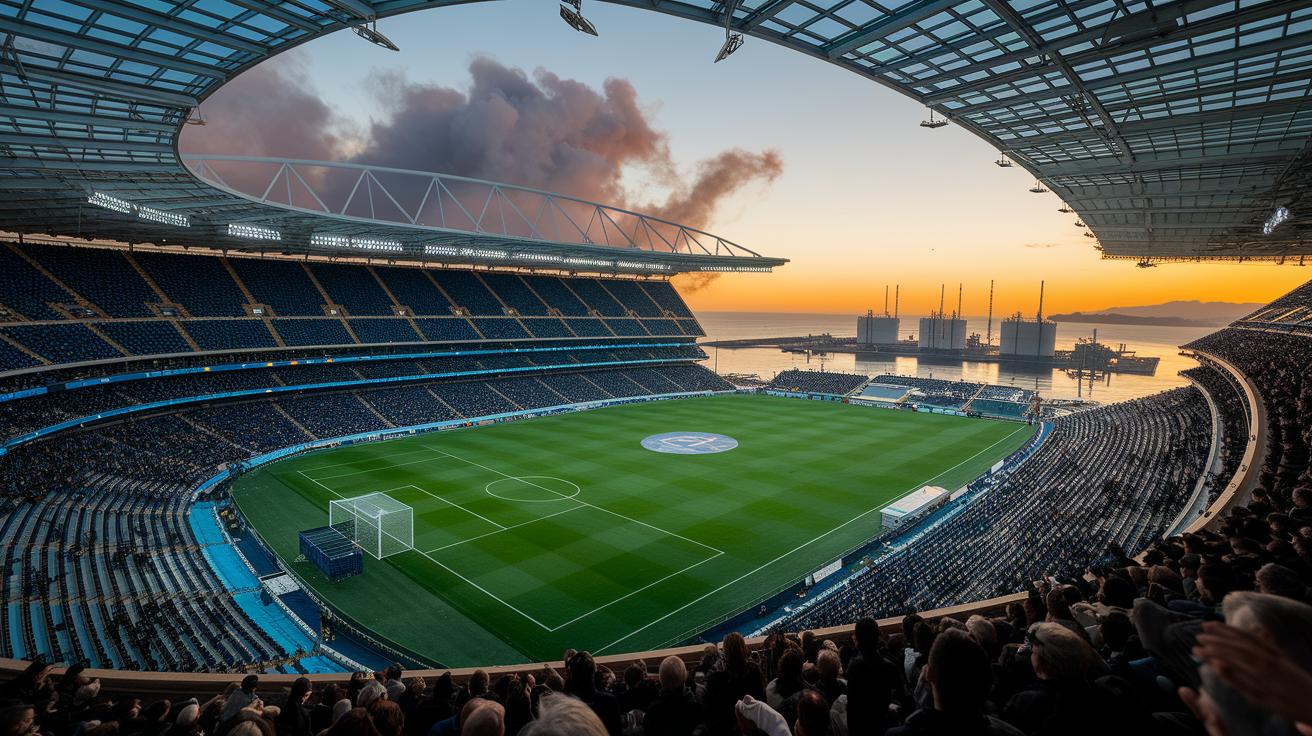
On July 14, 1969, tensions hit a dangerous peak. After an electrifying match, fiery words spilled from the pitch into the streets, sparking actions that no one expected. The Salvadoran Air Force carried out bombing runs on Honduran targets, turning a celebrated game into a real-life military move. At the same time, the Salvadoran Army mobilized and started offensives along the Golfo de Fonseca, as if the cheers of a stadium had transformed into the sounds of battle.
In retaliation, Honduran air strikes targeted essential Salvadoran oil storage sites. This attack disrupted fuel supplies and led to severe ammunition shortages, pausing further Salvadoran attacks. This twist in events shifted the game-like momentum into a critical standoff, hinting that the conflict was on the brink of becoming a full-scale war.
Every move made during this episode added fuel to the fire. Coordinated air strikes, bombings, and ground attacks turned a competitive football match into a brief but intense military clash. Where fans once cheered, anger and swift retaliation took over and reminded everyone that even a sporting event can unexpectedly trigger larger conflicts.
In the end, these actions did more than settle a score. They revealed deep national divisions and turned a heated soccer encounter into a powerful example of how sports can spark serious battles.
Football Match War Aftermath: Legacy and Lasting Impact

Right after the match, Salvadoran officials accused Honduras of genocide during the violent clashes. This strong claim quickly raised tensions and led both nations to cut off diplomatic ties. Even though the hostilities eased after a few days when international mediators stepped in, the deep mistrust between the countries only grew.
The events of 1969 left a tense legacy that stretched well past the soccer field. Today, researchers look at this saga not just as a game but as a moment when a football match spiraled into a wider political and military conflict. Teachers even include this brief war in history and social justice classes to show how long-held grudges can turn a sport into a fierce battle for national pride.
Documentaries like "Not Just a Game: Power, Politics & American Sports" have dug into this event, highlighting its lasting effect on regional relationships. In short, this controversial episode reminds us that when sports mix with passionate politics, the impact can last long after the final whistle, continuing to shape how people and governments interact.
Final Words
In the action, the blog tour hit all bases, from the dramatic last-minute goal that sparked riots to the deep socio-political tensions, and the startling escalation that turned a game into more than a match. We covered how economic struggles set the stage and violence on and off the pitch intensified the rivalry. Reflecting on the lasting impact, this football match war shows that sport and history remain intertwined, leaving us with lessons of resilience and hope.
FAQ
Football match war El Salvador
The Football Match War involved El Salvador as a central player in the conflict with Honduras, sparked by a critical World Cup qualifying match amid deep-rooted socio-political tensions.
Why did the Football War start?
The Football War started because long-standing social, economic, and migration issues between El Salvador and Honduras escalated after a crucial qualifying match intensified national hostilities.
Football War casualties
The Football War led to casualties on both sides, with violent riots during the matches and later military clashes leaving a significant toll despite the conflict’s brief duration.
Football War 1969
The Football War of 1969 refers to the conflict between Honduras and El Salvador that erupted during a World Cup qualifier, with sports tensions merging with deep-seated national and economic disputes.
Who started the Football War?
The Football War emerged from a mix of actions by both nations, where simmering social and political unrest in each country contributed equally to the outbreak of the conflict.
The Soccer War
The Soccer War is another name for the 1969 conflict between Honduras and El Salvador, highlighting how a well-fought football match acted as the spark for deeper political disputes.
How did the Football War end?
The Football War ended after a few days of military engagements, with international mediation leading to a cessation in hostilities while leaving lingering distrust between the two nations.
How long did The Football War last?
The Football War lasted only a few days, with quick military actions and immediate diplomatic efforts bringing the conflict to an end.
Which football match started a war?
The match that started the war was the 1970 World Cup qualifier between Honduras and El Salvador, where a last-minute goal and ensuing riots transformed a sports event into a national crisis.
What war was the football match?
The football match refers to the 1969 conflict between Honduras and El Salvador, which became known as the Football War when a passionate game led to full-scale military clashes.
Why is it called the Football War?
It is called the Football War because a charged football match served as the catalyst for deep-rooted social and economic disputes between Honduras and El Salvador, drawing widespread public and political attention.
Who won the 1914 Christmas Truce football match?
The 1914 Christmas Truce match featured soldiers playing football during a temporary ceasefire in World War I, and no official winner was declared as it symbolized a moment of shared humanity rather than competition.