
Ever thought a soccer match is just 90 minutes of run and play? In reality, it’s a bit more thrilling. A game is split into two halves of 45 minutes each, with a quick 15‑minute break in between. And even though you might expect the clock to pause during that break, it never actually stops.
Extra minutes are added for things like injuries or other delays, keeping the suspense high right until the end. If the score stays tied, teams either play extra time or settle it all with a dramatic penalty shootout. In this article, we walk you through how the game time is measured, uncovering the exciting details that keep fans on the edge of their seats.
Standard Soccer Match Duration Explained
A professional soccer match lasts 90 minutes, split into two halves of 45 minutes each. The game clock starts at zero and never stops even when the action pauses for a moment. Then, there’s a fixed 15-minute break at halftime, which brings the total scheduled time to 105 minutes.
In the real world, games often stretch beyond this due to stoppage time, extra minutes added at the end of each half. These extra seconds make up for delays caused by injuries, substitutions, or any little interruptions that happen during play.
Picture this: every tick of the clock matters. Even a brief pause can shift the momentum on the field. The steady ticking of the clock combined with the added stoppage time makes every moment burst with excitement and unpredictability.
Extra Time and Penalty Shootout Extensions in Soccer Matches
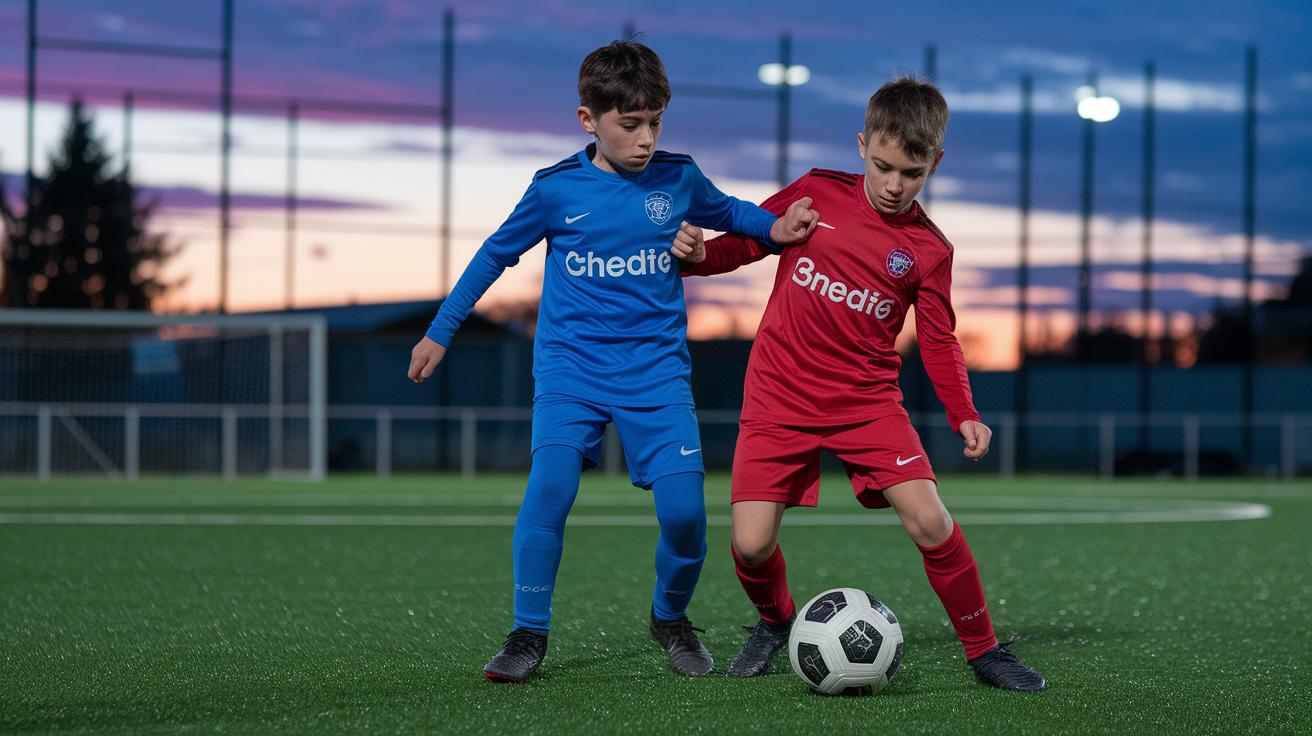
When a knockout match finishes level after the usual 90 minutes, the game moves into extra time. This means two halves of 15 minutes each, making 30 minutes of extra play. It might surprise you that in one memorable cup final, extra time stretched way beyond 30 minutes because lots of time was added for injuries and substitutions. It turned the game into a real nail-biter.
If the score stays tied after extra time, the winner is decided with a penalty shootout. There isn’t a set time for these shootouts; the teams keep taking turns until one team scores more than the other in a sudden death style. This phase really tests the players' nerves since every kick can change the outcome in an instant.
From the regular 90 minutes to extra time and sometimes even into penalties, a match can last over two hours. Fans are treated to a battle of stamina and strategy as teams push hard to break the deadlock in those high-pressure moments. Every extra minute builds suspense, adding an unpredictable and thrilling twist to the game.
Youth and Amateur Soccer Match Timing Differences
When you're watching a youth soccer game, you quickly notice that match lengths change to fit the players' abilities. For the tiniest teams, like Under-6, the games are fast and fun. They play 4 quarters of 6 minutes each, which keeps the energy level high and the game exciting.
At the early stages, each age group has its own rhythm. Under-6 squads take on 4 quick quarters of 6 minutes. For Under-8 leagues, things can vary a bit. Some leagues, like those following US Youth Soccer, have 4 quarters of 12 minutes, while others, such as AYSO, opt for 2 halves of 20 minutes. Under-10 players usually enjoy 2 halves of 25 minutes – just the right balance to grow their skills without losing focus.
As players move up in age, the game time naturally increases. Under-12 contests commonly feature 2 halves of 30 minutes, and if the score is even, you might see overtime with 2 extra halves of 10 minutes. For the Under-14 age group, each half lasts 35 minutes, often with an optional overtime period of 2 halves of 10 minutes to push the game towards a win.
For teenage divisions and amateur contests, things get even more intense. Under-16 players usually face 2 halves of 40 minutes, with overtime periods of 2 halves of 15 minutes helping settle those nail-biting finishes. By the time players reach Under-19, the matches almost mirror professional play with 2 halves of 45 minutes, sometimes followed by 2 halves of 15 minutes overtime when needed.
High school and local amateur leagues also tailor breaks and overtime rules to the players' stamina and pace. It’s all about making sure the game flows well while letting young athletes shine at every level.
| Age Group | Regular Time | Overtime Option |
|---|---|---|
| Under-6 | 4 x 6 min quarters | N/A |
| Under-8 | 4 x 12 min or 2 x 20 min halves | N/A |
| Under-10 | 2 x 25 min halves | N/A |
| Under-12 | 2 x 30 min halves | 2 x 10 min halves |
| Under-14 | 2 x 35 min halves | 2 x 10 min halves |
| Under-16 | 2 x 40 min halves | 2 x 15 min halves |
| Under-19 | 2 x 45 min halves | 2 x 15 min halves |
Halftime Interval Specifics in Soccer Match Duration

In official matches, halftime lasts exactly 15 minutes, following FIFA rules. This break gives players a chance to catch their breath, lets coaches share quick strategies, and even allows for essential medical checks. Picture this: after 45 intense minutes on the field, everyone heads to the locker room to plan their next move.
In youth games, the halftime break is usually shorter, about 5 to 10 minutes, to keep the game flowing and the players focused. This shorter interval helps young athletes stay engaged and not lose their momentum.
Halftime isn’t just about resting; it sets the stage for a fresh start in the second half. Teams often use these moments to quickly re-strategize and come back to the game with renewed energy and focus.
Stoppage Time and Other Unplanned Extensions in Soccer Duration
Soccer games are known for their unpredictable moments. Referees add extra minutes at the end of each half to make up for lost time during the match. The clock keeps ticking throughout the game, so when delays happen, officials simply announce extra time at the end.
Have you ever noticed that injuries might slow the game down, or that substitutions cause a brief pause as players switch out? Sometimes teams even hold the ball to waste time during tense moments. And then there are VAR reviews, those moments when the referee stops play to check a call or decisions on the field. Even a quick goal celebration can add a few extra seconds to the match.
Typically, these extra minutes can range from 1 to 8 minutes per half. Every one of these seconds raises the excitement and changes the game plan as teams push hard to score or defend. It’s this blend of continuous play and sudden stops that keeps fans on the edge of their seats, eagerly watching for that final whistle.
Broadcasting and Real-Time Tracking of Soccer Match Length
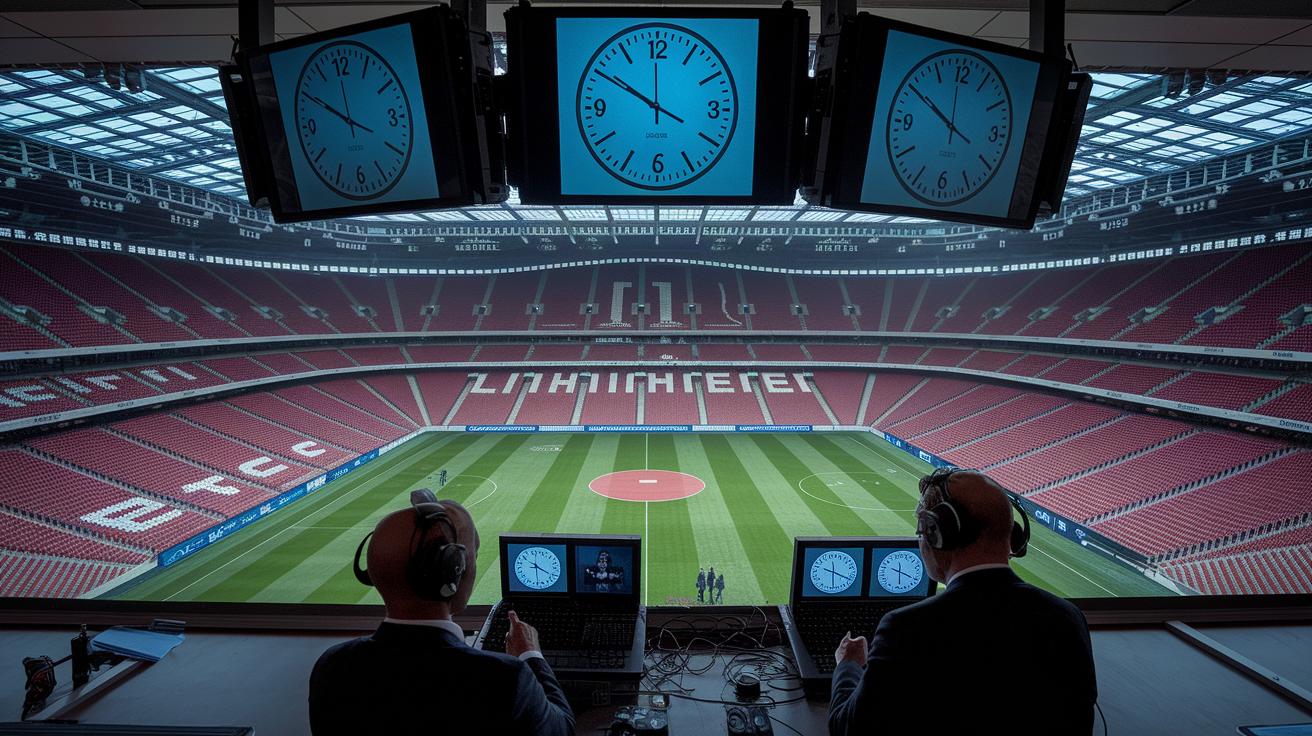
Television networks book a two-hour slot for a 90-minute match. It’s not just the game they cover, it includes pre-game features where hosts hype up the action with player profiles and expert insights, a halftime show, and a post-game wrap-up. Think about it like a mini-event that builds excitement even before the teams hit the pitch.
When watching live, the coverage runs for about 115 to 125 minutes from the first whistle to the final call. Apps and stadium scoreboards work non-stop, showing the elapsed time so fans know exactly how long the game has been on. Broadcasters and stadium managers plan everything, start times, breaks, you name it, around this running clock to make sure the live action matches the broadcast schedule perfectly.
Final Words
in the action, the article broke down every facet of a soccer match, from regulation play and stoppage time to extra periods and penalty shootouts.
It explained how teams manage the clock during official matches, covered the fixed halftime interval, and compared youth and amateur timings.
The discussion clarified how long is the soccer match under various conditions, giving a clear look at both game rules and broadcast timing.
We hope this clear rundown fuels your excitement for the sport and deepens your understanding of its rhythm.
FAQ
Q: How long is a standard professional soccer match?
A: A standard professional match lasts 90 minutes of play, split into two 45‑minute halves with a 15‑minute halftime break.
Q: How long is a soccer match including halftime and stoppage time?
A: When you add halftime and stoppage time—extra minutes given for delays—the total scheduled time often exceeds 105 minutes.
Q: How long are televised soccer matches?
A: Television broadcasts usually allocate about two hours for a match, including pre‑game, halftime, and post‑game segments, with live coverage lasting around 115–125 minutes.
Q: How long is a soccer game for youth and high school players?
A: Youth game lengths vary by age and local rules; for instance, U14 players typically have two 35‑minute halves, and high school games often run for around 70 minutes total.
Q: How long is 90 minutes in a soccer game?
A: The 90 minutes refers to the regulation play time on the field, which does not count the halftime break or any added stoppage time.
Q: What does +7 minutes mean in soccer?
A: The +7 minutes represents stoppage time added by the referee to cover delays such as injuries or substitutions during a half.
Q: Is soccer played in 2 halves or 4 quarters?
A: Standard soccer is played in two halves, although some youth leagues opt for four quarters to better suit their schedule.