
Ever wonder how baseball got its spark? Early players around the world played simple bat-and-ball games that laid the groundwork for the sport we love today. In America, local fans mixed old games into a fresh challenge, creating the rules that shaped modern baseball. Every part of this journey, from the early days to game-changing milestones like breaking color barriers, shows raw passion and a drive to innovate. Let’s dive into these unforgettable moments and relive how baseball captured hearts for generations.
Comprehensive Timeline of Baseball’s Evolution
Long before organized leagues and professional players, people all over the world were already enjoying simple bat-and-ball games. Ancient players in places like Egypt, Persia, Greece (where the game was known as sphairistikè), and among the Aztecs played for the pure joy of the game. Imagine ancient enthusiasts, without fancy equipment, sparking a love for play that would echo through the ages.
In America during the mid-1800s, locals blended old English games, think rounders, cricket, and town ball, to create what we now call baseball. A key moment was the founding of the New York Knickerbocker Baseball Club in 1845. Under the guidance of pioneers like Alexander Cartwright, they set down clear rules with a diamond-shaped field, teams of nine players, and a three-strike rule. The very first game on June 19, 1846, between the Knickerbockers and the New York Nine marked the start of organized play.
The sport kept growing and evolving. In 1857, the National Association of Base Ball Players came together to standardize play in different regions. This laid the groundwork for more competition, leading to the first professional league in 1871 and the launch of the National League in 1876. By 1947, when Jackie Robinson broke the color barrier, baseball had become a powerful symbol of American culture and innovation, inspiring fans around the globe.
Every step in baseball's long journey shows how the sport has changed over time. Moving from casual street games to the tightly organized leagues we see today, baseball’s story is one of constant innovation, raw passion, and fierce competition. Each milestone is a reminder of how the game has grown while still capturing the hearts of millions.
Baseball’s Early Games and the Knickerbocker Rules
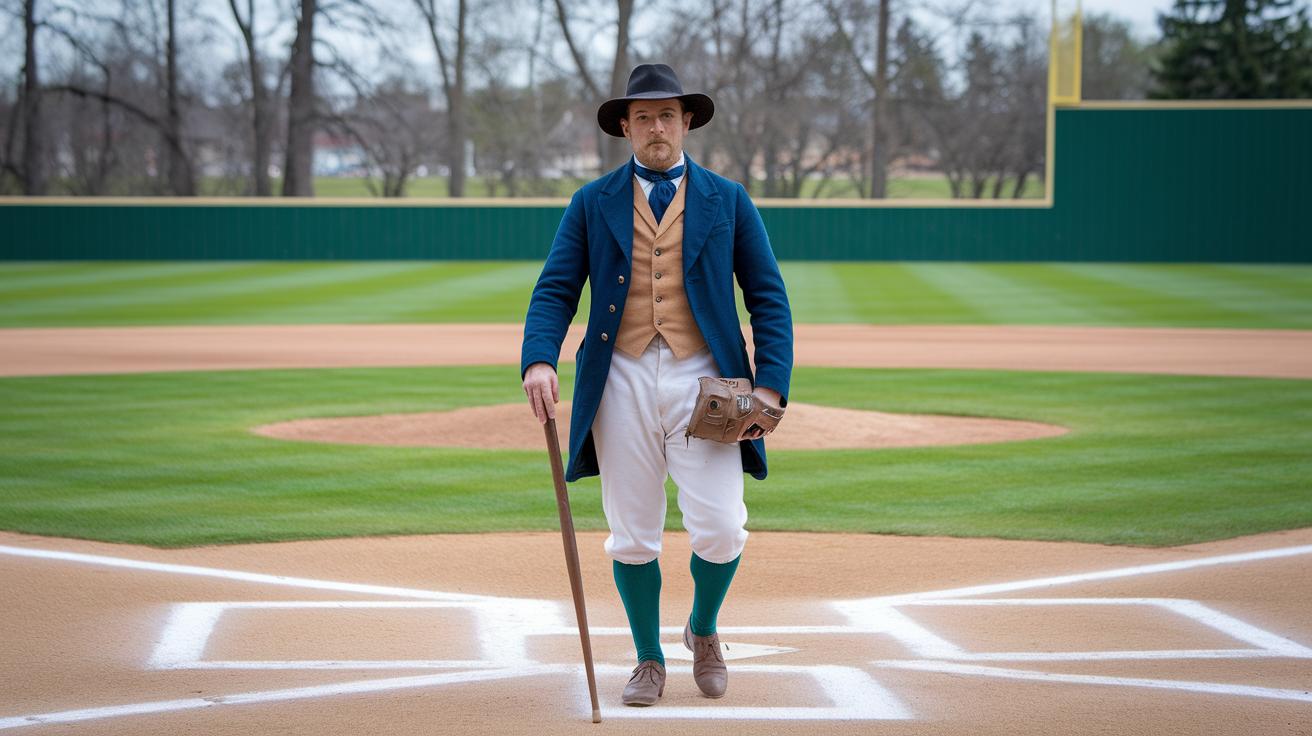
In 1845, the New York Knickerbocker Baseball Club, led by Alexander Cartwright, turned a casual bat-and-ball pastime into a well-organized game. They set down clear rules for a diamond-shaped field, defined foul lines, nine players on a team, and the three-strike rule. Imagine each pitch having to meet a precise standard that kept both offense and defense on their toes.
Then on June 19, 1846, the club played the first official game using these rules. Around the same time, local teams added their own twists, like using rectangular fields and trying early overhand pitching out in New England.
| Event | Key Detail |
|---|---|
| 1845 | New York Knickerbocker Baseball Club formed under Alexander Cartwright |
| Knickerbocker Rules | Diamond field, foul lines, nine players, three-strike rule |
| June 19, 1846 | First official game played with the new rules |
| Regional Twists | New England used rectangular fields and experimented with overhand pitching |
Rise of Professional Leagues in Baseball’s Early Era
In 1857, the National Association of Base Ball Players kicked off as baseball's very first governing body. They pulled together teams from different parts of the country to set basic rules and make the game more consistent. It was a big change that moved baseball from simple local matches to organized play, laying the groundwork for professional competition.
Then in 1871, the National Association of Professional Base Ball Players made history by starting the first paid league. This change meant players could earn a living from the game, turning a fun pastime into a serious sport. Just imagine a player stepping up to the plate knowing that his performance might put food on the table, a true game changer that pushed many to improve their skills.
By 1876, the National League came into being with eight original teams, including the Boston Red Stockings and Chicago White Stockings. The league set up regular season schedules and kept official records, which helped shape baseball into the structured sport we know today. And then in 1882, the American Association arrived as a rival, adding more energy to the mix. Even leagues that didn’t last long, like the Union Association in 1884 or the Players’ League in 1890, brought fresh ideas, like a coach surprising everyone with a new play that changes the game’s momentum. Each of these leagues added a new twist to baseball’s growing legacy.
Golden Age of Baseball: Legends, Moments, and Milestones
Baseball truly came alive during this era, with unforgettable figures and epic moments. Babe Ruth ruled the game from 1914 to 1935, launching 714 home runs and collecting 2,214 RBIs, all while posting a .342 average. Think of him as that larger-than-life player who could hit a ball so high it left fans breathless. His impact went beyond stats, Ruth became a Hall of Famer in 1936, symbolizing the very power and thrill of the game.
Then came Jackie Robinson in 1947 with the Brooklyn Dodgers. His debut wasn’t just about the game; it broke barriers by ending segregated leagues. Imagine the courage it took to step onto the field and show that true talent unites everyone. His historic entry reshaped baseball and opened doors for many players in the years to come.
In 1939, baseball found a new home in living rooms across America with its first televised game between the Cincinnati Reds and the Philadelphia Phillies. Picture families gathered around a small TV, eyes wide in amazement as history was made right before them.
Classic teams like the New York Yankees also defined this golden era. With 27 World Series titles under their belt, their fierce rivalries, especially those memorable showdowns with the Dodgers after the war, brought us some of baseball's most iconic moments. Even today, moments like the energetic start of the 1920 live-ball era and the legendary 1932 "called shot" still spark excitement and conversation, proving that the magic of the game never fades.
Modern Expansion and Global Reach of Baseball
From the 1960s to the late 1990s, baseball truly exploded into a nationwide passion. New teams like the Los Angeles Angels, Washington Senators, Montreal Expos, Colorado Rockies, and Florida Marlins sprang to life, each adding its own burst of energy and drawing fans from new corners of the country. It was a time when a local pastime turned into a sport that united fans across the nation.
Over in Japan, Nippon Professional Baseball, born in 1936, carved its own path with a style marked by precision and discipline. This unique approach even influenced U.S. training routines and scouting efforts, adding a new layer of depth to the game. Meanwhile, leagues in Korea and Taiwan, the KBO since 1982 and CPBL since 1989, brought in their own flair, making the sport richer and more diverse.
Big international events took baseball’s global reach to another level. The World Baseball Classic, which kicked off in 2006, gave national teams a chance to shine, while Olympic baseball captured global attention from 1992 through 2008, with a memorable return in Tokyo in 2020. Latin American and Asian academies continue to nurture fresh talent, proving that baseball is a sport that crosses boundaries and wins hearts around the globe.
Evolution of Baseball Equipment and Strategies
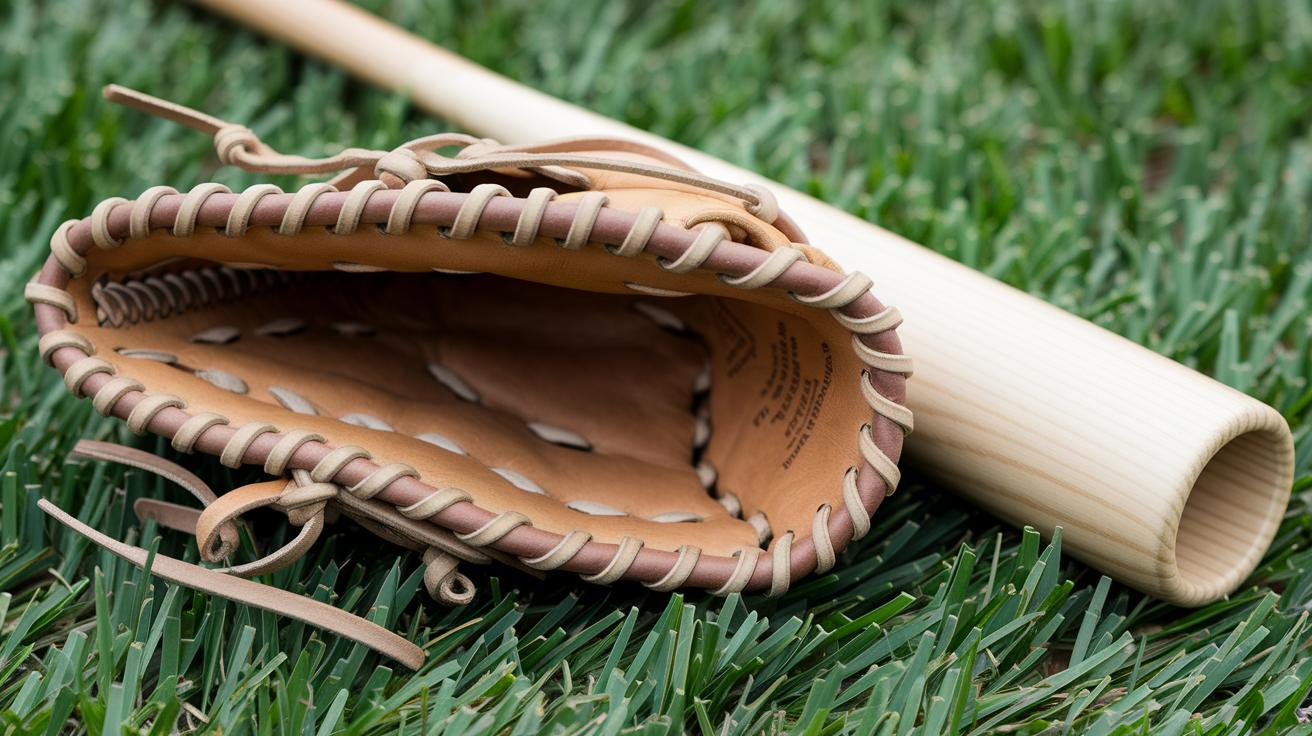
Baseball gear and tactics have changed a lot over time thanks to new technology and smart rule changes. Back in the 1870s, players started trying out padded gloves to give their hands more protection. Then in 1885, William F. Elliott patented his glove design, and that sparked a shift toward better fielding that still matters today.
Bat designs got a big makeover too. Early on, bats were heavy, solid pieces of hickory that took serious strength to swing. By the early 1900s, lighter ash bats and even laminated models gave hitters more control and speed. In 1876, Spalding set the standard by making a baseball with a cork core wrapped in leather, which brought consistency and reliability to every game.
Safety got a boost as well. Batting helmets, introduced in the 1940s, helped protect players from injuries. Later on, composite materials took safety to a new level, keeping players even more secure on the field.
Rule changes also pushed the game in new directions. The 1884 rule that allowed overhand pitching completely changed the way pitchers approached their game. And later, the rise of relief pitchers along with the designated hitter rule in 1973 opened up fresh strategies that redefined matchups and player roles.
Imagine holding a modern glove or bat. Each small improvement over time has not only boosted performance but also added to the excitement of the game. Every new innovation tells a story of creativity and progress that still influences every play today.
Final Words
In the action, we witnessed baseball’s journey from ancient bat-and-ball contests to the revolutionary Knickerbocker Rules and the rise of professional play. The post captured the thrill of legendary moments, groundbreaking players, and evolving strategies that keep the game alive today. It traced how simple games blossomed into a global sport while spotlighting pivotal rules and equipment shifts. This walk through the rich history of baseball reminds us why every inning and every play continues to spark hearts and fuel passion on and off the field. Enjoy every play!
FAQ
What is the brief history of baseball?
The brief history of baseball begins with ancient bat-and-ball games, moves to the 1845 formation of the Knickerbocker Rules, and evolves through professional leagues and global expansion over the years.
Who actually invented baseball?
The invention of baseball is credited to a mix of older bat-and-ball games, with Alexander Cartwright playing a key role by establishing the Knickerbocker Rules that shaped the modern sport.
Why is the number 42 not allowed in baseball?
The number 42 is retired in Major League Baseball as a tribute to Jackie Robinson, who broke the color barrier; no player may wear it to honor his groundbreaking impact on the game.
Why are there 108 stitches on a baseball?
The 108 stitches on a baseball are designed to optimize the ball’s aerodynamic performance and grip, giving pitchers better control over its movement and helping stabilize its flight.
Where can I find reliable sources on baseball history?
You can learn more about baseball history through detailed books, documentaries, respected wikipedia entries, and movies that explore the game’s evolution and significant milestones in America.
What resources are available for kids learning about baseball history?
Kids can explore baseball history with engaging books, interactive timelines, and educational videos that simplify the story of the game’s growth and highlight major events in a fun, accessible way.
What are some key facts about baseball history in America?
American baseball history includes its origins in early bat-and-ball contests, the establishment of standardized rules in the mid-1800s, the rise of professional leagues, and landmark milestones such as integration by Jackie Robinson.