
Ever noticed how one incredible sports interview can change everything? Imagine being right at the heart of the action, just like those interviewers who chat with legends and break the news as it unfolds. This guide walks you through easy, clear steps to help you shine in a world where every second matters. With insider tips and solid advice, you’ll learn how to make everyday chats count like game-winning plays. So, are you ready to turn your love for sports into a career that steals the spotlight?
Sports Interviewer Career Foundations
Sports interviewers sit right at the center of broadcast journalism. They cover live games, chat with athletes and coaches, break important news, and share quick insights on TV, radio, in print, and online. Whether it's a live game reporter, studio anchor, field reporter, digital media host, or even a highlight show or debate anchor, these pros know how to capture every thrilling moment. When you hear that shout of "And that's a game-winning shot!" you’re really experiencing the magic of live, fast-paced reporting.
Starting out, many sports anchors earn around $28,500, while newcomers to the field tend to make about $35,129 a year. In the U.S., the median salary hovers around $52,363, though earnings can range anywhere from $30,000 to $192,000 based on experience and market size. This wide span shows just how many pathways there are – from traditional TV stations to new ventures like podcasting and video production.
Ever witnessed how one perfectly timed interview can change the whole game narrative? That’s what drives many aspiring reporters to plan their careers carefully. They dream of covering huge events, meeting legendary players, and offering insights that light up screens across the country. In short, this career not only gives you major exposure but also lets you shape sports stories that connect with fans everywhere.
Education and Training Essentials for Sports Interviewers
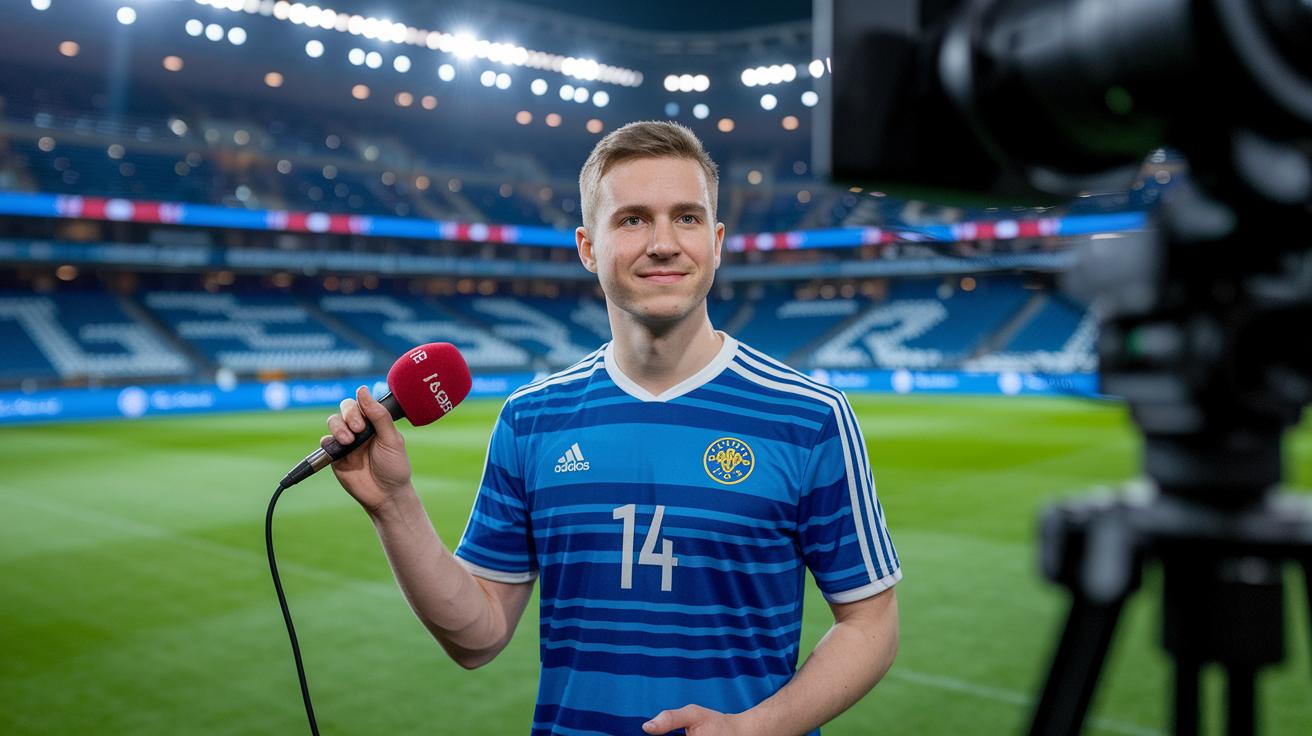
Kickstarting your career as a sports interviewer means getting the basics down first. A degree in journalism or communications sets you up for success. Courses in sports journalism, multimedia reporting, and broadcast methods are like your playbook, teaching you the moves you need to make in this fast-paced arena. Think of hands-on projects as practice sessions, a simulated live broadcast could be the adrenaline rush that sharpens your on-camera skills.
Next, jump into internships at local TV stations, sports networks, college newspapers, or radio stations. These gigs are like real-game experience where theory comes alive. They refine your interviewing technique and boost your technical audio and video skills, giving you a taste of that quick-break action only found off the textbooks. Short courses and workshops are quick drills that help tighten up your public speaking and questioning skills, essentials that let you score big interviews.
To stand out from the crowd, consider getting certified in digital journalism or broadcast production. These certifications are your all-star badges of honor, boosting your multimedia chops and storytelling versatility. Many institutes offer apprenticeship programs that guide you into the sport, ensuring you learn the ropes of broadcast planning while building confidence behind the scenes. All these steps together form a winning game plan, equipping you with the tools you need to shine on air and in the editing room.
Essential Skills for Successful Sports Interviewers
Sports interviewers mix technical know-how with people skills and quick thinking to shine in a fast-moving media world. They need to write clearly and research thoroughly to double-check every fact. On air, speaking with confidence is just as crucial as being ready to improvise in live moments. Each interview feels like its own mini-game where solid prep and a cool head lead to a winning play. Investigative work is key, ensuring every detail is spot-on with accuracy and honesty.
Today’s media scene also calls for strong technical abilities. Knowing your way around audio and video editing, managing live streams, and crafting content for social media makes all the difference. Regular practice and a readiness to try new strategies help interviewers keep pace with the ever-changing tech and media trends.
The essential skills in this field include:
- Crafting interview questions and using probing techniques
- Staying calm and composed on air
- Mastering public speaking and controlling your voice
- Analyzing data to ask better, informed questions
- Writing clear scripts and narratives
- Handling technical production and troubleshooting issues
- Reporting ethically with solid fact-checking
With determination, a pursuit of excellence, and a willingness to always learn, sports interviewers build a versatile toolkit. Every on-air moment is a chance to hone these skills, ensuring their storytelling stays engaging and insightful no matter the pressure.
Building a Compelling Sports Interviewer Portfolio and Resume
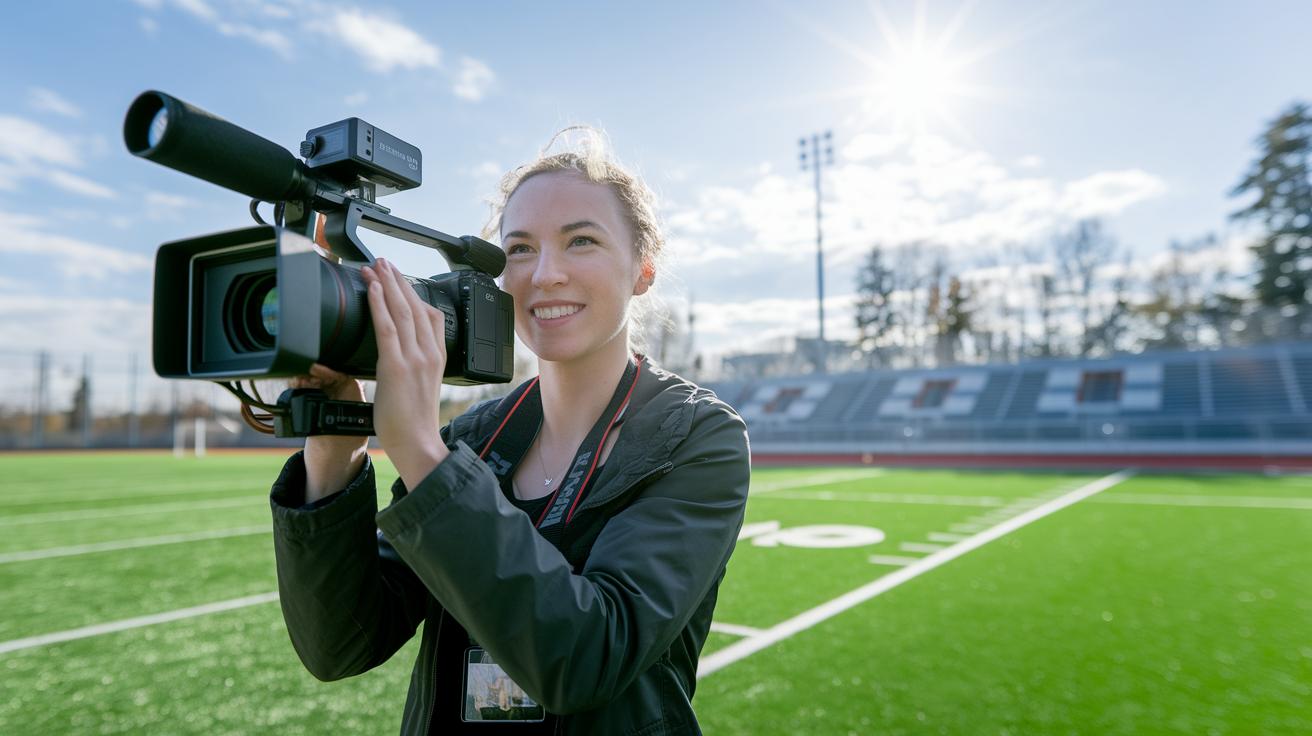
Imagine your portfolio and resume as your personal highlight reel, capturing those unforgettable career moments. It’s where you show off your on-air spark, solid reporting skills, and the creative twists you bring to every story. Your resume tells the story of your academic journey, hands-on experiences, and the technical know-how that makes you a cut above the rest.
Think about including these key elements in your portfolio:
- On-air video segments
- Written feature stories
- Podcast or audio interviews
- Social media engagement metrics
- References and testimonials
This variety shows off every angle of your abilities. On-air videos highlight your presence and confidence, while written stories prove your knack for crafting engaging narratives. Podcast clips and social media samples underline your digital savvy, and trusted references boost your credibility.
| Resume Section | Purpose |
|---|---|
| Contact Info | Keep your communication details current |
| Education | Showcase relevant degrees and courses |
| Experience | Highlight internships, freelance gigs, or staff roles |
| Skills | List out your broadcasting, technical, and research abilities |
| Achievements | Mention major events covered and key metrics |
Networking and Job Search Strategies for Sports Interviewers
In the bustling arena of sports interviewing, connecting with the right people can feel like scoring a game-winning goal. Industry events, press conferences, and focused online platforms are your go-to spots for scouting job leads and building referral networks. Meeting fellow reporters, coaches, and PR pros face-to-face can give you that insider edge and spark new opportunities.
Building mentor relationships is another smart move. Chat with experienced sports reporters and ask them for practical tips or even a bit of mentoring. Imagine hearing a veteran say, "I got my start by turning small gigs into bigger roles." That kind of advice not only fires you up but can also open doors to freelance gigs that boost your portfolio.
Freelance work is a great way to expand your network and show off your versatility. Personalize your pitches and be proactive when reaching out to local media outlets or sports blogs. Have you ever felt that thrill when a perfectly timed message leads to a fresh interview? That excitement is the fuel that keeps your sports interviewing career moving forward.
Mastering Interview Techniques in Sports Broadcasting
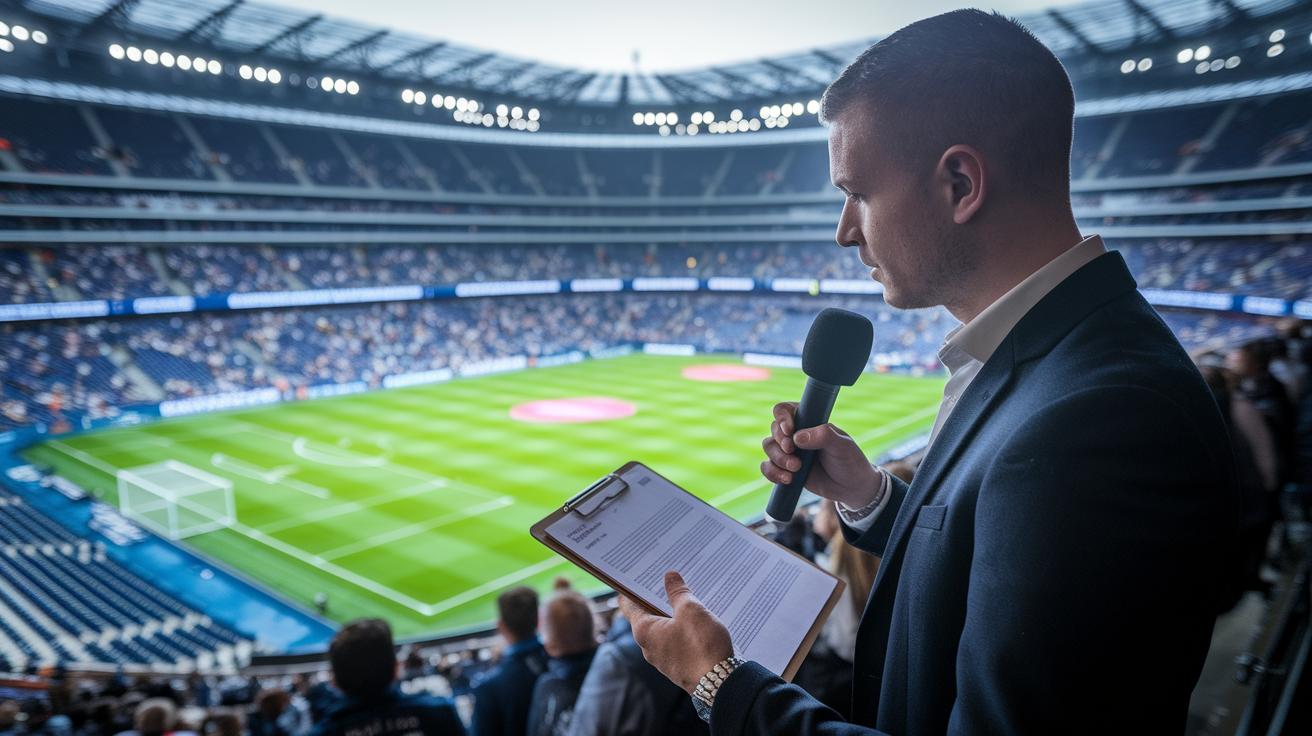
When you get ready for an interview, your questions should shine a light on key player stats and recent game trends. Think of it like a seasoned reporter who memorizes every player’s latest numbers before stepping in front of the camera. Starting with a surprising fact can break the ice, sparking fresh insights right from the first question.
Before you hit the record button, take some time to dig into current game stats and performance trends. It’s a bit like putting together a playbook, every stat and historical trend builds a stronger case for your questions. This thoughtful research not only deepens your reporting but also shows that you’ve really done your homework.
Being comfortable on camera is crucial. Keep your introductions simple, maintain steady eye contact, and let your voice carry confidence throughout the broadcast. Picture yourself explaining a critical play step-by-step so that every viewer feels as if they’re right in the game. A calm, clear style helps both your interviewees and the audience feel like they’re part of the action.
After the first answer, it’s important to listen closely and think on your feet. Ask follow-up questions that dig even deeper, making the conversation fluid and dynamic, just like a perfectly timed play in the heat of a match. A smart follow-up can be the difference between a regular segment and one that truly captivates everyone watching.
Future Trends and Opportunities in Sports Interviewing Careers
Media is changing fast, and so is the world of sports interviewing. Social media, streaming, and podcasts aren’t just extra features anymore; they are defining the game. Interviewers now need to mix live stats and real-time data with their storytelling, making every play feel immediate and credible.
New fields like fantasy sports, esports, and covering international events are opening up fresh opportunities for those who know their stuff. Imagine honing your skills in a niche where your expertise really clicks with fans, it’s like finding your perfect play. Today’s interviewers must be ready to share stories across many channels, tailoring each narrative to fit different platforms.
In short, embracing modern digital practices is the key to growth in this dynamic field. The traditional sports interview is evolving into a multimedia adventure that reaches fans worldwide. Those who adapt to these trends will not only keep up with the fast pace of technology but also unlock exciting new paths in their career.
Final Words
In the action, we explored the sports interviewer career path from fundamental roles to competitive future trends. We saw how education and hands-on training build a strong foundation, and we broke down essential skills like on-air composure and ethical reporting. The guide also covered building a standout portfolio and fine-tuning your resume. Networking and practical interview techniques are key to carving your niche. Every step offers real insights to help you rise in this dynamic field. This career guide for sports interviewers paves the way for a bright future in sports media.
FAQ
Where can I find guidance on a career path for sports interviewers?
The free career guide and Reddit resources provide step-by-step advice, insider tips, and real-world experiences to help you map and advance your career as a sports interviewer.
What is the salary range for sports commentators and interviewers?
Sports commentators and interviewers earn between $30,000 and $192,000 based on experience and market size, with entry-level positions around $28,500 and median salaries near $52,363.
How can I start a career in sports interviewing and broadcasting?
Starting a career in sports interviewing involves pursuing a journalism or communications degree or relevant training, completing internships, and developing on-camera and interviewing skills through hands-on experience.
What major should I pursue to become a sports reporter?
Choosing a major in journalism or communications lays a solid foundation, as these programs offer courses in multimedia reporting and broadcast techniques that are crucial for a career in sports reporting.
What types of jobs are available in sports commentary and broadcasting?
Careers in sports commentary and broadcasting range from live game reporting and studio anchoring to digital media hosting and podcasting, each offering unique opportunities across traditional and emerging media channels.