
Ever wonder if there’s a secret play your team is not using? Coaches give every move a second look through game analysis, which helps them spot what might be missing.
They use smart tools to study passes, tackles, and shifting formations (changing play setups) so that even simple game footage turns into tactical gold. It’s like watching a replay and catching that winning spark you almost missed.
This post shows how basic stats can be transformed into strategies that boost team performance. Keep reading to see how these techniques light up the pitch with fresh, winning insights.
Comprehensive Overview of Match Analysis Methods in Football
Football performance analysis has come a long way over the past 20 years. Back in the day, coaches used their gut feelings and basic stats to set up strategies. Today, they blend technical, tactical, physical, and psychological insights to get a full picture of the game.
Technical tools like Hudl and Hudl Assist have changed the way coaches break down play. These simple platforms let them tag crucial moments, like a well-timed pass or a key defensive tackle, with ease. It’s like capturing the crisp snap of a football mid-game and reviewing every detail after the final whistle.
When it comes to tactics, understanding formations is essential. Consider a setup like the 4-4-2, which means four defenders, four midfielders, and two forwards. Analysts watch how teams switch their strategies, say, changing a 4-3-3 into a compact 4-4-2 after losing possession, to keep the pressure on opponents.
On the physical side, modern teams use GPS wearables (small devices that track movement) like the WIMU Pro. These tools measure a player’s load, distance (often around 10-12 km per match), and speed. This data gives coaches clear insights into how hard players are pushing themselves on the pitch, so they can tweak training plans accordingly.
Video analysis also plays a big role by offering a bird’s eye view of the match. It reveals positional shifts and quick transitions that aren’t always visible from the sidelines, providing an extra layer of insight.
The main areas of match analysis include:
- Tactical formations and pressing patterns
- Statistical performance metrics such as possession, pass accuracy, and expected goals
- Video breakdowns for detailed situational reviews
- Performance indicators from wearables tracking physical output
In short, this systematic approach brings together many different tools and methods. Each piece of data helps refine strategies, ensuring that every move on the field is backed by clear, data-driven insights.
Tactical Evaluation Methods in Football Match Analysis

Tactical evaluation in football is all about spotting where the opponent might slip up and switching up the game plan on the fly. Analysts take a close look at formations like 4-4-2, 3-5-2, and 4-3-3 to see how teams arrange themselves and move on the pitch. For example, if a team shifts from a steady 4-4-2 to a more flexible 4-3-3, new gaps appear that clever teams can target.
Experts use tools like Hudl Sportscode to mark the essential moments of a match. They track pressing triggers, how well players stick together in defense, and the quick changes between attack and defense. Live data from high-pressing systems alerts the team when it’s time to push forward while ensuring they can pull back quickly if the ball is lost. One analyst summed it up perfectly: "Catch that split-second lapse in defence recovery, and you've got a brilliant chance to press hard."
Set-piece strategy is another key area. Analysts break down every detail of corners, free kicks, and throw-ins, from where players stand to how they move together, to boost scoring chances. By combining quick in-game reviews with careful formation analysis, these experts turn raw data into smart strategies that can light up match day.
Statistical Performance Reviews as Match Analysis Methods in Football
Football analysis today is all about digging into detailed stats. Analysts keep an eye on key numbers like pass accuracy, which usually falls between 75% and 90%. They also look at possession percentages to see how well teams control the game. Data like expected goals (xG) and the distance players cover help paint a clear picture of overall performance. It’s almost like having a play-by-play of every move on the field.
Key tools such as Insight handle a lot of the work automatically. They run analyses before, during, and after the match so every touch of the ball is tracked without any manual coding. Plus, integrating data from gadgets like the WIMU Pro links physical exertion with technical moves on the field. This blend gives coaches a live snapshot of the game, allowing adjustments to be made as play unfolds.
If a team’s pass accuracy drops during a match, coaches can quickly spot areas that need work. This close review not only sharpens tactical planning but also fine-tunes player roles and boosts readiness. It’s like having a constantly evolving game plan, keeping every moment as thrilling as a last-second play.
Video Breakdown Techniques in Football Match Analysis
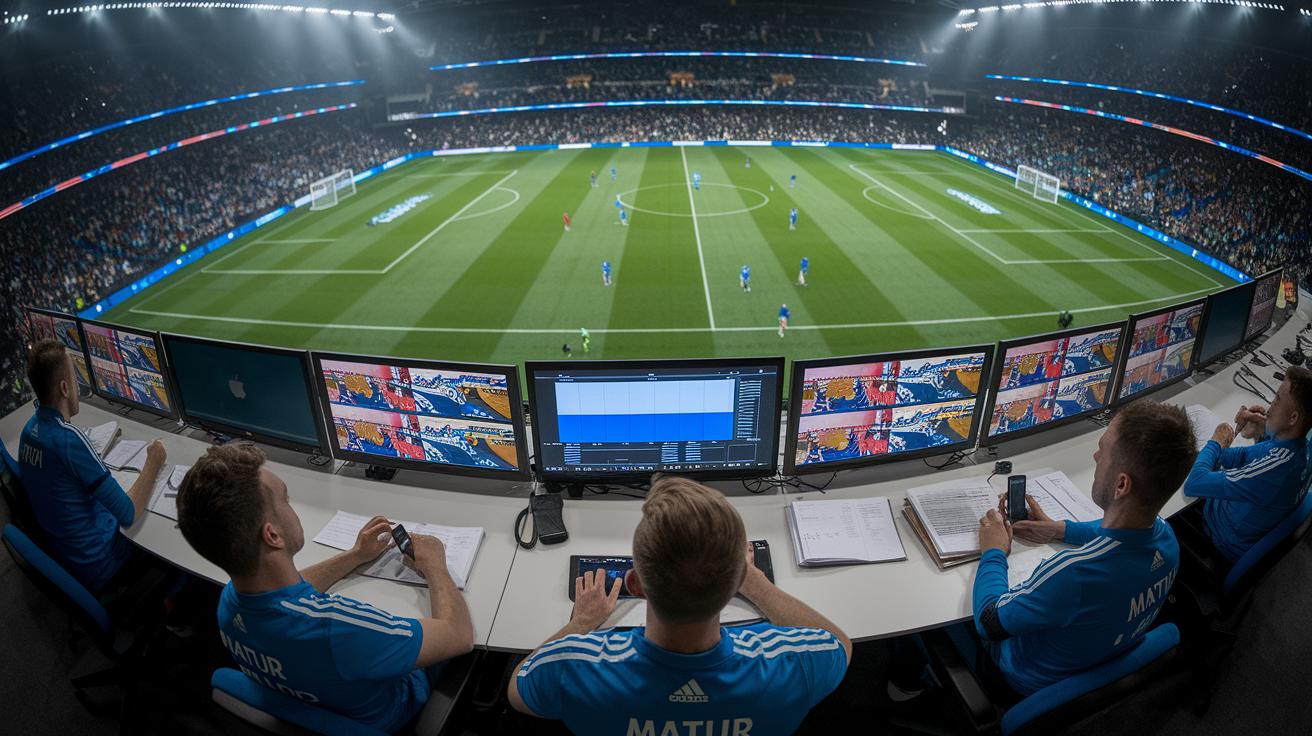
Video breakdown techniques give teams a detailed look at every play from different views. High-quality, multi-angle footage, captured with tools like Hudl Replay and Pro Video, lets analysts tag passes, shots, and interceptions quickly. Automated video tagging even highlights key moments on its own. Imagine a system that scans a match and spots every important tackle without anyone having to hit pause. Pretty cool, right?
Some systems, like MatchTracker, sync stadium cameras with wearable feeds to speed up the review process by nearly 95%. This rapid analysis provides instant, match-specific data that helps coaches tweak their strategies even while the game is on. It’s like getting a live playbook where every visual clue directs on-field adjustments.
Data visualization is another game-changer. Tools that overlay heat maps, passing networks, and zone occupation diagrams bring the game’s flow to life, showing where teams dominate or struggle. These clear, dynamic images not only break down plays but also help guide tactical changes during the match. Combined with automated tagging and real-time analytics, video breakdown techniques spark insights that keep teams improving play after play.
Advanced Data Scouting and Digital Tools for Football Match Analysis Methods
Coaches are now using real-time data from wearables mixed with smart predictions to make on-field calls. Earlier sections looked at tools like Hudl and Catapult, but here we're talking about how the game has moved from simple monitoring to digital systems that offer deep, predictive insights. For example, Insight software mixes live stats with scenario forecasts – like shifts in momentum or expected goals – to help adjust tactics while the game is still on. Believe it or not, in one game a data alert about a player's fatigue led to a crucial substitution that turned the match around.
Wearable sensors like the WIMU Pro now send detailed performance stats straight to interactive dashboards. These systems catch details like quick recovery times and varying injury risks that older tools often missed. Custom digital platforms give coaches real-time decision support, replacing the old, slow manual scouting methods with streamlined, on-the-spot insights.
Integrating Coaching Methods and Holistic Match Analysis Methods in Football

Coaches blend tactics, stats, and video into one smooth routine. They review numbers and game scenarios before a match, much like assembling jigsaw puzzle pieces to reveal a clear game plan. This careful review helps them design training sessions that predict what opponents might do.
During a game, quick coaching feedback takes center stage. Using tablets and headsets, coaches get real-time data and video clips. This lets them change tactics on the fly, just like catching a ball at the very last moment.
After the match, coaches mix video replays, performance numbers, and even players’ feelings to find ways to get better. They pinpoint spots where the defense slipped up or where the offense could push harder. Over the season, tracking each player’s technical and behavioral progress helps shape personal coaching adjustments. In short, this blend of analysis and on-the-spot feedback creates a cycle of growth and wins that fuels success both in practice and during matches.
Final Words
In the action, match analysis methods in football are dissecting play from every angle, tactical evaluations, performance tracking, and video breakdown techniques all join the fray. We explored how coaches and analysts use cutting-edge tools to tag formations, measure player efficiency, and adjust strategies in real-time. Small bits of data come together to reveal the bigger picture on the field.
These insights empower teams to sharpen tactics and celebrate unforgettable moments with renewed clarity. The future of the game shines bright through every smart, data-driven decision.
FAQ
What are the different types of match analysis methods in football and what is match analysis in football?
The analysis of football matches involves a mix of tactical reviews, statistical performance, video breakdowns, and tracking performance indicators. It focuses on understanding formations, player movements, and data trends to boost game strategy.
What are some examples of match analysis methods, such as PDFs, reports, templates, or websites?
The method examples range from detailed PDF reports and analysis templates to comprehensive websites. These resources offer structured insights through customized reports and visual breakdowns of team performance.
How do analysts study football matches to gain insights for betting and tactical improvement?
Analysts study football matches for betting and tactical insights by examining game metrics, player data, and strategic formations. This integrated approach helps identify trends and potential outcomes for informed betting decisions.
How can you analyze an opponent in football effectively?
To analyze an opponent, one reviews their formations, pressing patterns, transition phases, and set-piece tactics. This method helps highlight both strengths and weaknesses to create effective counter-strategies.
Where can I find resources like match analysis PDFs or websites for further insights?
Resources such as match analysis PDFs, tailored templates, and specialized websites are available online. These tools offer detailed breakdowns using real-match data, video tagging, and statistical reviews for deeper understanding.