
Ever wonder how sports mix with bold calls for social change? Athletes are stepping off the field to speak up against injustice and inequality. They make powerful statements during national anthems and on the court, using their influence to shine a light on issues that matter. Their brave actions not only fire up fans but also show that playing to win can mean fighting for a fairer world. A blend of athletic skill and passionate activism can change more than just the score.
How Athlete Activists Shape Social Change
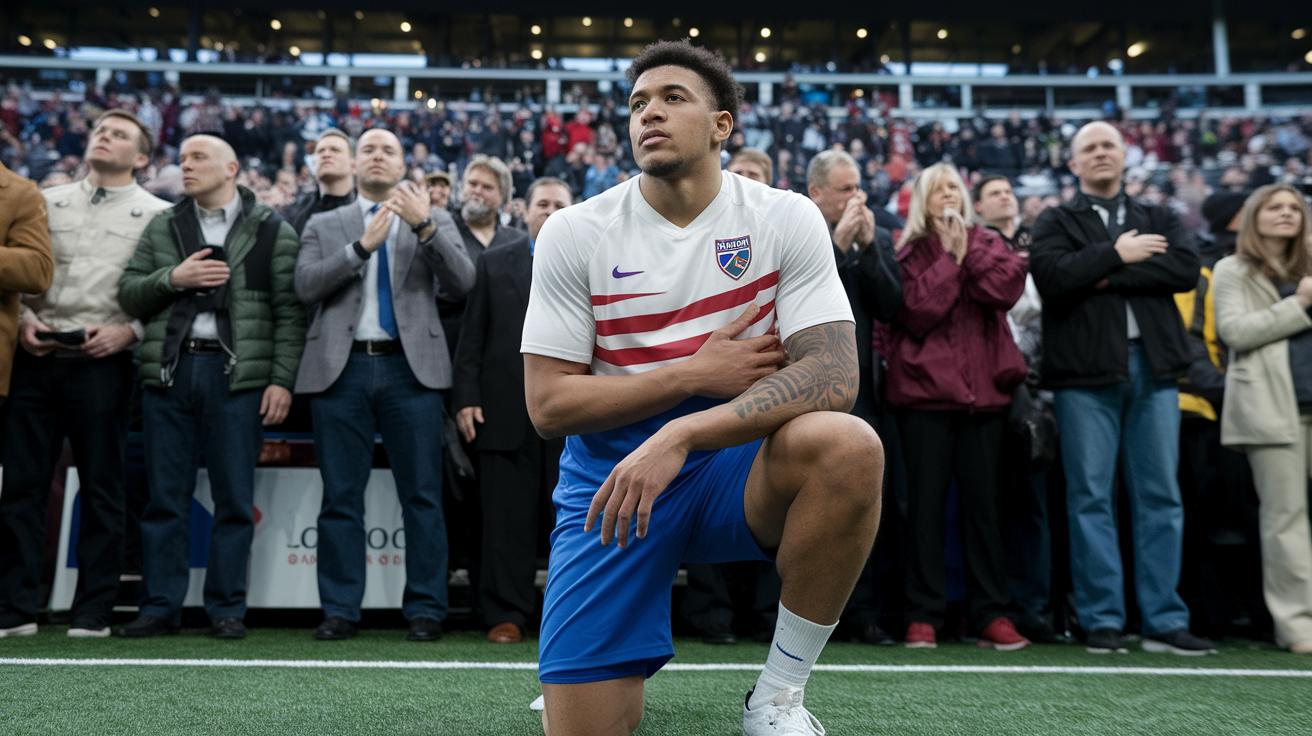
Athlete activists have turned sports into a stage for calling out injustice, discrimination, and inequality. They use their visibility like a spotlight, sparking discussions that reach far beyond the field. Remember when Colin Kaepernick knelt during the national anthem in 2016 to protest police brutality? His bold gesture still shines as a reminder of how sports and activism can mix.
Athletes like David Pocock and Michael Long show us that the game is about more than just winning; it’s about making a difference. Pocock has backed causes from boosting women’s sports to fighting climate change and supporting community projects in Zimbabwe. Long, in his own way, has raised the profile of Indigenous rights in his league. Their journeys remind us that sports figures can unite fans and change public conversations one play at a time.
Here are some of the big issues these athlete activists fight for:
- Racial discrimination and police brutality
- Gender equality and equal pay
- LGBTQ+ inclusion and rights
- Domestic violence awareness
- Indigenous and minority rights
- Environmental and climate change advocacy
Across different games and cultures, activist athletes keep reshaping both their sport and society. Think back to Cathy Freeman lighting the Olympic cauldron at Sydney 2000, a symbol of national unity. And then there’s LeBron James and the Miami Heat, whose actions in the wake of Trayvon Martin’s death sparked heartfelt talks on racial injustice. By standing up in symbolic moments and making personal sacrifices, these athletes show us that true competition isn’t found only in winning on the field; it’s in the courage to fight for what rightfully matters off it.
Historic Athlete Activists Who Pioneered Sports Advocacy
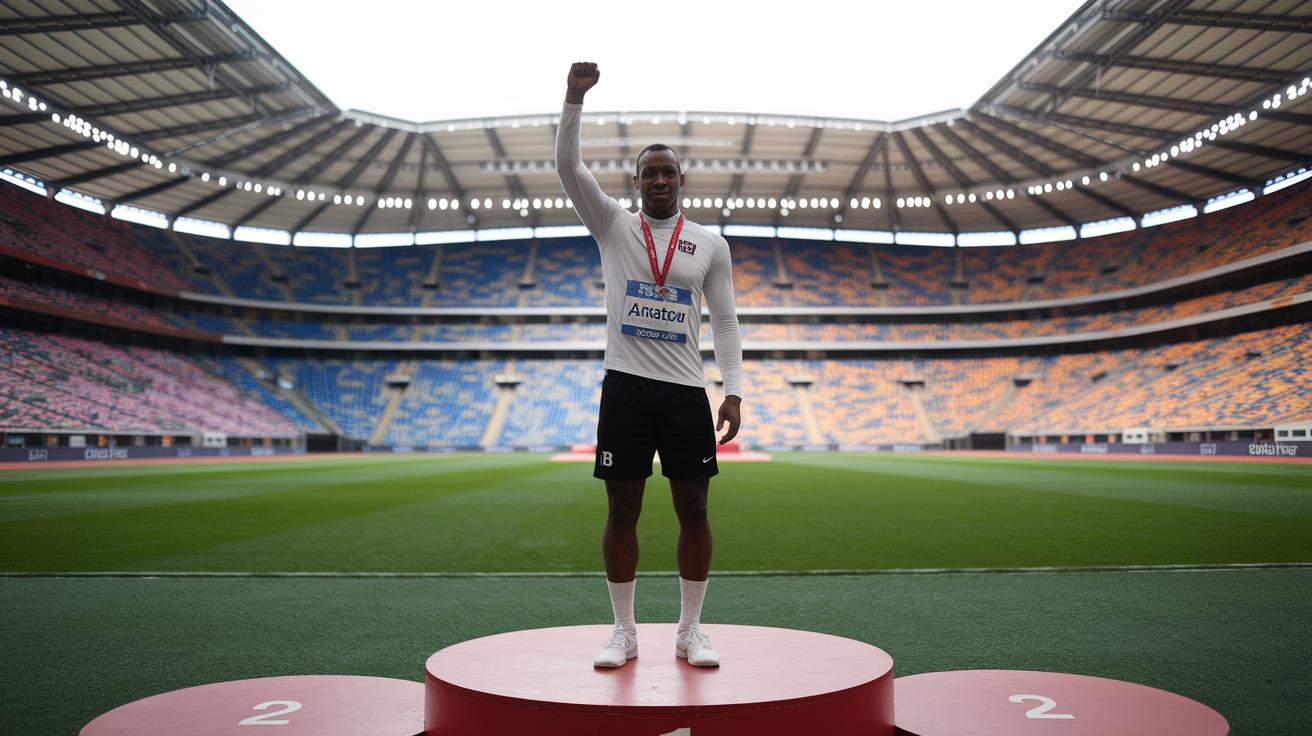
Remember the athletes who turned their on-field talents into powerful tools for justice. Their legendary feats not only dazzled crowds but also challenged unfair treatment and inequality. They broke down racial walls and stood up against political strife, creating a legacy that still inspires us. Have you ever felt that rush of pride when witnessing a moment of true courage?
Take Jesse Owens, for example. In 1936, his four Olympic gold medals spoke loudly against oppressive beliefs. Jackie Robinson stepped into Major League Baseball and changed the game by breaking its long-held color barrier. Then there’s Tommie Smith, whose raised fist during the national anthem at the 1968 Olympics captured the spirit of the civil rights movement. Arthur Ashe quietly championed social justice on the court, while Muhammad Ali's bold stance against war rallied voices for civil rights and peace.
| Athlete | Year | Action | Issue Addressed |
|---|---|---|---|
| Jesse Owens | 1936 | Won four Olympic gold medals | Challenging racial ideology |
| Jackie Robinson | 1947 | Broke Major League Baseball’s color barrier | Racial integration |
| Tommie Smith | 1968 | Raised his fist during the national anthem | Civil rights protest |
| Arthur Ashe | 1960s-70s | Advocated for social justice on the court | Racial and social justice |
| Muhammad Ali | 1960s-70s | Opposed the Vietnam War through outspoken protest | Civil rights and anti-war |
These trailblazers used their sports achievements as a launchpad for social reform. Their bold moves broke down old barriers and continue to motivate today’s athletes to speak out, both on the field and in daily life.
Contemporary Athlete Activists Driving Modern Movements
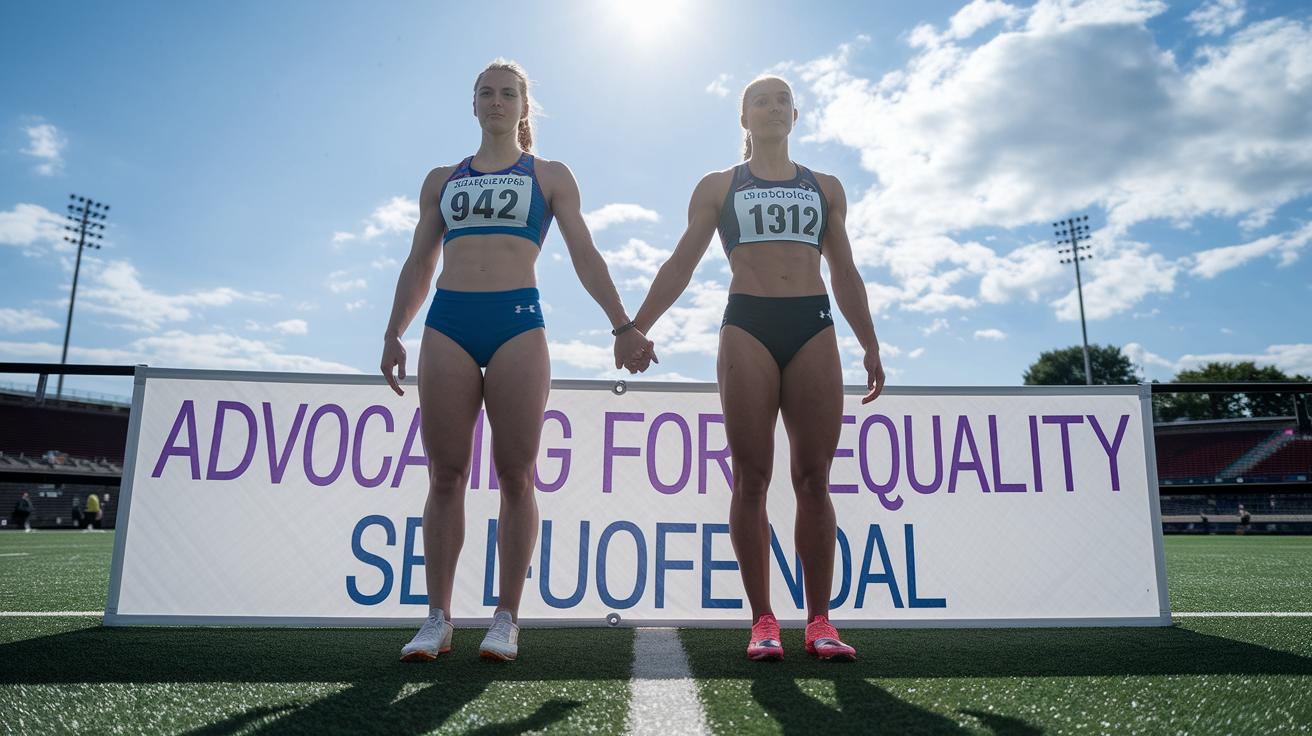
Since 2010, protests by NFL and NBA players have grown from landmark moments into full-blown campaigns demanding real systemic change. Those early actions laid the groundwork, but now we see movements that reshape how sports and social responsibility connect.
Women’s teams are taking the lead in fighting for fair treatment. Back in 2017, the US Women’s Hockey Team almost boycotted the world championships because of wage gaps. That bold move paved the way for a new collective bargaining agreement. Think about it, a united team action can force even long-held practices to change.
Individual stars are also stepping up. In the 2015 AFL season, Jimmy Bartel skipped his shave to spotlight domestic violence, showing that sports can shine a light on serious issues off the field. And in the world of professional basketball, figures like Brittney Griner and Layshia Clarendon have voiced strong support for transgender rights and LGBTQ+ inclusion. Their actions not only break the usual mold but also spark wider discussions about equality in sports.
Environmental and Community Advocacy Among Athlete Activists
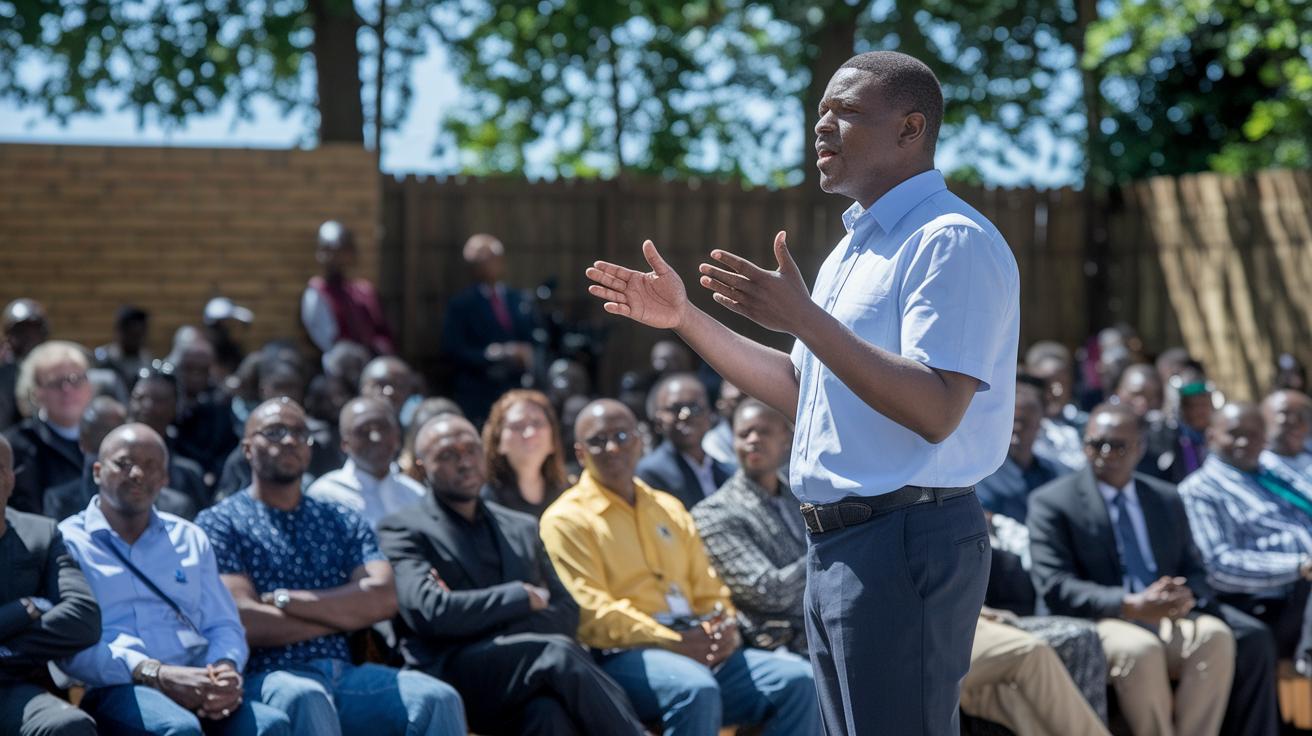
David Pocock is more than an athlete, he's a community champion fighting for our planet. In Zimbabwe, his climate action work brought locals together around better waste management. After a few community forums, local recycling programs jumped by 30% thanks to leaders taking charge. Pocock also pushes for women's sports and LGBT+ inclusion. Did you know? In 2019, one of his workshops sparked community discussions that changed local environmental practices.
Michael Long reshaped sports culture with his AFL protest against racial abuse and continues to fight for Indigenous rights. His bold actions led community leaders to start educational programs on Indigenous heritage, boosting local cultural events by 25% in just one year. Long's work has opened doors for initiatives that honor Indigenous voices and change cultural policies. Fun fact: One community festival ignited by his outreach drew over 500 participants, setting a new record for local celebrations.
Challenges and Controversies Faced by Athlete Activists
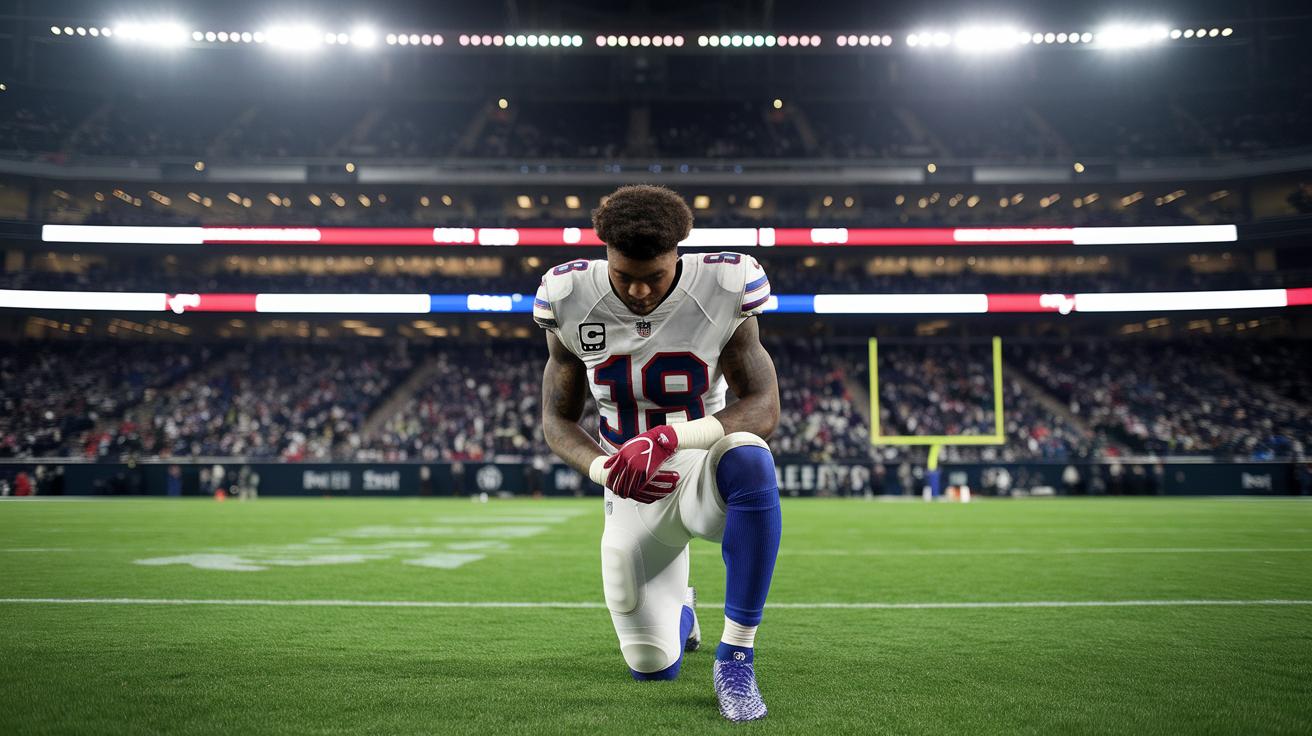
Athlete activists know the risks when they choose to speak up. Remember Colin Kaepernick in 2016? When he knelt during the national anthem, the backlash was fierce, and it almost ended his NFL career. Then there's Jimmy Bartel with his no-shave campaign that highlighted domestic violence. While many on social media rallied behind him, he also faced harsh criticism, fines, and even suspensions. These moves often lead to public boycotts and official penalties, reminding athletes that protest comes at a high personal price.
Media and fan reactions can swing wildly too. Take LeBron James and his "I Can’t Breathe" protest; it earned cheers from some corners and heavy criticism from others, even affecting sponsor support. Similarly, when the US Women’s Hockey Team hinted at boycotting world championships over wage discrimination, the media storm went well beyond sports, sparking national debates on fairness and respect.
Over time, high-profile protests start shaping long-term changes in sponsorships and rules. Controversial moves can force brands to rethink their support, sometimes leading to cutbacks in sponsorship or even campaigns for policy reform. Yet, these bold protests steadily shift league policies by keeping important issues in the public spotlight and influencing corporate and regulatory practices.
Lasting Impact of Athlete Activism on Sports Culture
Athletes stepping up have changed the game in more ways than one. Think of Nicky Winmar in 1993 when he boldly faced racial slurs, sparking strong anti-racism programs in the AFL. Or remember Cathy Freeman in 2000, whose Olympic cauldron lighting united a whole nation, showing us just how powerful sports can be at bringing people together. Even back in the 1960s, Bill Russell played a big role in school boycotts that pushed for better education reforms. Each of these moments changed how fans see their teams and influenced the rules and policies that guide sports today.
The ripple effect of these courageous actions continues to inspire fairness and change. Venus Williams, for instance, fought for equal pay at Wimbledon and helped push prize money reforms, setting a spark for fairness in sports. Their voices still drive global conversations about justice, making sports leagues think twice about creating more inclusive rules. This spirit motivates young athletes to get involved in advocacy, making sports a lively platform for social progress and community spirit. It’s like watching a game where every play matters, each example opening the door to fresh and bold ideas for a better tomorrow.
Final Words
In the action, we explored how bold athlete activists have challenged injustices, sparked social debates, and reshaped sports culture with clear, relatable accounts from historic to modern moments. We saw how icons from Pocock to Kaepernick used their platforms for change.
This recap ties together powerful initiatives, community engagement, and game-changing actions by athlete activists. The energy of these stories leaves us inspired and ready for more inspiring moves on and off the field.
FAQ
Q: Who is a sports activist?
A: A sports activist is an athlete who uses their public platform to address social injustice and inequality, actively speaking out against discrimination and rallying support for civil rights issues.
Q: Who are famous athlete activists today?
A: Famous athlete activists today include figures like Colin Kaepernick and LeBron James, who use their influence in sports to highlight issues of racial discrimination and social injustice on and off the field.
Q: Which athletes became noted civil rights activists?
A: Athletes such as Muhammad Ali, Jackie Robinson, and Colin Kaepernick became noted civil rights activists by challenging racial injustice and speaking out on social issues, paving the way for future movements.
Q: What football players have taken activist stances?
A: Football players like Colin Kaepernick have taken activist stances by kneeling during the national anthem, using their actions to protest racial oppression and demanding accountability for police brutality.
Q: Who are prominent female athlete activists?
A: Prominent female athlete activists are sports figures who champion causes such as gender equality, equal pay, and LGBTQ+ rights, using their visibility to encourage social change both inside and outside sports.
Q: Are there any books about athlete activism?
A: Books on athlete activism tell the powerful stories of sports figures who leveraged their careers to highlight social issues, providing valuable insights into how personal influence can drive meaningful change.