
Ever wondered if we’re missing something when we remember sports? Digital collections let us relive those incredible wins like never before. Instead of old, faded clippings and grainy films, we now have crisp photos and full-match videos that put you right in the middle of the game. It’s like having a playbook for history, each legendary moment is neatly organized so you can check it out with just a click. This archive not only brings back the thrill of unforgettable games, but it also serves as a trusted guide for sports records that keep fans inspired every day.
Centralized Repository for Digital Sports History

Think of this digital archive as your go-to playbook for sports history. Before digital archives took over, fans had to rely on faded newspaper clippings and old film reels to piece together legendary plays. Now, you can easily explore detailed photos, full-match videos, and original documents all neatly connected by clear timelines.
The site packs smart filtering tools that sort content by sport, era, and event. So, if you're looking for the records of a historic championship, you can quickly find exact dates, venue details, and even cost breakdowns. Each athletic moment, whether a long-forgotten gem or a recent thrill, is preserved in bright detail.
The structure of the archive mirrors that of famous collections like the British Library’s "What’s on" blog. Date-based archives and themed exhibits make it simple to browse through preserved sports moments. This approach not only brings the excitement of epic wins to life but also provides a trusted resource to verify game records, highlighting the legacy of our rich sporting history.
Structuring Multimedia Collections in a Digital Sports Archive
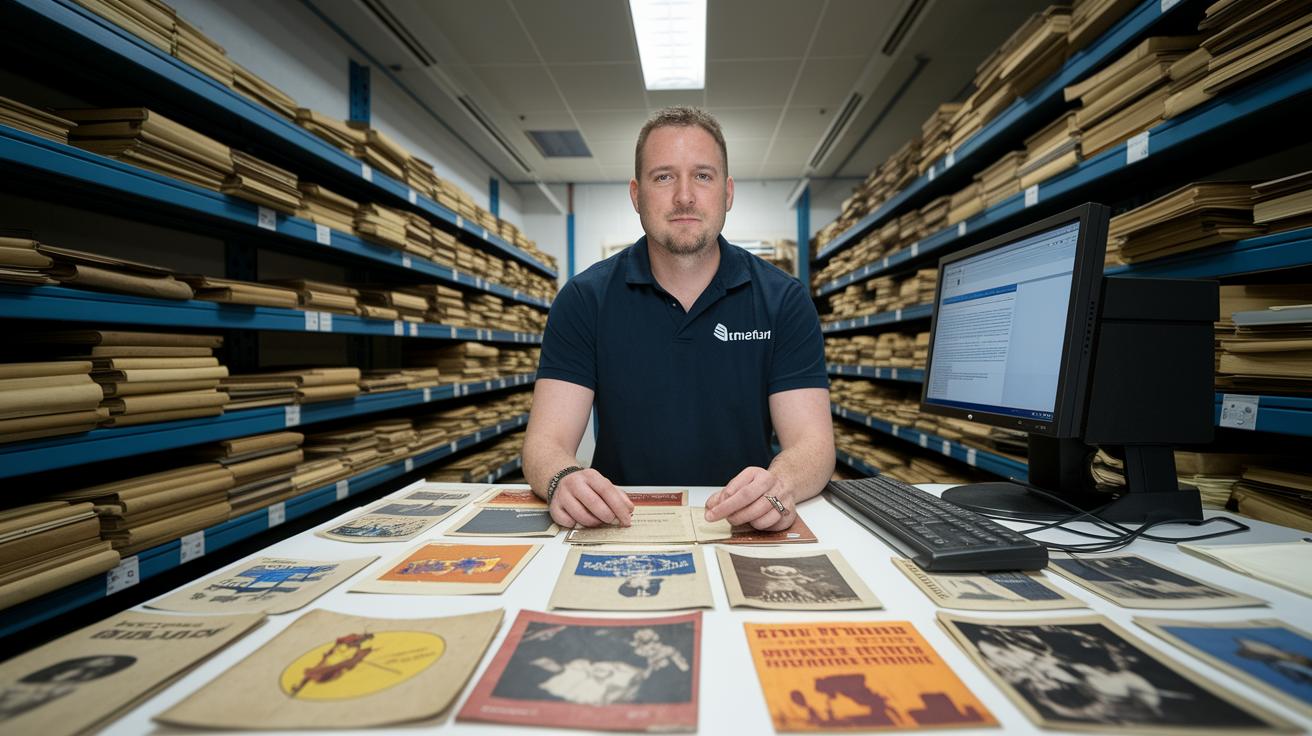
A great sports archive brings together a mix of primary sources, original documents, high-quality images, and full-match videos that capture those epic wins. It combines old-school items like scanned newspaper clippings with modern digital pieces like social media posts and digital programs. For instance, cataloging physical-to-digital artifacts in a solid sports memorabilia database means every bit of history is preserved with all its context.
The archive also features themed exhibits that really make history come alive. Imagine exploring an advent calendar filled with iconic matches or interacting with displays that feel like a mini sports museum. The UK Web Archive blog by Helena Byrne is a perfect example, showcasing resources from events such as the Women’s World Cup 2025. Adding a collection of archived game footage with full match replays and highlight reels makes the experience even more exciting. This approach not only makes research a breeze but also turns it into a fun, hands-on journey where every fan and researcher can relive the thrill of a big win as if they were right there in the action.
Metadata Standards and Search Features for a Digital Sports History Archive

Digital sports archives work a lot like a well-organized playbook. Each record is tagged with details so that every epic moment stays in the spotlight. Every entry lists key information like the sport, team, athlete, venue, and date. This tagging makes it easy to sift through old plays, much like calling the perfect play in a tight game. Say you're hunting for that buzzer-beating shot: a quick search will pull up exactly what you need.
Advanced search tools let you use keywords, choose date ranges, or even filter by the size of a venue. Imagine being a fan on the hunt for games played in a certain arena. The system quickly serves up the right records because everything is neatly organized. Plus, a digital analytics platform shows how often certain terms come up and how popular they are. This extra insight adds even more depth to exploring sports history.
| Metadata Field | Example |
|---|---|
| Sport | Basketball |
| Team | Lakers |
| Athlete | LeBron James |
| Venue | Staples Center |
| Date | December 25, 2022 |
Overall, the archive uses consistent vocabularies and controlled lists to keep data accurate. This approach makes research smooth for both dedicated historians and passionate fans.
User Access, Interface Design, and Navigation in Digital Sports Archives
Fans jump right into a tidy online sports archive that makes it a breeze to find those legendary game moments. The main menu is simple and organized by sport, while easy-to-use era selectors help you quickly browse through classic plays. The platform also welcomes contributions from the community, letting you upload scans of memorabilia or share firsthand accounts, so the archive grows with every fan's story.
Navigation is built with clear, interactive tools designed to feel just like a live game. Imagine an advanced filter that sorts by sport, date, and venue; a timeline slider that lets you jump to your favorite era; a speedy keyword search to pull up big moments; and themed collections that shine a light on celebrated victories. It all makes exploring both digital and physical archives feel welcoming and effortless.
The digital experience mirrors support for physical archives too. You’ll find clear guidance on using on-site workstations and useful details like appointment times and opening hours. Meanwhile, regular blog updates, a “What’s on” calendar, and well-organized event lists keep you in the loop about upcoming exhibitions and events. This thoughtful design ties the past and present together, making it easy for fans, researchers, and casual visitors to relive historic sports moments.
Preservation and Digitization Workflows for Athletic Event Records in a Digital Sports Archive

Document Scanning and OCR
Old-school papers like newspapers, scorecards, and athlete contracts are captured at 600 dpi with top-notch scanners that don’t miss a single detail. Then, thanks to optical character recognition (a tool that turns printed text into digital words), these documents become entirely searchable. It’s like taking a classic game write-up and making it as accessible as your favorite highlight reel.
Video and Audio Restoration
Vintage broadcast tapes get a digital makeover, transforming into brilliant 4K files that keep every vibrant color and intricate detail of those historic matches. Specialists use tape-to-digital codecs to capture those analog moments, then adjust colors meticulously to stay true to the original feel of the game. Audio tracks are handled with just as much care, cleaned up to banish hisses and dropouts, leaving you with crisp, clear commentary and the authentic roar of the crowd that makes every win unforgettable.
Born-Digital Resource Integration
Digital files like social media clips, online articles, and digital programs slide into the archive with all their original metadata intact. Every post, tweet, or article is carefully linked back to its source, much like confirming the lineup before the big game. Experts double-check details against venue records and published stats, ensuring every fact is spot on. This blend of physical and digital elements creates an archive that lets fans and researchers relive the electrifying moments of athletic triumphs over and over again.
Emerging Technologies and Trends in Digital Sports History Archiving

Artificial intelligence and machine learning are driving a wave of new digital sports record tools. These smart systems tag details and recognize images, making every memorable play easy to find. Imagine a tool that snaps a game-winning moment and instantly logs the date, players, and location. It really feels like stepping into the future of sports analytics.
Interactive timelines and virtual reality displays turn browsing into an exciting adventure. Picture yourself exploring a VR museum where historic games come alive as if you were on the field. It’s like reliving your favorite sports moments in the most vivid way.
Fans and researchers add to the fun by uploading their own digital clips, photos, and documents through simple portals. This community effort turns the archive into a living record of sports achievements. At the same time, predictive analytics help curators spot missing pieces and decide what to digitize next.
This mix of cutting-edge technology and lively community input not only keeps the past alive but also changes how we enjoy sports history today.
Final Words
In the action, we explored a digital sports history archive that showcases a well-organized repository of photos, videos, and documents paired with clear timelines and user-friendly search tools. We outlined how multimedia collections, metadata standards, and intuitive navigation are woven together to bring historic athletic events to life. Our review touched on the art of digitization and emerging tech that preserves treasured sports moments. It's a celebration of the past and a look ahead at what lies next in this digital sports history archive.