
Ever think about how some athletes tackle challenges most of us wouldn't even imagine? Para athletes step onto the field ready to defy expectations, time after time. They use their own unique abilities, showing off strength, grit, and a lot of determination.
Their journey, whether at local meets or big international events, blends smart training with a balanced classification system (basically rules that keep competitions fair). In short, this post dives into what makes these athletes so versatile while catching you up on the latest inspiring news in adaptive sports.
Defining a Para athlete: roles, eligibility, and Paralympian distinction
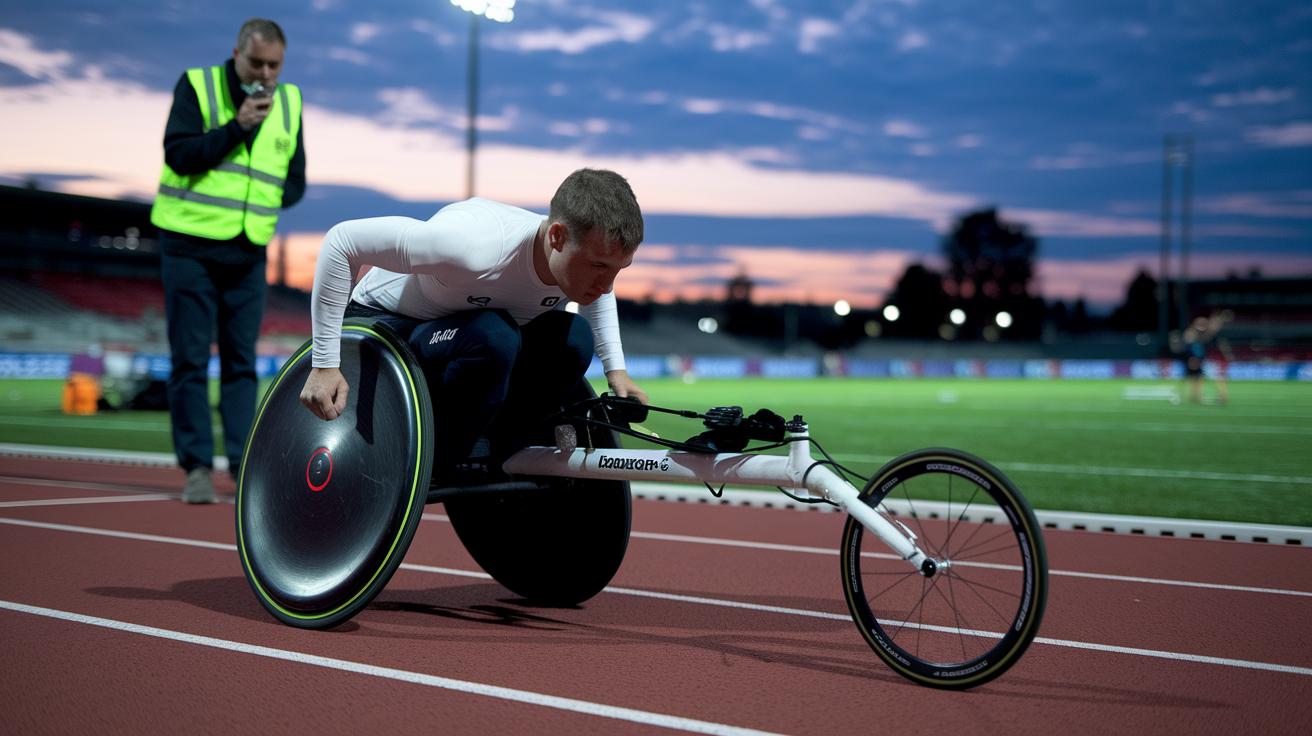
A para athlete is someone with a disability who competes in sports designed for different functional abilities. Picture an athlete who faces life's challenges head-on and still pulls off incredible feats on the field. Common conditions include paraplegia, tetraplegia, amputations, visual impairments, cerebral palsy, intellectual disabilities, and short stature. Each one shapes a unique set of strengths, and with tailored training, these athletes turn what some see as limits into their secret weapons.
Then there are the Paralympians, a special group of para athletes who have gone through rigorous qualifiers to earn their spot at the Paralympic Games. Imagine starting out in local competitions, working hard, and eventually stepping onto an international stage, all while overcoming hurdles along the way. Their journey is a true story of perseverance and triumph, making them stand out from the rest.
Classification is like having a fair referee on the field. It’s a process that checks how an impairment affects an athlete’s performance and puts everyone into the right competitive category. This careful system keeps the game balanced by ensuring that every competitor gets a fair shot based on their unique abilities.
Reaching the Paralympic stage is all about persistence, smart training, and continuous improvement. Emerging para athletes work tirelessly to sharpen their skills and navigate the classification process, laying the groundwork for amazing performances and inspiring stories in the world of adaptive sports.
Para athlete classification system overview
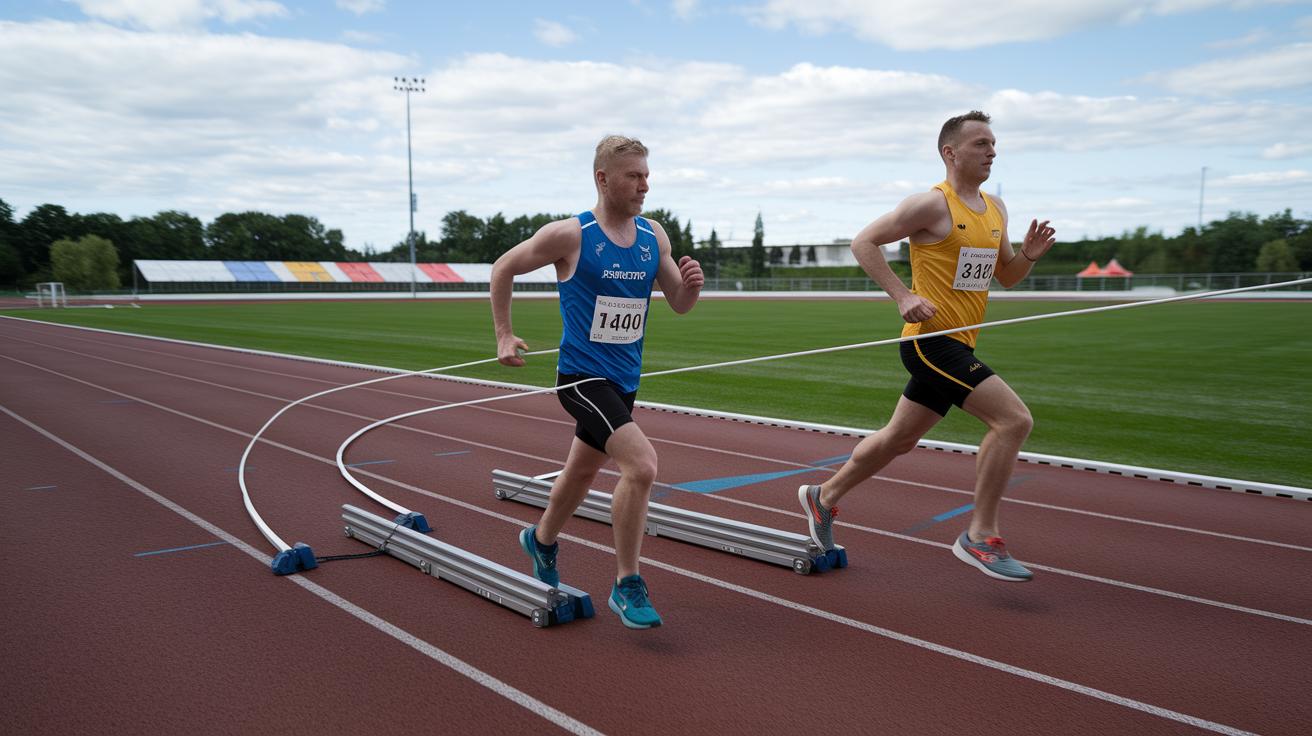
Classification is the heart of fair play. It makes sure every athlete competes on an even field following IPC standards. The system works in three steps: an initial look, a performance review, and regular check-ins. Did you know that during the performance review, a visually impaired runner and his guide synchronize their strides so well on an 8-lane track that every turn is spot on? It really shows how teamwork transforms challenges into achievements.
Categories cover a wide range of athletes. From wheelchair athletes and visually impaired competitors who partner with guides, to amputees using prostheses and those with intellectual disabilities, each group follows strict rules. National federations and the IPC carefully enforce these guidelines with precise documentation and medical checks. Imagine an amputee undergoing detailed testing on their prosthesis, making sure it performs like it should right in the heat of competition.
Evaluating each athlete's impairment is key to keeping the game fair. This detailed review makes it possible to adjust standards to fit the unique hurdles each competitor faces. Regular updates to the assessments keep the system current in the ever-changing world of adaptive sports. This ensures that both emerging talents and seasoned icons enjoy their moments in the spotlight, making every match as thrilling as a nail-biting finish.
Para athlete competitions and international events
The international stage for para sports is a true celebration of skill and determination. At the Tokyo 2020 Summer Paralympics, held from August 24 to September 5, 2021, around 5,000 athletes from 163 countries came together to show what they’re made of. China led the medal count, while the US landed in fourth place, a testament to how these athletes turn challenges into moments of pure inspiration.
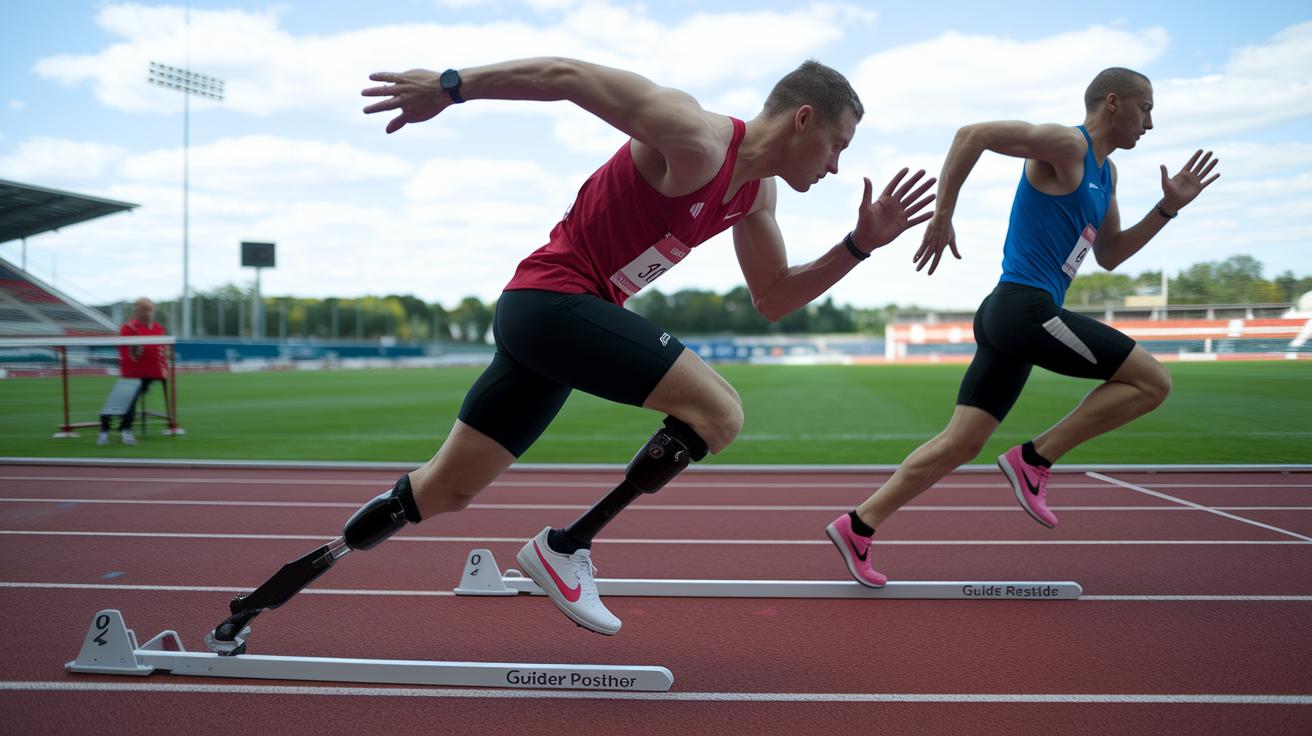
In track and field alone, para athletics makes up over 30% of the entire Paralympic program. About one in four of the competitors takes part in these events, a tradition that started back in 1960. Imagine a runner using a specially designed prosthesis or a visually impaired athlete running in perfect sync with their guide on an 8-lane track. Every performance tells a story of hard work and creative adapting on the fly.
Looking ahead, the road is paved with more thrilling events. The Summer Paralympics in Paris 2024 and Los Angeles 2028 are set to light up the world with their energy, while the Winter Paralympics, like the Milano Cortina 2026 Games, will showcase six adaptive sports such as skiing, ice sledge hockey (a form of hockey for athletes with physical disabilities), and wheelchair curling.
Global rankings, updated with every record and medal, capture the heart of the competition, making sure that every incredible moment shines on the world stage.
Para athlete: Vibrant Icons & Latest News
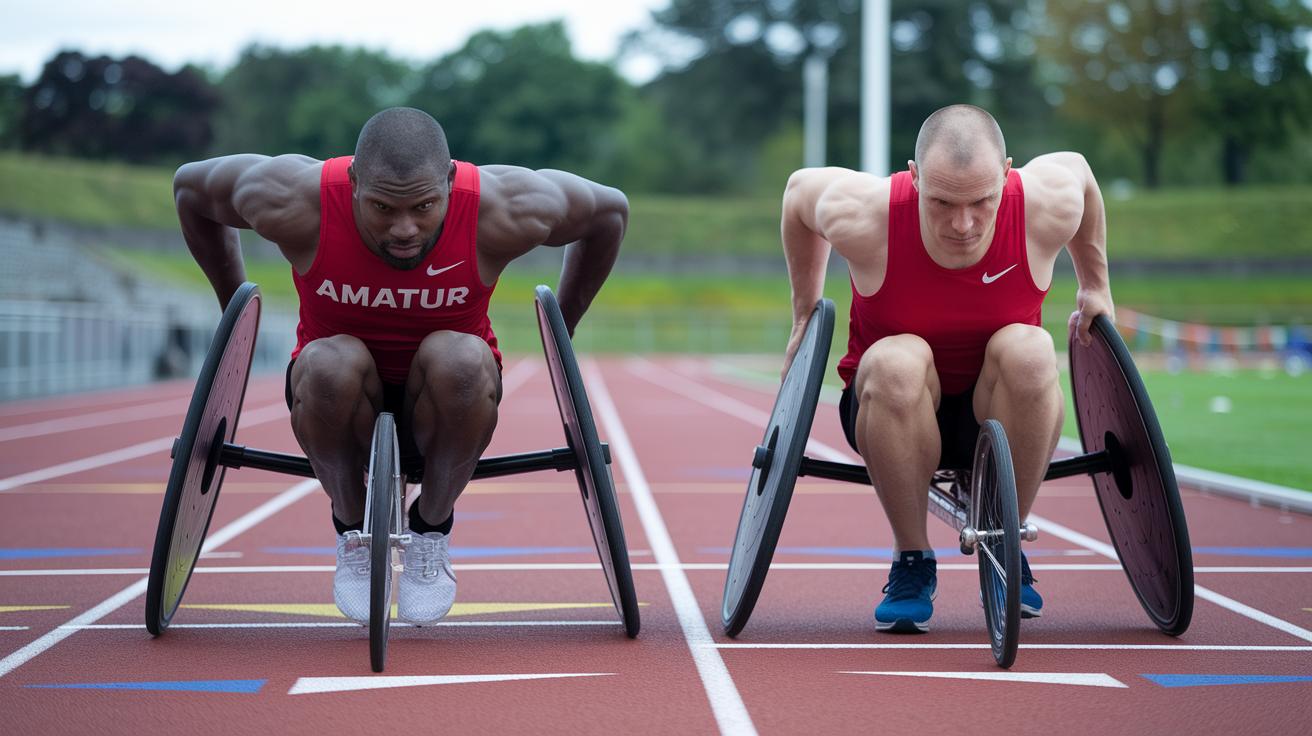
Para athletes work hard every day, blending strength workouts with adaptive drills and sport-specific techniques, like modified high jump moves. They begin with focused exercises designed to boost muscle and endurance while addressing the exact needs of their sport. Imagine a coach saying, "Start with a cool twist: one athlete turned a basic warm-up into a powerhouse routine by adding special high jump drills that sharpen agility and boost explosive power!" This hands-on method helps them perfect every move.
Coaches play a key role in this journey. They team up with athletes to fine-tune wheelchair racing form, adjust prosthesis use, and coordinate guide-runner techniques for those with visual challenges. Picture a coach walking a runner through drills on an 8-lane track, each step practiced until it feels as smooth as a well-rehearsed play.
Sports medicine is crucial too. Training plans mix injury prevention, rehab strategies, and smart nutrition plans. Think of an athlete who follows a regimen filled with injury-prevention drills and a healthy meal plan, as if every bite is a strategic play contributing to a winning season.
Mental toughness is also front and center. Athletes add mental conditioning exercises to their routine, building the confidence they need before stepping onto the field. Community support, like group sessions and casual check-ins, keeps their energy high and spirits lifted. Together, this mix of physical, technical, and mental training shapes vibrant icons who are ready to set records and share the latest inspiring updates in adaptive sports.
Para athlete success stories and inspirational achievements
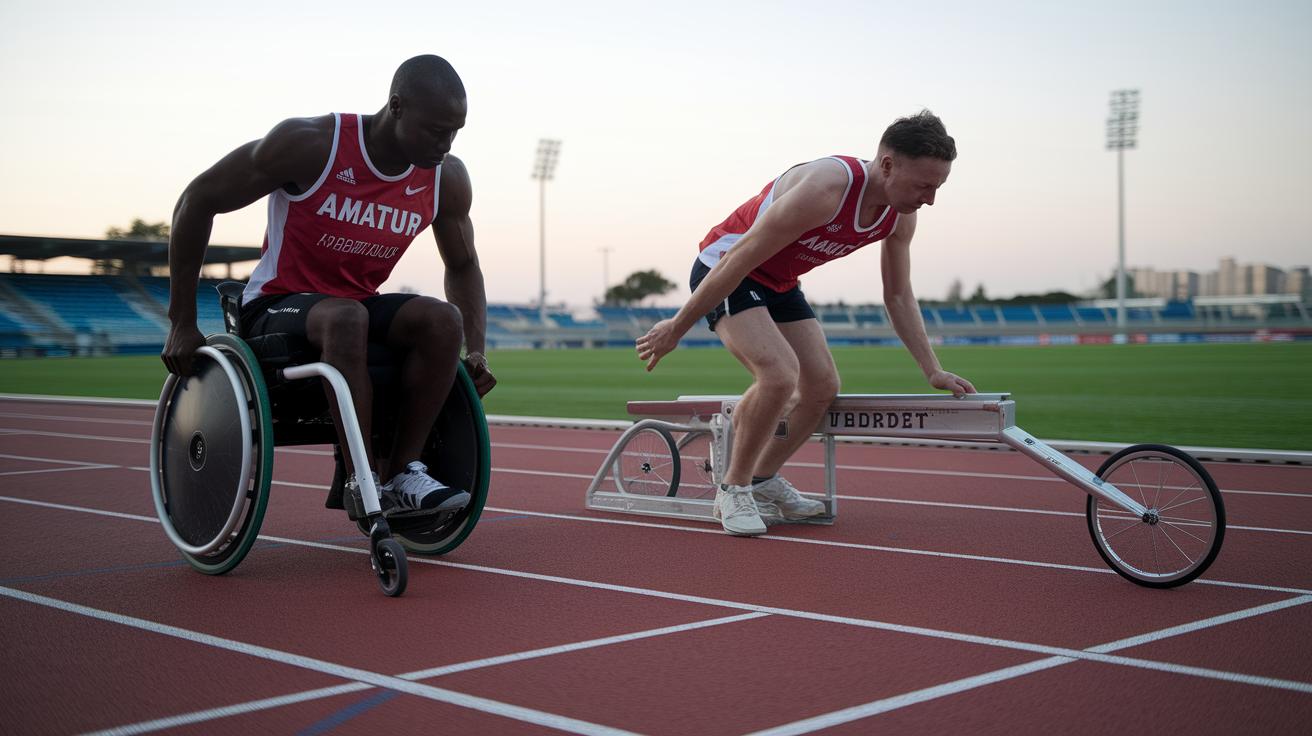
Some athletes use smart strategies with their guides to add a fresh twist to familiar success stories. For instance, one record-setting runner teamed up closely with their guide to perfect a new training drill. Imagine the crisp early mornings, where the athlete ran relay-style drills every day to sharpen their timing and build a tight bond with their guide.
This cool detail rounds out the bigger picture of coaching, teamwork, and the steady climb from local meets to international fame.
Para athlete adaptive equipment and technological innovations
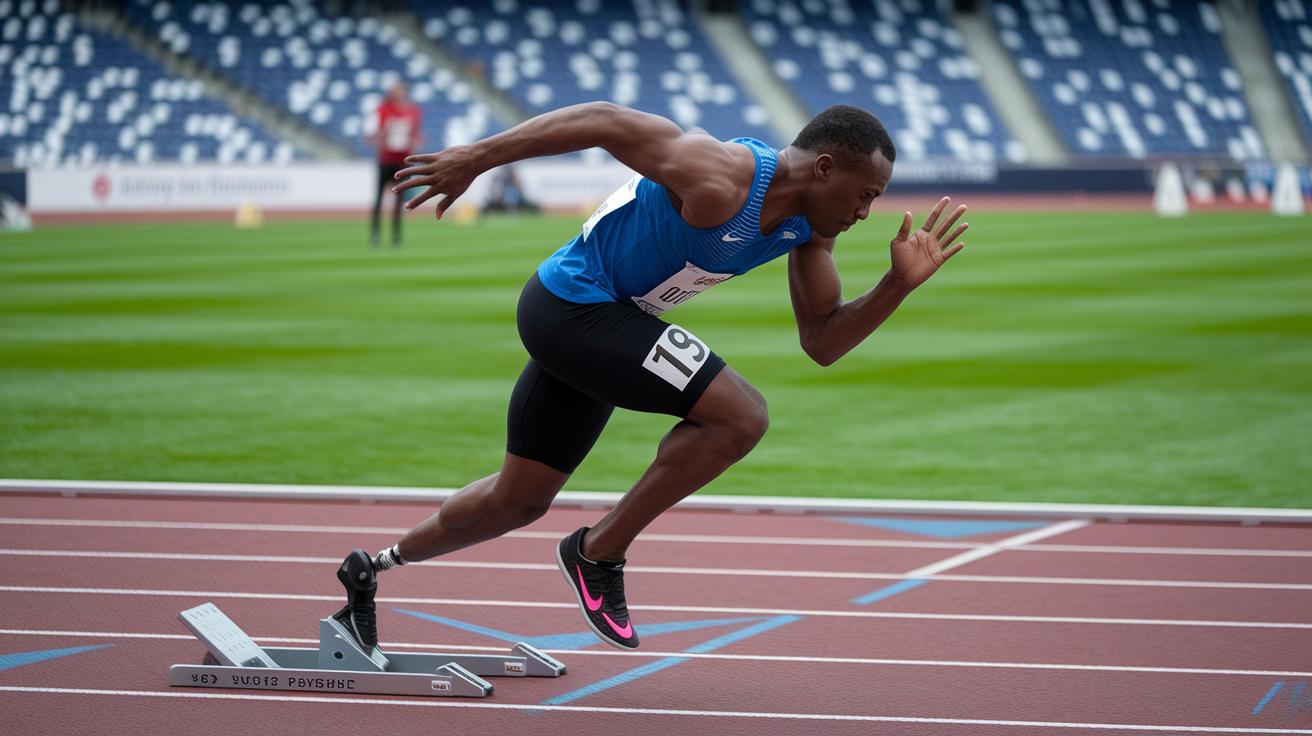
Adaptive equipment and tech upgrades are changing the game for para athletes competing at top levels. Imagine a runner sprinting off the blocks with a custom prosthetic designed just for him, it’s like turning an ordinary practice into a record-breaker. These smart prostheses mimic natural movement, giving athletes a boost in sprinting, jumping, and field events.
Take the new Mondo track at Stade de France for example. Since 1972, this track has witnessed 300 world records, and it stands as a clear sign that thoughtful innovation enhances performance. Engineered to maximize an athlete’s potential while keeping safety first, it plays a huge role in pushing the limits. And let’s not forget adaptive gear like specially built wheelchairs for basketball and soccer. These machines are designed to be responsive and strong, while guide-support systems offer visually impaired runners the precision and confidence they need.
Thanks to ongoing studies in biomechanics and sports science research, every new piece of equipment is getting better and safer. One para athlete even shared that trying out new gear turned his routine into an electrifying, game-changing experience.
Para athlete eligibility verification and documentation standards
Medical assessments, functional tests, and detailed impairment records still form the backbone of athlete classification. Now, athletes can submit their documents securely online, and our system automatically checks these against stored medical records. This digital update makes the process faster and cuts down on mistakes while keeping the trusted testing methods intact.
Another cool feature is the real-time data tagging during uploads. For example, before an athlete’s report gets the final nod, our system flags any odd details right away so nothing slips through.
National federations now run digital audits to ensure every document meets strict authenticity checks. This fresh approach helps guarantee fairness in every competition.
Para athlete development programs and community support
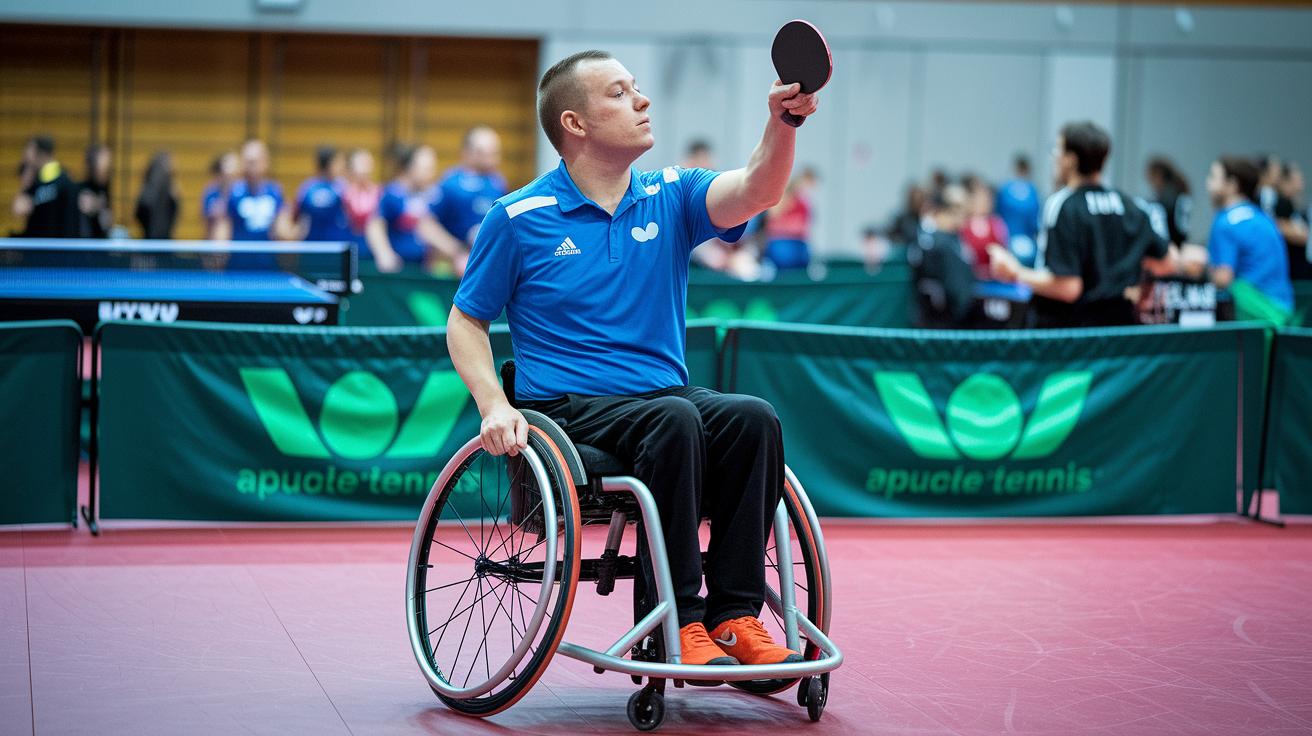
Community support programs play a big role in helping para athletes grow and succeed on the international stage. Thanks to government grants, trusts, foundations, commercial partnerships, and donations, pilot programs give athletes the right tools and venues to sharpen their skills. For example, activities like para table tennis in Canterbury, Waikato, and Auckland, along with an engaging 8-week “Serve, Spin, Smash!” course, welcome people of all ages and abilities to try adaptive sports.
Athletes and coaches also have easy access to key resources such as FAQs, policy guides, anti-doping information, and membership perks. These tools help build important skills and make it simple to get familiar with the details needed for top play. On top of that, community outreach creates training venues that meet adaptive event standards, connecting new talent with experienced competitors.
Key funding sources include:
- Government grants
- Trusts and foundations
- Commercial partnerships
- Donations
Meanwhile, advocacy programs work hard to build networks of support and boost awareness. With these growing initiatives, local participation is opening doors to international adaptive sports events, setting the stage for a future filled with inspirational para sports icons.
Final Words
In the action, this article outlined what defines a para athlete, covering roles, classification, competitions, and adaptive equipment. It brought to life the blend of detailed analysis and real sports passion.
We touched on training methods, inspiring success stories, and solid community support that help shape every para athlete's accomplishments. The insights shared, from eligibility checks to game-changing innovations, remind us that sports history and current analysis go hand in hand. Every para athlete stepping up sparks hope and excitement for the future.
FAQ
What is a para athlete and what does “para” mean in sport?
The term para athlete refers to an individual with a disability who competes in sports, with classifications ensuring fair play. Their participation spans many events, often leading to Paralympic qualification.
How are para athletes classified for competition?
Para athletes are evaluated through a three-phase process—initial assessment, performance trials, and periodic re-evaluation—to verify their impairment and ensure they compete on a level playing field based on documented medical standards.
What events do para athletes compete in, including upcoming championships?
Para athletes take part in a wide range of track and field events, among others, at international competitions like the World Para Athletics Championships and upcoming events scheduled for 2025, which highlight global participation.
Do para athletes make money through their sport?
Para athletes can earn money through sponsorships, endorsements, and prize funds. While their financial support may differ from mainstream athletes, many build successful careers on and off the field.
How are para athlete rankings and lists maintained?
Ranking systems, such as the World Para Athletics Rankings, organize athletes based on performance, medal counts, and records, while comprehensive lists classify competitors by event and impairment category for fair international competition.
How do you pronounce “para athlete”?
When saying “para athlete,” it is pronounced as “PEHR-uh ATH-leet,” with clear enunciation that respects the term’s definition and inclusiveness within the sporting community.
Why are Paralympians not allowed to use the Olympic rings?
Paralympians use a distinct symbol that honors their unique sporting tradition. The Olympic rings are reserved for the Olympic Games, separating the identities of the two international sporting movements.