
Ever wondered what happens before a sports star steps in front of the camera? Behind every interview, there’s a hidden world where careful planning meets heartfelt passion. Every little detail, whether it’s reviewing the script or perfecting the lights and sound (the setup that makes everything shine), comes together to create a flawless moment. It’s a lot like planning a winning play; every person on the team has an important role in capturing that raw, unforgettable energy. Today, let’s dive into how this behind-the-scenes magic turns a simple interview into a broadcast that truly stands out.
Behind the scenes of sports interviews: Amazing Insights
Imagine stepping into a bustling production room where every detail matters to create a perfect broadcast. The team kicks off with about 90 minutes of pre-interview work that covers everything from script reviews and lighting tests to careful sound checks. It’s a bit like putting together a puzzle – each element, whether lighting or audio, needs to slot in perfectly before the cameras start rolling.
A typical crew includes one producer steering the overall operation, two camera operators capturing various angles, one audio engineer keeping the sound sharp, and one gaffer setting up the perfect lighting. Each role is essential, and everyone works in sync to make sure that all the pieces come together during that critical moment on camera.
Before the interview even begins, the team follows clear guidelines to fine-tune their question approach and stay within broadcast standards. Interviewers use active listening and a set of core questions, sometimes guided by tips like "how to conduct a sports interview." Once the session is complete, compliance and PR teams screen the footage so that the final 12-minute segment fits perfectly within network rules.
All these pre-interview steps – from technical rehearsals to last-minute tweaks – help capture the raw energy of the athlete’s story without missing a beat. It’s a behind the scenes look at how a dedicated production team turns everyday moments into broadcast magic.
Pre-Game Logistics and Planning for Sports Interviews
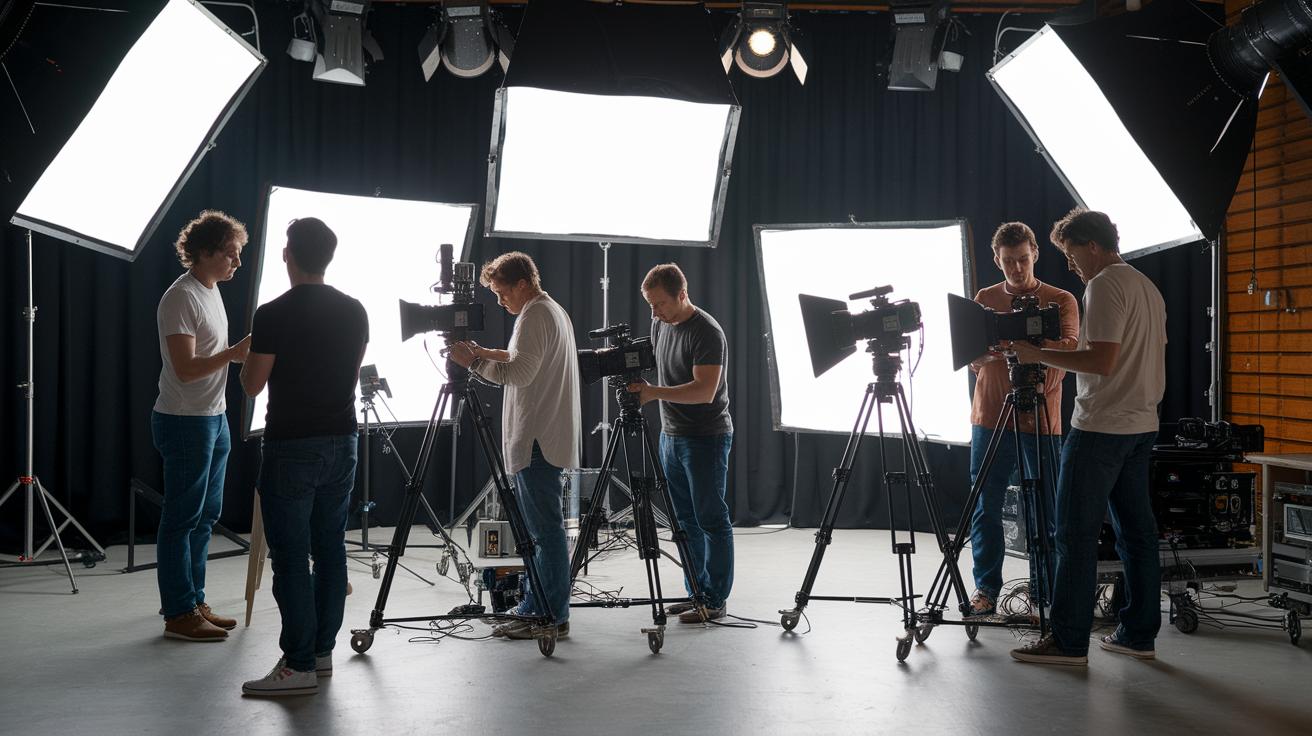
Production teams use a detailed checklist to make sure everything runs like clockwork. They verify the interview spot 48 hours ahead to dodge any last-minute hiccups. One team puts it simply: "Before stepping into the recording room, we double-check that our location is set and ready for the spotlight."
Then, about two hours before showtime, they run a quick technical rehearsal. This practice ensures the lighting, sound, and camera angles are all set, kind of like running a play where every move matters.
Next, the crew spends an hour fine-tuning the question scripts. Although interviewers have a set list of core questions, they’re always ready for any unexpected athlete insights. As one coach mentioned, "A solid script is our playbook, even when the game throws in unexpected moves."
Finally, publicists coordinate athlete arrival times so every player is exactly where they need to be. And, sporting networks leave a 15-minute buffer between interviews and live coverage to keep the flow smooth.
- Confirm interview location 48 hours before
- Run a technical rehearsal 2 hours before the show
- Finalize question scripts 60 minutes before taping
- Coordinate athlete arrival times via publicists
Key Roles in Sports Interview Production Teams
Behind the scenes, a dedicated crew turns sports interviews into unforgettable stories with smooth teamwork. The producer is like a coach, managing content and timing so every moment counts. Meanwhile, the director brings a creative spark to the set by carefully picking the right camera angles to tell a complete story.
Next, a skilled camera operator captures all the exciting action while the audio engineer fine-tunes the microphones to keep the commentary crystal clear. The gaffer works hard to set up lighting that highlights every important detail on screen. And the production assistant handles everything from cue cards to quick errands, ensuring nothing gets overlooked.
Before the cameras start rolling, the whole team meets for a quick 10-minute huddle, a final play review where each member confirms their role and gets ready for the big moment. It's that final boost of confidence that sets the stage for an amazing interview.
- Producer: Manages content and timing like a savvy game strategist.
- Director: Chooses the perfect shots to bring the story to life.
- Camera Operator: Captures dynamic, multi-angle footage.
- Audio Engineer: Adjusts sound levels for clear, engaging commentary.
- Gaffer: Sets up lighting to enhance every visual detail.
- Production Assistant: Handles cue cards and essential tasks on set.
- Pre-roll Team Huddle: A brief 10-minute meeting to align everyone's role before recording.
Athlete and Interviewer Dynamics On-Set
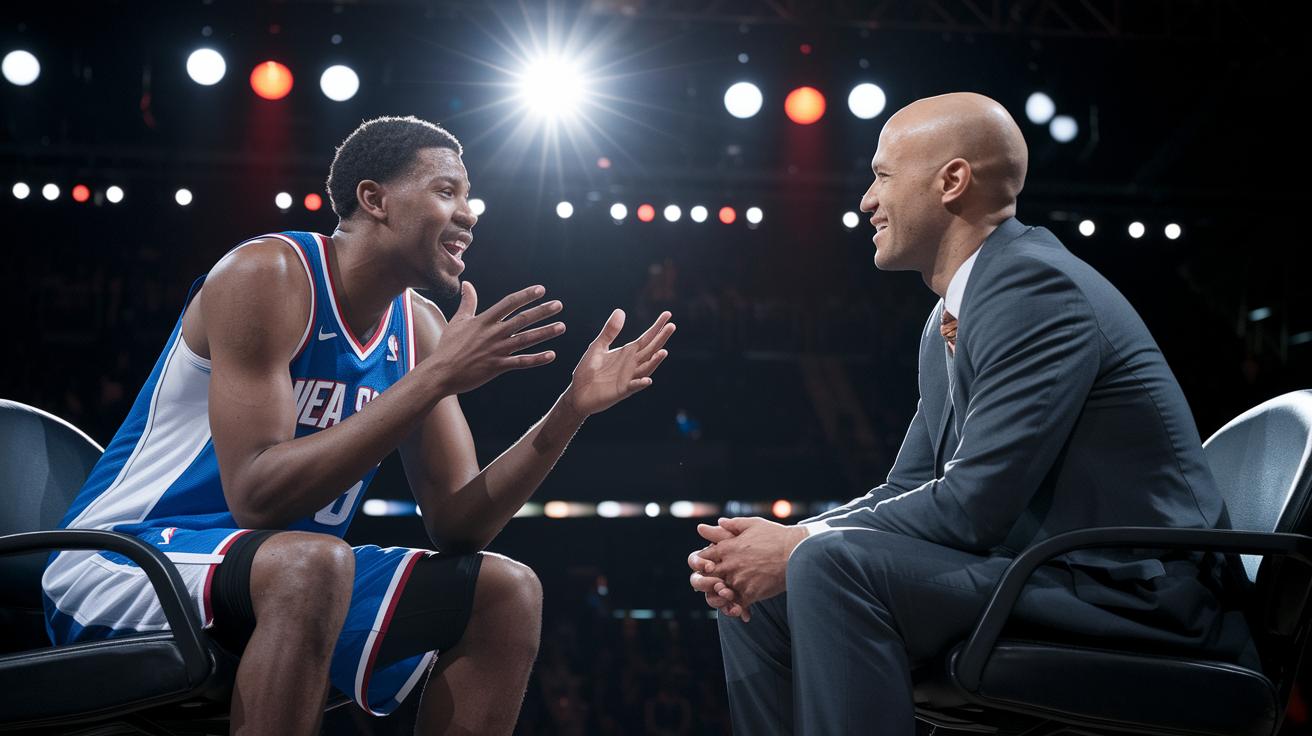
On the set, you can feel the buzz as athletes and interviewers mix planned questions with off-the-cuff insights. Athletes jump in with quick, energetic observations that turn a regular interview into a lively exchange. Interviewers stick to their five main questions but listen intently, just like a quarterback eyeing an open receiver.
I remember one standout moment when an NBA player casually shared a celebration story that quickly went viral. These spur-of-the-moment exchanges reveal different sides of an athlete, something a fixed script might not show. For example, when a player casually mentions a childhood routine, the interviewer may dig deeper and turn a simple answer into a memorable story.
Interviewers often give tips to newer professionals, reminding them to follow the flow of the conversation. Their advice is simple: if you hear something surprising, like a player admitting to a pre-game ritual, explore that further. This keeps the dialogue fresh and real, making the final piece feel more engaging and relatable.
For more tips, check out the advice on sports interview questions for preparing follow-ups and keeping the chat natural.
Technical Setups: Lighting, Sound, and Camera Details
Production teams depend on spot-on tech setups to capture that perfect interview during live sports. They use LED panels set at 5600K for smooth, even lighting. This setup cuts down on heavy shadows and shows every athlete’s expression clearly. One technician even compared it to painting with light, where a balanced beam makes the star of the show truly pop.
Sound is just as important. Shotgun microphones are placed just 12 inches from the athlete, so every word and reaction comes through crisp and clear. Wind-screened lavalier mics are used to handle the background roar of the stadium, letting natural cheers enhance the interview without drowning it out.
Camera work plays a big role too. Teams choose a 50mm lens on DSLR-style cameras to create a shallow depth of field. This means the background is softly blurred, making the athlete’s story stand out brilliantly. There’s even a 15-minute window during rehearsals to check levels and pull focus, ensuring every shot is as clear as a perfectly tuned instrument.
Imagine this: as the lights shine and the mics catch every word, the crew does a final checklist like a well-rehearsed play, making sure every detail from lighting to sound is perfectly in tune with the live action.
Post-Interview Editing and Broadcast Preparation
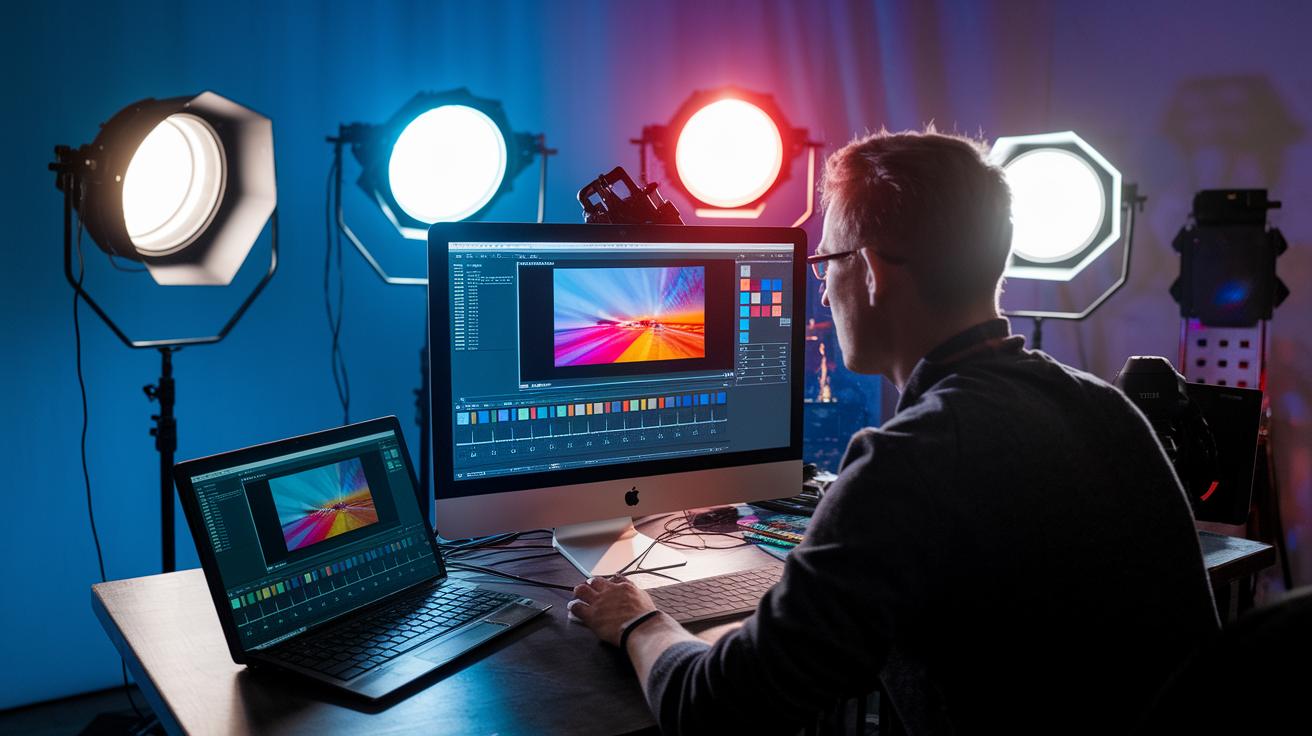
Once the cameras stop rolling, the editing crew jumps in to turn raw footage into a seamless, game-ready segment. First, they trim a 20-minute recording down to a neat 12-minute piece. They add clear lower-third graphics that show athlete names and key stats, adjust the colors to match broadcast standards (Rec.709), and balance the audio to -24 LUFS so every word and sound comes through crisp and clear.
Next, the editors work quickly to enhance the piece by inserting highlight clips and extra B-roll within just 30 minutes after recording. As one technical editor put it, it’s like chiseling a statue from rough stone, where every cut brings out the final masterpiece. This careful, step-by-step process is essential for capturing the energy of the live event.
Then, before the segment goes public, the team reviews every cut and graphic with a fine-tooth comb. They make sure each transition flows smoothly and that the athletes’ genuine emotions shine through on screen. The final 12-minute segment blends raw athlete insight with polished media quality, keeping the authentic energy of the moment intact.
Finally, the complete piece heads for one last hurdle: the approval process. It’s submitted to network servers and must get a green light just 10 minutes before airtime, finalizing its transformation from live capture to broadcast-ready interview.
Final Words
In the action, this article unraveled the full production workflow, from pre-game preparations and crew dynamics to technical setups and post-interview editing. It showcased the coordination between athletes, interviewers, and behind the scenes of sports interviews teams that work to transform raw moments into polished segments. The breakdown of roles and real-time interactions adds a clear picture of how each detail counts. Every stage links back to a shared passion for sports, celebrating both the strategy and spontaneity that make each interview memorable.
FAQ
Q: What do behind the scenes of sports interviews on YouTube reveal?
A: Behind the scenes content shows how teams set up interviews with script reviews, lighting tests, and candid moments that capture both professionalism and funny off-script reactions.
Q: What is a YouTube sports interview?
A: A YouTube sports interview is a video segment where athletes or sports figures discuss their experiences, combining polished production with live, genuine interactions during filming.
Q: What can I learn from watching Larry the Cable Guy interviews and related videos?
A: Larry the Cable Guy interviews often mix humor with insight, featuring lighthearted pre-show moments and engaging on-camera dialogue, all found on popular video sites like YouTube.
Q: What is notable about the No Country for Old Men interview?
A: The No Country for Old Men interview stands out for its detailed discussion and unique storytelling style, offering viewers a closer look at the creative process behind the project.
Q: What are the best interviews of all time?
A: The best interviews combine authentic stories with smart question timing and expert production, leaving fans with memorable moments that highlight genuine human connections.
Q: What are some good interview questions for sports?
A: Good sports interview questions tap into personal insights and quick reactions, mixing planned core queries with spontaneous follow-ups to capture real, engaging athlete stories.
Q: What is an example of a sports interview?
A: A great sports interview might feature an in-depth conversation where an interviewer uses a few core questions while allowing spontaneous athlete reactions, blending planned segments with genuine moments.
Q: Where can I watch Graham Bensinger’s interviews?
A: Graham Bensinger’s interviews can be found on broadcast networks and online platforms like YouTube, where his in-depth coverage and dynamic interview style are showcased.