
Can ancient sporting thrills still spark our passion today? Roman games were more than simple contests – they brought everyone together, from everyday folks to the powerful, challenging both the body and the spirit.
Imagine charioteers zooming around twisty tracks and gladiators risking everything for one resounding cheer. These events built a strong sense of community and created a culture where every contest was a fight for survival and honor.
In this article, we explore how the energy of ancient Roman sports still inspires modern athletes and fans alike.
Overview of Athletic Contests in Ancient Rome
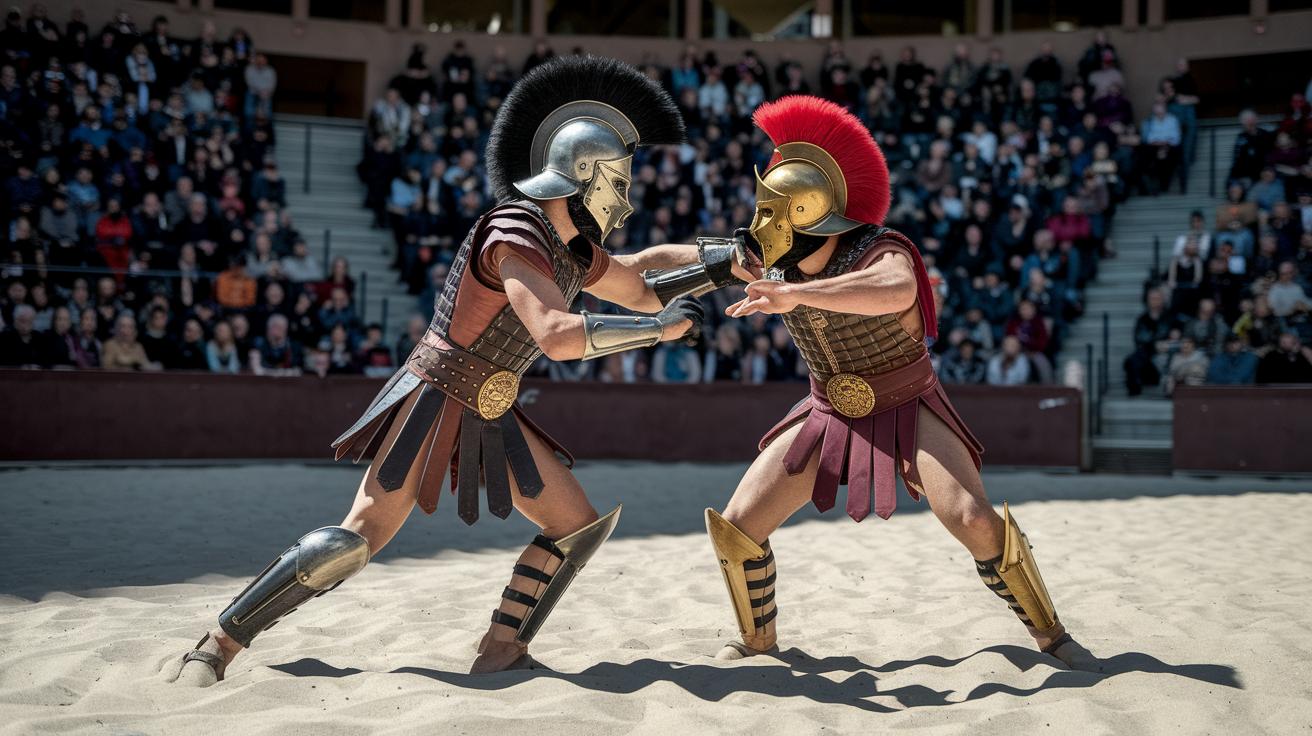
Ancient Roman sports were all about keeping it real. They didn't stress perfect physiques like the Greeks did; instead, they focused on how well you could handle pressure on the field. Imagine a charioteer racing through sharp turns on a packed track, each lap was a true test of skill and nerve.
These events were mostly set up for everyday folks like slaves and freedmen, though even some nobles jumped in when the prize was worth it. Records show that these contests were tightly interwoven with daily social and economic life, acting as a stage for community pride and even political favors.
- Chariot racing delivered heart-pounding action as teams in different colored factions charged down wide tracks.
- Gladiatorial games turned the arena into a battleground where fighters risked everything to win public applause.
- Boxing (pugilatus, a term referring to bare-knuckle bouts with leather-wrapped hands) featured fierce duels that packed extra punch.
- Wrestling challenged competitors in physical mind games within gymnasia that doubled as lively community hangouts.
- Harpastum, an early form of rugby, tested endurance and teamwork on a small, compact field.
- Popular ball games like trigon and follis brought festive fun enjoyed by people from all walks of life.
These athletic contests were far more than just tests of strength. They provided a welcome escape from daily life and helped pull communities together during public festivals, celebrating both the competitive spirit and the real-world resilience of the Romans.
Gladiatorial Contests of Antiquity
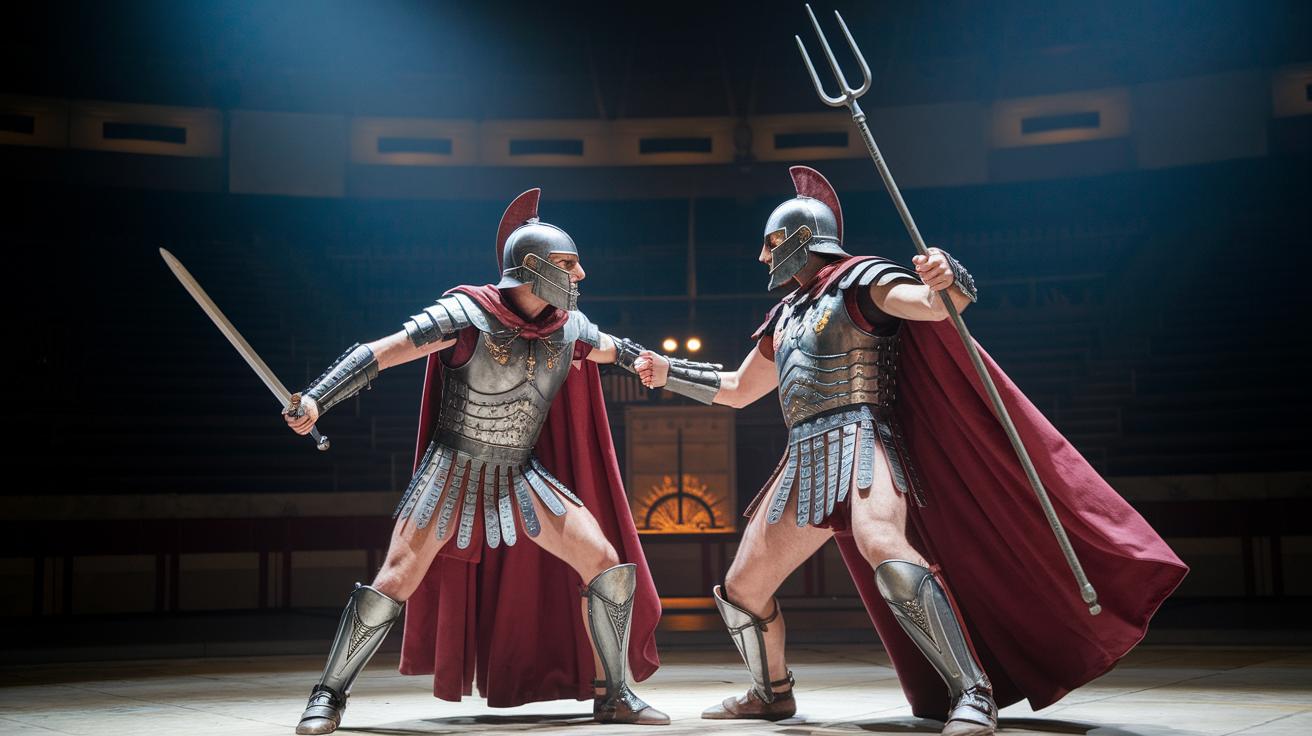
Roman gladiatorial games started as a somber tribute in the 3rd century BC and soon grew into one of the most popular public combats. Emperors and local elites organized these matches, featuring fighters who were slaves, prisoners, or volunteers chasing a shot at freedom or a splash of fame. It was a unique blend of ritual and show that quickly grabbed the public’s imagination.
As time went on, these contests turned into state-funded spectacles held in grand arenas like the Colosseum and other amphitheaters. These venues weren’t just stages for the fights, they showed off Rome’s social layers and military traditions. The way fighters dressed and battled mirrored the structure of society, with elite patronage proving that these games were as much about power and community identity as they were about combat.
Origins and Evolution of Gladiatorial Combat
What began as humble rites transformed into elaborate public events during both the Republic and Empire. State support boosted the scale of these fights, turning them into expensive shows that reflected Rome’s evolving values and political ambitions. Ancient rituals smoothly blended with newer influences to create the kind of arena battles we read about today.
Types of Gladiators and Specialized Roles
Different gladiator types emerged to keep the audience on edge. The murmillo, for example, fought with a heavy sword and shield, a classic warrior look. The secutor, known for his speed, charged at opponents with relentless energy. Then there were the Thracians, who used curved swords and nimble techniques, and the retiarii, who cleverly fought with nets and tridents. Each style came with its own set of armor and weapons, tailor-made for their unique approach to the fight.
The Gladiator Experience and Social Significance
Gladiators trained in special schools called ludi, where strict routines sharpened their skills. Although life in the arena was tough, a win could bring public acclaim and even the chance at freedom. Every contest was more than just a fight, it was a mirror of Rome’s own battles and triumphs, mixing risk, honor, and a sense of community celebration.
Chariot Racing Spectacles in Ancient Rome
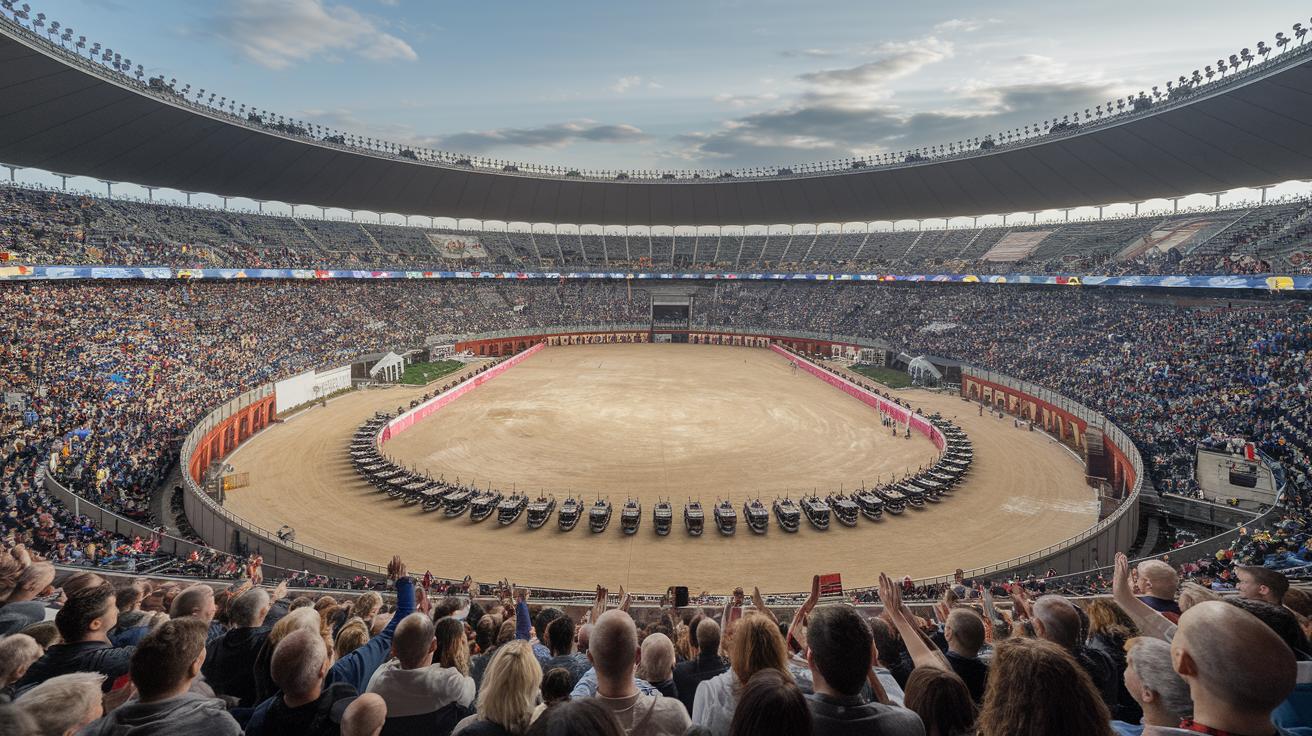
Chariot races fired up ancient Rome almost every day during the racing season, which could last up to 60 days a year. Imagine being in a packed Circus Maximus, where sometimes as many as 250,000 fans cheered on the racers during Trajan's reign. Twelve chariots, three from each of the four top teams, lined up to battle over seven tough laps in a race that lasted about 15 minutes. The chariots could reach speeds up to 30 mph, blending raw power with clever tactics, making every race a dazzling display of skill and bravery.
The Circus Maximus and Imperial Racecourses
Picture a colossal arena designed just for races. The Circus Maximus featured long, oval tracks and tiered seating that let thousands enjoy every thrilling moment. It wasn’t just a great view, it was also a proud symbol of Rome’s engineering genius and its passion for spectacular public events.
Factions, Teams, and Fan Rivalries
The four main teams, Blue, Green, Red, and White, were like the classic rivals of today’s sports. Fans fiercely backed their favorite color, imbuing each race with a sense of community and even political importance. There was even an attempt to add purple and gold teams, but tradition held firm, showing just how deep the loyalties ran.
Race Procedures and Technical Details
Before the race, all the action started from the carceres, where chariots were carefully lined up. Once the race began, competitors pushed through seven laps that highlighted both the speed and strength of their horses, often bred from prized North African or Spanish lines. Along with high-speed maneuvers, strict rules and safety measures were in place to keep the wild excitement balanced with order.
Boxing and Pugilism: Rome’s Combat Ring
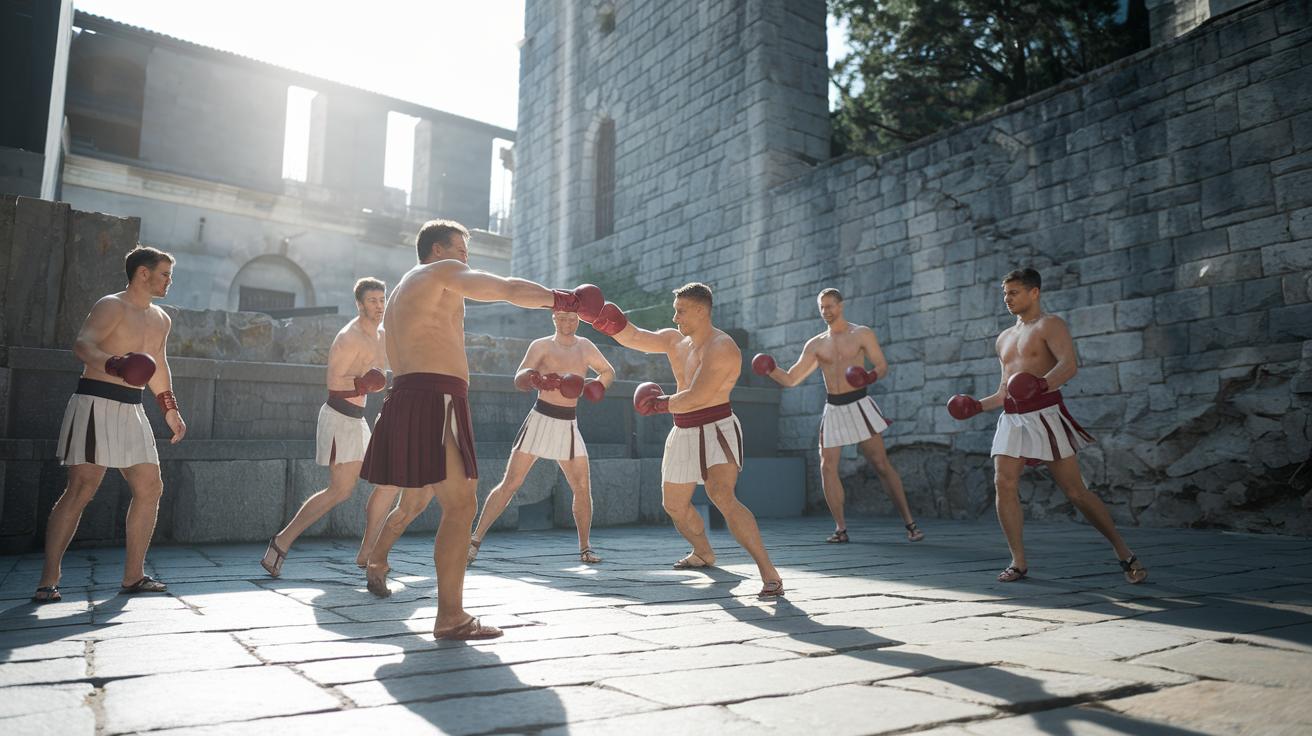
Roman boxing, known as pugilatus, began around 186 BC. Back then, fighters wrapped their hands in leather or used caestus, leather strips reinforced with metal. Introduced by Marcus Fulvius Nobilior, the sport quickly grabbed people’s attention for its raw strength and hard-hitting moves. It mixed Greek training styles with brutal Etruscan tactics like head strikes and close-range grabs, making every knock a game-changer.
Training was as important as the match itself and turned pugilism into a celebrated art form. Fighters practiced in open courtyards and gymnasia, sharpening their techniques through constant drills and sparring rounds. This wasn’t just exercise, it was a social event that drew eager crowds. The energy in the ring brought people together, showcasing a blend of athletic skill and the simple drive for honor.
| Equipment | Description |
|---|---|
| Leather Hand Wraps | Straps that boost striking power and safeguard the hands. |
| Caestus | Metal-reinforced leather gloves built for powerful, often dangerous strikes. |
| Early Gloved Versions | Padded gloves later introduced by emperors to reduce fatal injuries. |
Harpastum and Popular Ball Games in Ancient Rome
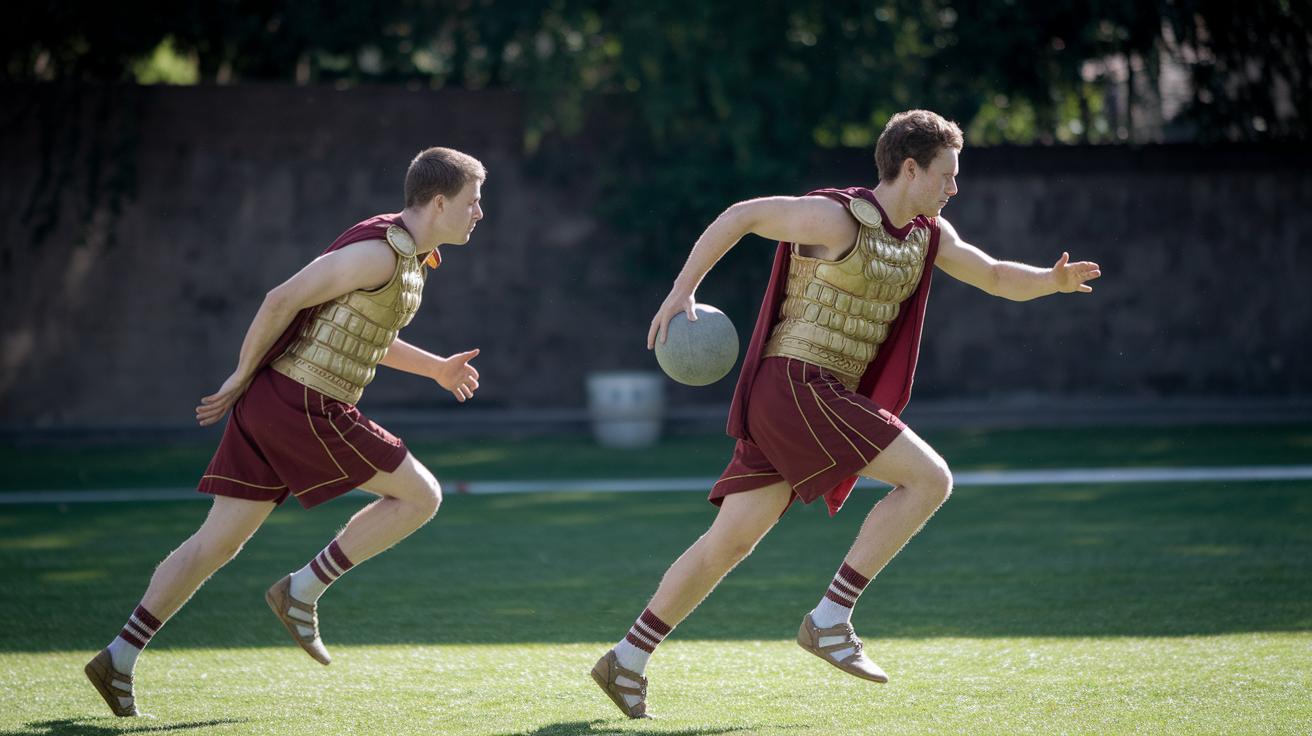
Harpastum was a tough game, a bit like modern rugby, where players used an eight-inch ball stuffed with sand or hair. Teams of around 12 players faced off on a rectangular field that was a little smaller than a contemporary football pitch. A standout role was that of the medicurrens, a key player who switched sides with every change of possession and kept on running to back up both defense and attack. Imagine a player sprinting with all his might, moving with every pass to keep his team in the groove.
Trigon was a fast and lively contest. Three players formed a triangle and tossed a small ball among themselves, a game that really put their agility and teamwork to the test. Then there was follis, which used an air-filled bladder, kind of like an early version of volleyball. These games required quick reactions and a spirited attitude, much like kids today chasing a ball in their neighborhood’s open courtyards.
These ancient games were more than just a contest of strength or speed. They were played in busy forum squares, local fields, or near grand public festivals, offering a welcome escape from everyday life. The energy of each match built strong community bonds and revived neighborhood pride, making these traditional Roman games a true celebration of physical endurance and shared cultural spirit.
Training Methods, Venues, and Cultural Significance of Roman Athletics
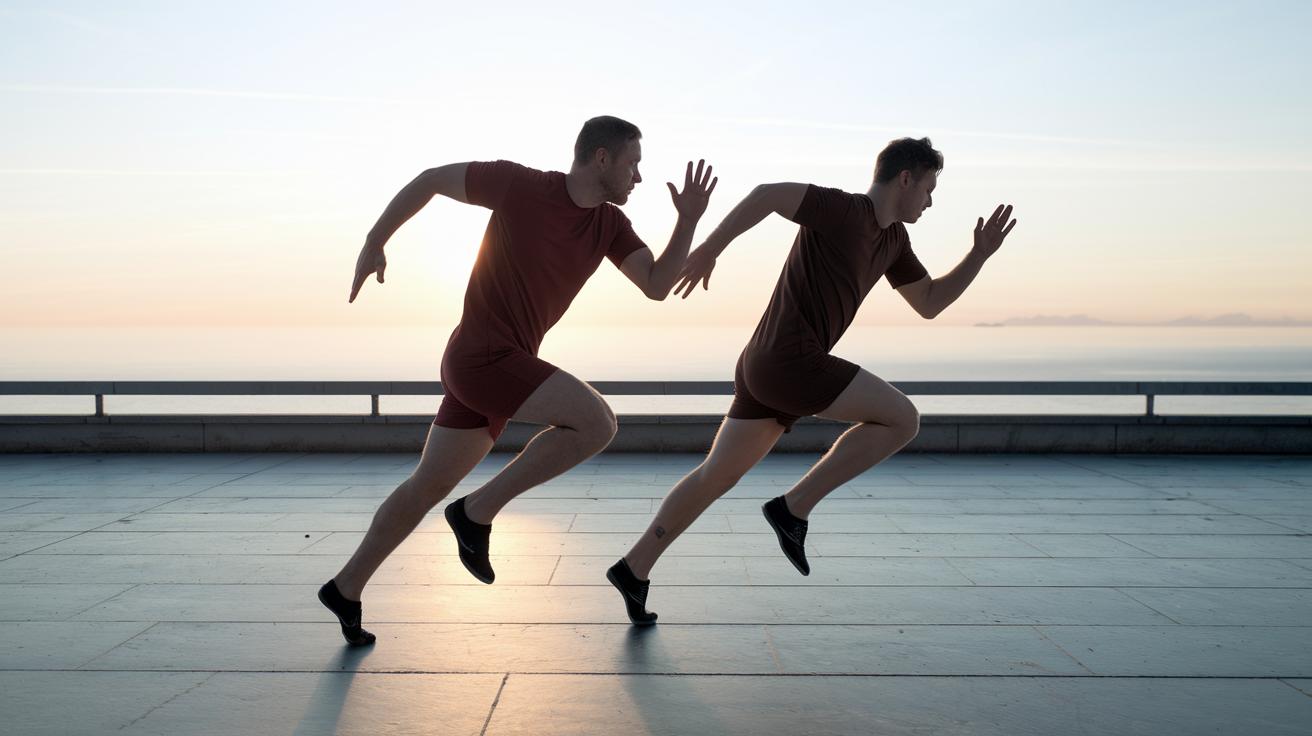
Roman athletes mixed strict discipline with a spark of creativity during their workouts. They trained in gymnasia that doubled as friendly spots for chatting and learning. Runners built endurance with long-distance runs on stone floors, while weightlifters used heavy stones to bulk up. Picture an early morning sprint on a cool stone floor, using simple tools to build strength and stamina. This hands-on routine kept them ready for the big game.
Competitions took place in many different settings. Gymnasia and palaestra were where athletes had their daily practice, while festive games lit up circuses and open fields. These sites offered both detailed training spaces and spectacular arenas where huge crowds could cheer on the action. The Circus Maximus, a grand stage for athletic feats, let thousands witness raw physical power live.
Sports events were also a key part of public celebrations and religious rituals. Festivals that honored the gods and marked the seasons were filled with athletic contests. Imagine a sunny festival afternoon buzzing with songs, prayers, and the excitement of competitors all aiming to impress the divine. This blend of spirited play and cultural ceremony bonded the community and deepened respect for tradition.
Leaders like emperors and senators saw these contests as a chance to show they cared about the people and their beliefs. By sponsoring sporting events, they demonstrated both piety and power. Even soldiers kept in shape by playing games like harpastum (an old ball game) in their camps. In short, these athletic spectacles were more than just games, they were moments of public recognition, unity, and displays of strength in everyday life.
Final Words
In the action, we've seen how ancient roman sports shaped the spirit of competition and community in antiquity. We explored athletic contests, gladiatorial battles, chariot races, boxing matches, and even ball games that captivated audiences.
Each sport reflected deep cultural roots and social roles while offering a glimpse into an era where passion for play buzzed in every arena. The legacy of these captivating contests sparks excitement and connects us to the thrilling heartbeat of ancient roman sports.
FAQ
What sport did ancient Romans play?
The ancient Romans played sports such as chariot racing, gladiatorial contests, boxing, and ball games like harpastum, blending physicality with public spectacle.
What was the Roman version of soccer?
The Roman version of soccer wasn’t modern soccer but a game called harpastum, a rough ball game resembling rugby that emphasized teamwork and physical challenge.
How did ancient Roman boxing compare to ancient Greek boxing?
Ancient Roman boxing, known as pugilatus, built on Greek boxing techniques while adding equipment like the caestus, which enhanced striking power in their combat style.
What are some major ancient Roman sports and games?
Major ancient Roman sports included chariot racing, gladiatorial contests, boxing, and harpastum. Each sport offered a mix of intense physical competition and social interaction.
What is harpastum and how was it played?
Harpastum was a ball game resembling rugby, played with an eight-inch ball on a small field by teams of around 12, showcasing the Romans’ inventive approach to competition.
What sports did Romans enjoy during their entertainment spectacles?
Romans enjoyed a variety of sports including gladiatorial battles, chariot races, boxing matches, and ball games like harpastum, with each event contributing to the social and cultural life of the empire.