
Have you ever wondered if the thrill of old wins could change how we see sports history? Athlete profiles capture those unforgettable moments and reveal the real achievements behind the numbers. They share more than just stats, they offer personal stories, tales of hometown beginnings, and record-making plays. This blend of nostalgia and modern storytelling feels like chatting with a friend about a legendary game. Ready to see how these stories connect past glory to today’s inspiration, celebrating both the sport and its heroes?
Archived Athlete Profiles: Overview and Core Content

Archived athlete profiles give us a front-row seat to the personal journeys behind our sports legends. They break away from just listing stats and instead share the moments and memories that made these athletes truly unforgettable. They serve as reliable records for researchers, journalists, and fans who love to relive those game-changing plays.
By putting together a digital record of athletic achievements, we can easily revisit classic triumphs with clear insight. These profiles build a bridge between old-school glory and fresh inspiration, showing us how the world of sports has evolved over time. Digital archive platforms like sports archive capture that commitment to keeping history alive.
You'll typically find these profiles include:
- Biographical details (birthdate, hometown)
- Career statistics (games played, records set)
- Team and competition history (clubs, seasons)
- Archived media (photos, scanned documents)
Each of these elements plays a critical role, researchers appreciate the precise data while fans enjoy digging into team histories and reliving memorable game moments. By combining personal stories, solid statistics, and preserved media, archived profiles offer a complete picture that connects today's audiences to the enduring legacy of sports icons.
Archived Athlete Profiles: Celebrating Classic Triumphs
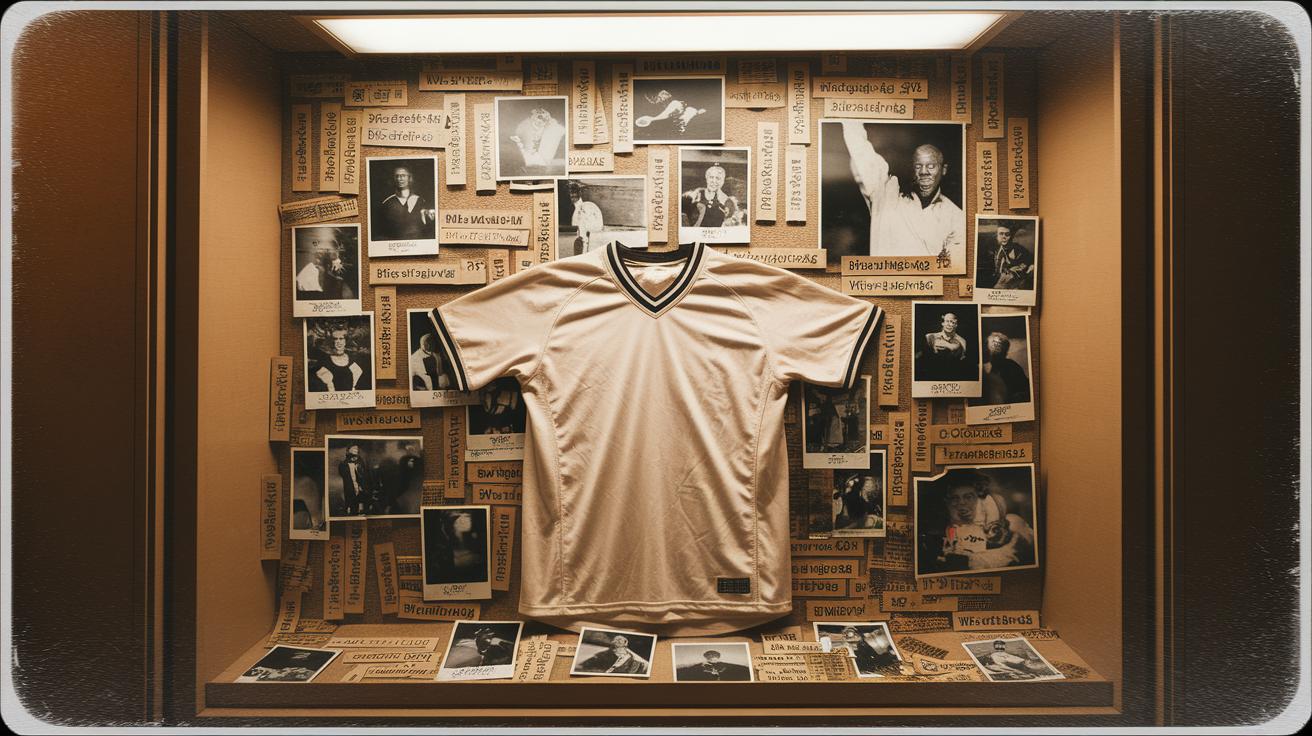
Archived athlete profiles tell a complete story. They mix a quick bio that covers family roots, early playing days, and that one unexpected breakthrough, with season stats like games played, scores, and wins, to paint a clear picture of the athlete's influence. They also trace a timeline of club history, national team selections, and transfer moves. Plus, digitized photos, scanned tickets, and program covers bring those defining moments to life. Personal wins, such as awards, hall-of-fame dates, and record-breaking milestones, get the spotlight without rehashing the details you already know.
Imagine starting with a cool fact like: "In his very first game, a rookie play shifted a sure loss into a thrilling win, kickstarting a legendary career."
| Field | Purpose |
|---|---|
| Biography & Career Overview | To outline the athlete’s life story, early beginnings, and breakthrough moments |
| Performance Data | To present season-by-season statistics such as games, points, and wins |
| Team & Competition Timeline | To trace club associations, national call-ups, and transfer milestones |
| Visual Records | To display digitized photos, ticket stubs, and other memorabilia |
| Individual Honors | To capture awards, hall-of-fame dates, and milestone records |
Categorizing Archived Athlete Profiles by Sport and Era
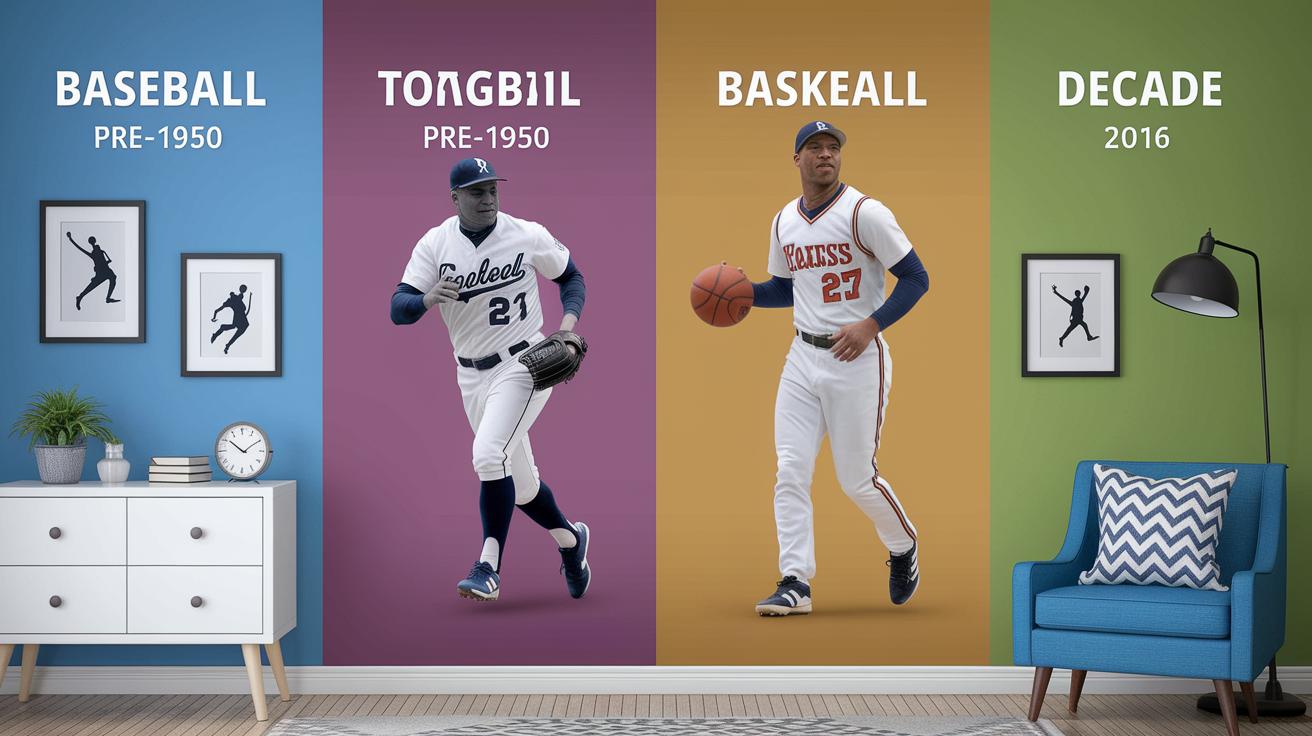
Sorting athlete profiles by sport and decade lets fans jump right to the era and game that fires up their passion. It’s a bit like picking your favorite play from a highlight reel. By laying out players by sport and time period, researchers, journalists, and fellow fans can easily spot trends, compare different periods, and dive into both the technical stats and the personal stories behind each sports icon.
- Pre-1950 Baseball Legends
- 1950–1980 Olympic Medalists
- 1970–2000 Football Champions
- Modern-Era Basketball Icons (2000+)
- Golden Age Tennis Stars (1960–1990)
- Early Soccer Pioneers (1900–1950)
Custom filters take this organization up a notch. You can narrow things down by playing position or even nationality, getting a detailed look at where these stars came from and the roles they played on their teams. In short, this setup makes it super easy to explore athletic careers and milestones, linking the past to today’s sports insights, just like reliving a classic game with old friends.
Accessing and Navigating Digital Archived Athlete Profiles

When you're checking out records in a trusted digital sports archive, it's best to start with a database known for its simple layout and reliable stats. This kind of repository is built to be user-friendly, letting you spot full career highlights without any hassle.
First, head over to the archive’s main landing page. Then, type the athlete’s name or choose a sport filter to narrow your search. Next, refine your search by era or competition level to focus on the period you care about. After that, take a look at the profile summary and detailed stats sections for a quick view of performance data. If you see media thumbnails, click on them to check out digitized photos, scanned documents, or campaign covers. And when you need a hard copy for your research, just download or print the career timeline PDF. Lastly, make a note of any citation details so your source information stays accurate.
A few smart search tips can really enhance your experience. Try using wildcards for partial name matches or add advanced filters like year ranges or keyword tags to narrow the results further. This step-by-step process makes it easy to explore archived game-day profiles and uncover the specific career details you need, all while keeping your research both efficient and engaging.
Ensuring Longevity of Archived Athlete Profiles

Picking file formats that stand the test of time is key when it comes to keeping the records of sports heroes safe. Formats such as PDF/A and TIFF work wonders by keeping images sharp and guarding against file corruption. They’re built to last, ensuring that the digital legacies of our champions remain exactly as they were meant to be. This approach preserves the rich history and memorable moments of sports.
Regular check-ups and version control play a big role in keeping these archives reliable. Simple routine tests confirm that every piece of data stays accurate, and systematic version logs track every change. This not only shows the progress of athlete profiles over time but also helps catch potential issues early, much like checking the score at halftime.
- Use a standardized metadata system by recording details such as name, dates, and sport.
- Save high-resolution images with lossless compression to keep every detail intact.
- Set up automated backups and replicate data off-site for extra security.
- Stick with consistent profile templates to make data entry a breeze.
- Record public access and change histories to maintain transparency.
Final Words
in the action, the blog captured the excitement of preserved sports legacies, breaking down essential ideas behind archived athlete profiles. It walked us through the purpose, core elements, and detailed steps of accessing records from a trusted online hub.
The post showed how these profiles bring history to life for researchers and fans alike. Each section connects the dots between a player’s stats, story, and lasting impact. Enjoy the journey as you explore and celebrate sports history!
FAQ
How do I unarchive an athlete on TrainHeroic?
The method to unarchive an athlete on TrainHeroic involves selecting the archived athlete, clicking the restore option, and confirming the change so the athlete is moved back to your active roster.
How to archive an athlete on a healthy roster?
The process to archive an athlete on a healthy roster means you mark the athlete as archived, moving them out of active view while keeping their performance history and details intact.
What is an athlete profile?
An athlete profile is a collection of information that covers a sports figure’s biographical details, career statistics, team history, and archived media, providing valuable insight for fans and researchers.
How to make an athlete profile?
The way to make an athlete profile is to gather essential data such as biographical info, career stats, team history, and images, then organize these elements clearly for easy access and review.