
Ever wonder if pushing too hard might dim that inner spark? Athlete burnout takes away the thrill, leaving even the top player feeling completely run down. It’s like a runner hitting a wall mid-race, sudden pressure and constant stress steal the excitement right out of the game.
In this post, we share real stories and simple tips that turn burnout into a comeback. Have you ever felt drained just before a big play? We’re here to help you find ways to recharge, so you can enjoy every practice and game like a triumphant moment on the field.
Athlete Burnout Explained: Defining Causes, Symptoms, and Impact
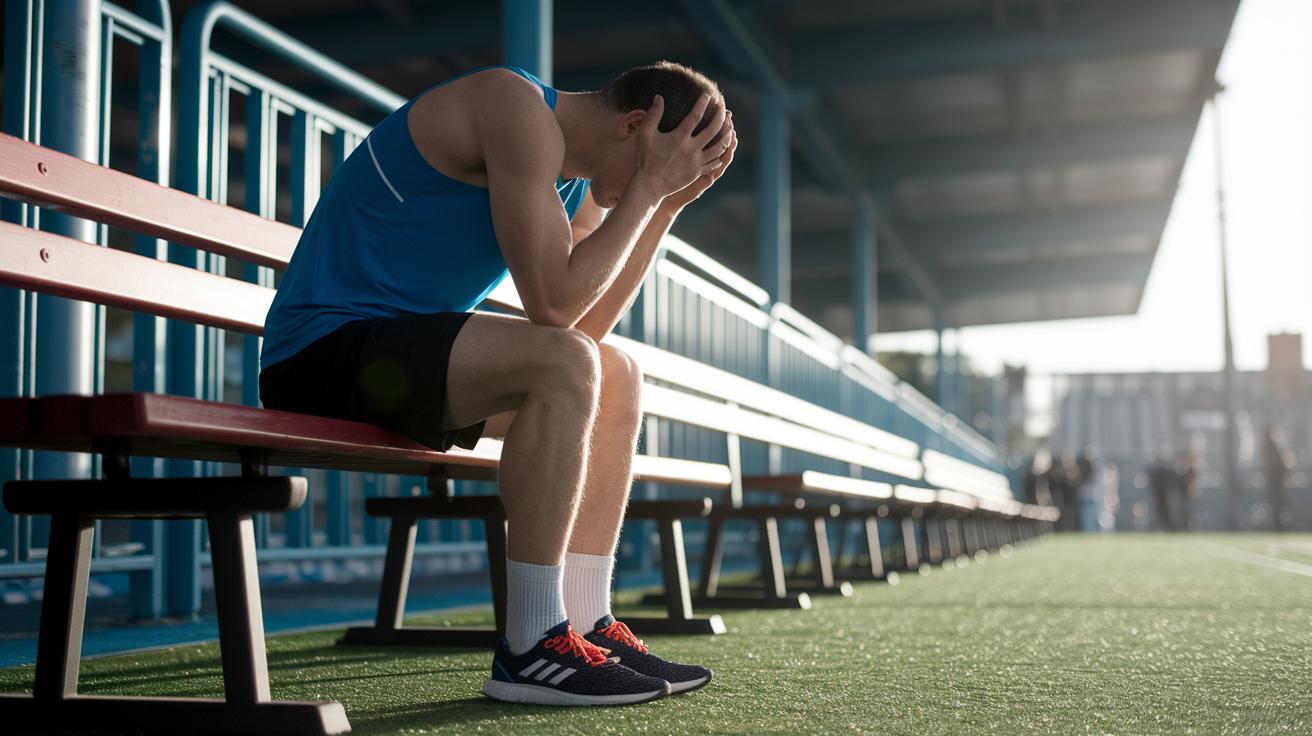
Athlete burnout goes beyond simple tiredness. It’s a state where both your mind and body feel completely drained. Imagine a rising star who, before leading his team to a championship, admitted that non-stop pressure had robbed him of his passion. That’s burnout at work, a mix of emotional and physical weariness that hits hard when the stakes are high.
It’s not just about feeling exhausted after a long practice. Burnout sends little signals, like a constant nagging feeling that you’re never doing enough, no matter how hard you try. Over time, even the joy of playing can fade into a cloud of self-doubt and defeat. You might start to wonder if the game is worth the stress, as every high-energy moment is tinged with the fear of not measuring up.
Even those at the top can see a sudden drop in their enthusiasm. The pressure to excel, combined with everyday life challenges, ties physical weariness and mental stress into a knot that can be hard to untangle. Coaches and athletes need to watch for these early signs and adjust their routines or recovery times. This way, they can clear the fog of burnout and keep the competitive spark alive.
Identifying Root Causes of Athlete Burnout
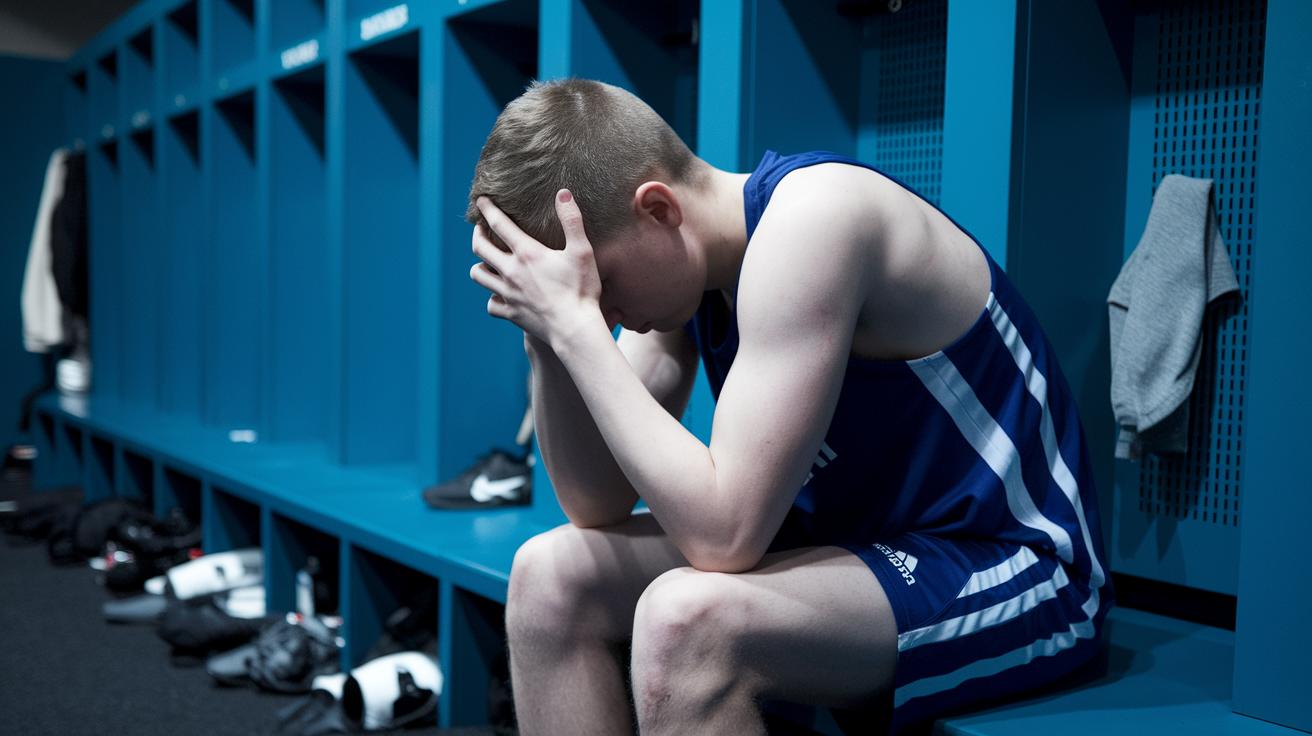
Athlete burnout isn’t just about being worn out after a tough game; it grows from a mix of mental and physical pressures that build over time. Feelings like sadness, anger, guilt, and constant worry can slowly wear away at an athlete's passion. In one study of high school athletes, many admitted that perpetual anxiety over their performance made the joy of playing fade. One player even said daily worry stole the thrill from the game, turning practice into a heavy burden rather than a chance to excel.
Psychological Triggers
Research shows that these negative feelings, sometimes called negative affect, play a big role in burnout. Athletes who often feel low or anxious usually end up doubting their achievements, even after giving it their all. Imagine setting up a game-winning play only to be bogged down by self-doubt, that inner struggle chips away at mental strength over time. High levels of worry can trap you in a cycle where anxiety about performance keeps ramping up pressure, making it hard to focus or enjoy the game.
Physical Triggers
On the physical side, constantly pushing yourself in competitions can lead to exhaustion that lingers. Repeated overexertion, along with illnesses and injuries, slowly chips away at how athletes feel about their performance. Think about an athlete playing while nursing a nagging injury; every move becomes a struggle, and the sport starts to feel joyless. Even subtle signs like these add up over time, leading to a gradual drop in both performance and passion.
Athlete Burnout: Positive Paths for Swift Recovery
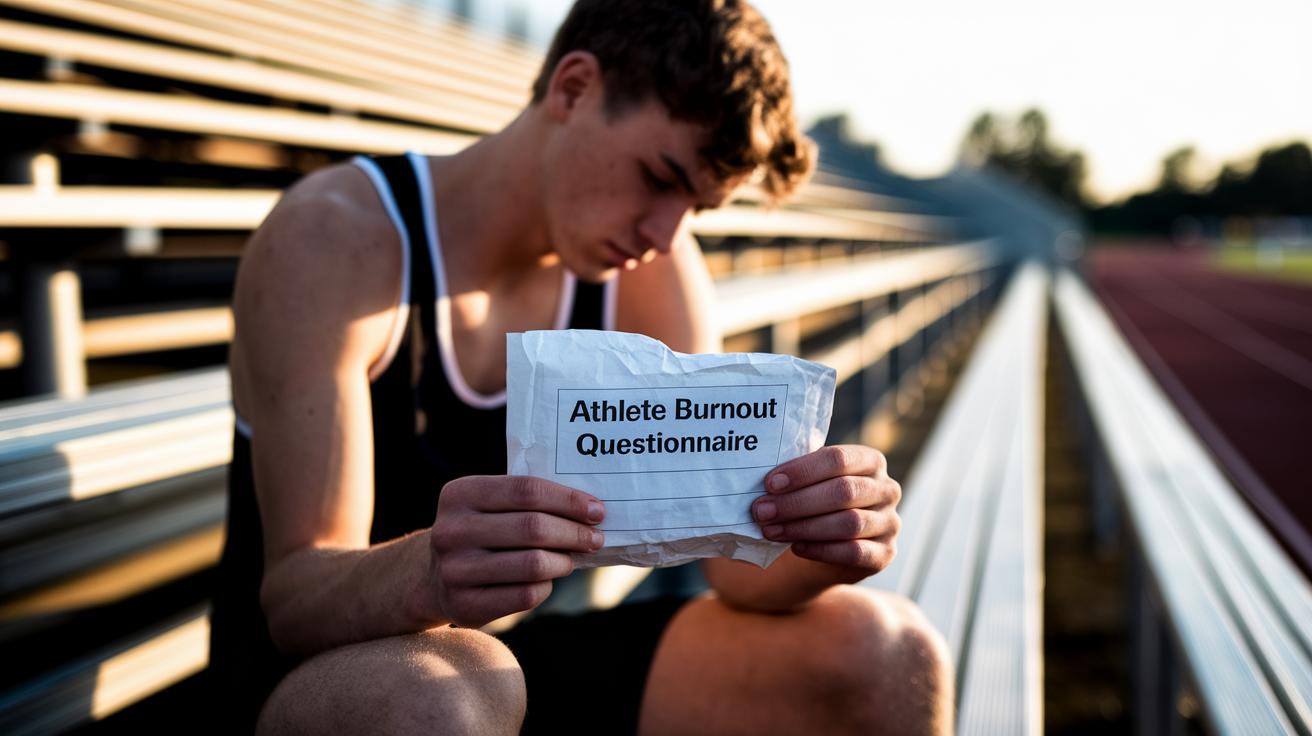
Athlete burnout is not just feeling wiped out after a challenging game. It sneaks in through subtle signs that go beyond everyday tiredness. Sometimes the difference between normal fatigue and burnout is clear when you use the right tools. One athlete explained that after weeks of tough practice, no amount of rest could bring back his spark. That story shows it was more than just overtraining, it was burnout.
The Athletic Burnout Questionnaire breaks burnout into three key parts: feeling like you're not achieving anything despite your efforts, constant emotional and physical tiredness, and a shifting view about enjoying the sport. There’s also the Recovery-Stress Questionnaire for Athletes, which looks at both everyday stress and sport-related pressures. These tools help catch early warning signs so that coaches and athletes can make changes fast.
| Dimension | Description |
|---|---|
| Reduced Accomplishment | Feeling as though your efforts aren’t leading to success |
| Emotional/Physical Exhaustion | Ongoing tiredness that rest just doesn’t fix |
| Devaluation of Sports | Losing interest or passion for the game |
Spotting these symptoms early sets the stage for a quick recovery. Once athletes and coaches notice these cues, they can adjust the training workload, add more rest, and focus on what first made them love the sport. This fresh approach can gradually boost both performance and overall morale.
Athlete Burnout: Positive Paths for Swift Recovery
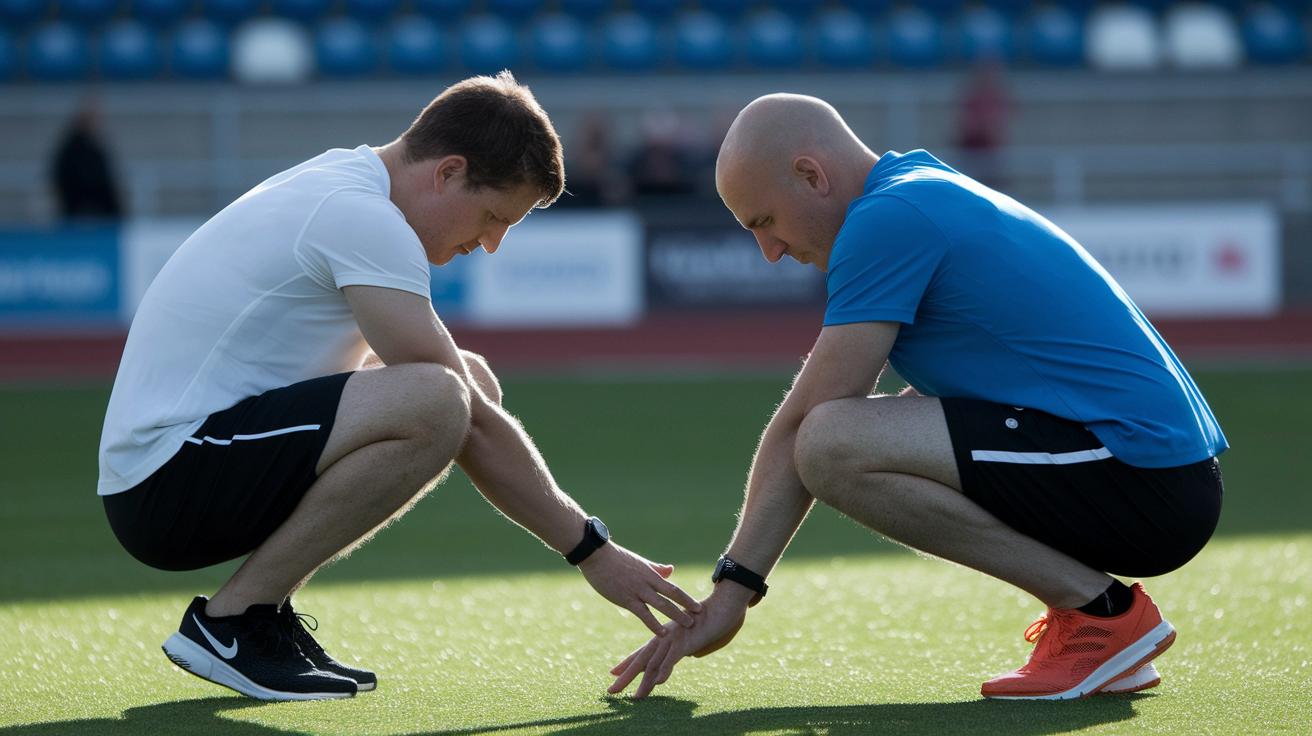
Coaches and athletes tackle burnout by mixing hard training with proper downtime. They plan lighter sessions or rest days so the body and mind can reboot. Some coaches even end practice with a quick visualization exercise to help everyone get ready for the next challenge. They also fine-tune workouts based on each athlete's feedback.
Adding mental skills training through sports psychology builds real resilience. Athletes practice simple mindfulness techniques, like guided breathing. Picture this: close your eyes, breathe in slowly for four counts, hold for a moment, then exhale while letting go of all the tension. Many keep a personal stress log, noting things like, "Today felt heavy; a quick mindfulness break helped me reset." These steps catch burnout early and keep pressure in check.
Regular chats and check-ins are key to overall well-being. Coaches keep an eye on life stress and modify recovery plans to ease both body and mind. This helps every athlete stay connected to the passion that got them into the game.
Recovery Practices and Reconditioning Methods for Athlete Burnout

When athletes feel worn out after tough periods, they need ways to lift both their energy and spirit. It’s like taking a timeout to remember why you love the game. A smart routine mixes planned rest with gentle training shifts so you can bounce back stronger.
Getting enough sleep is huge. Extra rest helps your muscles rebuild and clears your mind. Good food matters too – think the right mix of proteins, carbs, and healthy fats keeps your energy steady. And a short breathing exercise after practice goes a long way in shaking off stress.
It also helps to change how you see tough moments. Instead of thinking of challenges as failures, try seeing them as a normal part of competition. Coaches can even check progress with simple surveys and tools. In short, blending careful rest with these recovery steps is a real game-changer for getting back in the zone.
Expert Insights and Case Studies on Athlete Burnout

Research and everyday experience both prove that focused support really makes a difference. One study with high school athletes showed a 25% drop in burnout signs when help was tailored for them. This shows that regular check-ups using tools like the ABQ or Recovery-Stress Questionnaire can steer training and recovery in the right direction.
Case Study: High School Student-Athletes
In this study, student-athletes went through custom plans designed to ease both mental and physical tiredness. Coaches dialed back workloads, brought in mental skills training (to build mental strength), and set aside time for proper rest. Many athletes said they felt more in control of their game and overall well-being, finding a fresh burst of energy and a renewed love for their sport. It’s a clear win, showing that even in high-pressure settings, personalized support can lift the weight of stress.
Coaching Perspectives
Coaches point out that planning each athlete’s training individually and keeping a close eye on progress is essential for managing stress. They found that using regular assessments helped them track improvements and adjust recovery routines as needed. Their advice centers on balancing hard training with enough recovery time, so athletes can perform at their best without the risk of burnout. These insights highlight that ongoing, personalized evaluations and supportive coaching are key to overcoming long-term strain.
Final Words
in the action, we unraveled how athlete burnout steers both mind and body, sharing its causes, warning signals, and impact on performance. We broke down its psychological and physical signals, and offered balanced strategies for prevention as well as recovery. Expert insights brought real-life clarity to these challenges, all while keeping our focus on practical, actionable steps. Stay positive, stay balanced, and keep the spirit high as you tackle athlete burnout head-on.
FAQ
What is athlete burnout treatment?
The athlete burnout treatment involves customized recovery plans with balanced workouts, quality sleep, proper nutrition, and mental strategies to revive energy and commitment, helping athletes get back to peak performance.
What do athlete burnout quizzes and questionnaires assess?
The athlete burnout quizzes and questionnaires assess levels of physical and emotional exhaustion, reduced accomplishment, and sport devaluation to identify burnout early and guide effective recovery strategies.
What type of athlete burnout articles are available?
The athlete burnout articles provide insights into causes, symptoms, and prevention methods, equipping athletes and coaches with practical strategies to manage stress and sustain high performance.
What do athlete burnout statistics reveal?
The athlete burnout statistics reveal a high incidence of fatigue and stress in competitive sports, with many athletes experiencing physical exhaustion and reduced drive, emphasizing the need for balanced training and recovery.
What are athlete burnout examples?
The athlete burnout examples show cases where athletes face chronic fatigue, decreased enjoyment, and dropped performance despite their efforts, highlighting early signs that call for proactive stress management.
What happened with athlete burnout in 2022?
Athlete burnout in 2022 saw an increase in reports of exhaustion and stress as intensified schedules took their toll, indicating a critical need for structured recovery plans and balanced training protocols.
What is athlete burnout recovery?
Athlete burnout recovery involves structured reconditioning measures such as planned rest, relaxation techniques, and tailored coaching to help athletes restore physical strength and mental resilience efficiently.
What are the stages of athlete burnout?
The stages of athlete burnout often start with growing stress and fatigue, progress to reduced performance, and eventually lead to a loss of motivation and negative feelings toward sports participation.
How can athlete burnout be reduced?
Athlete burnout can be reduced by adjusting training loads, improving sleep and nutrition, incorporating stress management routines, and using regular check-ins with coaches to support overall well-being.
What are the signs of burnout?
The signs of burnout include constant tiredness, a lack of enthusiasm for training, underperformance despite effort, and both emotional and physical fatigue, all indicating a need for recovery.
How long does it take to heal from burnout?
Healing from burnout varies by individual; some athletes recover in a few weeks with structured rest, while others may need several months, depending on burnout severity and adherence to recovery plans.