
Have you ever noticed how a sports interview can feel as thrilling as a game-winning play? When interviewers prepare like expert coaches, every question becomes a smart move that builds trust and uncovers great stories. Imagine using solid research and careful listening as your playbook. Each follow-up question shows a new side of the athlete's character. This genuine curiosity and perfect timing turn a regular chat into a conversation that truly inspires.
Top Sports Interview Techniques to Engage Athletes
When it comes to sports interviews, the secret is in combining solid research with a natural, friendly chat. Start by looking up the athlete’s background and recent game highlights. This helps set the stage for a conversation that feels as real as discussing last night’s game over a cup of coffee.
A well-planned interview puts athletes at ease, encouraging them to share more than just quick sound bites. It’s like setting up the perfect play where every pass leads to a breakthrough moment. Have you ever noticed how a little prep brings out the best stories?
Here are some key techniques to keep the conversation vibrant:
| Technique | Description |
|---|---|
| Pre-Interview Research | Gather vital stats, career highs, and recent game details to create a solid base. |
| Open-Ended Questioning | Ask questions that invite detailed responses, like “What were you thinking during that final play?” |
| Active Listening | Show you care by maintaining eye contact and using simple nods or lean-ins as cues. |
| Adaptability | Be ready to switch gears quickly when the conversation takes an unexpected turn. |
| Calm Follow-Up Questions | Gently ask more when answers seem too brief, guiding the chat deeper. |
| Post-Interview Techniques | Touch base afterward to uncover new angles and add depth to the story. |
When these techniques come together, every part of the interview, from your thorough research to a smooth follow-up, creates an exchange that captures the athlete’s true character. It’s like piecing together a great play; with a balanced mix of preparation, curiosity, and genuine interest, you can reveal the amazing stories hidden behind every performance.
Pre-Interview Research and Preparation Methods for Sports Interviews
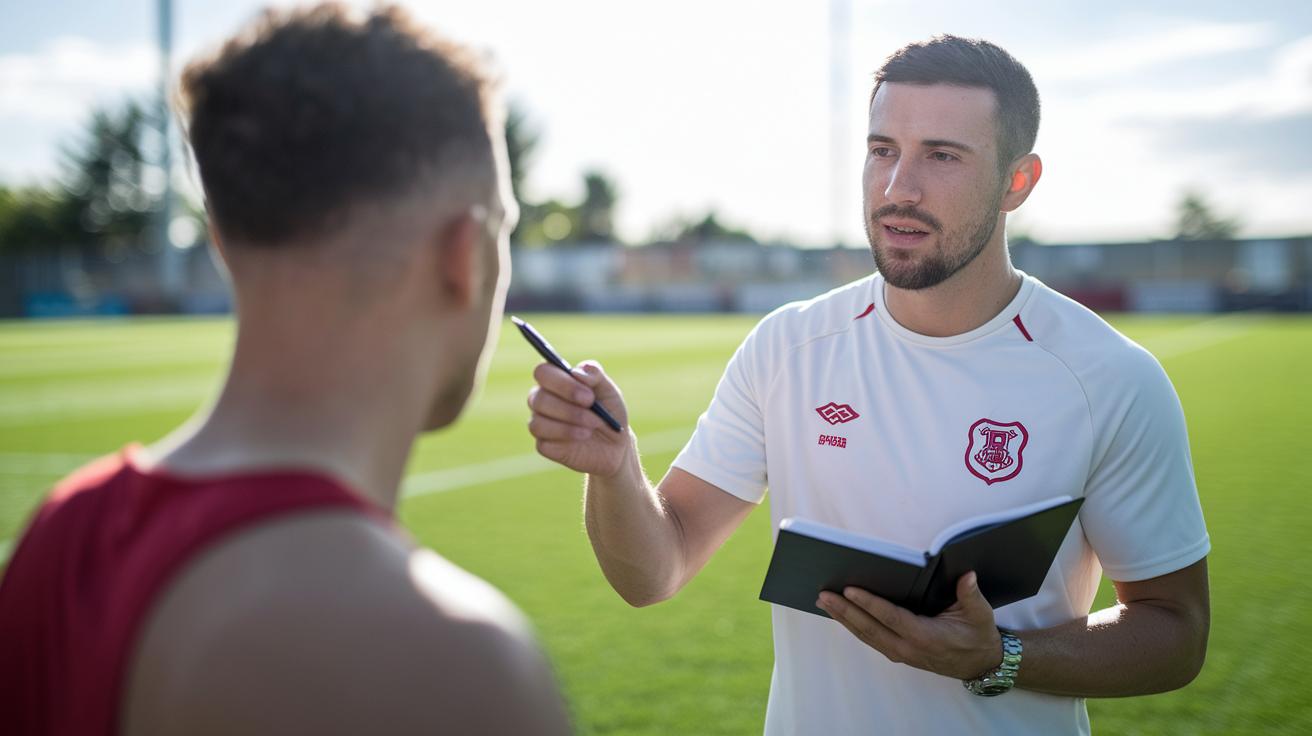
Kick off your research by diving into everything about the athlete, think career highlights, game stats, and recent performances. It’s like setting up your playbook before the game. Check out past interviews, watch game footage, and read through team press releases to piece together every key moment of their journey.
Next, get to know the person behind the stats. Discover the challenges they've overcome, the turning points that changed their game, and the evolution of their career. When you link these personal milestones to on-field success, your questions gain that real, timely punch that resonates with readers.
Finally, put together a detailed research dossier that acts as your game plan. Jot down important facts, potential angles, and standout stats so you’re always ready with the right question at the right moment. This structured prep makes your conversation feel spontaneous yet well-informed, just as suggested in the guide on how to conduct a sports interview.
Developing Tailored Question Frameworks for Compelling Sports Interviews
Getting your questions right is like setting up the perfect play. They invite athletes to open up about how they think and perform on the field. By mixing thoughtful, open questions with smart follow-ups and moments for reflection, you shift an ordinary chat into a lively conversation. It’s all about digging deeper than just a quick yes or no, and revealing the real story behind each play.
Open-Ended Questions
Open-ended questions are your go-to when you want to explore an athlete’s overall experience. They let players share detailed answers instead of just a simple "yes" or "no." For example, asking, "Walk me through your mindset in the final minutes," gets them to explain exactly what was going on in their head during that crucial time. This sets a relaxed tone and helps the conversation flow naturally, revealing those layers of strategy and emotion.
Follow-Up Probes
Sometimes, an initial answer hints at more beneath the surface. That’s when follow-up probes come in handy. A straightforward question like, "Can you elaborate on that play?" can help clear up the details. These gentle nudges keep the conversation moving deeper, turning brief answers into meaningful insights. They help shift the discussion from general comments to the specific moments that sparked the athlete’s decision-making.
Reflective Prompts
Reflective prompts push athletes to look back and share personal insights about their game. Asking something like, "How does this season compare to your expectations?" gives them a chance to talk about how their approach has evolved. This kind of question turns the interview into a story that’s both informative and deeply personal, much like the engaging sports chats you might find at your resource.
Mixing open-ended questions, follow-up probes, and reflective prompts creates a conversation that feels natural and full of depth. This tailored approach brings out both the technical details and the emotional highs of the game, making every interview a memorable replay of passion and performance.
Nonverbal Communication and Body Language in Sports Interviews
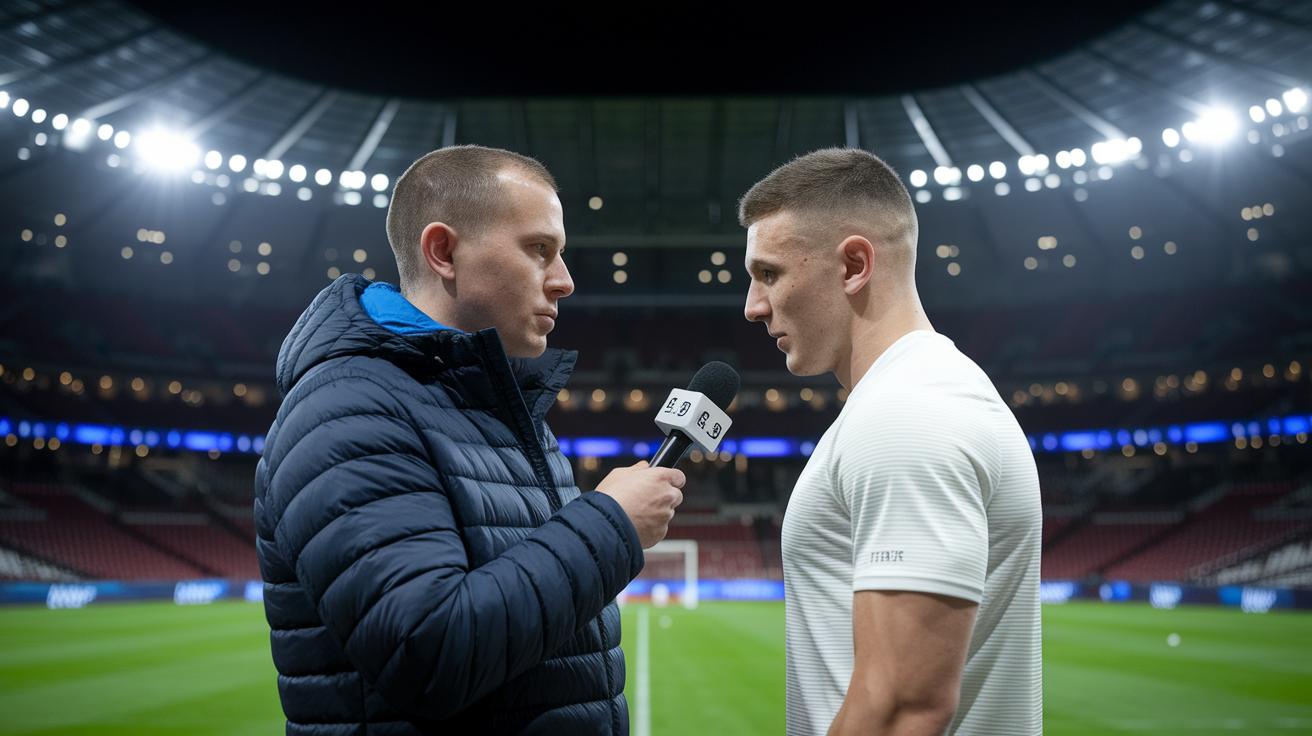
Think of a sports interview like a live game where every move matters. Your body language sets the stage, making athletes feel relaxed and understood. It’s like reading a secret playbook, each gesture and facial expression shows how much you’re really listening.
Keep your eyes locked on the athlete, letting your face tell the story of genuine interest. A small nod or a mirrored stance can feel just like a coach repeating a winning strategy on the sidelines. Even a brief pause before your next question speaks volumes, much like perfectly timed moves on the field. These simple signals, steady eye contact, careful pauses, and matching energy, work together to build a conversation that flows as smoothly as a great play.
In the end, using these nonverbal cues turns an interview into a personal, engaging chat, where every silent moment builds trust and connection.
Pre-Game and Post-Match Interview Tactics for Dynamic Engagement
Sports interviews shine when your questions really match the game's vibe. Before the action kicks off, focus on unlocking the athlete’s mindset by asking about their warm-up routines, any tweaks they’re making to their strategy, and their goal-setting. This sets a clear stage that echoes with both the players and their loyal fans. These ideas aren’t set in stone but serve as a flexible playbook to roll with the fast-paced, ever-changing nature of sports.
| Context | Key Tactics |
|---|---|
| Pre-Game | Ask about warm-up routines, strategy adjustments, and mental readiness |
| Post-Match | Dig into pivotal plays, emotional highs and lows, and key lessons learned |
After the game, shift gears to focus on performance and feelings. Interviewers now dive into the standout plays and the overall flow of the match while inviting athletes to share the lessons they’ve picked up. This approach captures not just the win or loss, but the raw and emotional journey of the match. Tailor your questions to flow from the pre-game buildup into the post-match reflection, and you’ll catch the true spark of sports, its unpredictable, thrilling energy.
Expert Media Coaching Insights for Building Rapport and Trust in Sports Interviews
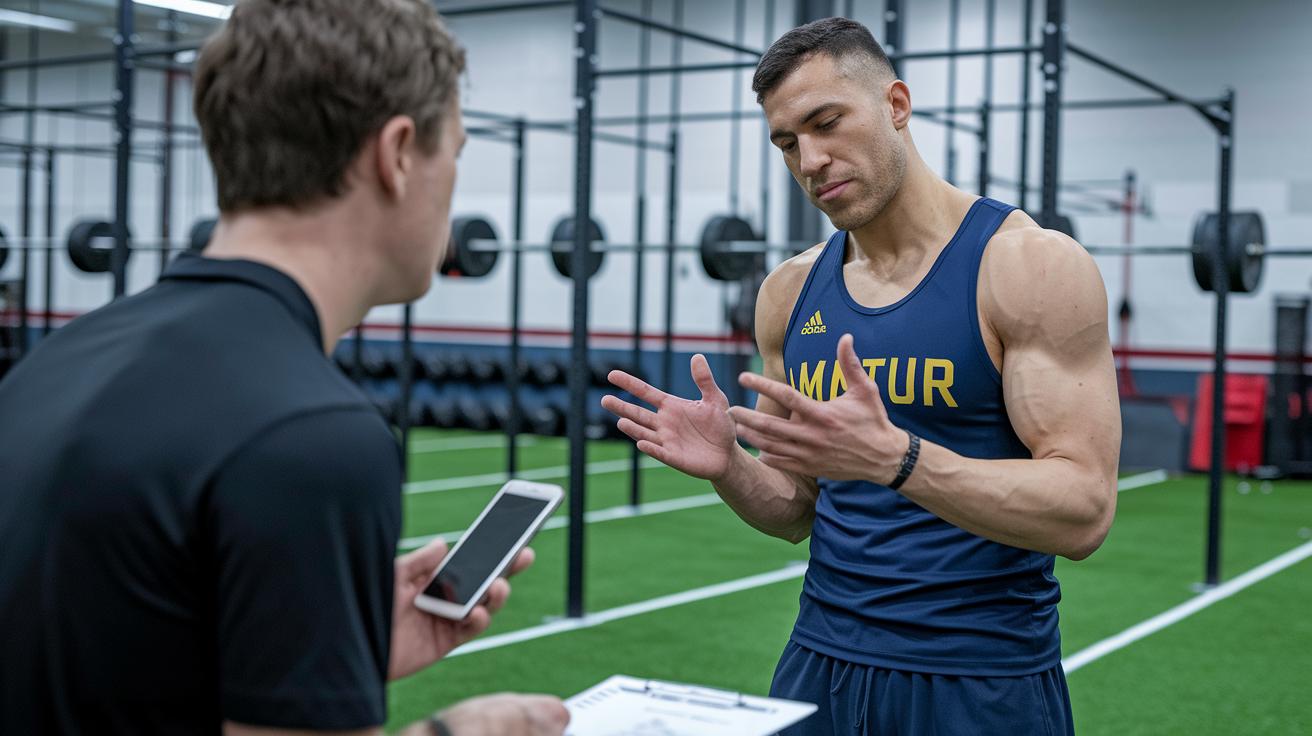
Media coaches are now using role-playing and mental rehearsals to help athletes move from stiff, defensive answers to relaxed, engaging chats. They set up drills that mimic tough questions, letting athletes practice turning tense moments into smooth conversations. For example, a coach may simulate a hard interview where an athlete calmly answers a challenging question before talking about a recent win. This shows how solid preparation can ease defensive reactions.
Coaches also rely on techniques like visualization and guided relaxation. Athletes learn simple, tailored ways to shake off their natural guardedness by practicing relaxed postures and varying their tone to sound more confident. These mock interviews help athletes reframe their mindset, making their responses feel genuine and approachable.
They also recommend regular short practice sessions so athletes can keep sharpening these skills.
Follow-Up Inquiry Methods and Narrative Extraction in Sports Interviews
Follow-up questions help interviewers dig deeper into an athlete’s story without overloading them with too many details. By using creative tactics like timeline cues (markers that place events in order) and reflective probes that spotlight key turning points, the conversation naturally unfolds. For example, you might start with a surprising fact: "Before stepping up as a key playmaker, Malik Miran Bakhsh made his debut at 47, a milestone that changed his career in unexpected ways." This approach not only highlights important personal moments but also sets the stage for a richer narrative.
New techniques now focus on asking open-ended questions that tie these big moments to the athlete’s overall journey. An interviewer might say, "How did that debut change your approach to training and preparation?" This draws out fresh details and gives the audience insights that might not come from a simple recitation of events.
By mixing these innovative methods with tried-and-true follow-up probes, the interview flows like a memorable game play. Reflective questions paired with moments that made a real difference create a story that feels dynamic and true to the athlete’s journey.
Final Words
In the action, we dove into essential sports interview practices, from solid pre-interview research and tailored question frameworks to nonverbal cues and follow-up inquiries.
We discussed methods to spark engaging stories while building genuine rapport using practical tactics from pre-game setups to post-match analyses.
Every technique contributes to dynamic interviews that capture rich narratives and lively conversations.
Embrace these insights and use the best sports interview techniques to make your sessions truly memorable.
FAQ
What are the best resources for sports interview techniques, including PDFs and Reddit recommendations?
The best resources for sports interview techniques offer downloadable PDFs and community insights on Reddit, sharing strategies like thorough research, targeted questioning, and follow-up methods for engaging athlete interviews.
What sports interview questions and answers resources are available, including PDF formats?
The sports interview questions and answers resources provide collections of common questions, printable PDFs, and examples that highlight effective inquiry techniques for conducting insightful interviews with athletes and coaches.
What can be learned from a sports interview example?
The sports interview example demonstrates building rapport through active listening and adaptive questioning, illustrating how to guide a conversation that reveals key insights and keeps athletes engaged.
What football interview questions and answers should players consider?
The football interview questions for players focus on performance, mindset, and game readiness, presenting tailored inquiries that help players share meaningful details about their experiences on the field.
What sports interview questions are commonly asked of coaches?
The sports interview questions for coaches emphasize strategic planning, team leadership, and game analysis, enabling coaches to discuss both tactical insights and the broader picture of their team’s performance.
What are the 5 P’s of an interview?
The 5 P’s of an interview include preparation, presence, probing, perseverance, and post-interview reflection, creating a structured approach that guides conversations and builds comprehensive athlete narratives.
What constitute good questions to ask in a sports interview?
The good questions in a sports interview are open-ended and context-driven, prompting detailed responses that reveal personal insights, performance reflections, and the raw energy of the game.
What is the most effective sports interview technique?
The most effective interview technique revolves around in-depth research, active listening, and flexible follow-ups, ensuring a dynamic conversation that adapts to the athlete’s responses for a deeper story.
What is the 30-60-90 question in an interview?
The 30-60-90 question in an interview asks athletes to share their short-term, mid-term, and long-term goals, providing a structured way to explore their performance trajectory and future aspirations.