
Have you ever wondered how a casual sports interview can turn everyday chat into a mirror of who we truly are? Think back to that 1930 match when a simple debate about which leather ball was best sparked talks of national pride among fans.
Today, sports interviews have grown into lively platforms that do more than just list game numbers. They let us share our stories and celebrate our culture, just like a great play on the field that leaves everyone talking.
In this post, we take a closer look at how these interviews capture our collective spirit. It goes to show that even a few words can set off big conversations.
How Sports Interviews Reflect and Shape Cultural Narratives
Sports interviews do more than just recap the game; they reveal who we are and spark big cultural conversations. Take the 1930 World Cup Final in Montevideo for example. After that match, interviews discussed a curious debate about two leather balls, one made in England that was slightly bigger, and another from Scotland that weighed a bit more. It wasn’t simply about the ball specs; it highlighted how national identities clashed and mingled on the field. Imagine that moment: a basic equipment choice turning into a symbol of deep-rooted pride and cultural dialogue.
Then, fast-forward to November 26, 2024. The reach of sports interviews has grown well beyond post-game chatter. In a lively discussion, Brandon Joseph shared his journey on Indigenous representation in sports. His interview moved past the score, diving into topics like cultural identity, empowerment, and the critical need for diverse voices in athlete media. Brandon’s insights turned a game recap into a vibrant chat about inclusivity and community pride. It’s a reminder that sports interviews are now a powerful platform for head-turning conversations that shape our collective memory and cultural narrative.
Historical Evolution of Athlete Interviews in Sports Journalism

1930 World Cup Interview and Its Structured Q&A Format
The very first soccer interview from the 1930 World Cup Final broke new ground with its simple Q&A approach. It captured memorable moments such as the debate over which ball to use – an English-made leather ball or a Scottish alternative – that was ultimately decided by a coin toss from a Belgian referee. Just picture stepping into that press room where a coin flip summed up the fiery spirit and national pride of the match.
Modern Interview Techniques: Shifting Focus Towards Cultural Narratives
Today, athlete interviews have grown into more than just game recaps. They now blend the excitement of the match with personal stories and cultural insights. A great example is the interview with Brandon Joseph on November 26, 2024, which spotlighted Indigenous representation. In that conversation, the interview went past the game details to include multimedia elements and thoughtful community perspectives. Imagine watching an interview that not only covers the play-by-play but also dives into personal histories and celebrates cultural pride.
Interview Styles and Transformations in Sports Media Coverage
In the old days, interviews focused only on match facts and simple Q&A sessions. Nowadays, the game has changed. Sports media now weaves personal stories with local flavor. Reporters look at cultural trends, the quick buzz of social media, and how new tech meets time-honored traditions. Try kicking things off with a fun detail: athletes now reveal secret locker room strategies that give fans an exclusive peek at team dynamics.
Today's interviews bring in live social media comments and instant fan reactions. Reporters from Asia, Europe, and South America add a unique twist to the conversation. Their approach shows how every region takes the classic interview and makes it its own by mixing digital buzz with old-school reporting.
| Era | Focus | Techniques |
|---|---|---|
| Early 20th Century | Basic Q&A, match facts | Simple interviews |
| Modern Day | Personal stories, cultural context | Multimedia and live fan engagement |
Additional interviews now dive into fresh trends. They shake up the old format and give fans a richer, more engaging experience.
Cultural Impact of Live and Post-Game Sports Interviews
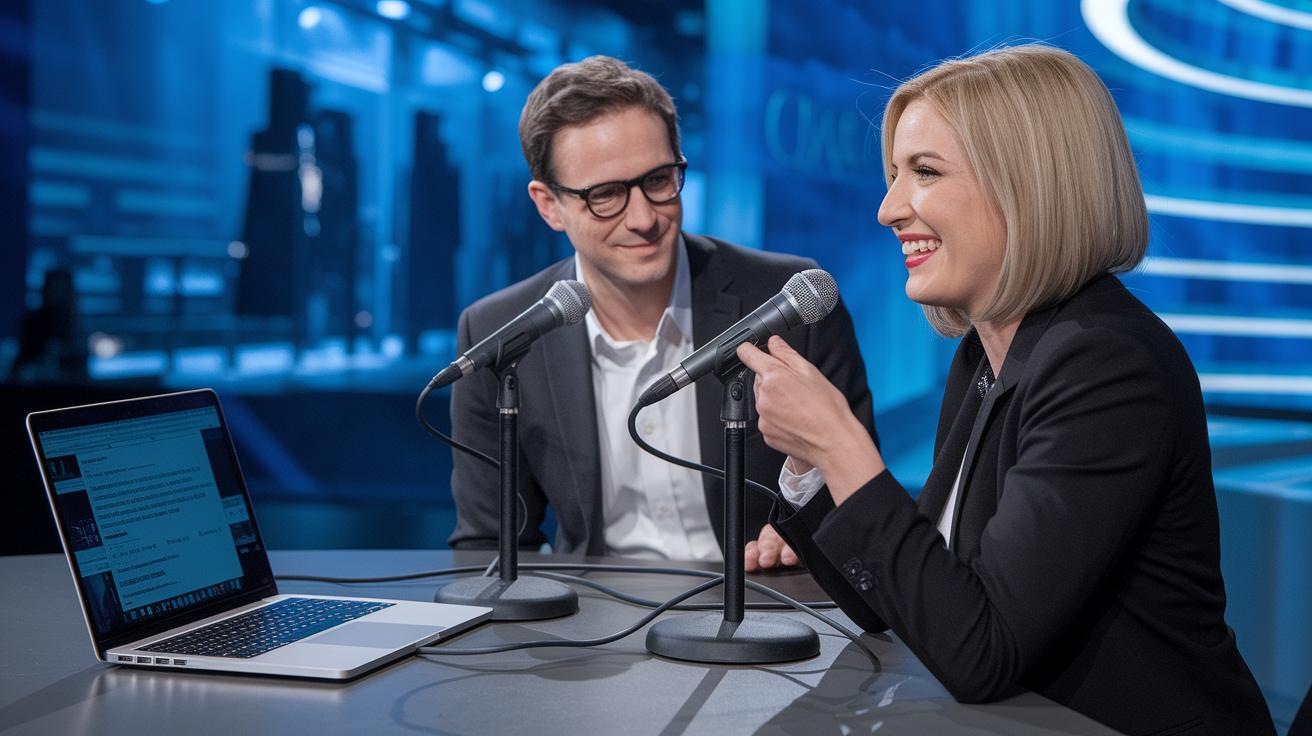
Interviews are no longer just a rundown of the game; they now serve as lively forums that capture community spirit and fuel real conversation. A long time ago, post-match chats sparked national discussions by celebrating local pride and uniting fans through shared stories. Back then, the focus shifted from just calling the plays to shining a light on the personal moments behind the score. Imagine an interview that starts with a surprising insight, turning a simple win into a tale of local strength and determination.
Today, interviews have grown even richer. They mix personal stories with thoughtful social commentary, diving into ideas like who we are and what fairness means. Think about a historic win, like Uruguay’s celebrated victory, getting retold with fresh perspectives that connect with everyone. Instead of just repeating old details, these modern interviews capture the real feelings of the game, sparking conversations that touch a wide range of audiences.
By mixing old-school inspiration with new, heartfelt narratives, sports interviews have transformed game talk into dynamic platforms. They mirror the ongoing debates in our culture and the values that bring our communities together.
Future Trends and Digital Narratives in Sports Interviews
Technology is changing the game in sports journalism like never before. Old recordings of famous interviews, such as the Q&A from the 1930 World Cup Final, are now being brought back to life through virtual reality and engaging podcasts. Imagine stepping into a VR experience where you can almost feel the tension of a coin toss that once decided which leather ball would be used on the field. It's like watching history unfold all over again.
Brandon Joseph, the co-founder of a fresh multimedia project, shows us just how deep this digital shift runs. His work mixes live social media moments with rich storytelling, making athlete interviews feel lively and personal. Today, interviews blend classic game recaps with immersive digital displays that highlight both personal stories and cultural moments. It’s a mix that really puts you right in the middle of the action.
Digital platforms are now hosting live sessions where athletes answer questions from fans in real-time. These virtual platforms combine old-school footage with today’s crisp audio and video, creating an experience that takes you back to historic moments. This change not only keeps cherished memories alive but also deepens the way we connect with sports history.
The evolution is clear. What used to be simple chats after a game are turning into interactive, multimedia conversations. With every digital livestream and immersive VR archive, the line between the old and the new blurs, paving the way for sports interviews that are as rich in culture as they are steeped in modern tech. In short, fans now have a more immersive, engaging, and deeply personal way to relive and understand sports history.
Final Words
In the action, the article zoomed in on how sports interviews mirror societal values and influence cultural exchange. It traced everything from the early 1930 World Cup interview to today's dynamic conversations that spark community dialogue. Each piece highlighted the evolution from plain match recaps to detailed storytelling embracing history and modern digital trends. This narrative reinforces the cultural significance of sports interviews while celebrating unique moments of athletic expression. Enjoy the ride as sports media continues to shape our shared story.
FAQ
What is the cultural significance of sports interviews?
The cultural significance of sports interviews is shown through historical moments and modern dialogues that highlight national pride, identity, and community values, ultimately reflecting the rich narratives of our society.
How do sports interviews shape cultural narratives in America and internationally?
Sports interviews shape cultural narratives by documenting debates, personal stories, and historic events, which mirror both American traditions and international influences while sparking discussions on identity and inclusion.
Why is cultural awareness important in sports as seen through interviews?
Cultural awareness in sports, as captured by interviews, promotes understanding by highlighting diversity and representation, enabling fans and communities to appreciate shared heritage and evolving social values.
What cultural influences are commonly discussed in sports interviews?
Common cultural influences discussed in sports interviews include discussions on national identity, heritage, and social values, which bridge historical perspectives with modern issues in both American and global sporting contexts.