
Have you ever felt that one game could change everything? Esports began with clunky, early machines and slowly evolved into the thrilling contests we see now. From the very first Spacewar! tournament at Stanford (an early spark in a revolution) to the high-energy matches streamed online today, every stage built up to epic wins.
In this post, we'll revisit five unforgettable victories in esports history. Each triumph stoked fierce rivalries and captured the passion of gamers all over. Get ready to relive the moments that transformed digital play into the global phenomenon it is today.
Evolution of Esports: A Chronological Overview
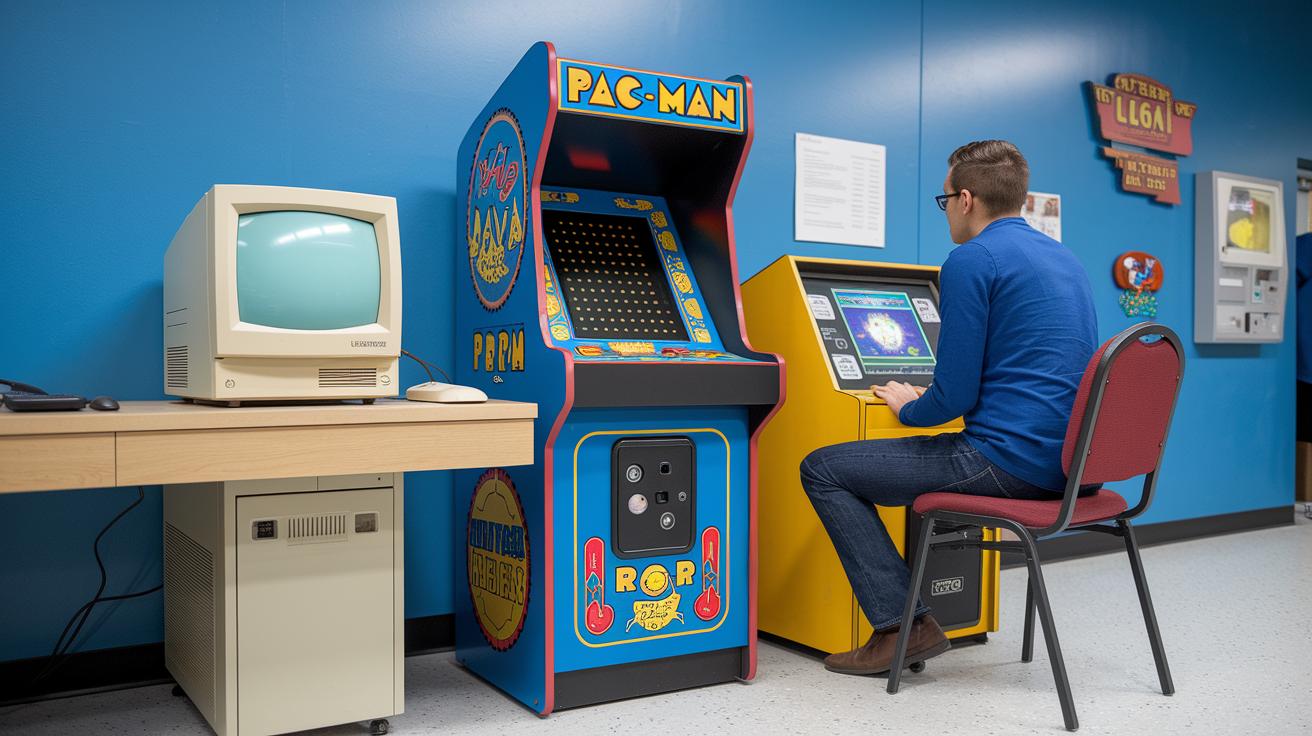
Back in 1947, the invention of the cathode-ray tube amusement device sparked the idea of interactive gaming. This early gadget paved the way for people to touch and engage with digital contests, hinting at a lively esports journey ahead.
Then, in October 1972, history was made at Stanford University with the first documented esports tournament featuring Spacewar!. Gamers competed for a year-long magazine subscription, setting the stage for future organized competitions. It was a moment that lit a fire under early enthusiasts and laid down the basic rules of competition.
In the 1980s and 90s, arcade games like Pac-Man and Donkey Kong brought fierce local rivalries to life. Gamers raced to top public leaderboards, turning high scores into local legends. At the same time, home consoles stirred up more casual play, widening the horizons of competitive gaming beyond the arcade.
Later on, events like DreamHack and CPL in the late 1990s to the 2000s transformed small LAN parties into major tournaments. Fans cheered as real-time strategy and first-person shooter games turned friendly matches into community events with dedicated followers.
From 2011 to 2019, streaming platforms such as Twitch and YouTube Gaming changed the game entirely. With esports revenues soaring to $1B and viewership approaching half a billion, this era proved that esports had grown into an international, multi-billion-dollar industry.
Contextualizing the Inception of Competitive Gaming
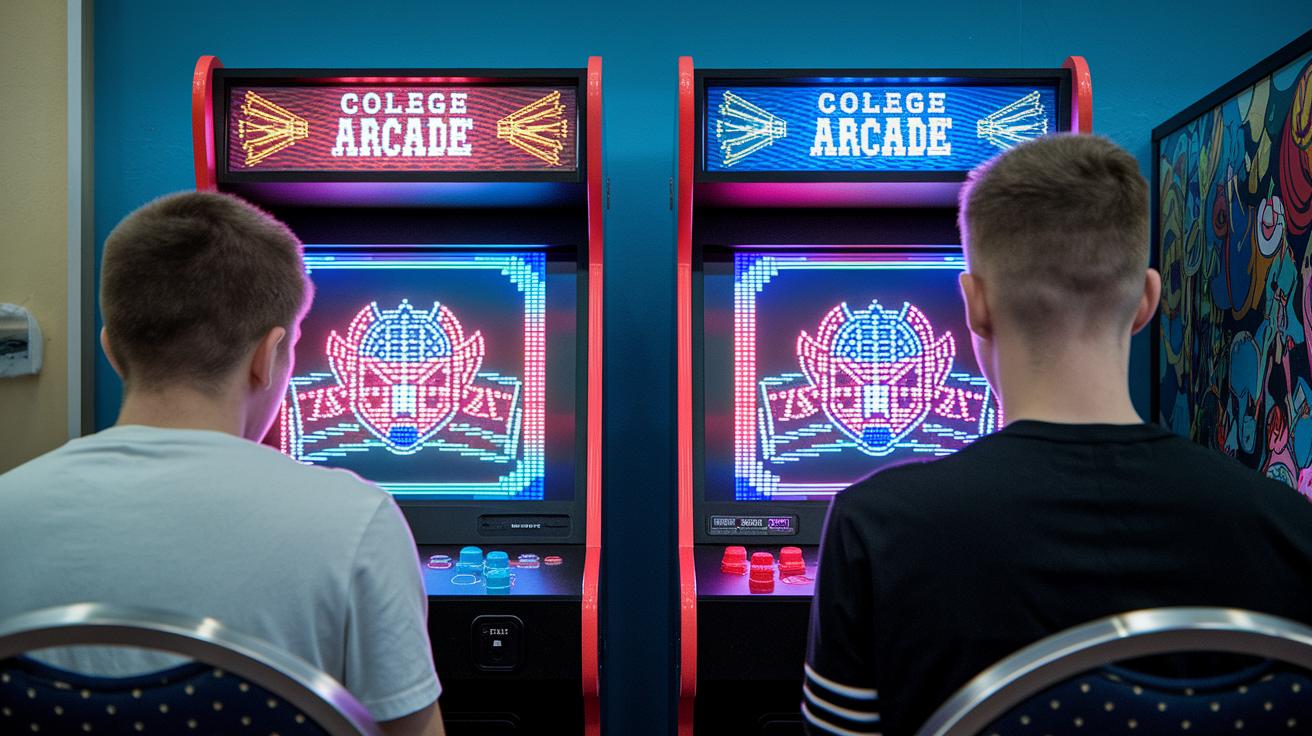
Early CRT devices set the stage for competitive gaming by bringing players face-to-face with flickering screens. Back then, these clunky yet groundbreaking machines made digital contests feel just as exciting as a live sports match. Imagine scores being tallied on a bulky display, it was an electrifying start to organized play.
The Spacewar! tournament at Stanford really kicked things up a notch. Think of it like a classic game that defined teamwork and fair play. This event established clear rules and created a winning formula for tournaments that still influences digital competitions today.
Around the same time, local gaming clubs began popping up on college campuses and in neighborhood arcades. These groups were like mini sports teams, united by a shared passion and a competitive spirit. They proved that the mix of new technology and genuine human connections was the perfect recipe for launching electronic sports.
How Arcade and Home Consoles Influenced Early Competitions
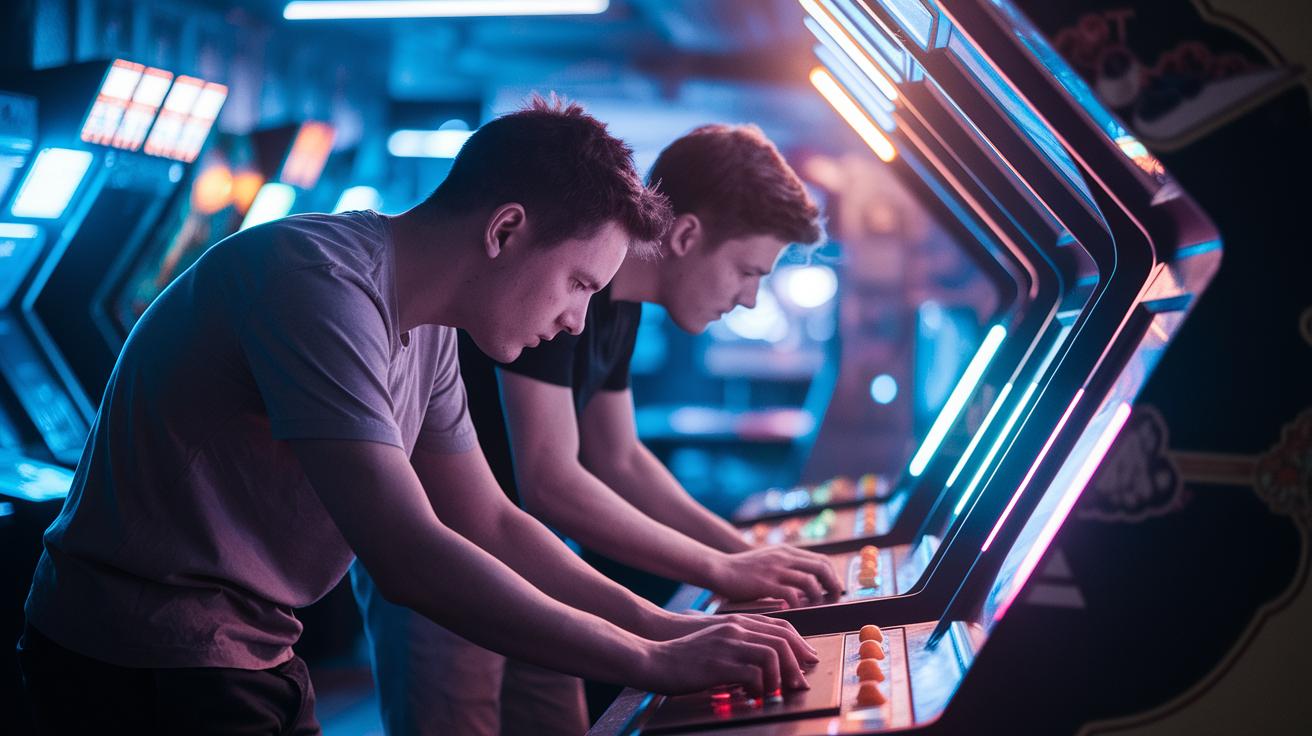
Arcade machines fired up a competitive spirit that changed from region to region. In many towns, these game centers weren’t just places to play, they were community hubs where local pride shone as brightly as the highest scores. In some neighborhoods, friendly battles over high scores brought people together, making every game feel like a local rivalry.
Key factors like leaderboards, media coverage, prize mechanics, and accessibility helped fuel this excitement.
Home consoles pushed the competition into our living rooms. At-home leagues turned family game nights and neighborhood showdowns into memorable contests that added new twists to digital competition. Have you ever felt that rush when your living room became your own battleground?
Impact of Network Technology on Competitive Gaming’s Expansion
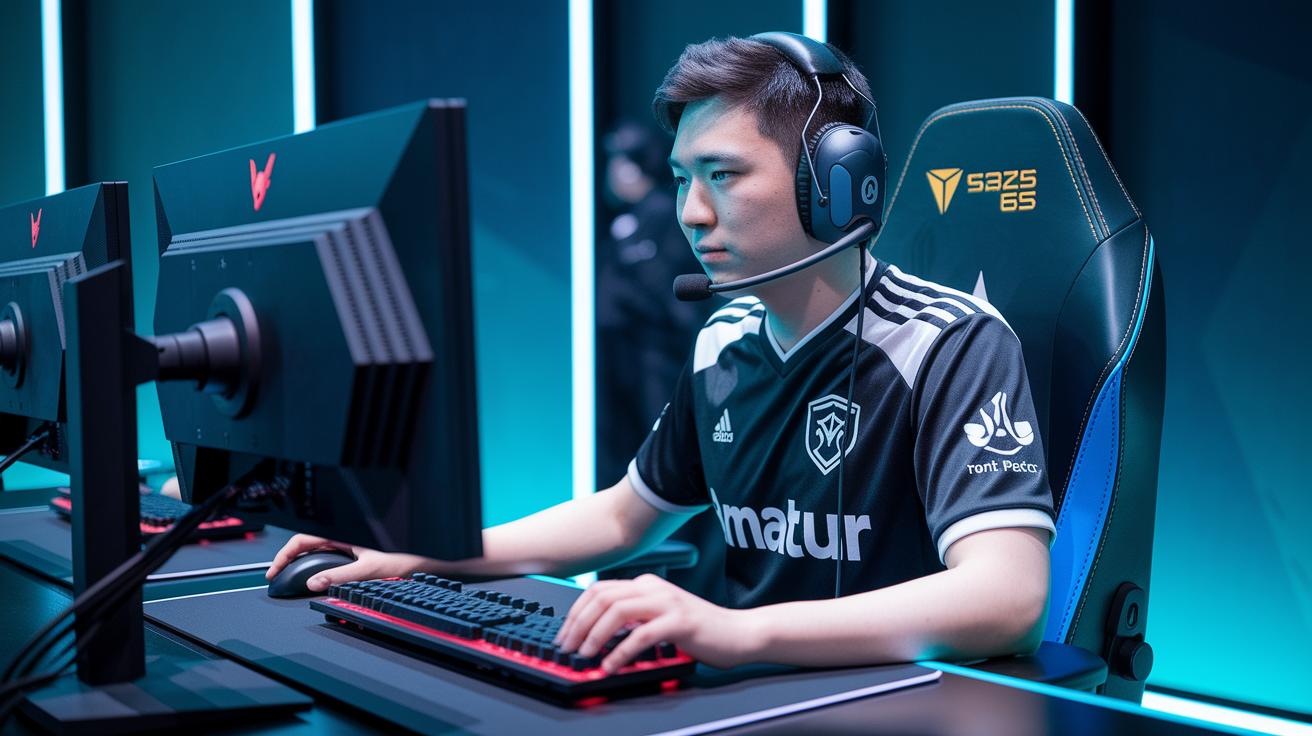
Broadband technology changed the game for competitive gaming. It helped players find matches quickly and let fans enjoy exciting viewing experiences. Local tournaments grew into organized events with clear rules and nonstop action. It’s like moving from a neighborhood pickup game to a stadium match, all thanks to faster online connections.
Improved networks also turned small LAN tournaments into international circuits. Sponsors saw the huge online crowds and jumped in with big broadcast deals and commercial backing. This extra support pushed teams to perfect their strategies and added a professional touch. Early cyber sports events transformed into well-organized, high-stakes competitions that now attract fans from around the world.
Online platforms completely reinvented how fans join in the fun. Watching live streams and chatting with players in real time became the norm. Teams got real-time data that helped them adjust their moves, while global connectivity allowed new talent to shine. These breakthrough matchups made esports a global phenomenon, igniting passion and unity among gaming communities everywhere.
Driving Mainstream Adoption Through Streaming and Professional Leagues
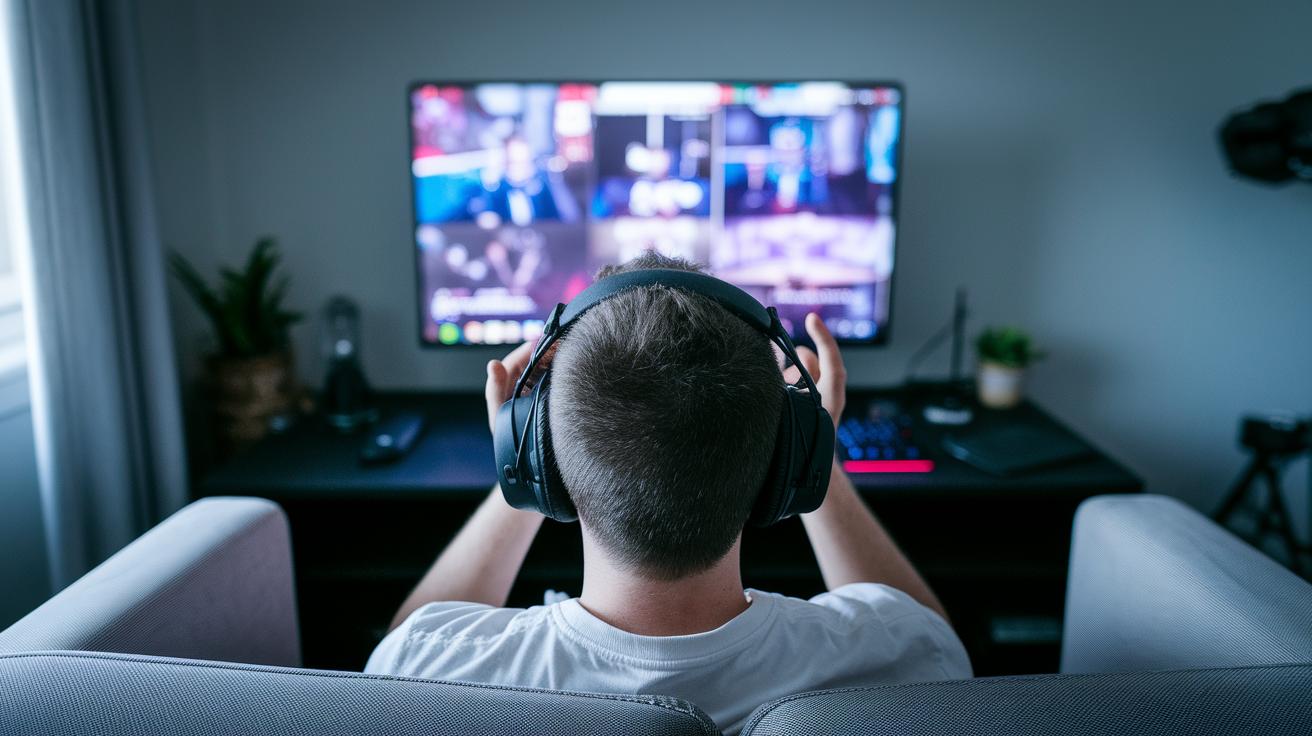
Streaming platforms have really shaken up the world of competitive tournaments. They let fans join in live, turning quiet watchers into active participants. Platforms like Twitch and YouTube Gaming give everyone a chance to get closer to their favorite teams and players. Virtual cheers, live chats, and on-the-spot reactions are now everyday parts of the esports show. With new tools and ever-improving streaming tech, professional leagues have found creative ways to make every match feel more exciting and personal.
Building on this success, pro leagues set fixed game schedules and introduced fresh franchise models that caught the eye of major sponsors. Esports events that stick to a league calendar and mix in cool fan tools give everyone a feeling of being right in the middle of the action. Have you ever felt like you were part of the game even from your home? Advertisers and brands quickly saw the value in tapping into a tech-savvy, global crowd, and revenue started to climb. As fan experiences grew more engaging, more people tuned in, making esports a true part of mainstream entertainment and setting the stage for even more growth in both fans and finances.
| Tool | Feature | Impact |
|---|---|---|
| Chat | Instant viewer interaction | Brings fans closer and ups participation |
| Virtual Currency | Rewards displayed during play | Boosts small transactions and supports viewers |
| Viewer Rewards | Extra content and loyalty perks | Keeps audiences coming back for more |
Future of Esports: Education, Technology, and Emerging Trends
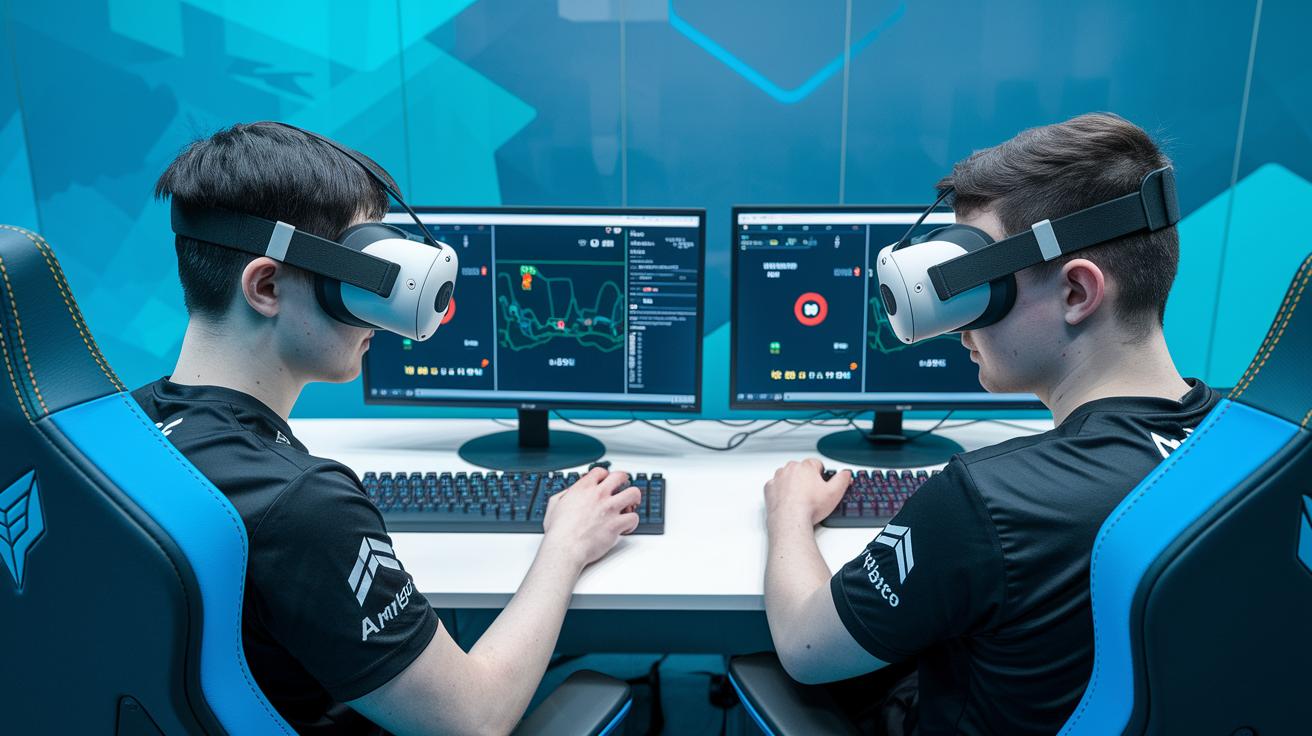
Universities and high schools are stepping onto the field by launching esports management and content creation courses. This change is turning gaming into a serious area of study where smart ideas meet the fast energy of digital tournaments. Kids and adults alike are learning the technical skills as well as the business smarts needed to do well in a game world that is always changing.
Tech like VR/AR (virtual and augmented reality) and cloud gaming is about to change the playbook, making digital contests even more fun and interactive. Imagine the latest tech teaming up with classic gaming strategies to create brand new cyber competitions. With AI-powered training tools and real-time data tracking, teams will soon get sharper insights that boost their strategy and gameplay, all set to take off by 2025. This mix of school learning and hands-on game experience is paving the way for pro gaming to reach new heights.
New learning programs alongside breakthrough tech are reshaping how we enjoy esports. The key trends for the next decade are:
| Trend | Description |
|---|---|
| School Programs | Esports courses in universities and high schools introducing students to gaming careers |
| Immersive Formats | New VR/AR competitions that bring gaming closer to a real-life experience |
| Cloud Gaming | Tournaments run online using cloud technology for smoother play |
| AI Training | Data-driven tools that fine-tune tactics and player preparation |
| Pro Gaming Integration | A closer mix of academic study and professional gaming culture |
Final Words
In the action, we journeyed through the early digital contests, arcade competitions, and online transformations that shaped e sports history. We explored how streaming and professional leagues sparked global excitement and unearthed fresh challenges. We also eyed emerging educational moves and tech trends that promise to reshape the game. Each milestone builds a thrilling legacy, paving the way for more spectacular moments ahead. It's inspiring to see how passion and progress continue to elevate sports for everyone.
FAQ
How can I access and download Esports History games, including APKs and game crack versions?
The Esports History game download refers to official, secure releases available on trusted platforms. Always choose verified websites for APK downloads and avoid unauthorized cracks to keep your device safe.
What are some of the top esports games and how do they shape competitive play?
The top esports games include popular titles across various genres that fuel competitive play. These games attract huge audiences, inspire innovative tournaments, and drive community engagement worldwide.
What was the first esports tournament, when did competitive gaming begin, and what was the first major event in esports history?
The initial documented esports tournament started in October 1972 at Stanford AI Lab with Spacewar!, a milestone event that marked the formal start of competitive gaming and set the stage for future major competitions.
How did esports become so popular?
Esports became popular through live streaming innovations, increased sponsorship, and fan-driven events that brought competitive gaming into the mainstream, captivating diverse audiences around the globe.
Who is considered the father of esports?
The title of the father of esports is generally given to early pioneers who laid the groundwork for organized competitive gaming, though no single individual claims full credit as community efforts drove its evolution.
What defines an esports tournament?
An esports tournament is a structured competition where individual players or teams face off in organized brackets, supported by live broadcasts, professional oversight, and sponsor-backed formats that enhance the gaming experience.