
Have you ever noticed how sports interviews crackle with life more than ever? Back in the day, radio let us hear athletes in their raw, unfiltered voices, much like a live game with every shout and cheer. Today, we get interactive moments that feel like watching an epic play unfold, where even the digital clips catch every pulse and emotion.
Every step forward in technology has layered on more excitement to how stories are told. With each new twist, our connection to the game grows deeper, reminding us of that exhilarating feeling when the play of the game brings us together.
Key Phases in the Evolution of Sports Interviews
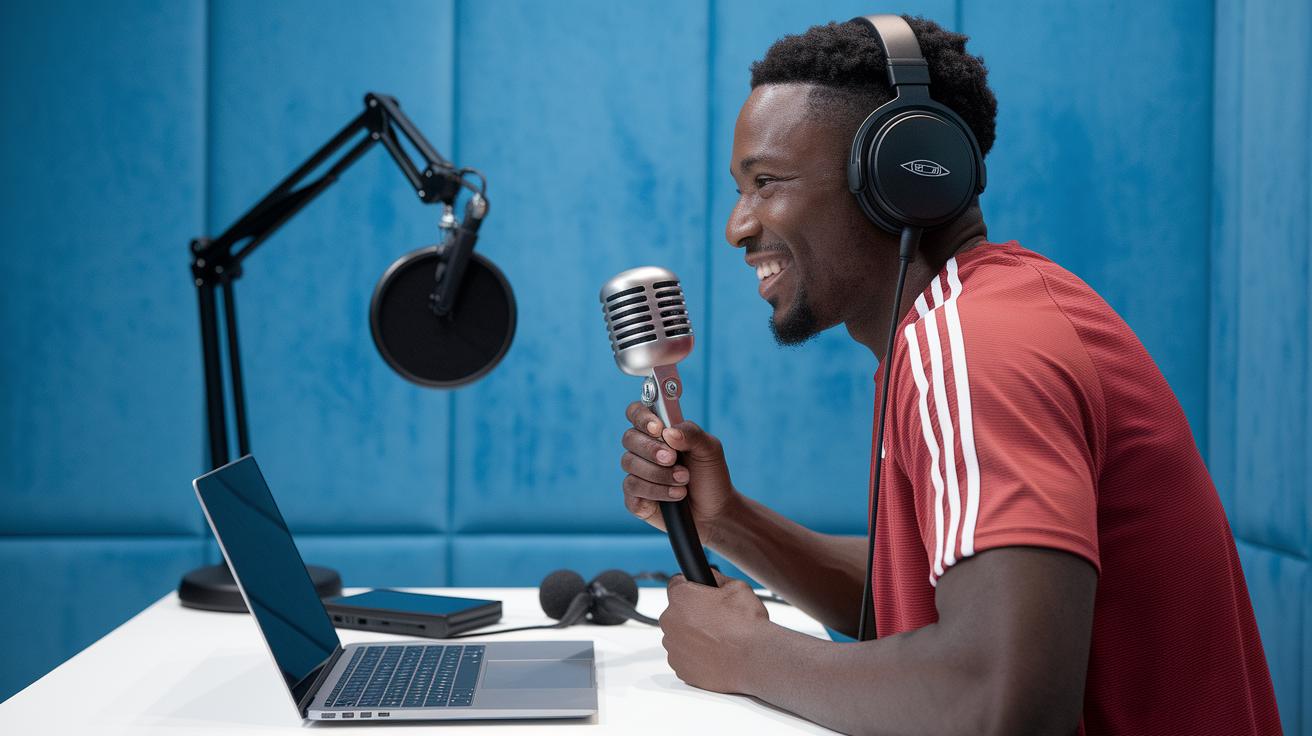
The evolution of sports interviews is a lot like watching an exciting game unfold. It all started with simple live call-ins, and over time it blossomed into the deep, layered storytelling we enjoy now. Imagine tuning in on a small radio and feeling the raw energy of a live chat with an athlete. Today, you can stream a polished, digital segment no matter where you are.
| Era | Years | Key Innovation | Primary Medium |
|---|---|---|---|
| Radio Era | 1920s-1940s | Live call-in interviews | Radio |
| Television Era | 1950s-1970s | Visual storytelling | TV |
| Cable Era | 1980s-2000s | Extended live segments | Cable Networks |
| Digital Era | 2010s-Present | Multiplatform content creation | Internet & Mobile |
Every phase stacked new layers on top of the previous one. The Radio Era brought the magic of live voices directly into fans' ears. Then TV stepped in with visuals, adding emotion and depth to each story. Cable networks heightened the experience by offering longer, engaging segments that let you relive every key moment. Today, the Digital Era gives us flexible, interactive content that makes sports interviews more dynamic than ever. Have you ever felt the thrill of watching these changes play out like a game-winning play?
Origins of Sports Interviews: Radio and Print
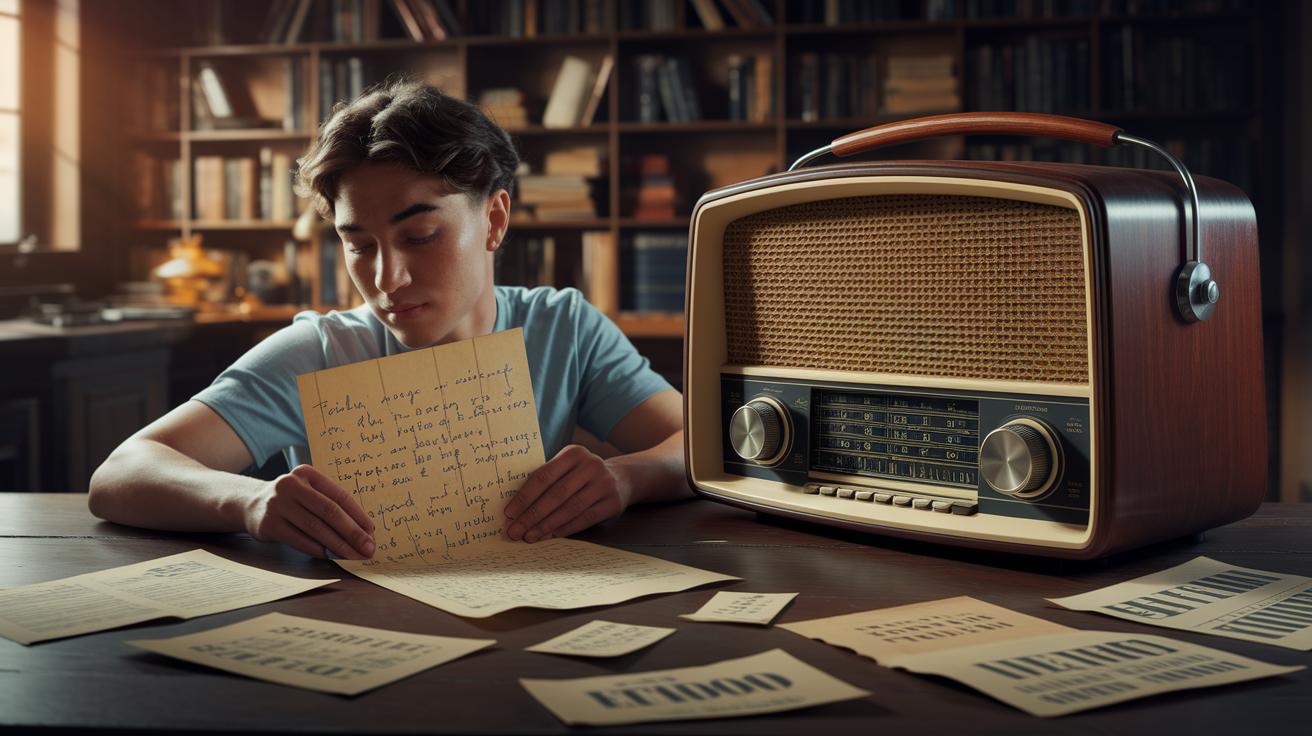
Long before the era of digital chatter, newspapers were the first to pull back the curtain on athletes' lives. You know, athletes answered simple Q&As and shared in-depth editorials that let fans in on their pre-game rituals and inner thoughts. Imagine finding a handwritten interview where an emerging star explains his pre-game routine in a genuine, heartfelt way. These early written features were the building blocks for the vibrant, interactive sports interviews we enjoy today.
Then, during the 1920s through the 1940s, radio exploded onto the scene and brought a whole new spark to athlete interviews. Suddenly, fans could catch live call-in segments and hear the raw, unfiltered voice of a player right after a game. Picture tuning in and hearing a player answer questions on the spot, it was like being part of the excitement in real-time.
In those early days, sports reporting wasn’t taken as seriously as other news beats. Hunter S. Thompson even joked that it was the “toy department” of journalism, hinting at its casual, laid-back vibe. This relaxed atmosphere opened the door for creative, offbeat conversations that would eventually lead to the more engaging and in-depth interviews we see today.
Cable Era Shifts in Sports Interviews
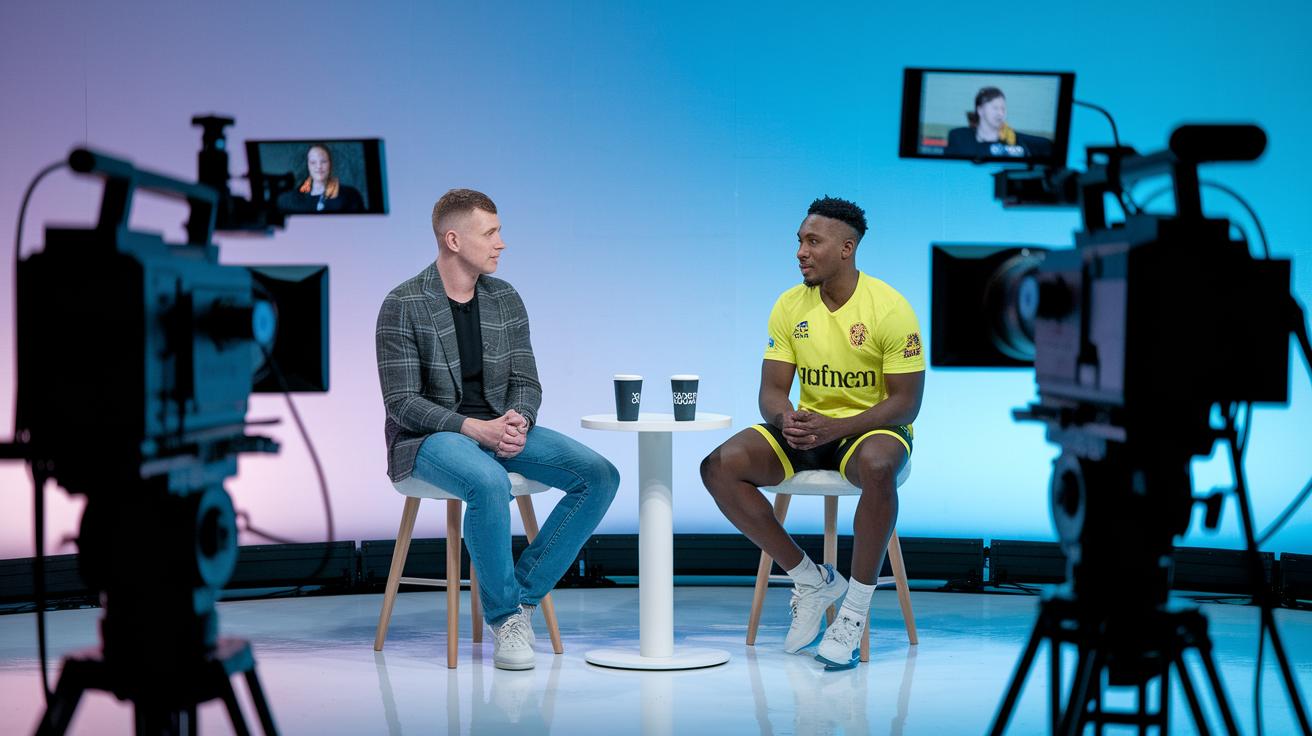
Since ESPN launched in 1979, production teams began trying new techniques that changed the sports interview scene. They started recording continuously to create long, unbroken segments. One producer said, "We weren't just filling airtime; we were capturing raw stories as they unfolded." This shift brought a fresh, authentic style to sports storytelling.
Soon after, cable networks organized relaxed, unscripted panels where athletes and experts could chat casually. The goal was to capture natural banter, much like a post-game conversation among friends. A technician explained, "We let the discussion flow naturally, like talking with an old friend after a rigorous game." This approach moved away from stiff, pre-planned interviews and made the conversations feel genuine.
Broadcast teams also got creative by turning these extended interviews into short, punchy highlight clips. Production crews kept an eye out for key moments during the recordings, ready to share them later. An editor recalled, "We pinpointed that one magic moment and made sure it shined on its own." This strategy helped bring the depth of long conversations to a larger audience without losing any of their real-life energy.
Digital Age Sports Interviews and Modern Techniques
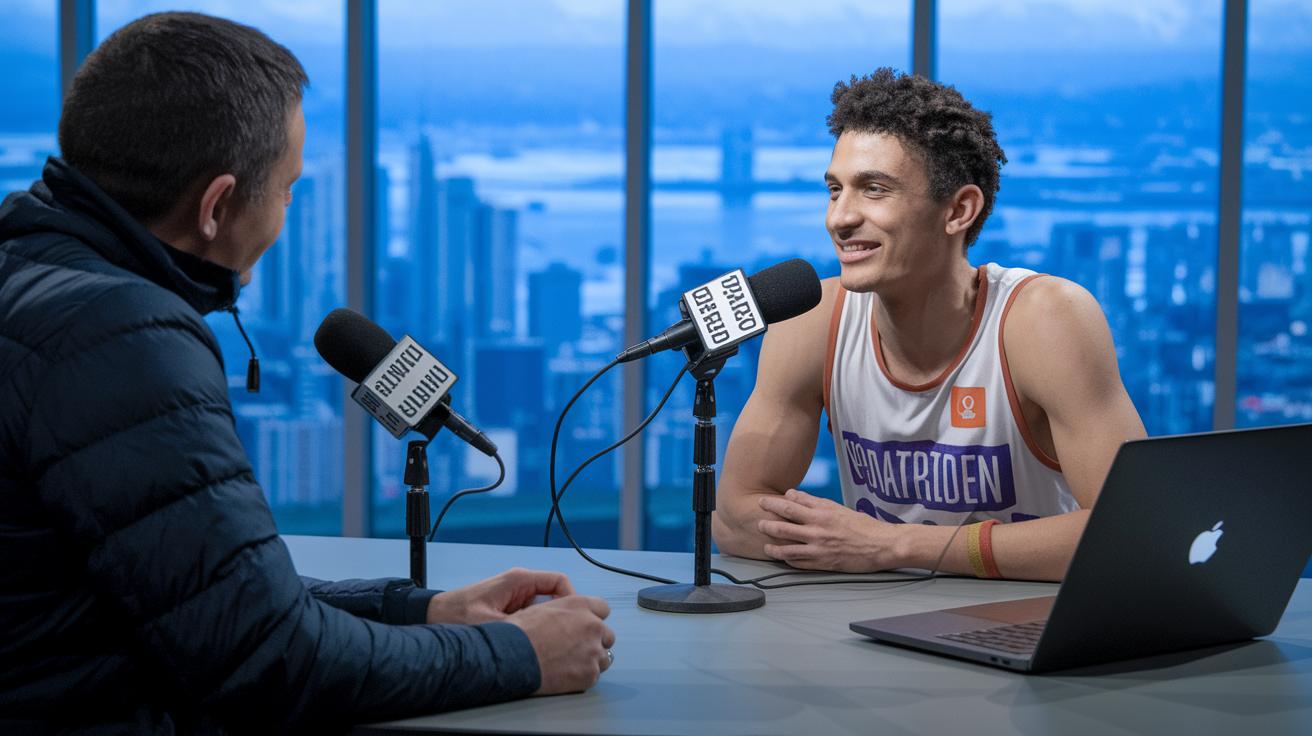
Today, making a sports interview is easier than ever. With just your smartphone and a simple camera, you can produce a pro-looking interview. Affordable gear and the internet have turned small setups into real broadcast studios. It takes only passion, creativity, and digital tools to get started.
These days, interviews mix live Q&A sessions with planned storytelling to create fresh and engaging conversations with athletes. Curious about current techniques? Check out "Best Sports Interview Techniques" (https://sucrearchive.com?p=176) to see modern practices in action.
Exciting digital tools are changing the game. For example, livestream apps let fans tune in live and chat in real time. Social-media polls bring viewer questions right into the conversation. There are also podcast series that let us dive deeper into athlete stories.
There are interactive video formats, too, where you can pick different views or follow special features. Virtual reality and 360° interviews give you an immersive feel, you might almost think you're there on the field. Plus, athlete-run vlogs add a personal, behind-the-scenes look at daily training and life.
These modern interviews let fans enjoy sports in ways old broadcasts never could. You can watch a live stream and then see bite-sized clips later, blending real-time excitement with on-demand convenience. Each conversation feels personal, almost like chatting with a friend during an unforgettable game.
Behind-the-Scenes in the Evolution of Sports Interviews
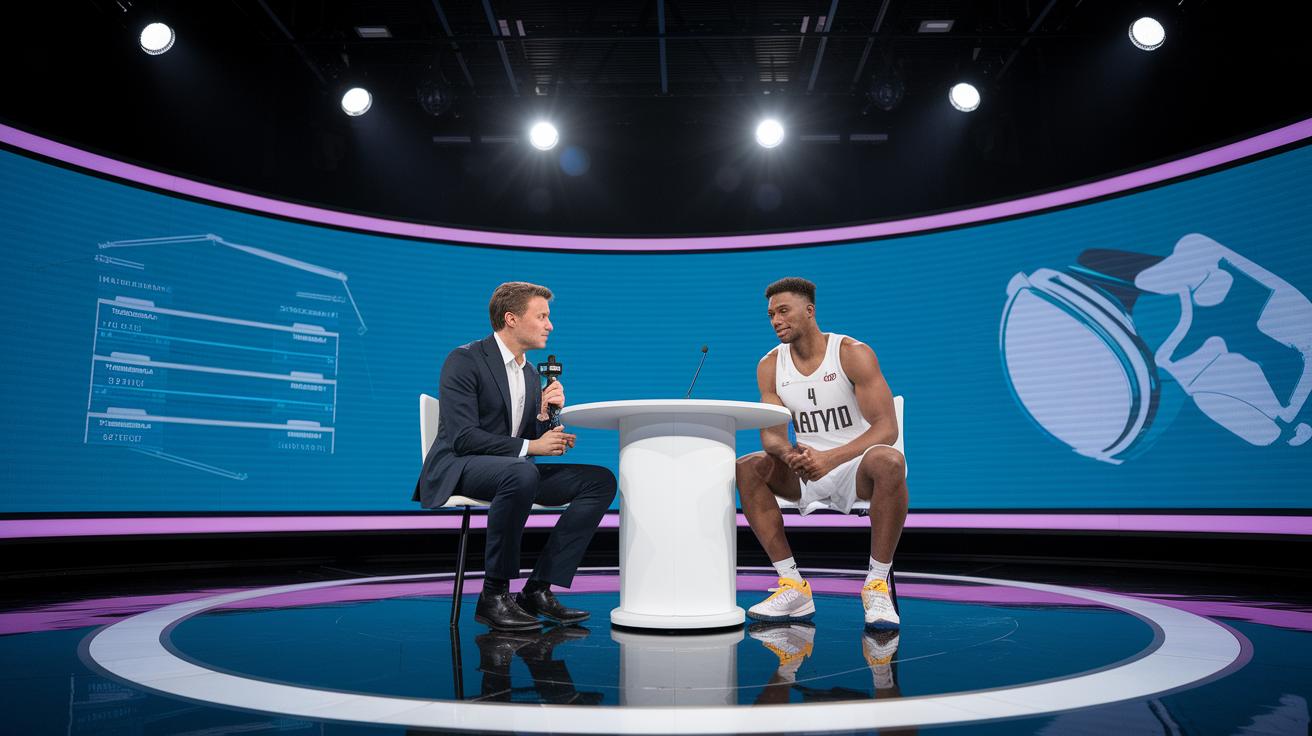
Behind the scenes, production crews have stepped up the game of sports interviews. Instead of relying on just one reporter, modern setups now mix multiple camera angles, remote feeds, and live graphics to capture every key moment. A crew made up of videographers, sound experts, and coordinators works in harmony to give each interview that dynamic, authentic feel, much like a perfectly executed team play.
Tech upgrades have completely changed the scene. Today's cameras serve up crisp visuals while new editing tools add polish to every segment. Cool innovations like live-data pairing and on-screen graphics layer in extra storytelling magic that was once hard to imagine. These tools let crews switch effortlessly between spontaneous moments and planned shots, making the final production look smooth and high quality.
The behind-the-scenes team also shapes the flow and dialogue on air. Producers, directors, and graphic teams plan every segment to keep the energy and pace just right. Their teamwork transforms raw clips into engaging stories, mixing natural athlete interactions with purposefully timed sequences. In short, this collaboration lifts every sports interview, making it a visual and emotional treat for fans at home.
Emerging Trends Shaping the Future of Sports Interviews
Industry insiders are warning us of a sponsorship crisis that is shaking up the way sports interviews are done. Leagues are under pressure to let go of outdated business models and try new, flexible ways to set up interviews. This change is pushing media teams to forge fresh partnerships and create stories that hit home with fans while keeping the business side in check.
Some new ideas include global video-feed press conferences that let teams and athletes connect from all over the world. These setups cut back on travel and shrink carbon footprints, paving the way for a more sustainable approach. And they add a friendly twist by offering real-time, interactive chats with fans.
A mixed model that combines live Q&A sessions with planned storytelling segments is set to change the interview game. In this setup, unexpected on-air moments mix with well-prepared narratives that give us a deeper look into an athlete’s world. In short, this blend promises interviews that are both exciting and thoughtfully crafted, taking sports communication to new creative heights.
Final Words
In the action, we walked through the remarkable path from radio call-ins to today's dynamic digital forms, shining a light on sports interviews’ vibrant history. We captured key moments, radio and print origins, the rise of cable innovations, and modern digital twists that keep audiences engaged. Each phase built on its predecessor, molding today’s interview landscape. This journey through the evolution of sports interviews sparks excitement over how past trends continue to shape memorable sports moments.
FAQ
What are the key phases in the evolution of sports interviews?
The evolution of sports interviews unfolds in phases: Radio Era, Television Era, Cable Era, and Digital Era, each marking significant shifts in technology, format, and storytelling styles.
How did print and radio shape early sports interviews?
Early sports interviews began in print with Q&A features and moved to live radio call-ins, laying the foundation for today’s dynamic athlete interactions.
What impact did cable networks have on sports interviews?
Cable networks transformed sports interviews by launching round-the-clock talk shows and longer segments that could be repackaged into highlight clips, adding a personal touch to the coverage.
How have digital innovations transformed sports interviews?
Digital advancements have redefined sports interviews by enabling livestreams, podcasts, and interactive formats that make athlete conversations accessible and engaging for fans everywhere.
What behind-the-scenes changes influence modern sports interviews?
Behind modern sports interviews are multi-camera setups, remote feeds, and real-time graphics, with dedicated teams crafting the production to enhance on-air dialogue and presentation.
What future trends may shape the future of sports interviews?
The future of sports interviews may feature hybrid live formats, global video-feed press conferences, and sponsorship-driven models, blending real-time interaction with high-production storytelling.