
Ever wonder if a team’s setup is the secret sauce behind those winning plays? Think of football formations as a game plan that neatly arranges every player, like a handy blueprint turning each move into a smart play.
In this post, we explore how these tactical layouts build a tough defense and kick off quick, coordinated attacks. Have you felt the rush when a team moves perfectly in sync? That’s the magic of formations lighting up the field and driving teams to score those crucial points.
Defining Football Formations: Tactical Foundations

Football formations are like a game plan drawn out on the field. They show exactly where each player should be, setting up the team to both defend and attack. Think of it as a numbered roadmap that simplifies all the movement during a match. Remember when Pep Guardiola compared formations to phone numbers, hinting that players naturally move beyond their set spots? It’s a neat way to see that strategy can be flexible.
Coaches use these setups to break the game into clear, manageable roles. This makes it easier to plan plays and switch strategies as the game unfolds. With each position marked by a number, complicated moves turn into simple actions everyone can follow. Here are five ways these formations boost a team’s performance:
- They keep the backline steady for a strong defense.
- They help control space and manage the flow of the game.
- They clearly define each player's role for smooth transitions.
- They set up well-coordinated attacking moves.
- They allow quick tactical adjustments when things change on the field.
These ideas aren’t just theory, modern coaches use them as the basis for training and game plans. By putting a solid formation in place, teams can come together quickly and perform like a well-oiled machine.
Evolution of Football Formations: From 2-3-5 to Present

Soccer tactics have changed a lot over time as teams adjust to faster play, sharper skills, and smarter strategies. In the early days, teams piled on the offense with formations that were all about scoring. Later on, however, coaches began balancing a strong attack with tougher defense, making sure every player had a role both up front and at the back.
| Formation | Era/Decade | Key Features |
|---|---|---|
| 2-3-5 | Early 1900s | Focused mainly on attack with five forwards and little defense |
| WM | 1930s | Started balancing with a more organized defense and midfield |
| 4-4-2 | 1960s-70s | Featured a solid defensive line and two rows of four, promoting balanced play |
| 4-3-3 | 1980s | Stressed the importance of width in attack with a flexible midfield |
| 4-2-3-1 | 2000s | Linked midfield and attack dynamically with two defensive pivots |
Today, coaches build on these classic ideas, blending past innovations with modern techniques to meet the ever-changing pace and challenges of the game.
Classic 4-4-2 Football Formations: Structure and Analysis

The 4-4-2 setup is a fan favorite because it neatly divides the team into three clear groups: defenders, midfielders, and forwards. Four solid defenders form the backbone, four midfielders link play by defending and attacking as needed, and two forwards spearhead the offense. This balanced design makes it easy for teams to shift gears during a match. Coaches love its simplicity since every player quickly knows their role, whether it's sticking to an opponent or making a run down the side.
Strengths
This formation really comes alive with its balanced midfield and use of the flanks. Two central midfielders support both ends of the pitch, while the wide midfielders stretch the game, opening up space for the forwards. The four defenders work together to handle one-on-one challenges during the heat of the battle. It’s like watching a well-rehearsed play where everyone knows exactly where to be when the pace picks up.
Weaknesses
Even though the 4-4-2 keeps things balanced, it can sometimes be caught off guard. Opponents might overload the wings or find gaps in the middle, leaving the forwards feeling a bit isolated. When a rival team packs the center, the midfield might struggle to keep control. Coaches often need to stay sharp and tweak the formation mid-game if they encounter teams with extra creativity and flexibility.
Variations
Coaches often mix things up to suit their team's strengths. Some teams shift to a diamond midfield to gain extra control in the center, while others stick to a flat line of four to keep that natural width. These tweaks allow teams to adjust on the fly, depending on their opponent and the flow of the game. In short, the 4-4-2 remains a popular choice because it offers both clear structure and a bit of tactical freedom.
Modern 4-3-3 Football Formations: Tactics and Variations

The modern 4-3-3 formation is all about a lively midfield trio that sets the game’s pace while three forward players push high, stretching out the opposing defense. This layout is loved for mixing tight, pressing play with creative, wide attacks. Coaches like that it lets wing-backs join in overlaps on the sides while central midfielders quickly switch from defense to counterattacks. Plus, teams use tools like football match analysis software (which tracks player movement) to tweak tactics on the fly, ensuring every player knows their job even as positions change.
| Variation | Description | Tactical Focus |
|---|---|---|
| Flat 4-3-3 | A classic setup with evenly spaced midfielders and forwards playing as a united line. | Creates balance with steady pressing and clear attacking lanes. |
| 4-3-1-2 False Nine | Moves an attacking midfielder lower to confuse defenders and open up the field. | Focuses on quick, unpredictable forward runs to exploit gaps. |
| Inverted Wingers | Wingers drift inside to make room for fullbacks to overlap along the flanks. | Combines central overloads with fast, width-based attacks. |
Choosing the right version depends on the team’s skills, the enemy’s style, and the match conditions. If a team values structure and clear roles, a flat 4-3-3 works well. But if you want to surprise the opposition with rapid, fluid moves, a 4-3-1-2 false nine might be ideal. And when using inverted wingers, teams can pull defenders out of shape and find space in the middle. Each variation works well with today's focus on tight midfield control and pressing tactics, giving teams the flexibility to change their game plan as needed.
Innovative 4-2-3-1 Football Formations: Design Principles
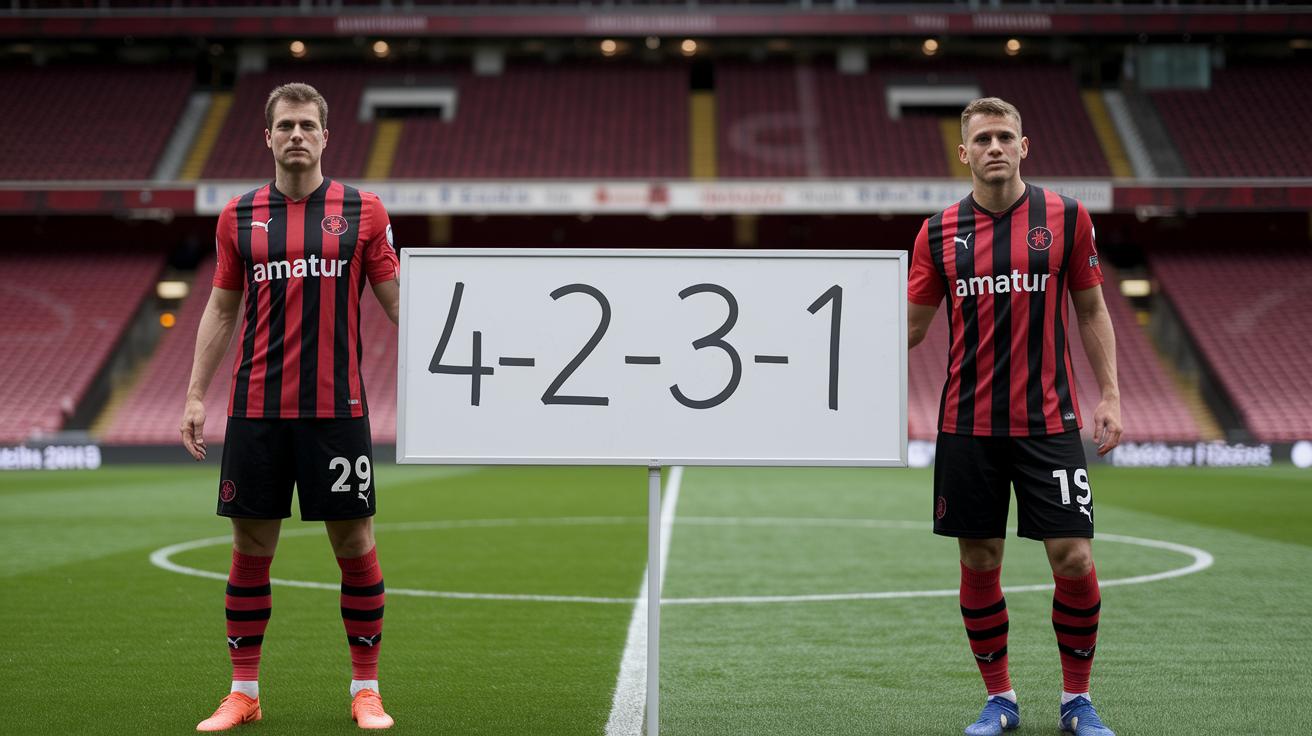
The 4-2-3-1 formation is a smart blend of balance and creativity. It sets up a strong defense with two central midfielders who work side by side while opening up plenty of room for exciting attacks. Coaches love it because it provides both structure at the back and flexibility up front, so everyone knows their role and can change tactics quickly during the game.
- Double-pivot coverage: Two midfielders team up to protect the defense and help spark fast counterattacks.
- Space creation by the No. 10: The attacking midfielder finds gaps in the opposition's setup, linking the defense with the striker.
- Counter-press triggers for turnover: Frontline pressure makes opponents give up the ball, leading to speedy breaks.
- Fluid attacking transitions: Smooth shifts between defense, midfield, and attack help the team outsmart their rivals.
- Balanced defensive stability: A well-organized backline and clear midfield roles work together to close down spaces for the other team.
- Dynamic team structuring: Adjusting player roles during matches lets the team respond perfectly to different phases of play.
Coaches can tweak the setup based on who they face. Sometimes they ask the No. 10 to drop deeper or instruct fullbacks to move up when facing teams that keep a lot of possession. In short, the key is to watch the opponent closely and adjust the formation to play to your team’s strengths.
Defensive Structure in Football Formations: Rear Guard Analysis
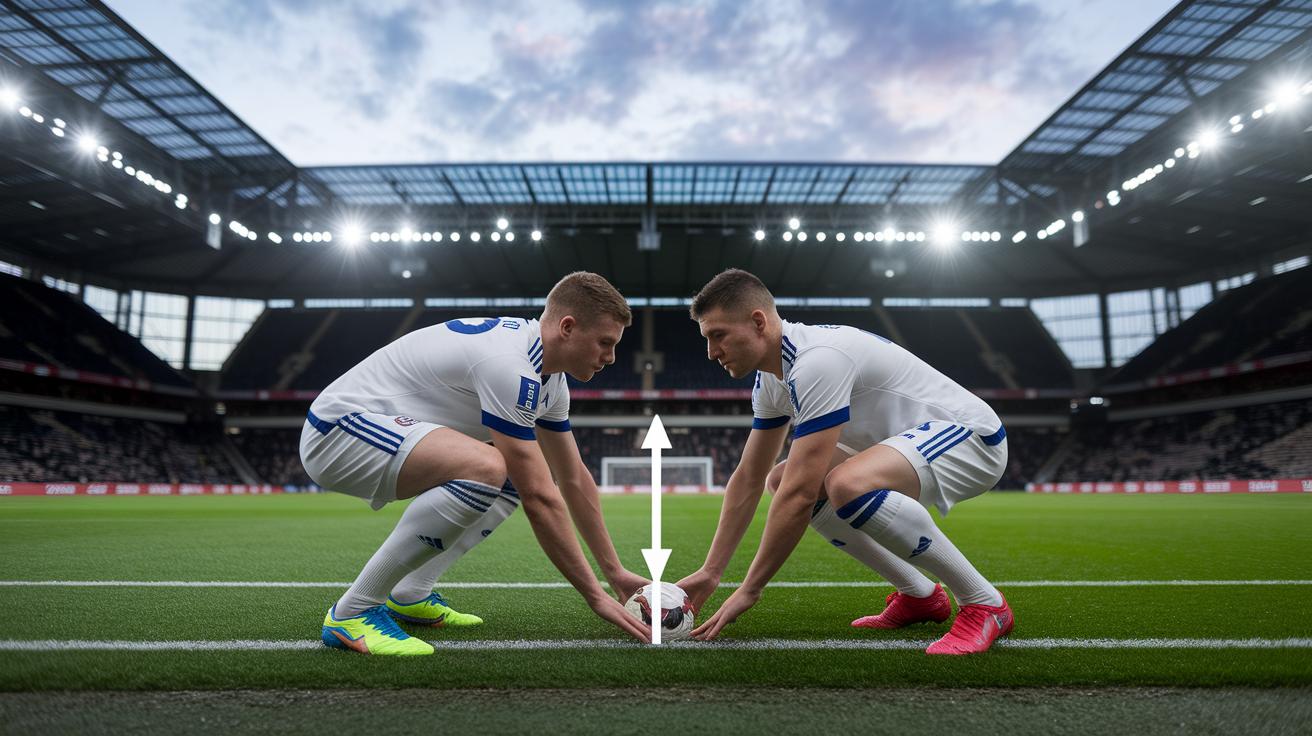
When a team sets up its defense, building a tight block is a must. Teams usually decide between dropping a low block, where players stay close to their goal to stop quick counterattacks, and a mid block, which positions the fighters higher up so they can hustle back to win the ball in midfield. This choice not only shapes how swiftly a team can shift from defense to offense but also sets the stage for the pressure that makes opponents rush their plays. Coaches spend a lot of time using both setups to keep a clear, strong shape while protecting the net.
Defenders can play using zonal marking or man marking. In zonal marking, each player watches a specific area on the field, helping to control space and cut off passes. With man marking, a defender sticks close to a particular opponent to shut down key threats. Both approaches need clear chat among teammates and smart positioning to make sure no gaps open up.
Fullbacks and sweepers are the backbone of a balanced rear guard. Fullbacks often step up by providing extra support or even joining the midfield, reinforcing the team's structure. Sweepers work behind the main line, scooping up stray balls and coordinating with the central defenders. Their role is key in cushioning the blow of fast counterattacks while keeping the block strong.
Offensive Tactics and Formation Synergy: Attack Breakdown

Formation shapes are like the game plan's backbone. They set the tone by deciding how wide the attack stretches, how the midfield stands, and when to break away. When players land in their spots, teams can pile on pressure in key areas, use space smartly, and link up in ways that leave defenders scrambling. It’s a bit like a well-rehearsed play that turns a coordinated move into a powerful burst of offense.
Pros of Formation Synergy
One standout benefit is creating overloads in strategic zones. When midfielders and forwards team up, they pack into critical spots that force open gaps in the enemy's defense. This smooth link-up play, where passes flow naturally and support is always on hand, can really confuse the opposition. Picture a tight central setup suddenly widening, it's enough to throw even the best defenders off their rhythm.
Cons and Mitigation Tactics
On the flip side, a fixed formation can sometimes become too predictable. When everyone sticks to a set pattern, opponents might start reading the play in advance. But you can break this mold with a quick tweak, like shifting a midfielder into a more creative spot or mixing up the width of the attack. These small changes keep the other team guessing and prevent your formation from becoming a stale script.
Match Scenario Examples
Imagine a game where a team swapped a rigid central attack for a dynamic, wide approach. Overloads on the flanks broke down a compact defense, turning the game around. In another instance, a mid-game shift allowed a quick break, catching opponents completely off guard. When formation synergy meets a bit of spontaneity, those calculated setups turn into a thrilling, evolving offensive masterpiece.
Football formations ignite tactical brilliance

During a heated game, a coach might switch from a 4-4-2 to a 3-5-2 to gain better central control. Sometimes, a substitute is brought in to boost the midfield, quickly changing a balanced setup into an aggressive pressing system. This fast midgame tweak lets a team counter an opponent’s sudden push while keeping both the defense solid and the attack moving forward. It’s all about managing the ups and downs of play in real time.
Timing also plays a big role in these in-game adjustments. When the score shows that things need to shift quickly, a coach might tell the team to press high, encouraging opponents to make mistakes. But if the other side starts taking risks, the formation might pull back into a tighter shape, setting up chances for counterattacks. This flexible approach keeps tactics as lively and unpredictable as the game itself.
Formation Builder Software and Apps for Football Formations

Have you ever seen a coach turn a routine session into something extraordinary? The Mingle Sport app’s formation builder tool makes that possible. Released on December 11, 2023 by Freek Bijl, this digital tool lets coaches choose team size, formation, and player roles in a snap, just like setting up a play on the field. It offers a clear view of how different line-ups can work together, making planning as intuitive as a quick chat with a teammate.
And it doesn’t stop with formations. The app also includes tools for lineup innovation and built-in training modules. With session plans available for download and coaching insights ready to use, you can convert your game strategies into drills that players can immediately connect with. In short, this tool bridges digital smarts with real-world game prep, helping teams get organized and players nail down their roles during every dynamic match situation.
Final Words
in the action, we explored the tactical building blocks of football formations, from the traditional 4-4-2 to modern setups like 4-3-3 and 4-2-3-1. We broke down player roles, offense and defense strategies, and even how digital tools aid in planning.
The article connected historical trends with today’s in-game adjustments, showing how formations adapt to shifting game dynamics. The sports pulse remains strong, and football formations continue to inspire exciting plays on the field.
FAQ
Q: Who is the football formations creator?
A: The football formations creator refers to early tactical minds who set the groundwork for structured player arrangements, evolving through decades of innovation instead of being the work of a single individual.
Q: What are football formations offense?
A: Football formations offense describes how teams arrange their attackers to create scoring chances by positioning players strategically across the field, which helps in managing space and building play.
Q: What do offensive football formations diagrams show?
A: Offensive football formations diagrams show visual representations of player setups during attacks, making it easier for teams to grasp spacing, roles, and movement patterns on the field.
Q: What do football formations in soccer explain?
A: Football formations in soccer explain how teams structure themselves by assigning specific roles and positions, guiding both offensive moves and defensive duties throughout a match.
Q: What are football formations defense?
A: Football formations defense outlines the strategic arrangement of defenders and midfielders designed to protect the goal by using coordinated positioning and space control to thwart opposing attacks.
Q: How are football formations explained?
A: Football formations explained detail the numbering systems and role assignments coaches use, showing how team shape influences tactics and player responsibilities during play.
Q: What are the best football formations?
A: The best football formations change based on team strengths and tactics, with setups like 4-4-2, 4-3-3, and 4-2-3-1 offering balanced approaches for both offense and defense during different match scenarios.
Q: How do youth football formations differ?
A: Youth football formations differ by simplifying professional setups, focusing on fundamental positioning and clear tactical roles that help young players learn the basics of team organization and play.
Q: What is the most effective football formation?
A: The most effective football formation depends on team capabilities and opposition strategy, often balancing a strong defense with creative attacking options, making adaptable systems like 4-3-3 popular choices.
Q: What is the 4-2-3-1 formation in football?
A: The 4-2-3-1 formation in football arranges four defenders, two midfielders, three attacking midfielders, and one striker, providing a flexible mix for steady defense and dynamic offensive play.
Q: How many types of football formations are there?
A: There are many types of football formations, as coaches routinely modify traditional setups to suit their team’s strengths, ranging from classic systems like 4-4-2 to numerous modern tactical variations.
Q: What is the hardest football position?
A: The hardest football position is widely debated, but many argue that playing central midfield is extremely challenging due to its demand for constant defensive and offensive involvement, making it mentally and physically taxing.