
Ever wondered if one simple score could capture every twist and turn of a football match? With live ratings, 51 different stats come together as one clear number, giving you a quick snapshot of a player's performance.
Spark Winning Insights transforms raw numbers into a dynamic overview, just like a highlight reel after the final whistle. It shows you how each pass, error, and goal weaves into the story of the game, making every moment feel fresh and exciting.
Live Football Match Ratings: Comprehensive Evaluation
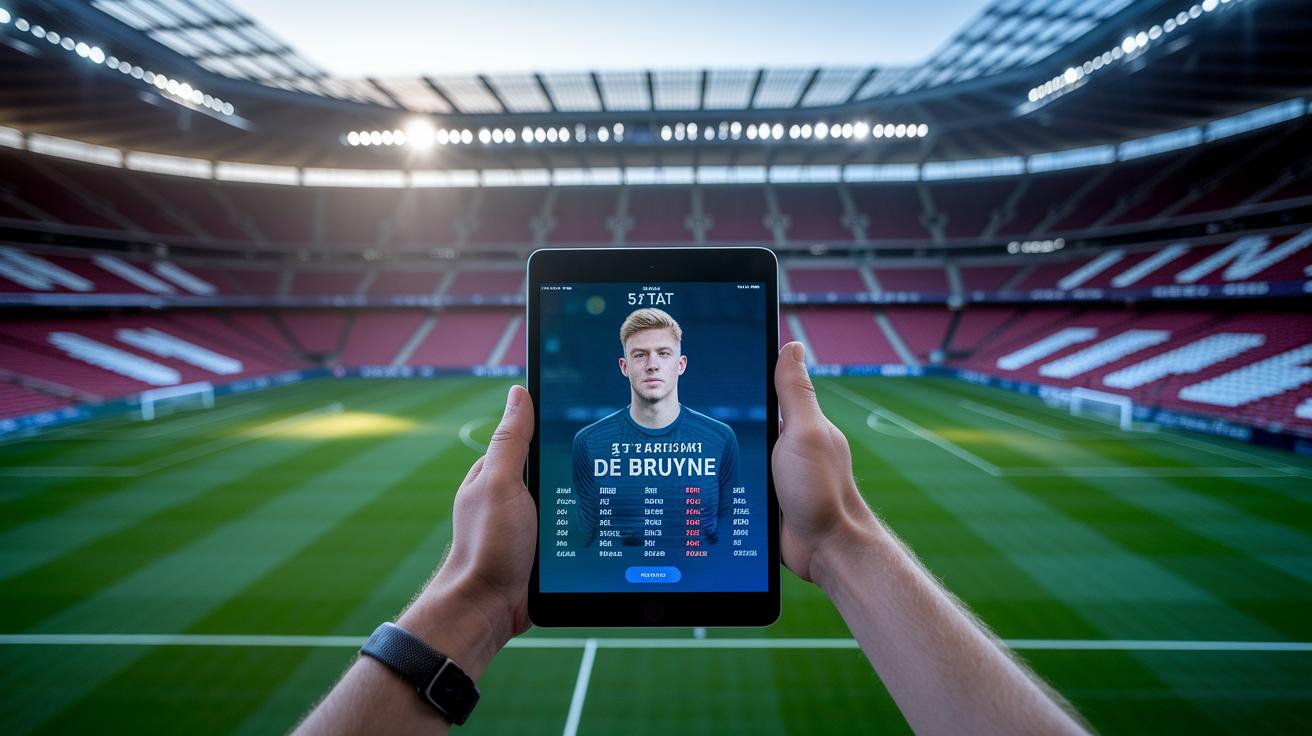
Sportmonks has rolled out a new ratings feature that is truly a game-changer. It takes 51 different stats, like goals, assists, and even mistakes that lead to goals, and turns them into one clear, easy-to-read score for each player. This means that right after the match, fans and analysts can get a quick snapshot highlighting the standout performances.
With these live ratings, teams such as Manchester City can instantly spot their key players. For instance, Kevin De Bruyne lights up the scorecard with a 7.80, showing he was a real playmaker. Other players also put up good numbers that not only praise their skills but also suggest where they can improve. It’s a simple tool that sparks deeper conversations about tactics and game strategy.
| Player | Position | Rating |
|---|---|---|
| Kevin De Bruyne | Midfielder | 7.80 |
| Josko Gvardiol | Defender | 7.63 |
| Sávio | Midfielder | 7.53 |
| Erling Haaland | Forward | 7.47 |
| Rodri | Midfielder | 7.25 |
| İlkay Gündoğan | Midfielder | 7.21 |
These ratings capture both the brilliant moments and the slip-ups, giving a balanced view of each match. Coaches, scouts, and fans can see the story behind every number, from a clever pass that lifts the team’s spirit to a misstep that might cost dearly. With insights like these, it’s easier than ever to appreciate the art of play while catching a glimpse of the tactical side. This system transforms raw numbers into a lively narrative that makes every match more exciting and easier to follow.
Methodology of Football Match Ratings: Data-Driven Metrics
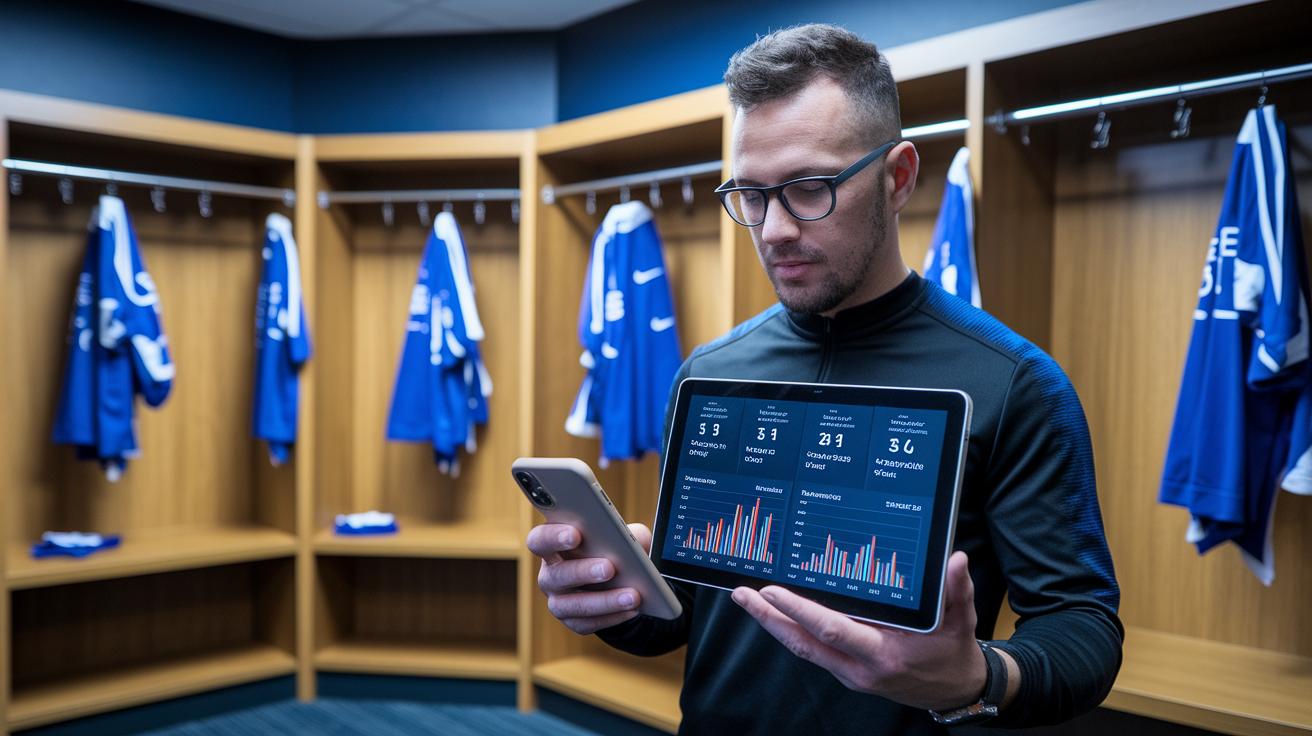
Imagine watching a game and knowing every little move counts. This rating system gathers 51 different stats from each match. It tracks everything from goals, assists, and key passes to tackles, interceptions, and clearances. It even notes errors that lead to goals and expected goals (xG, or the chance a goal should be scored). Every detail counts to paint a full picture of a player’s performance.
Then, each stat gets its own importance based on a player’s role and the competition level. For example, when a forward scores, it matters a lot more than when a defender does, while defensive clearances become key for back-line players. The system also tweaks the ratings depending on the strength of the opposition and the specific demands of each competition. This way, every player gets a fair and insightful evaluation.
After weighing all the numbers, the results are normalized to a simple scale from 1 to 10. This process turns messy match data into clear, single scores that everyone can understand. Curious for more details? Check out our in-depth post-match analysis techniques on the platform.
Positional Performance in Football Match Ratings

When it comes to rating football matches, each player’s role is judged by a set of clear, easy-to-understand criteria. Experts break down the game by looking at numbers that show how each position helps shape the play. It’s a bit like watching your favorite team and noticing the small moves that lead to a win.
For defenders, the focus is on stopping the other team. They check how many tackles a player wins per 90 minutes, count interceptions in each match, and tally the clearances made during the game. They also look at success in aerial duels (battles in the air) and how well a player positions themselves to block shots.
Midfielders get judged by their ability to keep the play moving. Simple stats like pass completion percentages, the number of key passes, and progressive carries (moves that push the ball forward) are crucial. They also measure contributions to defensive recoveries and how effective a player’s dribbling is when linking up the play.
Attackers have their own set of numbers. Their performance is seen in how accurate their shots are and the number of goals scored per match. Additionally, expected goals (xG) offer insight into the quality of chances a player creates. They are also credited for setting up scoring opportunities and being involved in build-up plays that lead to attacks.
Goalkeepers show their worth with quick reactions and good hands. Their ratings include saves per game, overall save percentage, and how accurately they distribute the ball. They get extra points for commanding their area during crosses and having fast reflexes when the game is on the line.
Set-piece takers, those who take corners and free-kicks, are measured by how successful their deliveries are. Their ratings look at corner success rates, free-kick conversion percentages, and accuracy on set-piece deliveries. They also count how many offensive chances they create in dead-ball situations and how often they generate real threats.
By using these role-specific stats, teams and fans get a complete look at each player’s performance. It’s an approach that not only shines a spotlight on a player’s strengths but also hints at areas that might need a bit more fine-tuning. Coaches, scouts, and fans can all see how every little contribution adds up to affect the game.
Tactical Insights in Football Match Ratings

Tactical metrics let us see the game from a fresh perspective. Tools like player movement heatmaps show where players spend the most time on the pitch, while possession percentages reveal which team is controlling the play. Passing network density tells us how connected the players are, and pressing intensity shows how hard a team pushes their opponents. For instance, a player with a high movement heatmap usually makes a big impact on both offense and defense.
These stats really shape player ratings by linking raw match data to on-field performance. Total shots and shots on target measure the attacking threat, and expected goals (xG) give us a glimpse into the quality of finishing chances. Fouls won, on the other hand, can show how well a player wins the ball back in critical areas. Put all these factors together, and you start to see why a player's rating can shift after the match.
Team chemistry also plays a key role in determining ratings. Numbers like average passes per possession and the forward-to-backward pass ratio give us a clear picture of how connected a team is. Teams that maintain a balanced approach usually see higher overall scores because strong cohesion helps them keep up the pressure and make smart plays when it matters most.
Comparative Football Match Ratings: Home vs. Away

Playing on home turf really makes a difference. On average, players boost their performances by about 0.15 points when they’re back in familiar surroundings, powered by the energy of loyal fans and the comforts of their own stadium.
Look at the numbers, and the distinction is clear. Defenders, for instance, see their ratings drop roughly 0.10 when playing away. And during those nerve-wracking final minutes, from the 75th minute to the end, away teams experience an extra dip of about 0.08. Meanwhile, when teams are at home, they notch up an extra 0.25 in xG, meaning they create better goal chances. It’s like every part of the game gets that extra push when the crowd is behind you.
These insights aren't just numbers; they offer real game-changing ideas for coaches and analysts. By understanding these subtle shifts, they can tweak tactics, gear up for the challenges of road games, and fully harness the magic of playing at home.
football match ratings: Spark Winning Insights

When you're catching a game live, apps like FotMob and SofaScore bring the action right to your fingertips. FotMob gives you real-time ratings and clear heatmaps that show where players are moving, so you can feel every play as it unfolds. Meanwhile, SofaScore dives a bit deeper with extra numbers like expected assists and more detailed heatmaps that paint a complete picture of player activity. In short, both apps make it easy to see how each pass, shot, and defensive move counts.
New digital platforms are stepping up their game too, offering interactive dashboards that let you explore match data in fresh ways. They mix quick stats with deep analysis so you can track trends game by game. With these spark-winning insights at hand, fans, coaches, and scouts can enjoy a closer, more detailed look at the live action, taking match analysis to an entirely new level.
Football Match Ratings Case Study: Premier League and Beyond

In the Premier League, match ratings offer a clear snapshot of top-tier action. In games like Manchester City versus Liverpool, every pass, tackle, and goal adds up to a story worth telling. Each player's individual score shows how even the smallest touch or tactical move can make a big difference. It’s like getting a highlight reel that helps clubs spot the game-changers quickly.
Beyond England’s top flight, ratings in tournaments such as the Champions League bring new twists to the story. Big clubs like Barcelona and PSG are keeping their squad averages around 7.50 as they head into the 2025/26 season. In leagues like La Liga, Serie A, Ligue 1, and MLS, weekly snapshots and season-end “Best of” segments reveal both seasoned stars and fresh talent. This mix of attacking brilliance and tight defensive play gives clubs, scouts, and fans an exciting look at the evolving spirit of international football.
Interpreting Football Match Ratings: Expert Tips

When coaches and scouts mix numerical ratings with match footage, they really get to see the whole story. This combo helps them spot the standout plays and uncover areas that might need some work. Watching the video shows the true impact a player has on the game.
It also helps to line up these ratings with league averages. Comparing trends across games gives you clearer insights into both team and player performance. Relying on scores from several sources builds a stronger story than putting all your trust in one place. For more on this approach, check out “how to analyze a football match” (https://sucrearchive.com?p=160).
- Pair ratings with key match highlights to double-check important actions.
- Use predictive models that consider both recent form and the strength of the opposition.
- Combine data from various sources for a balanced view.
Final Words
In the action, we tackled live football match ratings, laid out data-driven methodologies, and broke down positional contributions. We shared tactical insights and compared home versus away performances while highlighting top digital tools and case studies from major leagues. This recap shows how detailed analysis transforms raw numbers into a clear picture of the game. Football match ratings help everyone, from coaches to fans, keep the excitement alive. Here’s to appreciating every play and celebrating the thrill of sports!
FAQ
What do football match ratings today reveal about overall game performance?
The football match ratings today reveal a quick snapshot of game performance by combining key statistics like goals, assists, and defensive actions. They provide fans with real-time insights into both team and individual contributions.
How are player ratings calculated in football matches?
The player ratings in football matches reflect individual performance by analyzing factors such as goals, passes, tackles, and errors. This method balances positive and negative actions to produce a unified score for each player.
What do football match ratings predictions indicate?
The football match ratings predictions indicate the expected performance of teams and players based on historical data and current form. They offer insights that help anticipate game outcomes and key moments before or during a match.
How do Premier League match ratings differ from other competitions?
The Premier League match ratings provide a detailed view of performance trends specific to high-intensity games among top clubs. They capture nuanced differences in play style and statistics, helping fans compare performances across teams.
What live player stats are available during football matches?
The live player stats during football matches include real-time data such as player movement, heatmaps, shots, and key passes. This information allows fans to follow game progress and individual contributions as they happen.
What features do FotMob and SofaScore offer for tracking football live scores?
The features of FotMob and SofaScore provide live football scores and match analytics. FotMob gives fast updates and basic heatmaps, while SofaScore dives into detailed player statistics and expected performance metrics.