
Ever wonder how your favorite athletes manage to stay calm when the cameras are rolling? They treat every interview like a big game, rehearsing their key messages long before stepping into the spotlight. Just like practicing their plays on the field, they prepare for tough questions with the same smart game plan. In this article, we break down the steps they take to boost their confidence and keep control during press time. From mapping out a clear plan to running through mock interviews, see how a bit of careful practice gives them that winning edge when the pressure is on.
How Athletes Achieve Sports Interview Readiness
When athletes head into a press room after a big game, having a clear game plan is as important as knowing all the plays. Without a solid strategy, they might blurt out offhand comments that don’t truly reflect what they feel. It’s like stepping onto the field without a warm-up, you could easily trip up when the pressure is on.
By planning responses in advance and knowing their key messages, these young players are able to keep calm even when questions fly at them. Think of it as pre-practicing your moves so that every word counts. Having clear targets helps them stay focused when every reply is crucial.
Here are the main steps they follow:
- Creating a key-message blueprint.
- Coordinating logistics and timing.
- Scheduling mock interviews to get the feel of it.
- Mapping out responses for tough questions.
Each of these steps acts like a safety net. A solid blueprint means they always know which important messages to drive home, no matter how fast the questions come. Coordinated timing cuts down on last-minute confusion, while mock interviews give them the chance to adjust and find the right tone. In short, this structured approach keeps nerves in check and boosts confidence when it matters most.
Media Training Essentials for Athletes Facing Sports Interviews
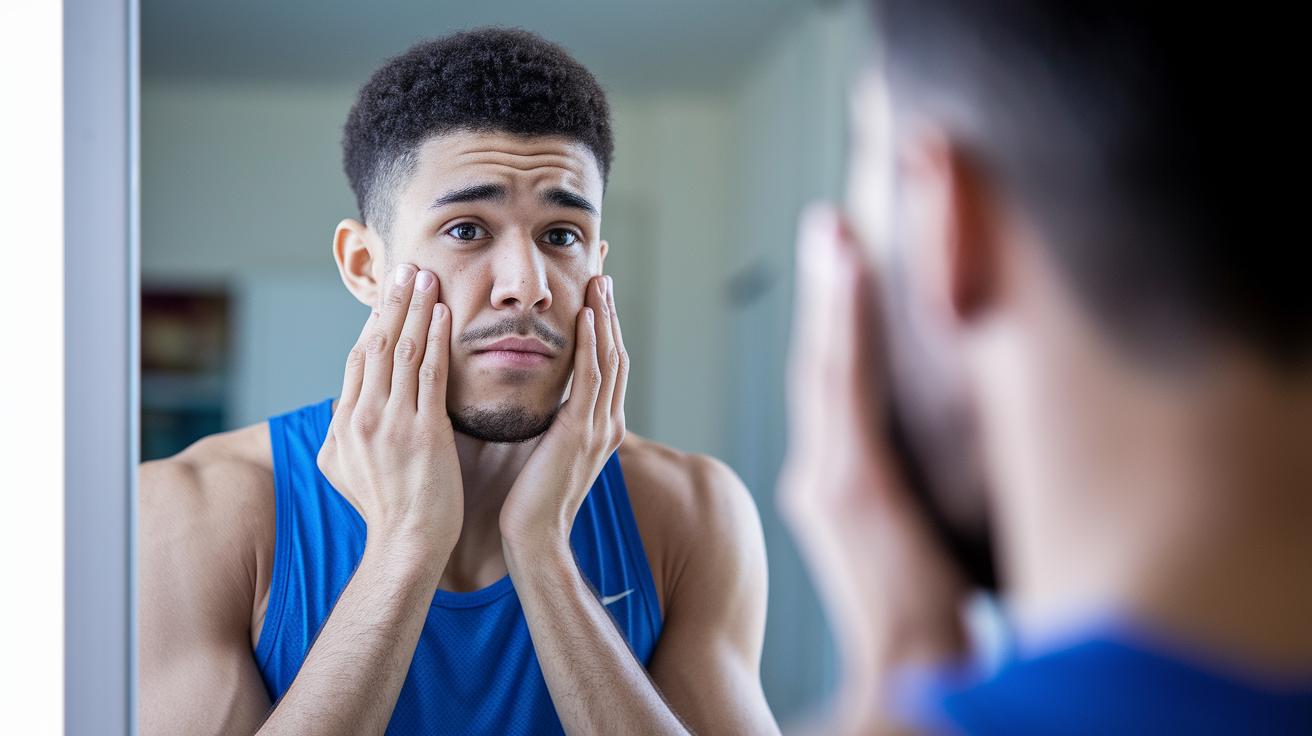
Expert-led training sessions really set the stage for nailing those nerve-wracking post-game interviews. These guided briefings teach you how to control your body language and handle rapid-fire questions, ensuring every reply feels clear and confident.
Confidence building
Boosting confidence helps you feel secure when talking to the press. For example, think about how Alex practiced his key points in front of a mirror before entering a room full of reporters. It’s all about building that calm energy even when all eyes are on you.
Head-shot practice
Working on head-shot practice means perfecting your on-camera look. Imagine rehearsing your expression until every photo shows a steady, determined vibe, much like a quarterback ready to lead the team onto the field.
Empathy exercises
Empathy drills are all about connecting with your audience. Picture yourself as a supportive teammate rallying your squad during a tight game, ensuring your message truly resonates.
Eye-contact drills
Eye-contact exercises help you develop a strong on-camera presence by training you to maintain a friendly, steady gaze. It’s similar to locking eyes with a close friend in a busy room, making your message feel personal and genuine.
Response agility simulation
Response agility practice sharpens your ability to deliver quick, thoughtful answers. It’s like a defender pivoting swiftly on the field when an unexpected play unfolds, ensuring you’re always one step ahead.
Digital tools like GMTM now play a key role in athlete briefings. They offer realistic, simulated environments that let you hone these essential skills for modern media interactions.
Psychological Preparation for Athletes in Sports Interviews
Athletes know that post-game interviews can be as challenging as the game itself. The bright spotlight and fast, firing questions often stir up stress that can jumble your thoughts. When you're under the heat of rapid questioning, it's easy for your mind to race and your nerves to get the best of you. For more insights on easing this pressure, take a look at some sports psychology basics here (https://sucrearchive.com?p=).
Before stepping into that interview room, many athletes turn to tried-and-true confidence boosts such as:
- Controlled breathing
- Positive self-talk
- Visualization
- Mock crowds
- Progressive muscle relaxation
Think of these exercises as warm-up drills for your mind. With each deep, measured breath, you gradually let go of the tension, much like the calm after a heavy downpour. Visualization helps you turn those jittery nerves into a strong, quiet confidence, ready for any challenge. Even practicing with simulated crowds can help you feel right at home when the real audience is watching. Stick with these routines and you'll build the resilience you need to shine under pressure, making each interview feel more like a home game than a sudden, overwhelming finale.
Body Language & On-Camera Presence for Athletes in Interviews
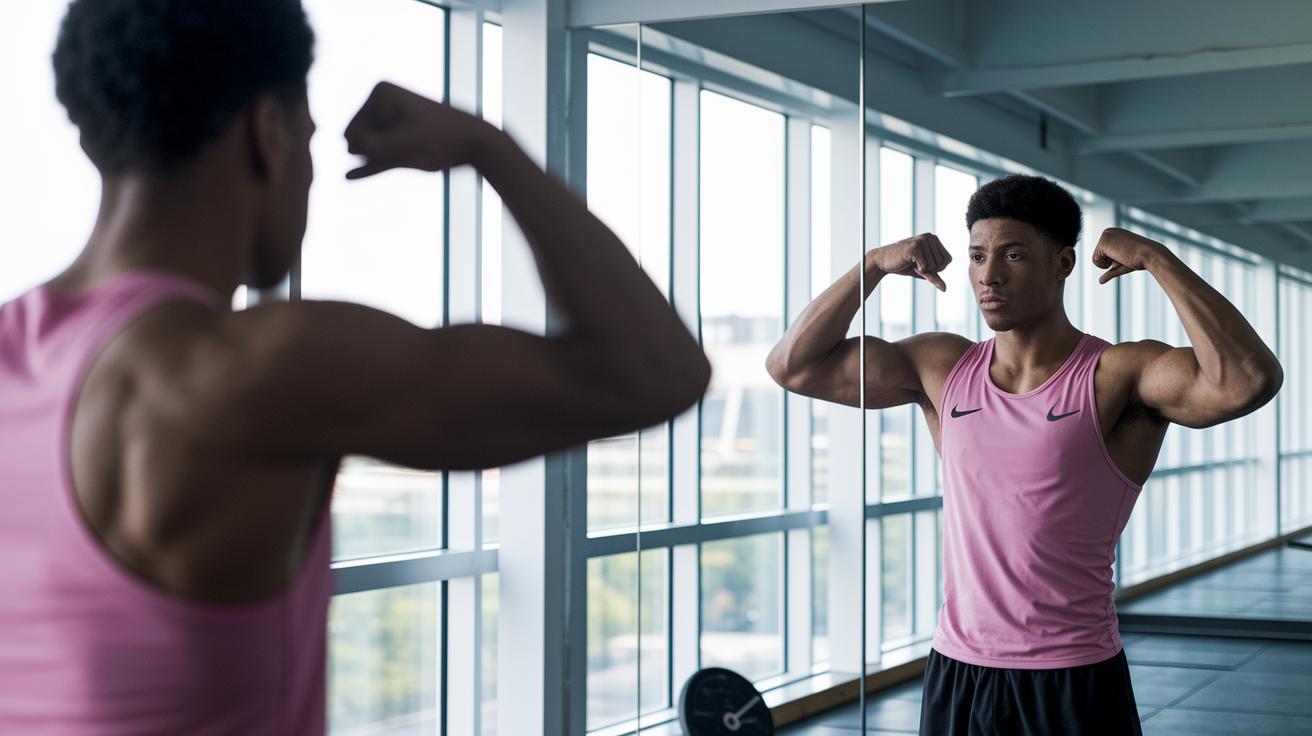
Every gesture counts when athletes step in front of the camera. They learn that a confident look is built on subtle shifts in posture, coordinated hand movements, steady eye contact (a way to connect with the audience), and clear facial expressions. Funny enough, many athletes started out by practicing in front of a mirror, fine-tuning small adjustments that made all the difference.
Here are the key drills they use:
| Drill | Description |
|---|---|
| Mirror Posture Work | Practicing stance and body alignment by watching themselves |
| Hand-Gesture Timing | Coordinating hand movements to emphasize important points |
| Eye-Contact Exercises | Building connection with viewers by maintaining steady eye contact |
| Facial-Expression Snapshots | Adjusting and practicing facial expressions to match the message |
During training sessions, these drills mix with on-camera techniques. Athletes gain confidence watching themselves in a mirror, and timed gestures help bring focus to key moments. They also practice eye contact and use video feedback to spot small improvements in their body language. All these efforts work together to ensure every move reinforces their message and keeps viewers engaged.
Structured Q&A Rehearsals for Athletes Preparing for Sports Interviews
Coaches pull together the most common and challenging questions that have surprised athletes in past games to get them ready for press interviews. They put these tricky questions on a focused list, much like studying a playbook where every query trains a specific move to keep you on your toes during high-pressure moments.
Practice drills are the heart of this approach. Structured Q&A rehearsals mimic real interview settings, pressing athletes to deliver smart, quick replies, just like executing a perfect play under bright stadium lights. These sessions help players learn how to handle rapid-fire questions and unexpected turns while sharpening their ability to respond clearly. After enough practice, athletes notice a big boost in their confidence when facing tough questions.
| Drill Type | Purpose | Frequency |
|---|---|---|
| Live Mock Sessions | Real-time response | Weekly |
| Video Playback | Self-review | Bi-weekly |
| Peer Review Q&A | Feedback exchange | Monthly |
- Simulated hostile questioning
- Fast-paced rapid-fire rounds
- Ambiguous question challenges
- Unexpected follow-up drills
- Sessions with strict time limits
These drills build quick-thinking skills and help athletes keep cool under pressure. With every round of practice, players develop a smoother, more confident way of handling even the trickiest questions, just as a well-rehearsed team stays composed when the spotlight is on them.
How Athletes Prepare for Sports Interviews: Winning Edge
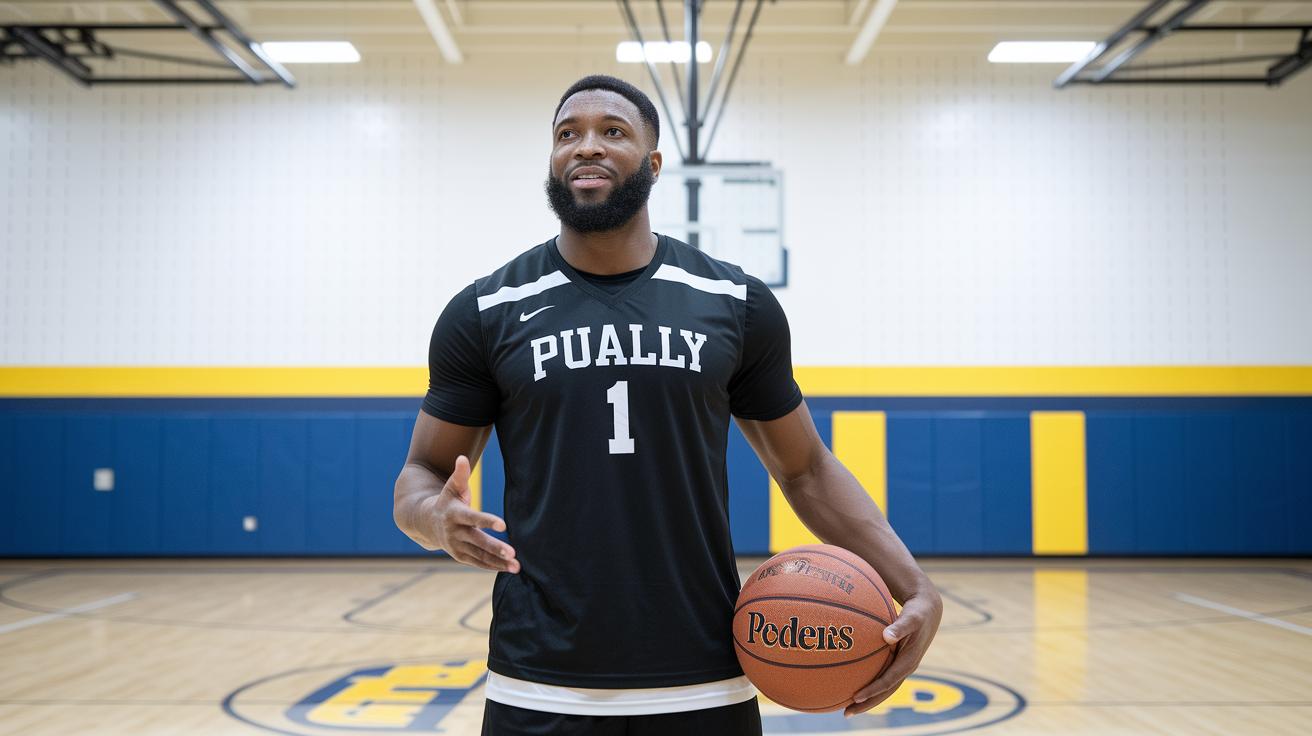
After the XFL Draft, many athletes said that carefully planning their personal stories gave them a noticeable boost during press interviews. They spent time shaping their narratives to explain their journeys and spotlights the sweat and dedication behind their wins.
XFL Draft athlete narratives
Many players from the XFL Draft prepared by practicing their personal stories in rehearsal sessions. One athlete mentioned that running through his journey in a quiet, controlled environment helped cut down his nerves and allowed him to answer unexpected questions during live broadcasts with more confidence.
Collegiate basketball storytelling
College basketball players now lean into sharing real moments from their games. They talk about on-court experiences that soon turn into life lessons, inviting reporters into the heart of the action. It makes the interviews feel authentic and warm, like chatting after a tense match.
NIL-driven commentary strategies
Changes in NIL policies have pushed athletes to refine how they speak off the field. Coaches now suggest that players weave in sponsor-related achievements subtly into their stories without losing that genuine tone. This mix helps the players stick true to themselves while also meeting the expectations of both their teams and sponsors.
In short, blending personal reflection, a bit of practice, and smart, straightforward commentary helps athletes shine in every interview. It’s this mix of heart and strategy that builds a lasting public image, showing just how much thought goes into every word they share.
Leveraging Personal Branding in Athlete Sports Interview Prep
NIL regulations have raised the bar. Today, athletes need to polish their personal stories before stepping into any interview. With every word under the microscope, it’s essential that players convey a genuine personality that also meets the expectations of teams and sponsors. Brand coaches work closely with them to fine-tune their messages so that every aspect, from on-court performance to social media buzz, perfectly aligns with the team’s image and sponsor guidelines. Just imagine a college player refining a tale of a game-winning moment; it fires up the fans and mirrors the partner’s sporting spirit.
- Persona audit
- Sponsor alignment
- Social-feed review
- Key-message integration
By tackling these essential brand-building steps, athletes create a clear roadmap that shows who they are while keeping in step with team and sponsor narratives. Mixing authentic storytelling with smart messaging prevents interviews from feeling like rehearsed commercials. Instead, it presents a polished image that still sounds heartfelt. In the end, those who master this balance connect better with interviewers and fans alike, forging lasting trust and rapport with every audience they touch.
Digital Simulation Drills for Athletes Preparing for Sports Interviews
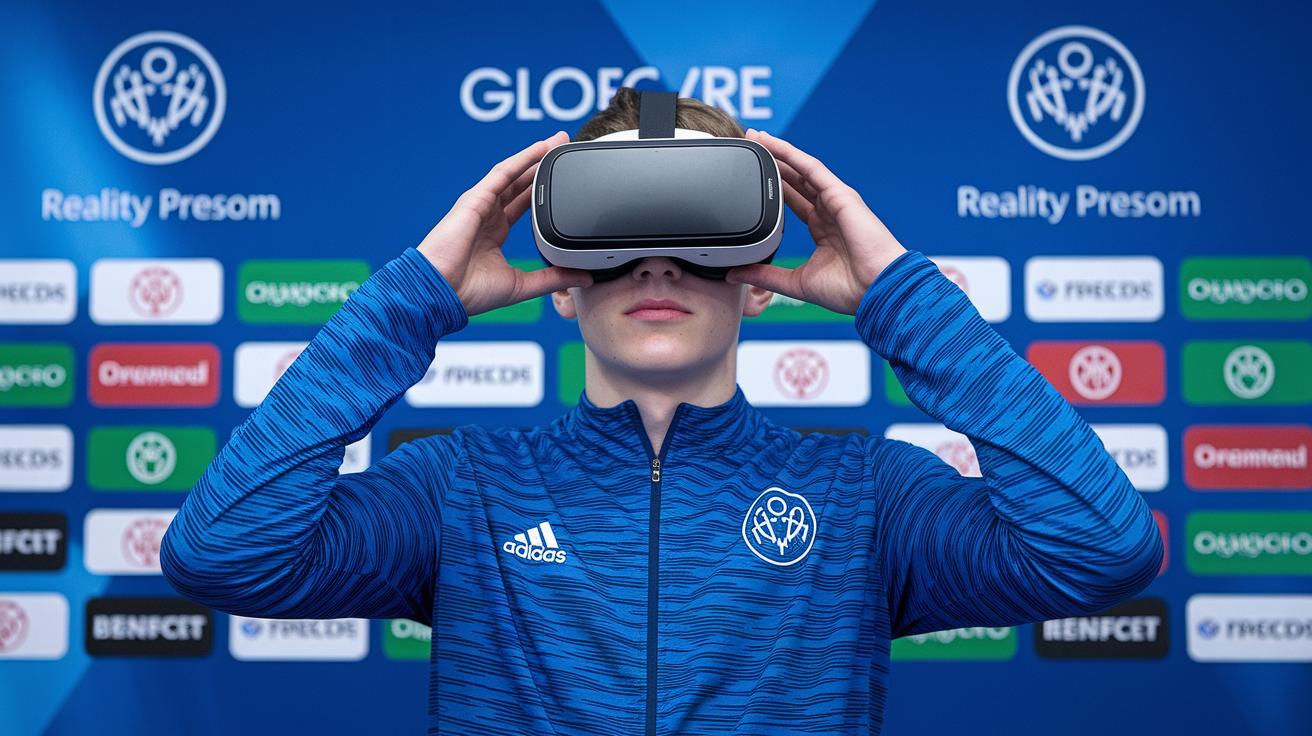
Imagine stepping into a buzzing press room before a big game, even if you're still in your warm-ups. Virtual reality mock interviews let you feel that live-media energy without actually being on stage. It’s a great way to get the feel of tough, quick-fire questions in a relaxed setting.
Video-call drills, on the other hand, mimic those remote media interviews you might face. They give you a chance to work on your answers and adjust your delivery in real time, just like reading the game and adapting your play.
- VR press-room walkthrough
- Video-chat Q&A simulation
- Interactive brainstorming whiteboard
After each session, the real play review begins. Coaches and teammates sit down to watch your recorded drills and share honest thoughts about your tone, facial expressions, and pacing. This feedback helps you smooth out any hesitations and make your responses as clear and confident as a winning shot.
Over time, using these digital drills builds your comfort with both technology and the pressure of live interviews. You learn to adjust your style whether you're talking face-to-face or over a screen, ensuring every answer is as on point as that perfect game-winning move.
Post-Interview Debriefing for Athletes After Sports Interviews
After a tough interview session, taking a moment to go over what happened is as important as the game itself. Coaches quickly review recorded interviews, usually within 24 hours, to spot any areas where an athlete’s message could use a little extra clarity or a change in tone. This fast review helps smooth out any communication blips and sets up better responses next time.
- Watch the playback
- Collect notes from the coach
- Look over body language cues
- Update the message guides
- Plan what to say next
By working through these steps, athletes create a solid feedback loop that sharpens their on-camera presence and overall message. It’s like fine-tuning a play on the practice field, each review gives them fresh insights, so the next interview feels more composed and effective.
Final Words
In the action, we unpacked the essential elements of interview prep, from mapping key messages and perfecting body language to engaging in digital simulation drills and practicing Q&A responses. Each section showed how athletes prepare for sports interviews through clear strategies and consistent practice, reducing pressure during live interactions. By combining media training and post-interview reviews, the entire blueprint helps athletes stay confident and composed. It’s all about building a strong foundation for a friendly, effective interaction with the media.
FAQ
How do athletes prepare for sports interviews?
The way athletes prepare for sports interviews involves planning key messages, practicing responses with mock sessions, and coordinating logistics. They combine strategic planning with digital tools to stay composed under pressure.
What are five essential steps to prepare for an interview?
The five essential steps to prepare for an interview include creating a blueprint of key messages, coordinating timing and logistics, scheduling mock interviews, mapping response strategies, and reviewing potential questions thoroughly.
What are good interview questions for athletes?
The way good interview questions for athletes are crafted focuses on performance, challenges, and personal growth. They invite reflective answers, encourage sharing key experiences, and highlight strategic approaches, engaging both reporters and fans.
How can one effectively give a sports interview?
The way to give an effective sports interview is by using clear, concise communication and confident body language while sticking to well-prepared responses. This method helps athletes deliver their message and connect with the audience.