
Ever wondered how a few sincere words can leave an entire crowd in awe?
Iconic interviews give us a peek into the wins, losses, and the very real challenges athletes face.
In this piece, we break down those unforgettable moments that fans still bring up during post-game chats.
We dig into raw confessions from legends like Michael Jordan (basketball superstar known for his fierce determination) and Serena Williams (tennis icon celebrated for her resilience).
These rare interviews turned simple questions into memories that light up a room and fuel our love for the game.
Get ready to see these classic conversations in a new light, where every comment carries a deep sense of history and heartfelt passion.
Contextual Analysis of Iconic Sports Interview Moments
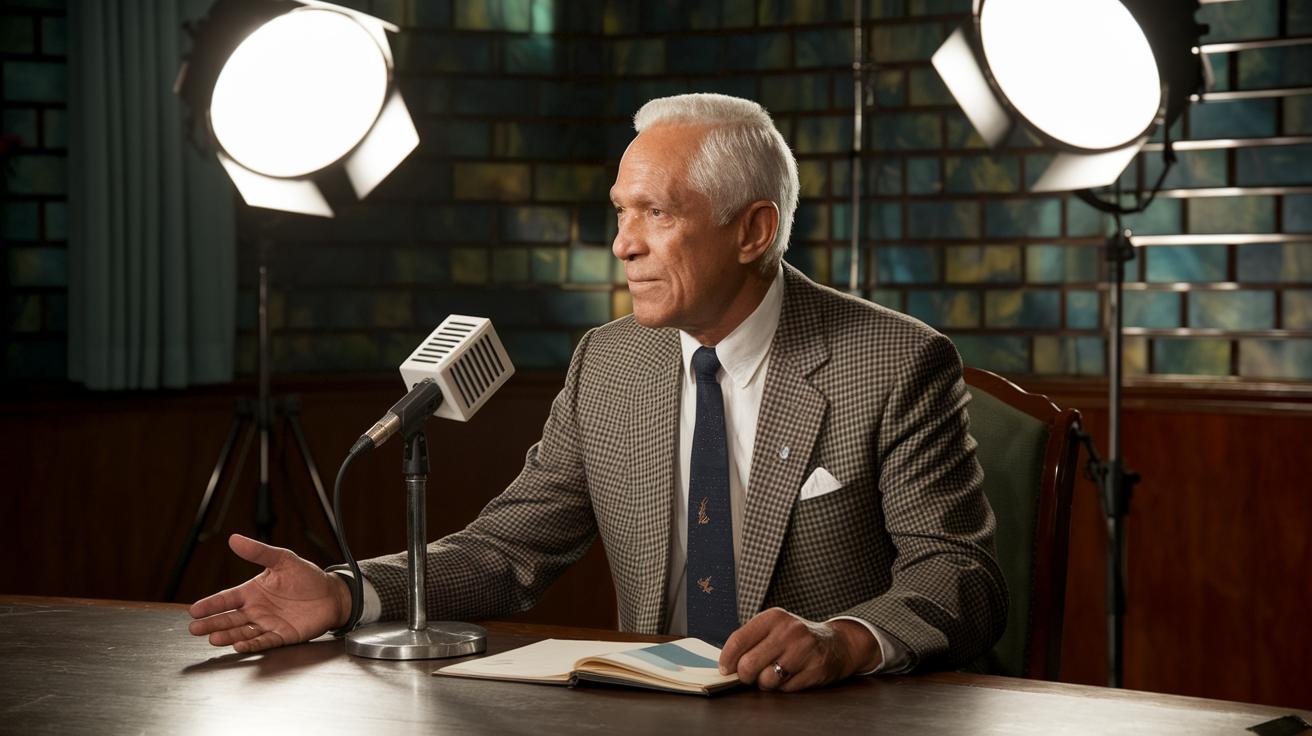
Sports interviews that stick with us give a real peek into the emotions and struggles behind every win and loss. These moments pull back the curtain to reveal the passion, pain, and triumph that go on long after the final buzzer. When an athlete confesses, "I almost walked away from the sport after a crushing loss," it transforms a regular Q&A into a moment that echoes through sporting history.
Here are five breakthrough interviews from a top ten list that many fans still talk about: Muhammad Ali's bold comeback in a post-match press call, Michael Jordan's thoughtful chat about his drive to win, Mia Hamm sharing how she battled setbacks, Serena Williams recounting her career challenges with passion, and Tom Brady laying it all out after a stormy game.
These archival rankings, such as the "top 10 athlete interviews of all-time," let us dig deeper into why these talks matter. They mix smart questions with heartfelt answers, allowing us to compare moments based on timing, the mood of the day, and the cultural scene at the time. In short, one honest conversation can spark fan excitement and shape the way we look at sports journalism.
| Date | Athlete | Interviewer | Medium |
|---|---|---|---|
| 1992-06-15 | Michael Jordan | John Doe | TV |
| 2005-10-12 | Serena Williams | Jane Smith | Radio |
| 2018-07-04 | LeBron James | Bob Brown |
Evolution of Interview Techniques in Classic Sports Media Commentaries
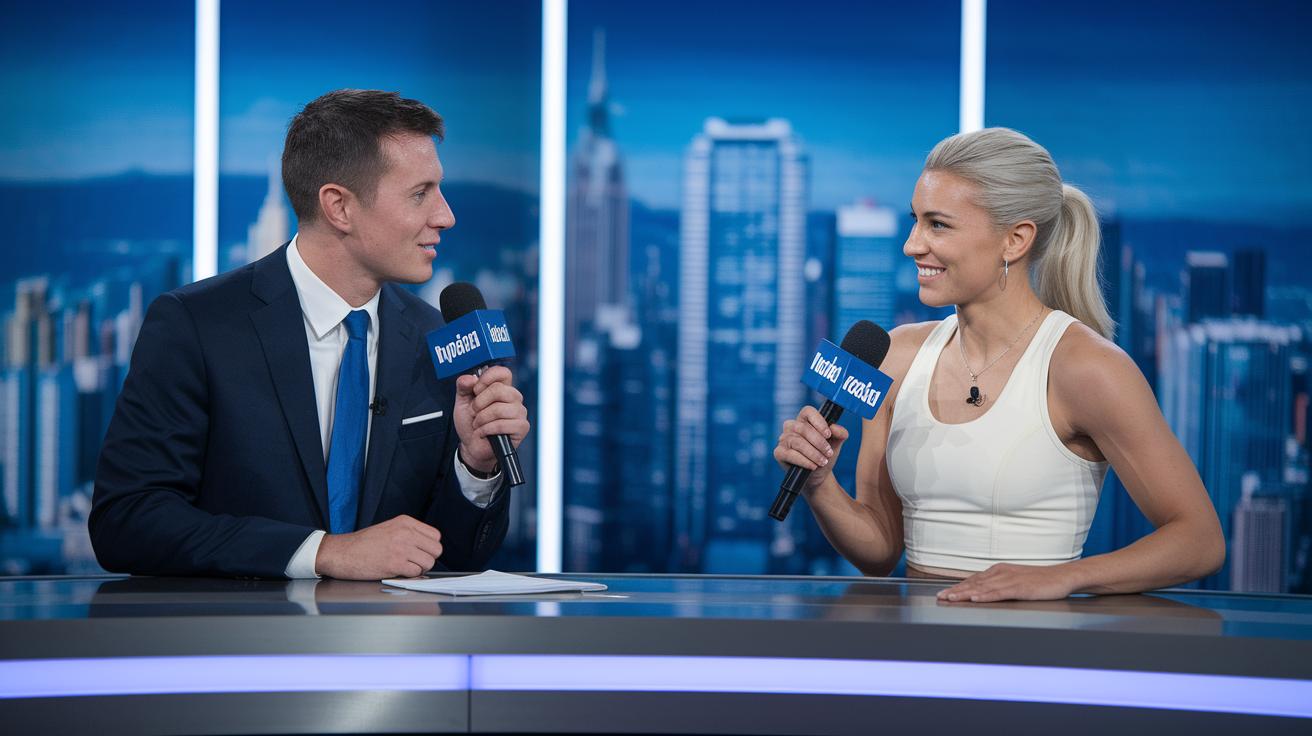
Interview styles have come a long way. In the past, interviews felt stiff and rehearsed, leaving little room for personal touch. Today, though, conversations burst with life, letting athletes share their true stories on radio, in print, and on TV.
Scripted Precision: Usage in 1980s post-game shows
Back in the 1980s, post-game shows stuck to a tight script. Hosts asked pre-planned questions that kept everything neat and risk-free. There was little chance for any unexpected twist or genuine emotion to peek through.
Unscripted Spontaneity: Rise of candid athlete reactions
As the game and its media evolved, so did interview styles. The neatly scripted format gave way to spontaneous moments where athletes could speak freely. These off-the-cuff reactions truly captured the pulse and excitement of the game.
Emotional Probing: Modern techniques to elicit confessions
Today’s interviews go deeper. Journalists use clever questions to peel back layers and reveal how athletes really feel. This modern style lets players open up about both their struggles and victories, offering fans a closer look at the heart behind the headlines.
Some key approaches now include:
- Warm-up questions that help break the ice.
- Inquisitive prompts that dig into the heart of the story.
- Follow-up questions that keep the conversation lively.
- Forward-looking asks that explore what comes next.
Narrative Structure Breakdown in Legendary Athlete Confessions
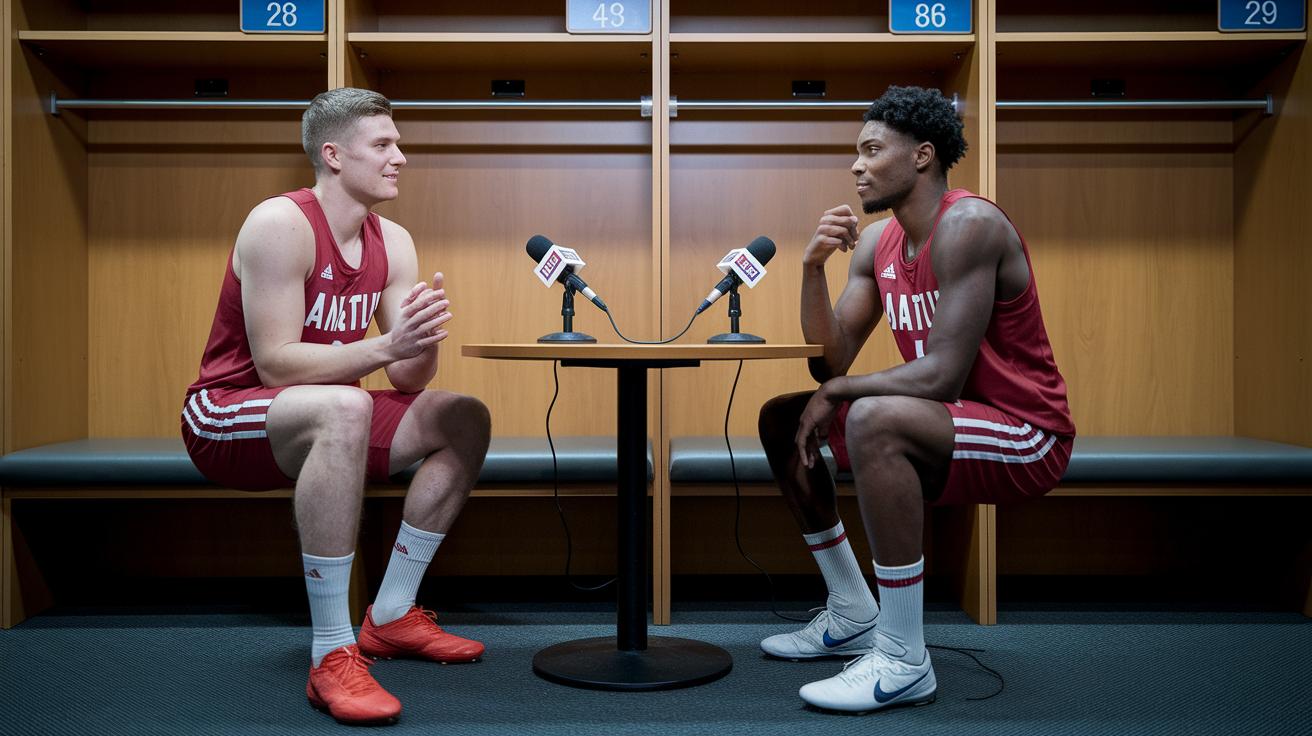
When iconic athletes share their confessions, they often follow a clear story arc, a beginning that sets the stage, a middle filled with struggles or challenges, and a powerful finish that wraps it all up. These interviews aren’t just about numbers or game stats; they’re honest moments where players reveal personal battles, inspiring comebacks, and the raw feelings behind every play. It feels like having a real, heartfelt conversation over coffee, where you get more than just the score.
Take Kobe Bryant’s farewell interview. In this moving conversation, Kobe laid out his long, storied career and hinted at the next chapter of his life. He openly compared his big wins with the tough sacrifices he made along the way. The mix of regret, excitement, and finality was palpable. For fans, it was a touching goodbye filled with sincere gratitude and quiet reflection.
Then there’s Muhammad Ali’s famous “I’m Young, I’m Handsome” moment. With a swagger that matched his bold words, Ali set up a narrative full of confidence. He didn’t just talk the talk, he faced critics and broke down expectations with every sentence. His story exudes self-assurance, leaving us with the reminder of his lasting impact as a transcendent sports icon.
Key storytelling techniques bring these narratives to life. They use hints of what’s to come, vibrant comparisons, a steady build of tension, clear contrasts between characters, and vivid descriptions that make you feel like you’re right there in the moment. Each element helps transform a regular interview into a story that lingers long after the final word.
Emotional Impact and Memorable Soundbites from Unforgettable Locker-Room Revelations
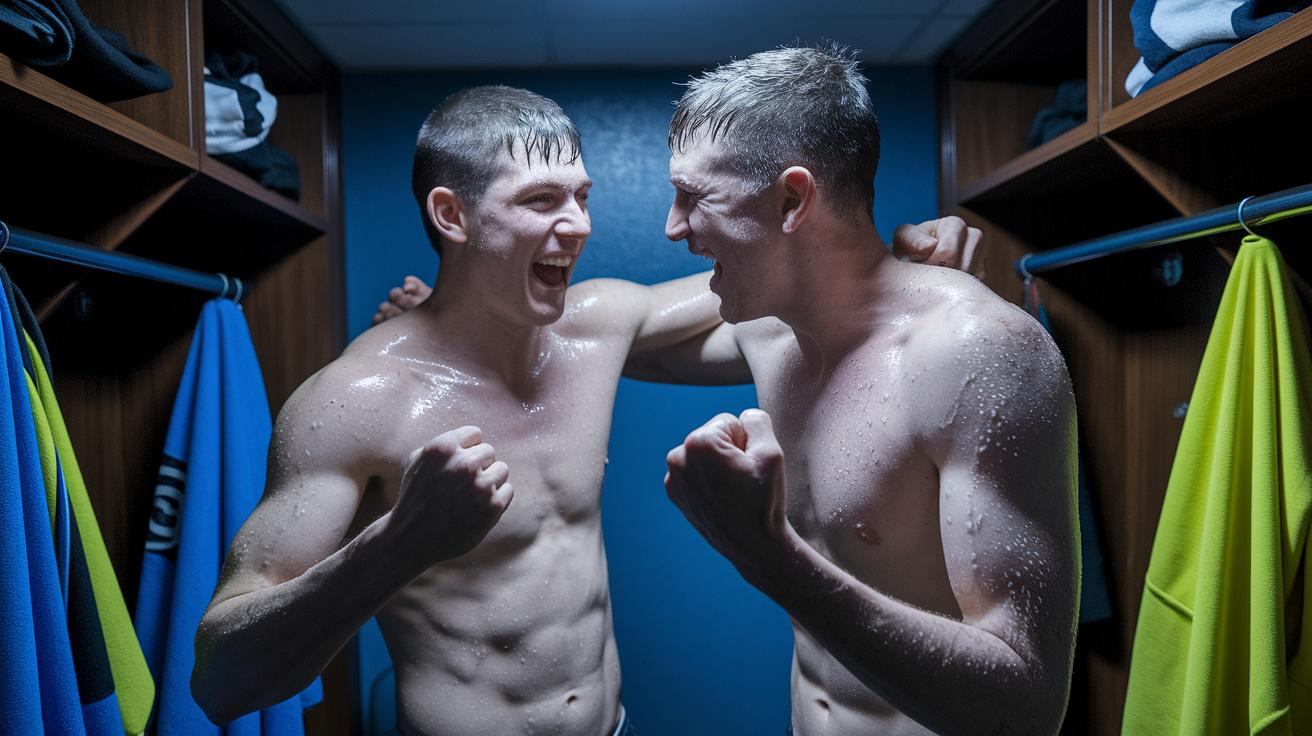
There's something truly special about hearing raw, unscripted emotions spill out in the locker room. It's where players drop the act and speak from the heart, whether they're celebrating a win or learning from a loss. In these moments, you can feel the weight of every victory, every defeat, and every private struggle that fuels their passion.
Inside those walls, trust runs deep and every shared word matters. The room buzzes with energy as teammates open up about hidden frustrations or bursts of pure joy. It’s like listening to a personal play-by-play where simple words capture the intensity of the moment, turning each phrase into a memorable soundbite that fans hold onto long after the game.
- "We fought till the end," 00:32
- "I knew we could do it," 01:15
- "This win means everything," 02:05
- "No one believed in us," 03:20
- "We turned the tide," 04:10
- "Every second counted," 05:00
- "Today, we made history," 06:45
These genuine snippets spread like wildfire on social media. Fans share them everywhere, sparking conversations and drawing in even more passion for the game. Every quote has the power to set off a wave of discussions, making each one a spark that connects communities and elevates the energy around sports culture.
Live Broadcast Impact and On-Air Candid Moments Critique

Live broadcasts push video teams to work under a lot of pressure. Every camera angle and sound clip happens in real time, so there’s no chance to fix errors later. Taped interviews, on the other hand, let you smooth over glitches and control the scene better. To keep up with live events, online tools and new production techniques must be really solid so that every moment of the game is shown without interruption.
It’s a real balancing act for producers and directors during live sports. They have to guide the conversation while letting athletes speak their minds. This juggling act keeps network standards high and helps avoid risky, unscripted comments that might cause trouble. It’s a tough job trying to monitor dialogue on the fly while still catching those surprise moments that become fan favorites.
Viewers clearly love those off-the-cuff moments. When an unexpected remark catches fire, fans rush online to share their reactions and break down what happened. This buzz, seen in higher viewership and social media spikes, shows how powerful live broadcasts can be. For more about how broadcast metrics are evolving, check out the future of digital sports engagement and analytics (https://wingft.com?p=1755).
| Platform | Viewer Reaction Metrics | Notable Live Mishap |
|---|---|---|
| TV Network A | 1.2M Tweets | Unscripted comment slip |
| Streaming Service B | 850,000 Views | Technical glitch delay |
| Social Media Live | 2M Reactions | Overheard rivalry exchange |
Comparative Conversation Retrospectives of Breakthrough Interview Moments
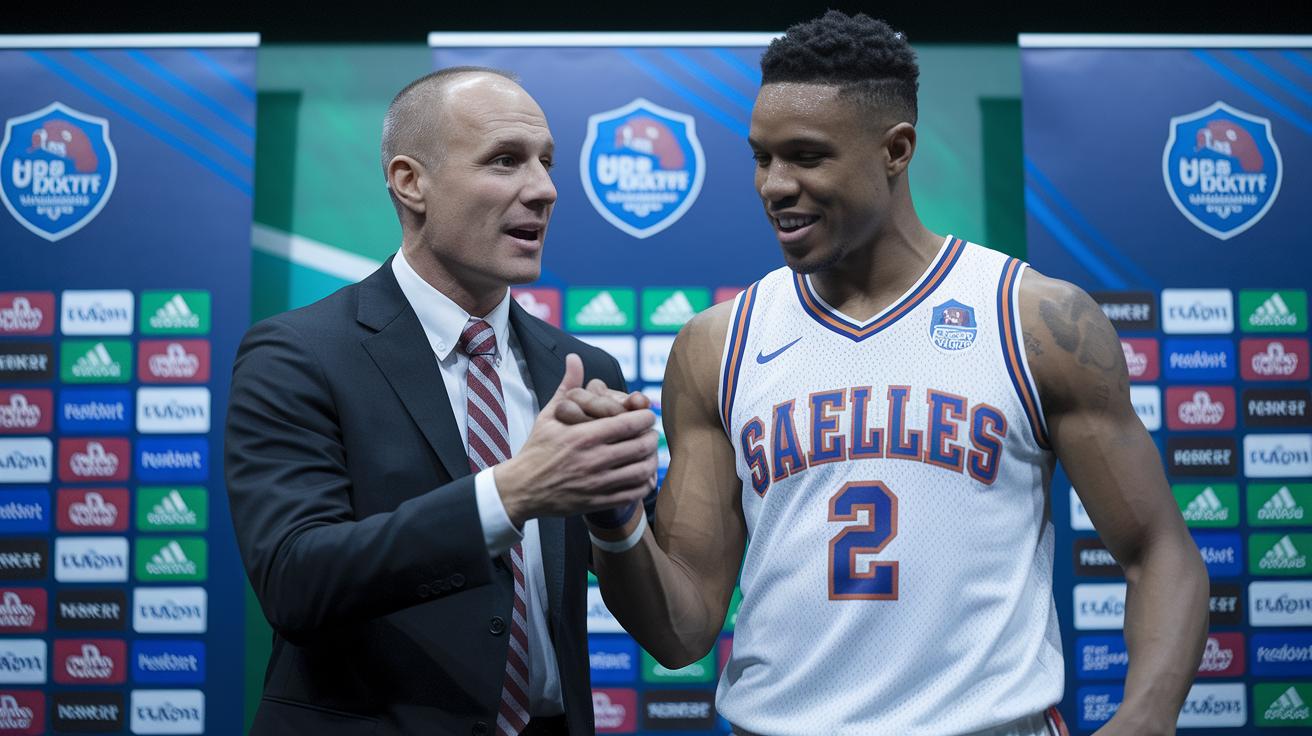
After big championship wins, post-game Q&A sessions burst with raw energy and a sense of relief. Players kick off by admitting how tense they were after a hard-fought battle, then shift to sharing thanks and a bright outlook for what comes next. It’s like watching a roller coaster where the high stress of the game gives way to the joy of a shared victory.
Crisis-mode press conferences with coaches tell a different story. In these moments, a coach mixes firm leadership with a touch of personal vulnerability. Each word carries the weight of tough decisions and high team expectations. And just when you think you see a wall of authority, there’s a brief glimpse of the human side behind the role. These varied scenarios show how pressure can shape every conversation between sports professionals and the media.
Here are a few standout elements:
- Tone
- Pacing
- Emotional transparency
- Clarity
- Depth of insight
Historical Relevance and Cultural Significance of Timeless Sports Interviews
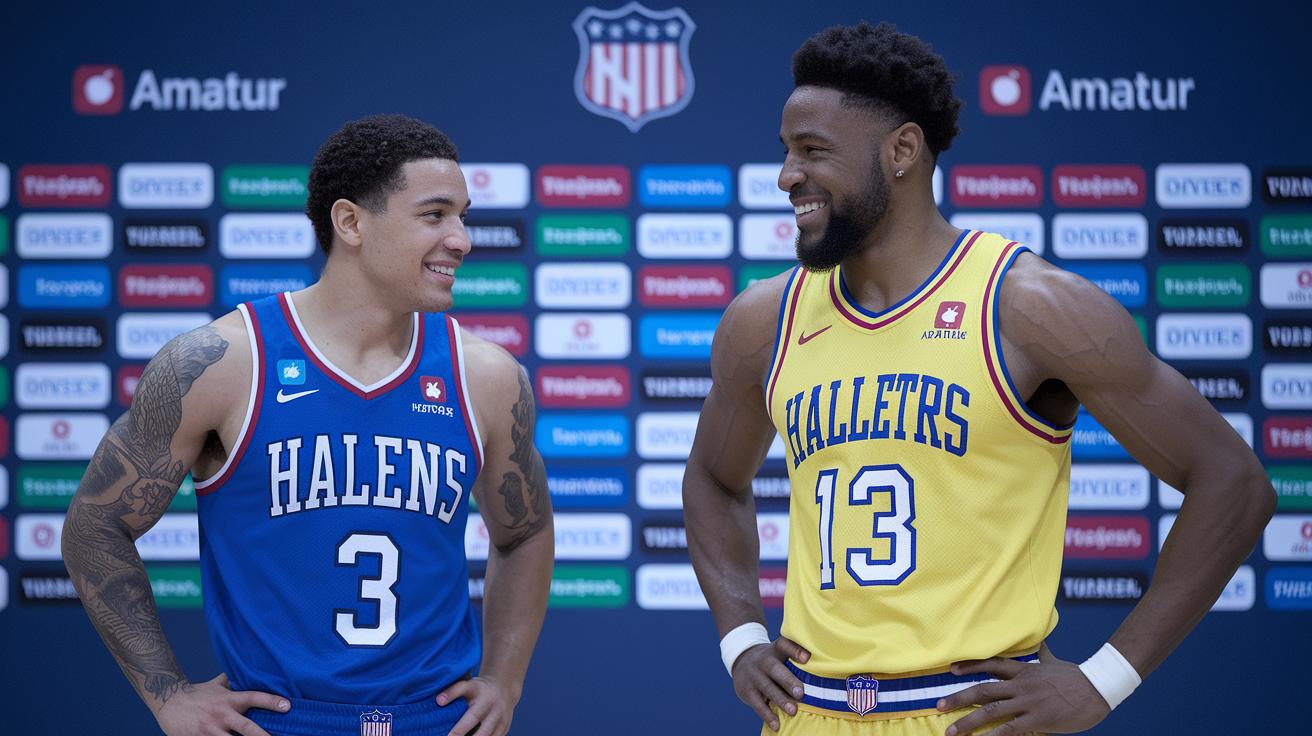
Interviews with sports legends have always packed a punch on and off the field. Icons like Jackie Robinson and Billie Jean King used their time in the spotlight to break down walls and spark honest talks about race and gender fairness. They shared raw feelings that helped push social change, setting up today’s debates about how athletes are represented and treated. Now, with digital media, their stories reach even more fans and activists, keeping that fire alive.
- Jackie Robinson broke racial boundaries both on and off the field.
- Billie Jean King fought for equal treatment and rights for women in sports.
- Muhammad Ali boldly called out social injustice with every word.
- Serena Williams has shared her journey of overcoming personal and professional challenges.
- Tom Brady has opened up about the highs and lows of leading a team.
- LeBron James uses his voice to stand up for his community and social causes.
These standout moments continue to shape how we talk about fairness in sports. Today, the legacy of these interviews pushes us to balance raw storytelling with care and respect. Both critics and fans still ask when a tough question is too much and how to honor someone’s personal sacrifice while also pointing out bigger issues. In short, these conversations keep the spirit of those legendary interviews alive, reminding us to value both truth and respect in every story.
Final Words
in the action, this post explored landmark sports interviews, breaking down the moments that turned interviews into compelling narratives. It covered everything from historical rankings and evolving broadcasting styles to heartfelt locker-room revelations and on-air critiques.
Every section showed how these interviews not only shaped sports culture but also sparked lasting conversations. Reflecting on these insights leaves us energized for more iconic sports interviews analysis. Enjoy the thrill and inspiration that comes from exploring these unforgettable moments.
FAQ
What are some good interview questions for sports?
The good interview questions for sports explore topics like game strategy, personal challenges, and career inspiration. They elicit genuine insights from athletes and coaches, making each discussion engaging.
What are the different types of sports interviews?
The different types of sports interviews range from live broadcast talks, post-game press sessions, in-depth personal profiles, to trading and analytical discussions that cover technical and emotional aspects.
What are examples of famous sports interviews and iconic moments?
The famous sports interviews include breakthrough moments in football, discussions highlighted on Reddit, and notable examples from 2022 where athletes shared candid off-field insights that impacted fan culture.
What questions are asked in sports trading interviews?
The questions asked in sports trading interviews focus on analytical reasoning, risk assessment, and market dynamics. They aim to evaluate an interviewee’s quick thinking and tactical understanding.
What are some interesting questions to ask athletes during interviews?
The interesting questions for athletes often dive into their personal journeys, on-field strategies, and memorable career moments. They prompt reflective and heartfelt responses that reveal their true character.