
Have you ever thought about which style of sports interview tells a richer story? Traditional interviews let players share personal memories in a relaxed setting, almost like chatting with an old friend. In contrast, modern interviews pack on quick stats and clear insights from the field, giving us a real-time feel for the game. This change gives us two totally different looks at sports. The new style thrills with up-to-the-minute data, but sometimes it misses the deep emotional touch found in classic interviews. In this chat, we dive into both approaches to see how each one shapes our view of sports, and what valuable lessons we can take from them.
Comparative Analysis of modern vs classic sports interviews: Style, Approach, and Narrative
In the old days, interviews were all about sharing stories that dug deep into the feelings of the game. Journalists would ask athletes to recount big, memorable moments, like the 1930 coin toss that set the stage for a game-changing win. These conversations, often held in quiet press rooms, allowed athletes to relax and open up with rich details and personal memories.
Today, things are very different. Interviews now move fast and demand precision. Reporters fire off quick, clear questions that mix in game stats, instant replays, and live data. Instead of a static press room, interviews happen right on the field or the sidelines, making every interaction as dynamic as the game itself.
| Aspect | Traditional Interviews | Modern Interviews |
|---|---|---|
| Question style | Open-ended storytelling | Short, data-driven queries |
| Pacing | Slow and thoughtful | Quick and energetic |
| Context | Static press room meetings | Interactive field-side chats |
| Technology | No live data | Instant replays and live stats |
| Narrative focus | Legacy and personal stories | Real-time game analysis |
In short, these shifts have transformed athlete interviews. The classic style celebrated deep, human stories, while modern interviews capture the immediate thrill of the game with quick stats and rapid exchanges. Both styles bring their own excitement to the conversation, one making us relive history and the other keeping us on the edge of our seats.
Evolution of questioning methods in modern vs classic sports interviews
Back in the day, interviews happened in quiet newspaper offices and sometimes started as late as 2 p.m. Reporters, playfully known as the toy department, kept things friendly with simple questions like "What did that coin toss decision mean for you?" This laid-back vibe let athletes share their memories without pressure.
After the 1970s, the approach began to change. Reporters started using videotape reviews to zoom in on important moments from the game. They shifted from broad storytelling to asking more pointed questions like "How did that moment change your game plan?" or "What adjustments did you make during the play?" This new style was all about uncovering the split-second decisions that shaped the game.
Today, digital tools and instant replays have completely reshaped the interview. Journalists mix reflective insights with quick, data-driven analysis. For instance, they might ask, "What’s the impact of that lineup change on your strategy?" By blending the old charm of relaxed storytelling with the precision of modern stats, today's interviews capture both the heart and the details of the game.
Production and editing in modern vs classic sports interviews
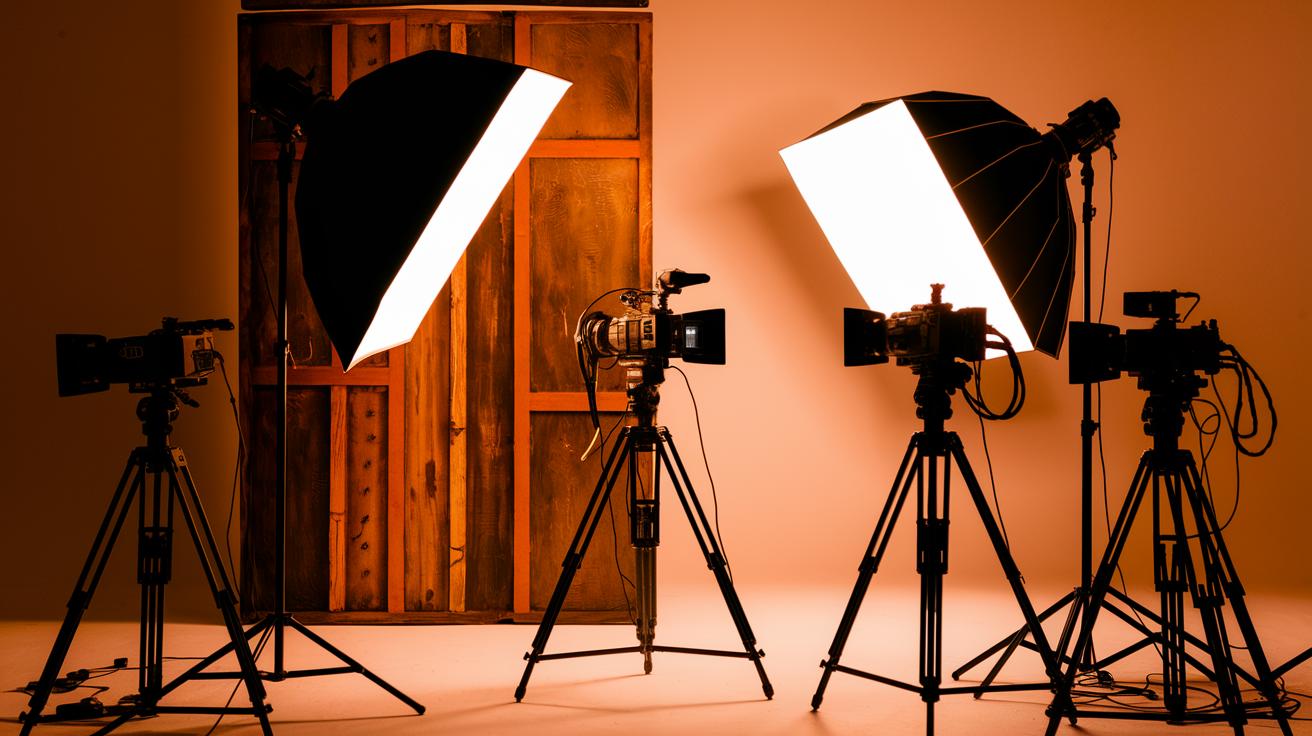
Classic interviews used to keep things simple. They happened in studio press rooms with just one camera capturing plain audio and minimal cuts. Reporters would ask genuine questions like, "How did that goal change your game?" and let every word and gesture shine naturally. It was all about giving the moment room to breathe, just like watching a great play unfold without too many distractions.
Today, things have changed completely. Modern broadcasts use a mix of cameras from different angles, real-time graphics, and even split-screen social feeds to bring every moment to life. Editors work fast, stitching together dynamic visuals, instant replays, and rapid cuts to match the live pulse of the game. This speedy editing turns an interview into an interactive, almost cinematic experience that amps up the thrill with every cut and graphic.
- Cameras: They have moved from a single setup to using multiple cameras for a variety of views.
- Audio: Gone are the days of plain studio sound; now, layered and immersive audio fills the room.
- Graphics: Instead of minimal effects, real-time data overlays and sharp visuals now steal the show.
- Post-production: Editing has shifted from slow and careful to fast, dynamic, and in tune with the game.
Technological impacts on modern vs classic sports interviews
Social media has changed the way players chat with fans. Today, Twitter and Instagram let athletes jump into live Q&A sessions, where they answer quick questions on the spot. This direct connection skips the usual press channels and creates a fast, lively bond with the crowd.
Remote interviews have also reshaped how we get the inside scoop, especially during the COVID period. Video calls made it possible for players and reporters to connect no matter the distance. This new style gave us a behind-the-scenes glimpse and brought fresh perspectives to each conversation.
Looking ahead, new VR and AR demos are about to change the game for fans. Soon, you might be stepping into a virtual press room, surrounded by live stats and interactive sessions. This mix of digital technology is blurring the lines between traditional studio chats and remote interviews, promising a more personal and exciting experience for everyone.
Cultural and audience shifts in modern vs classic sports interviews

Back in the day, fans relied on newspapers and radio recaps to get their sports fix. The game was told through steady, classic storytelling that painted a clear picture of every play, and you always knew what to expect.
Today, though, the vibe is totally different. People want to see the raw side of sports, they crave a real peek behind the scenes. Imagine hearing those candid locker room laughs or catching the buzz of a mic’d-up moment in real time. It’s like experiencing the game as it unfolds, with instant feedback and on-the-spot data lighting up every play. Platforms like YouTube and podcasts let fans join in interactive chats and get updates the moment action happens.
And then there’s athlete content that takes personal stories and mixes them with slick production. Tailored pieces created by teams and sponsors transform interviews into multi-platform experiences that hit home with audiences around the world.
Modern vs Classic Sports Interviews: Bold Style Shift
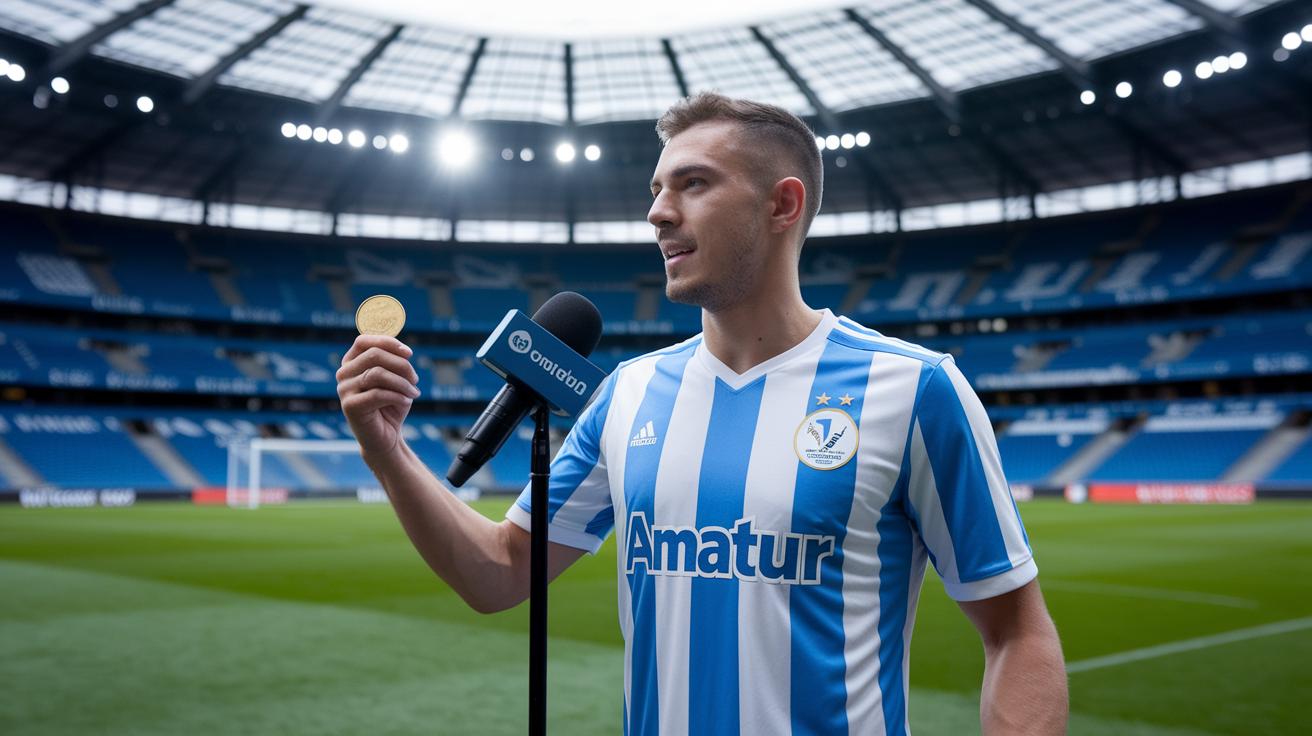
Back in 1930 in Montevideo, sports interviews felt like a heart-to-heart chat. Reporters captured real moments and raw emotions, drawing fans closer to the players beyond the game. When a player was asked, "How did the coin toss shape your game plan?" they shared personal, unforgettable stories. These honest conversations not only highlighted match-day pressures but also set the stage for genuine reporting that still inspires today's sports storytelling.
Today’s interviews feel like a live data jam session. Athletes now take part in dynamic talks featuring multiple cameras, live stats, and interactive polls, making every minute engaging. Imagine a reporter asking, "What do these numbers say about your tactics?" and the player diving into insights sparked by instant data feedback. Experts believe that mixing on-the-spot performance numbers with personal stories has redefined athlete branding and opened up new ways for fans to join the conversation.
| Interview Type | Era | Key Technique | Production Style | Example |
|---|---|---|---|---|
| Classic Interview | 1930 | Heartfelt storytelling | Single-camera in cozy settings | Sharing memories about coin tosses and ball choices |
| Modern Interview | 2021 | Real-time data insights | Multi-camera with live stats and polls | Interactive discussions linking numbers to tactics |
Final Words
In the action, the article brought to light how narrative style, questioning, production, and technology have shifted over time. It compared relaxed, human-centric classic interviews to today’s crisp, data-driven exchanges. Small examples, like the 1930 World Cup session and modern press conferences, helped us see these contrasts in a clear way.
Key differences emerged in question style, pacing, context, technology, and narrative focus. Ultimately, modern vs classic sports interviews continue to shape athlete storytelling in exciting and dynamic ways.
FAQ
What distinguishes modern versus classic sports interviews?
The distinction between modern and classic sports interviews lies in their approach: classic interviews emphasize storytelling and broad narratives, while modern interviews favor data-driven questions, real-time analytics, and enhanced production techniques.
How do modern versus classic sports interviews differ on platforms like Reddit and YouTube?
The contrast on platforms like Reddit and YouTube is evident as modern sports interviews use concise, research-based queries and dynamic visuals, whereas classic interviews rely on open-ended, narrative-driven storytelling typically found in traditional media formats.
What types of questions characterize modern versus classic sports interviews?
The types of questions in modern sports interviews are short, focused, and centered around performance stats and real-time feedback, while classic interviews featured open-ended questions designed to explore athletes’ personal stories and historical achievements.