
Ever thought that stepping back from playing full-time might actually fire up your love for the game? Many semi-retired athletes show us that it isn’t about quitting; it’s about picking the right moments and roles to keep the passion burning. Imagine escaping a busy schedule to coach or dive into fun fitness projects. Like that game-changing goal at the last second, these athletes mix selective play with new, exciting challenges. Their journey reminds us that combining competition with fresh opportunities can reveal a truly vibrant and active spirit.
Defining the Semi-Retired Athlete: Selective Competition & New Roles
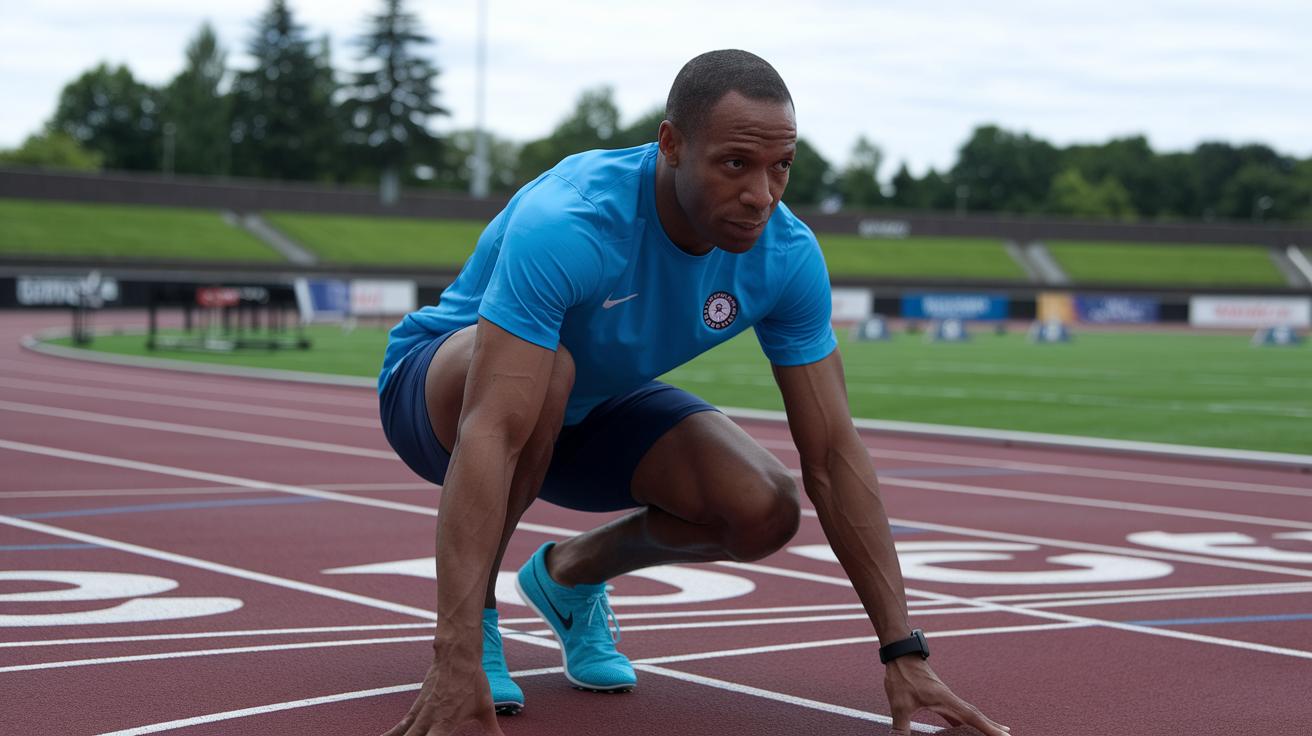
Semi-retired athletes ease out of a grueling full-time schedule while still keeping their passion alive. They pick a few key events to compete in, like choosing the best moments from a long season. It’s like the thrill of a last-minute goal, yet without the daily pressure. These athletes often try their hand at coaching, mentoring, or even launching fitness ventures, finding new ways to channel that competitive spirit.
Take Nick Symmonds, for example. After an impressive career as an Olympian, he stepped away from full-time racing in 2016. Instead, Nick embraced fitness entrepreneurship and started a YouTube channel that now has over a million subscribers. His journey shows that moving from a day-to-day sports grind to a more selective approach can keep the love for competition burning bright while allowing a fresh start in life.
Timeline for the Semi-Retired Athlete: Mapping Key Milestones
Semi-retired athletes keep reinventing their careers by looking back on big moments and making smart moves. They mark key turning points that show how they mix competitive grit with fresh adventures. Each phase, from ending a full-time season to launching new projects, shows how they adapt in a fast-changing world. It's a lot like a perfectly timed play that sets up future wins.
| Year | Milestone | Transition Focus |
|---|---|---|
| 2012 | Final full-time season | Reevaluating training and commitment |
| 2016 | Announcement of partial retirement | Embracing flexibility in competition |
| 2016 | Launch of fitness ventures and YouTube channel | Sharing expertise with a broader audience |
| 2018 | Adoption of MOBO Board training tool | Innovating workout techniques |
| 2020 | Partnership with Athletic Greens AG1 | Enhancing recovery and nutrition practices |
These milestones give both athletes and fans a clear picture of how making clever changes can have a lasting impact. Recognizing every stage, from shifting priorities to grabbing new opportunities, lets semi-retired athletes plan their next moves while keeping that competitive fire burning.
Semi-Retired Athletes: On-Field Legacy & Career Highlights
Semi-retired athletes build their reputations on years of record-breaking moments that carry weight even off the field. Their careers are packed with Olympic finals, national titles, and performances that feel like a highlight reel of unforgettable plays. These milestones remind us of the grit, discipline, and passion they poured into every race, match, or game. And while they may not be in full-time competition anymore, the skills they honed continue to fuel exciting new ventures, from fitness coaching to innovative training programs.
Case Study: Nick Symmonds
Nick Symmonds is a name that still lights up the track world. He shined brightly with top finishes at both the 2012 and 2016 Olympics. His best time of 1:42.95 in the 800m set a global standard and earned him admiration from fans everywhere. But Nick’s journey didn’t stop with his record-setting runs. He used his on-field success as a springboard into fitness entrepreneurship and media. He often points out that the laser-like focus required in a high-pressure race now helps him design training routines that resonate with his YouTube audience. It’s a real blend of his athletic spirit and modern fitness strategy.
Turning on-field achievements into new opportunities, athletes like Nick transform their legacy into a lasting brand. Their storied careers boost personal confidence and attract fans who appreciate the mix of elite performance with savvy business moves. The tough lessons learned in high-pressure competitions now inform their leadership in emerging sports and fitness trends. In short, they turn memories of Olympic finals and national titles into a vibrant blueprint for success beyond the competition floor.
Daily Routines & Fitness Strategies for the Semi-Retired Athlete
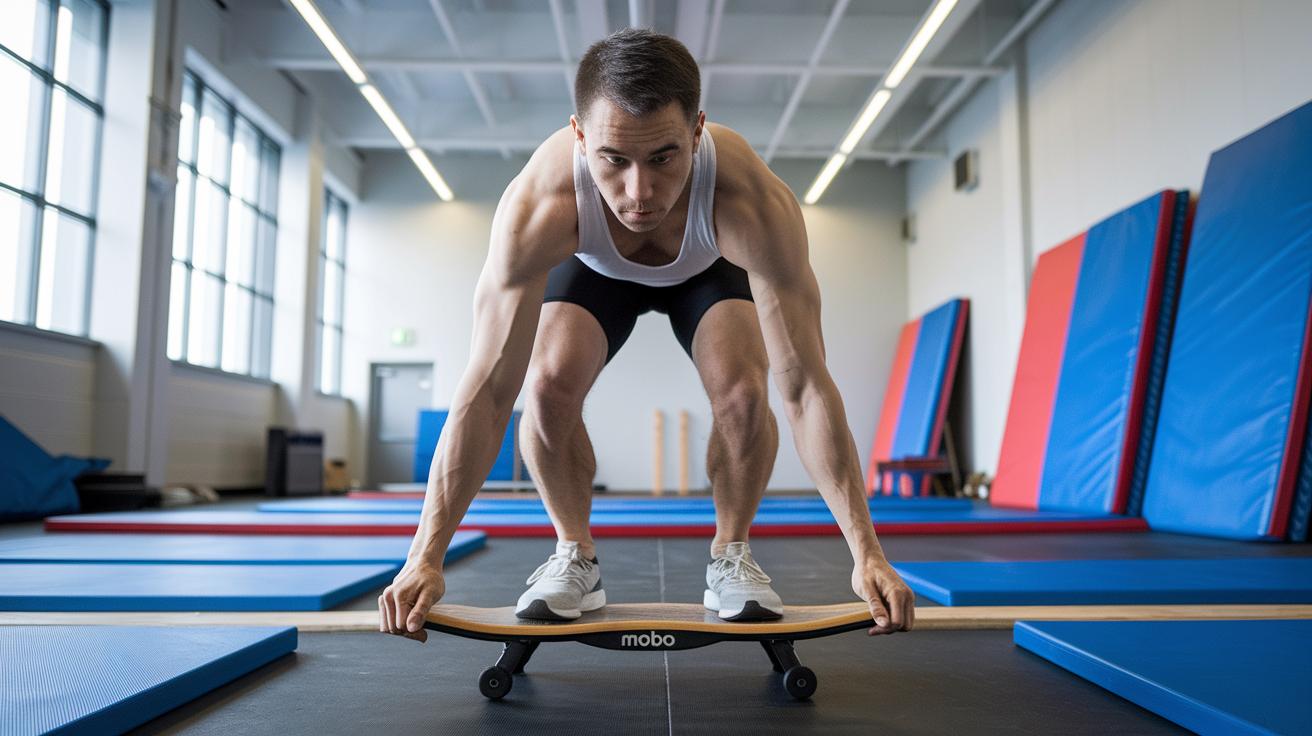
Athletes shifting to semi-retired status know that keeping up with training progress is essential. They blend trusted routines with fresh drills to stay sharp on the field and strong off it. Many mix traditional athletic moves with modern recovery and strength techniques, all while listening to their bodies and relying on proven fitness science to boost power, endurance, and balance.
- They use balance boards, like the MOBO Board’s rocker design, to get the big toe working harder for steadier balance.
- They adopt adaptive hypertrophy cycles, which use supercompensation, a method that promotes muscle recovery and growth, to build muscle steadily.
- They schedule fatigue-aware speed training, meaning they skip high-intensity drills when energy runs low.
- They include multi-sport skill drills inspired by tactics once used by defensive coordinators to improve reaction times and agility.
- They emphasize recovery nutrition with AG1 greens mix, a blend of vitamins and minerals that helps restore the body.
These strategies not only push the body to perform but also strengthen the connection between mind and body. It’s impressive how thoughtful tweaks can keep athletes performing at their peak, even in the semi-retired phase.
Mindset & Mental Health for the Semi-Retired Athlete
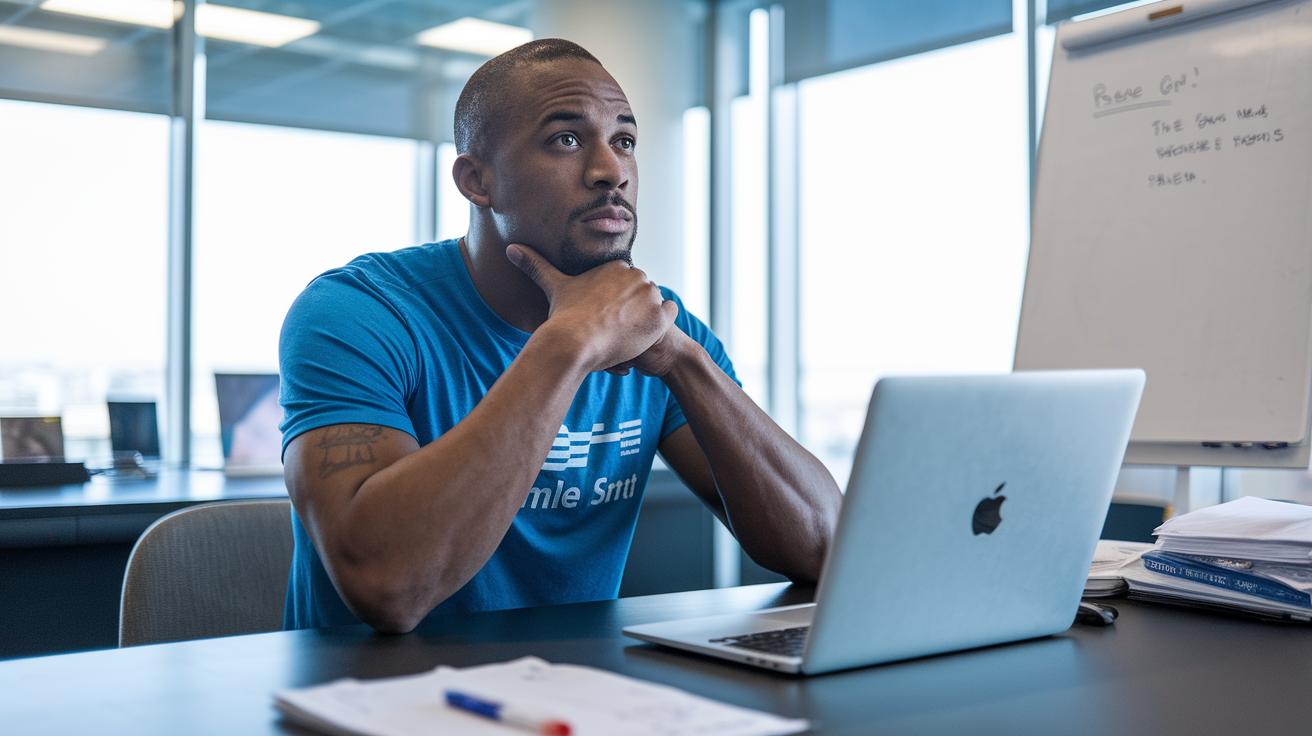
When athletes step away from the full-time game, they often wrestle with a deep sense of loss and confusion about who they really are. The routines and familiar schedules vanish almost like magic, leaving behind a void that makes them question everything beyond winning and losing. It’s like the home base has been knocked down and now they must rebuild their identity from scratch.
In these early moments of uncertainty, doubts can creep in and self-esteem may waver. The pressure to recreate a new version of oneself can feel overwhelming. But recognizing this shift is key, it’s the kickoff for rediscovering a fresh focus and balance in life.
Many former competitors bounce back by creating new, small daily challenges that spark personal growth and set achievable goals. They often lean on trusted tools like sports psychology for a pep talk or a bit of expert guidance. Simple routines, encouraging self-talk, and leaning on friends and family all play a big part in easing the transition. And isn’t it inspiring? When fans see these athletes embrace change with passion, it shows that life after peak competition can ignite a whole new level of ambition.
Business, Media & Digital Ventures for Semi-Retired Athletes

Many semi-retired athletes are finding new ways to keep the competitive spirit alive by stepping into the business arena. They’re getting creative by launching fitness product lines and teaming up with nutrition companies to reach a health-focused crowd. Nick Symmonds, for example, has turned his career highlights into a thriving fitness brand and smart partnerships that not only boost his revenue but also keep his fan base connected. It’s like watching a former star transform his legacy into custom workout gear that tells his story all over again.
The shift to digital content has been a game-changer. Athletes are diving into platforms like YouTube, where their authentic stories and behind-the-scenes moments reach millions. Nick once raced solely on the track, and now his popular channel, with over one million subscribers, gives fans a sneak peek into training and life off the field. Have you ever been surprised by someone reinventing themselves so seamlessly? It’s a move that entertains and builds a real sense of community among fans.
Keeping track of digital engagement is another key play in this new arena. These athletes lean on analytics to understand what resonates with their audience and to fine-tune their strategies on the fly. They monitor everything from viewer metrics to social media buzz to ensure every post and product hits home with their supporters. In short, by actively listening to their fans, these semi-retired stars keep the excitement alive both on and off the field.
Planning the Next Chapter: Strategies & Legacy for the Semi-Retired Athlete

Mapping out your next five years can feel a lot like drawing up a new playbook after leaving full-time competition. It's the perfect time to set clear money goals, build up your savings, and find partners who help keep your on-field reputation alive off the field too. You might even mark down milestones for new endorsements and budget for future investments. This steady game plan helps build your financial strength and smooths out the transition into your next chapter.
Mixing your past achievements with new business ideas can open fresh doors. Many semi-retired athletes channel their love of the sport into coaching, media gigs, or community projects. By choosing projects that reflect your unique athletic journey, you can win over long-time fans while attracting new ones. It’s a moment to blend the thrill of competition with smart business moves so that your legacy stays strong and relatable.
Setting up legacy-focused initiatives can take many shapes. Whether it’s charity work or mentorship programs that guide up-and-coming talent, these efforts keep your impact alive and give back to the community. They offer a great way to share your hard-earned wisdom and uphold the values that defined your peak competition days. Think of semi-retirement as just another round in your career where every step off the track helps build a lasting legacy.
Final Words
In the action, we explored the evolving career of the semi retired athlete, from selective competition and adaptive training routines to mental health strategies and digital ventures. We traced key milestones and legacy planning steps that keep athletes connected to their past while forging exciting new roles. The story shows that change can spark innovation, reminding us that every athlete can embrace a renewed mission with optimism and determination. Here's to the next inspiring chapter in every athlete's playbook.
FAQ
What is a semi-retired athlete?
A semi-retired athlete is someone who steps away from full-time competition yet still competes in select events or takes on related roles while exploring new career opportunities.
Who is semi-retired athlete Nick (or Nick Finke)?
Semi-retired athlete Nick, sometimes known as Nick Finke, is recognized for transitioning from full-time competition to managing social media presence and entrepreneurial ventures.
What is the typical age of a semi-retired athlete?
The semi-retired athlete age usually falls in the mid-30s to mid-40s as they balance past competition experience with new pursuits.
What social media platforms is semi-retired athlete Nick active on?
Semi-retired athlete Nick stays active on Twitter, Instagram, and TikTok, where he shares training tips and personal insights with his audience.
Can I become an athlete at 35 or 45?
Becoming an athlete at 35 or 45 is achievable, as many individuals restart or adapt their training routines and mindset to pursue competitive sports successfully.