
Have you ever noticed how one simple question on live TV can set off a wild debate? Sometimes in sports interviews, players get so fired up that their emotions burst out, leaving everyone surprised. Those genuine, unscripted moments, with unexpected words and intense back-and-forth exchanges, make us pause and think about the real pressures athletes face off the field. In this story, we take a look at some unforgettable interviews that stirred up big conversations and shifted the way we view sports.
Top Explosive Sports Interview Controversy Moments
Sometimes sports interviews burst into moments that leave everyone talking. Whether it happens during the game or after, these scenes bring out raw emotions and unexpected actions that make us rethink how we view our favorite athletes. Fans and critics alike remember these shockers, and they remind us of the tough pressure athletes face every day.
| Athlete | Year | Interview Context | Controversial Quote/Action | Career Impact |
|---|---|---|---|---|
| Joe Namath | 2003 | Sideline during a challenging game | Made a drunken remark about wanting to kiss a reporter | Prompted later efforts toward sobriety |
| Richard Sherman | 2013 | NFC title game press conference | Called Michael Crabtree “sorry” during a heated exchange | Drew more attention to player rivalries |
| Brock Lesnar | 2009 | Post-UFC 100 fight interview | Trash-talked his opponent and took jabs at sponsors | Raised questions about fighter conduct |
| Ryan Leaf | 2004 | Locker-room after a poor game performance | Threatened a reporter on camera | Damaged his credibility permanently |
| Floyd Mayweather Jr. | 2011 | Post-knockout interview after the Ortiz fight | Dismissed criticism with a curt rebuttal | Fueled ongoing debates on sportsmanship |
| Michael Strahan | 2006 | Radio interview during team tensions | Bluntly criticized teammate Plaxico Burress | Stirred internal team dynamics |
| Derek Anderson | 2010 | Sideline during a crushing loss | Laughed amid controversy then denied it | Invited intense media scrutiny |
| Chuck Liddell | 2007 | Live morning show appearance | Slurred speech and offhand, rambling remarks | Questioned his professionalism |
| Jim McMahon | 1989 | Live broadcast after a narrow loss | Blowed snot and hinted at violence | Triggered widespread condemnation |
| Al Iaquinta | 2015 | Post-fight Q&A after a split decision win | Cursed at fans on camera | Highlighted volatile fan reactions |
These heated controversies show how a few offhand words or spontaneous actions can change an athlete's image forever. It’s a reminder that in the high-pressure world of sports, interviews turn into a stage where passion and reality collide, keeping the conversation alive long after the final buzzer.
Anatomy of Athletic Press Drama in Sports Interviews
Sometimes when the stakes are sky-high, even the strongest athletes can lose their cool for just a split second. You know that feeling when the pressure builds and a tiny slip, like a nervous smile or a quick pause, speaks louder than words?
When tiredness or outside pressures add to the mix, unexpected reactions come out. It’s like watching a player miss an easy shot; the emotion is raw and unpredictable. Media questions only add fuel to the fire, pushing athletes to either guard themselves closely or show more than they might want to.
Then there’s social media. A minor gesture can instantly become headline news, as comments and posts amplify what was once a fleeting moment. Imagine a simple chuckle turning into a hot topic that trends online in minutes.
Even after the cameras stop rolling, the chatter continues. Feedback from fans and critics can linger, shadowing an athlete’s career long after that brief interview. It’s a reminder that every little detail on camera can spark endless discussion both on and off the field.
In short, the pressure of live sports mixes with the intensity of modern media to create moments where human emotion is on full display. Have you ever watched a game and felt every heartbeat of that split-second drama?
Game-Day Sports Interview Q&A Uproar: Psychological Triggers and Modern Media Impact
Under high pressure, the spotlight can reveal the hidden tensions athletes try to keep under control. Instead of just focusing on their dramatic outbursts, we look at what really drives those moments deep down. Take Sherman’s NFC title presser, for example. The intense scrutiny may have flooded him with self-doubt right before the cameras started rolling, sparking an explosive reaction.
Coaches point out that when athletes skip a proper warm-up before an interview, they become more likely to let raw emotions burst out. They suggest simple techniques like controlled breathing and mental focus to keep nerves steady and avoid on-camera flare-ups.
In today’s world, every misstep is magnified by social media. Look at Leaf’s fiery locker-room talk after a Chiefs loss or Lesnar’s comments following UFC 100; online fans don’t miss a beat. And then there’s Terrell Owens, who showed us just how challenging it is to balance personal vulnerability with public expectations.
| Incident | Psychological Insight |
|---|---|
| Sherman’s NFC Title Presser | Overwhelming pressure triggering explosive reactions |
| Leaf’s Locker-Room Interview | Lack of preparation leading to raw outbursts |
| Lesnar’s UFC Appearance | Sponsor pressures increasing performance anxiety |
| Terrell Owens’ Tearful Moment | Struggle with vulnerability under intense public scrutiny |
Coaches also note that having a clear preinterview routine can make all the difference when faced with unexpected questions. New media trends suggest that adjusting the timing and setup of interviews, along with softer social media feedback, might help ease the pressure during these high-stakes Q&A sessions.
Polarizing Public Responses to Televised Sports Interview Conflicts
Marshawn Lynch’s $100K fine got people talking about how on-field discipline should match off-screen behavior. Pete Rose’s heated words with Jim Gray continue to make fans question if an athlete truly lives up to their reputation. Mickelson’s funding comment sparked protests that changed how sponsors view their partnerships. And then there was that unexpected moment when a young star defended his teammate live, nobody saw it coming, and it set off a major online chatter.
Televised conflicts now mix raw emotion with instant feedback. Every remark on-air turns into a lively debate that not only colors how we see the players but also makes sponsors and network folks rethink their ties.
Social media has become a giant arena where every word is picked apart by fans. In real time, opinions build up and can permanently shape a player's public image and even affect their financial deals.
| Incident | Impact |
|---|---|
| Marshawn Lynch fine | Triggered debates about discipline and accountability |
| Pete Rose vs. Jim Gray | Raised questions about trust and credibility |
| Mickelson funding comment | Shifted sponsor ties and ignited protests |
| Young star’s live defense | Sparked real-time analysis and social media storm |
Expert Analysis of High-Profile Media Clashes in Sports Interviews
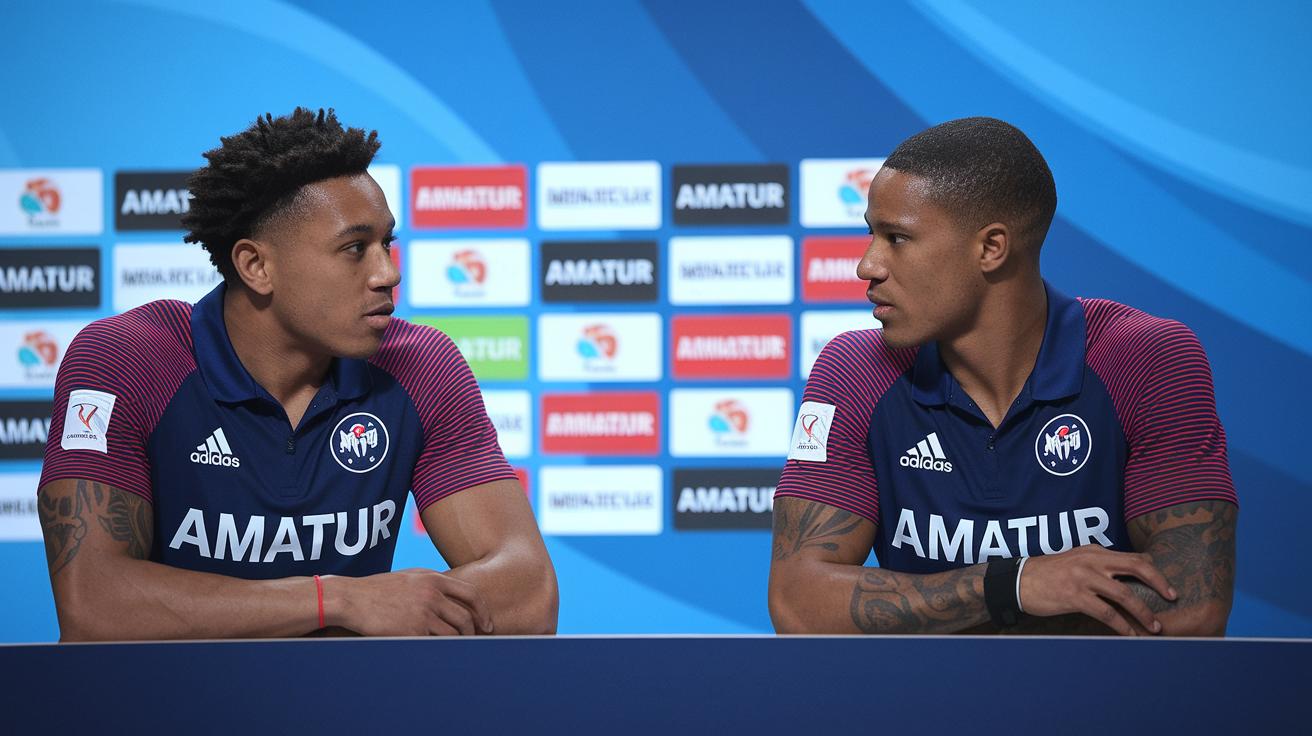
I remember when Namath openly talked about his battles with alcohol, it really shifted the way interviews were handled. Experts recall that day as a turning point, showing us that a spontaneous, heartfelt moment can make networks and PR teams rethink how they manage athlete vulnerability on camera.
Then there's Ryan Leaf. His fiery outburst in the locker room is a classic lesson in how quickly credibility can vanish when emotions run high. Many veteran crisis consultants say his reaction hurt his marketability and served as a big wake-up call for management teams to better prepare athletes for the pressures of live interviews.
Branding experts also point to Marshawn Lynch’s new approach. Lynch started keeping his words to a minimum during interviews, a move now seen as a clever way to shape his public persona. By avoiding long, risky sound bites, he reduced the chance of sparking controversy and protecting his sponsor relationships.
And who could forget Muhammad Ali? Retired broadcasters often bring up how his defiant explanation about the Vietnam War showed a perfect blend of humor and deep conviction. It wasn’t just about the sport; it was a masterclass in mixing personal beliefs with athletic identity to create a lasting impact on the way we see sports interviews.
Overall, these moments have pushed the whole sports industry to step up its media game. More and more, teams are investing in solid media training and clear, effective communication strategies so that even in the heat of the moment, athletes can shine on camera.
How Controversial Sports Interview Moments Shape Athlete Branding and Media Protocol
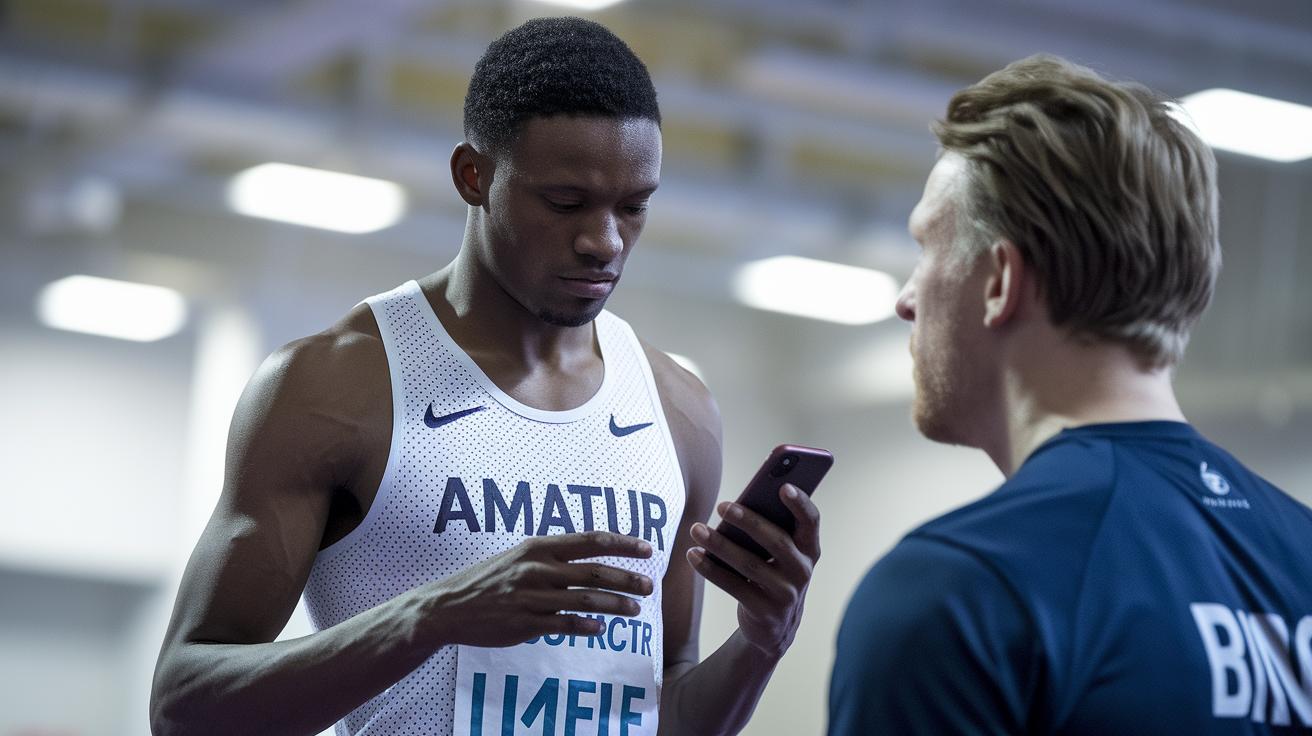
Teams and leagues have learned a thing or two from those wild on-camera moments. After some turbulent broadcasts, sports organizations overhauled their media strategies and training sessions. Take Marshawn Lynch, for example. After receiving a fine, he was sent to formal media training to nail a consistent, measured style when facing reporters. In the same vein, after Romero’s missteps in the UFC, fight promotions revamped how they prep athletes for the intense glare of the spotlight. The PGA Tour quickly polished its guidelines following Mickelson’s controversial Saudi remarks to keep sponsor and public trust intact. And when you look at how Namath and Liddell acted on air, networks stepped up their game to ensure athletes understand how to balance personal expression with professional responsibility.
Coaches and branding pros now push for interview sessions that mix the raw passion of sports with a polished media presence. Picture this: before stepping into the hot seat, athletes take a moment to breathe deeply or run through key messages. These simple techniques work like magic to keep a slip-up from turning into a long-lasting scandal. This fresh strategy not only helps teams navigate crisis moments but also turns unpredictable incidents into chances for growth and renewed public support.
- Always deliver clear, simple messages to prevent misinterpretation.
- Join regular pre-interview training sessions to stay on point.
- Stick to the updated guidelines on handling tough press questions.
- Use practiced responses to tackle unexpected or challenging queries.
Final Words
In the action, we witnessed explosive moments where live pressure turned everyday interviews into headline-making events. The post recapped major incidents like on-air tirades and unexpected remarks, each sparking heated debates and media protocol changes. These sports interview controversy moments remind us how pressure creates both drama and change. We explored how these encounters fueled public response and shifted athlete branding, leaving a lasting impact on sports culture. It all leaves us with a positive outlook on sports evolution and our shared passion for the game.
FAQ
What are some NFL sports interview controversy moments?
NFL sports interview controversy moments highlight unexpected sideline remarks and heated exchanges that reflect the pressure of live broadcasts while sparking broader media discussion over athletes’ real-time responses.
What are some funny sports interview controversy moments?
Funny sports interview controversy moments reveal unexpected humor and quirky comments during high-tension interviews, showing that even under game-day pressure, athletes can produce lighthearted, memorable soundbites.
What are some NBA sports interview controversy moments?
NBA sports interview controversy moments often involve intense emotional outbursts and surprising candid remarks that not only capture public attention but also underscore the fierce atmosphere of professional basketball.
What questions should be asked in a youth sports interview?
When conducting a youth sports interview, useful questions include asking about favorite moments, personal improvements, and team dynamics, which encourage young athletes to share their experiences and enthusiasm openly.
How should one answer sports interview questions?
Answering sports interview questions involves clear, honest responses with relatable examples from personal game-day experiences, helping athletes connect with fans while presenting their genuine perspectives.
What are some good questions to ask about sports?
Good sports questions invite detailed insights about training routines, memorable game moments, and personal reflections, engaging both athletes and fans in a conversation that covers both performance and emotion.