
Have you ever wondered how one simple question can capture the thrill of a game-winning moment? Sports interviewers turn quick chats with players and coaches into stories that feel as exciting as watching that last-minute goal under bright lights. Their words make you feel like you're right there on the field, sharing the pulse of the action. In this piece, we celebrate those dedicated journalists who bring live sports to life with vivid, unforgettable storytelling.
Defining the Sports Interviewer’s Role in Modern Media
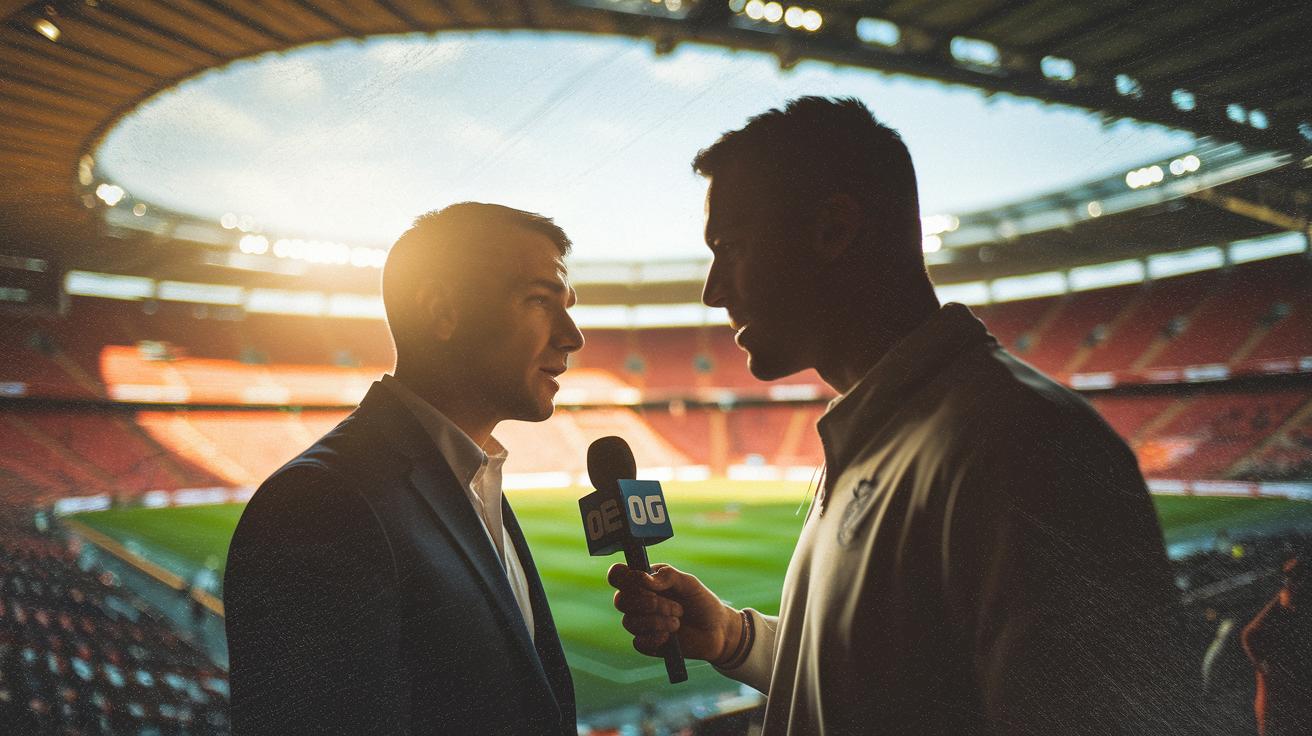
Imagine a sports interviewer as the friendly voice that connects the live action on the field to fans at home. They aren’t just writing reports like other reporters; instead, they chat directly with players and coaches to capture the excitement of the game. Whether they’re on-stage at a packed stadium or in a cozy studio, these pros bring a spark of energy to every conversation. They make sure you feel every thrilling moment as if you were right there on the field.
They handle tasks like:
- Holding pre-game talks with coaches and athletes
- Leading lively segments during the game
- Breaking down moments in post-game discussions
- Teaming up with producers to plan each segment
- Weaving multimedia clips into interviews to boost the story
This role really combines solid journalism skills with the quick thinking needed in live sports. It’s all about blending careful reporting with the burst of energy that a live game brings. Have you ever felt the buzz when your favorite team scores a last-minute win? That’s the spirit they capture every time they step up.
Essential Interview Techniques for Sports Interviewers
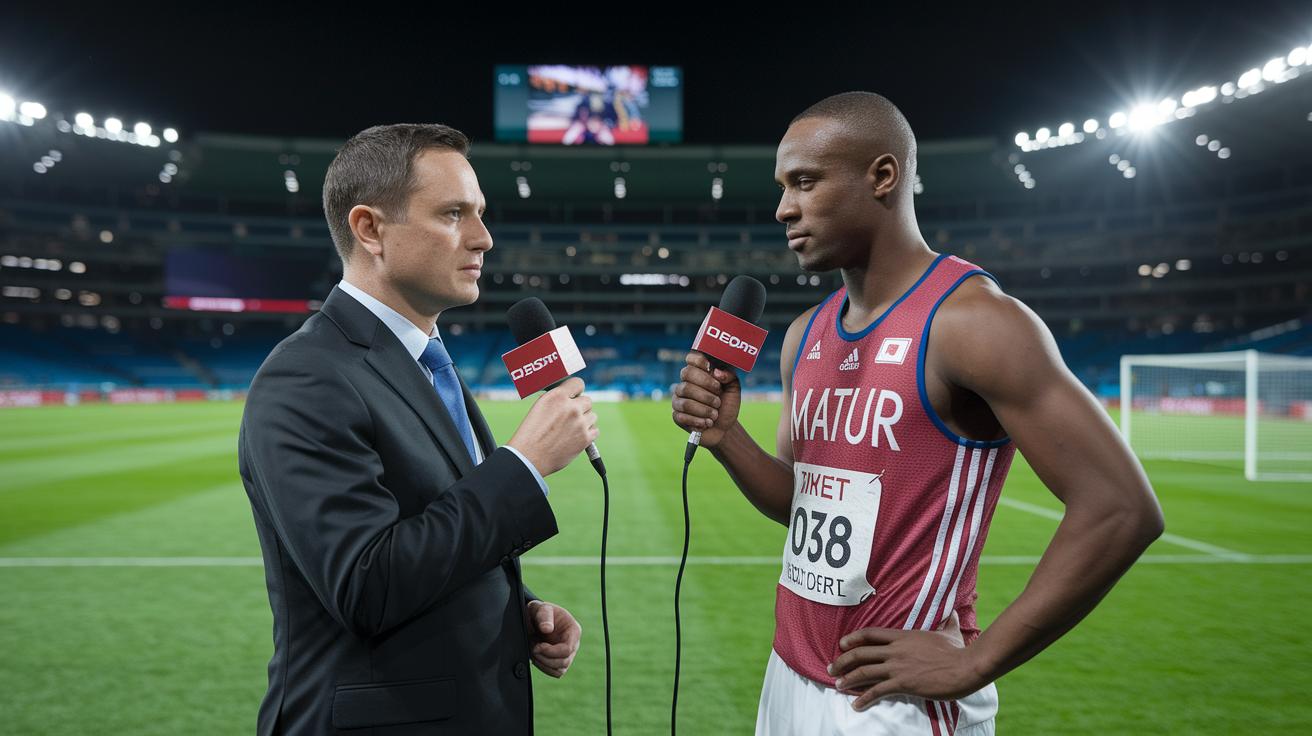
When you're live, every second counts. In sports broadcasting, asking the right open-ended questions can make the difference between a routine chat and an unforgettable story. Whether you’re reporting from the field or working in a studio, being adaptable and keeping the conversation clear is key. For more tips, check out Sports Interviews here.
- Ask questions that invite detailed answers – This encourages athletes and coaches to share the full story behind their experiences.
- Follow up when needed – If an answer feels rushed or unclear, don't hesitate to ask for more details with a probing question.
- Mix personal stories with game analysis – Seamlessly switch between discussing emotions and breaking down the plays.
- Keep the pace smooth – Manage the flow of your broadcast so each topic gets the attention it deserves without feeling rushed.
- Observe nonverbal cues – Often, a glance or a gesture reveals more than words about a speaker’s true feelings.
- Adapt on the fly – Be flexible and ready to steer the conversation when it takes an unexpected yet engaging turn.
- Direct the dialogue confidently – When multiple topics arise, lead the discussion with a steady hand to keep everything on track.
- Close with clear takeaways – Summarize the key points briefly so both your guest and the audience leave with a strong, focused message.
Regular practice and honest feedback are your best teammates. By honing these techniques, you’ll develop quick, genuine responses on air and create interviews that capture the true spirit of the game.
Preparing for Game Day: Workflows and Methods for Sports Interviewers
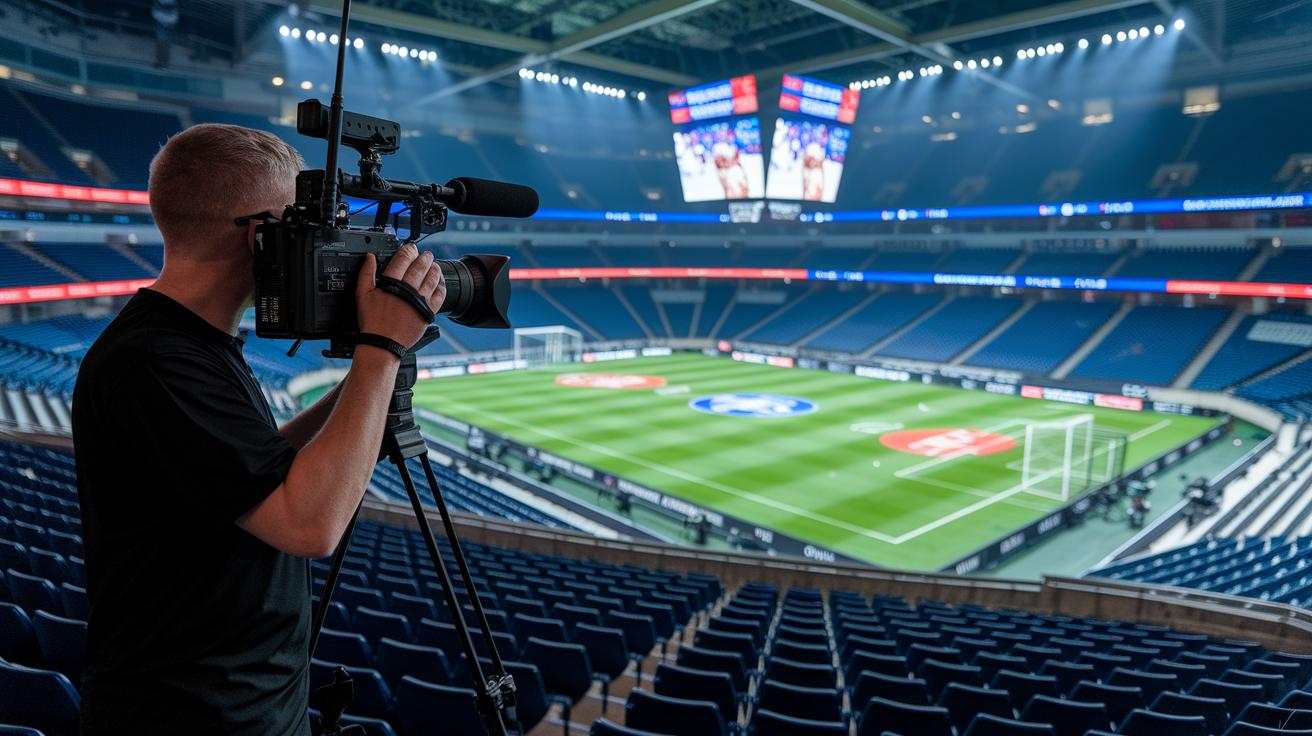
Before stepping into the spotlight, solid research is like your playbook. Interviewers dig into every detail about athletes and coaches so they can craft questions that hit home. By checking out player histories, team stats, and recent match performance, you set the stage for an engaging, live conversation. For extra tips, give “How to Conduct a Sports Interview” a look at sucrearchive.com?p=129.
- Dig into athlete and coach backgrounds
- Plan segment timings with production teams
- Gather multimedia highlights for quick reference
- Team up with technical crews on the audio-visual front
- Practice your question flow and smooth transitions
Even after your game plan is set, the training never really stops. Regular workshops and masterclasses act like extra drills that sharpen your skills, update your strategies, and let you swap insights with fellow sports media professionals. This kind of ongoing practice makes every game day feel fresh and full of energy.
Sports interviewer: Inspiring Journalism Profiles
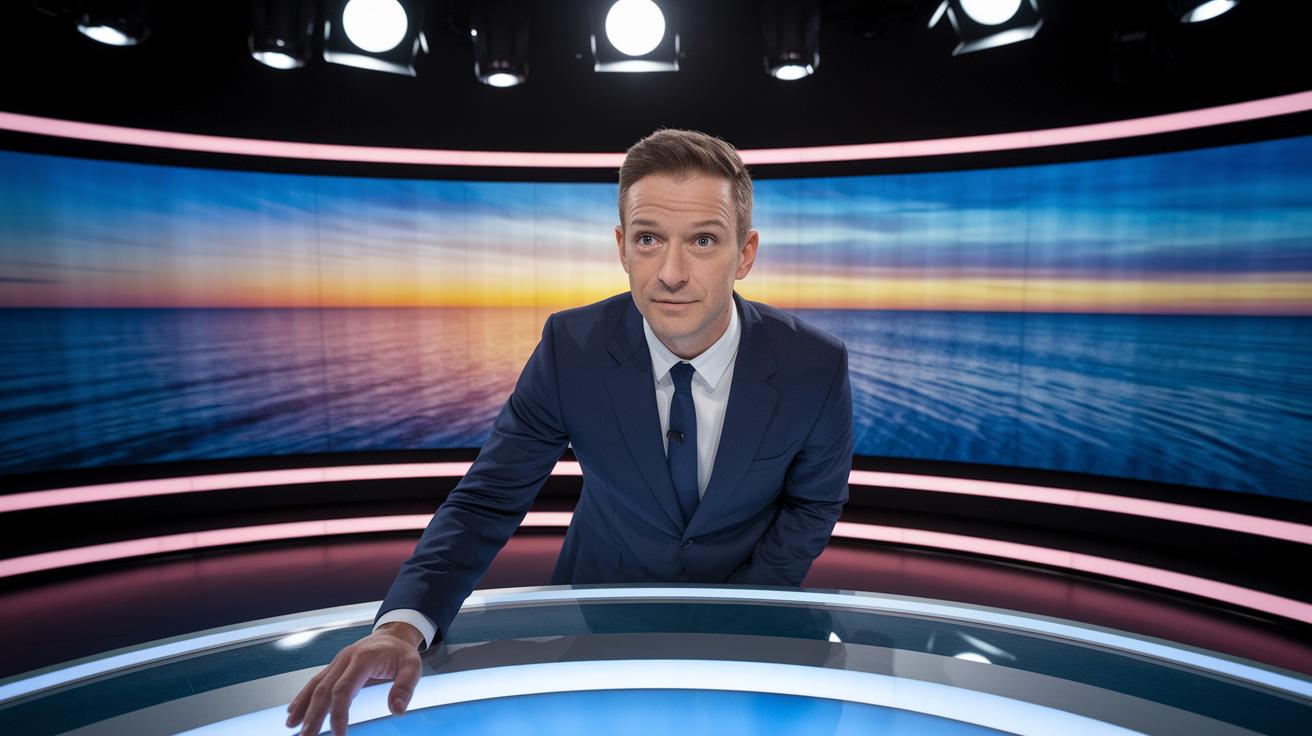
Getting your on-air style to match the network's look is really important. You can let your personality shine while sticking to the professional standards everyone expects on live TV. It's like mixing your natural charm with those well-practiced on-camera moves. When your style fits the network, it builds trust and helps create unforgettable moments for the viewers.
| Element | Practical Tip |
|---|---|
| Eye Contact | Look directly into the lens to connect with your audience |
| Body Language | Slightly lean forward to show you’re engaged |
| Vocal Tone | Mix up your pitch to add emphasis and avoid a flat sound |
| Pacing | Pause after key questions to let the impact sink in |
Staying true to yourself while keeping a professional edge means embracing your natural enthusiasm without straying from the show’s goals. Let your excitement come through with every word, and enjoy that blend of real personality and careful preparation. This approach not only strikes a chord with viewers but also builds a strong, trusted presence on-air that elevates every interview.
Iconic Sports Interviewers and Memorable Conversations
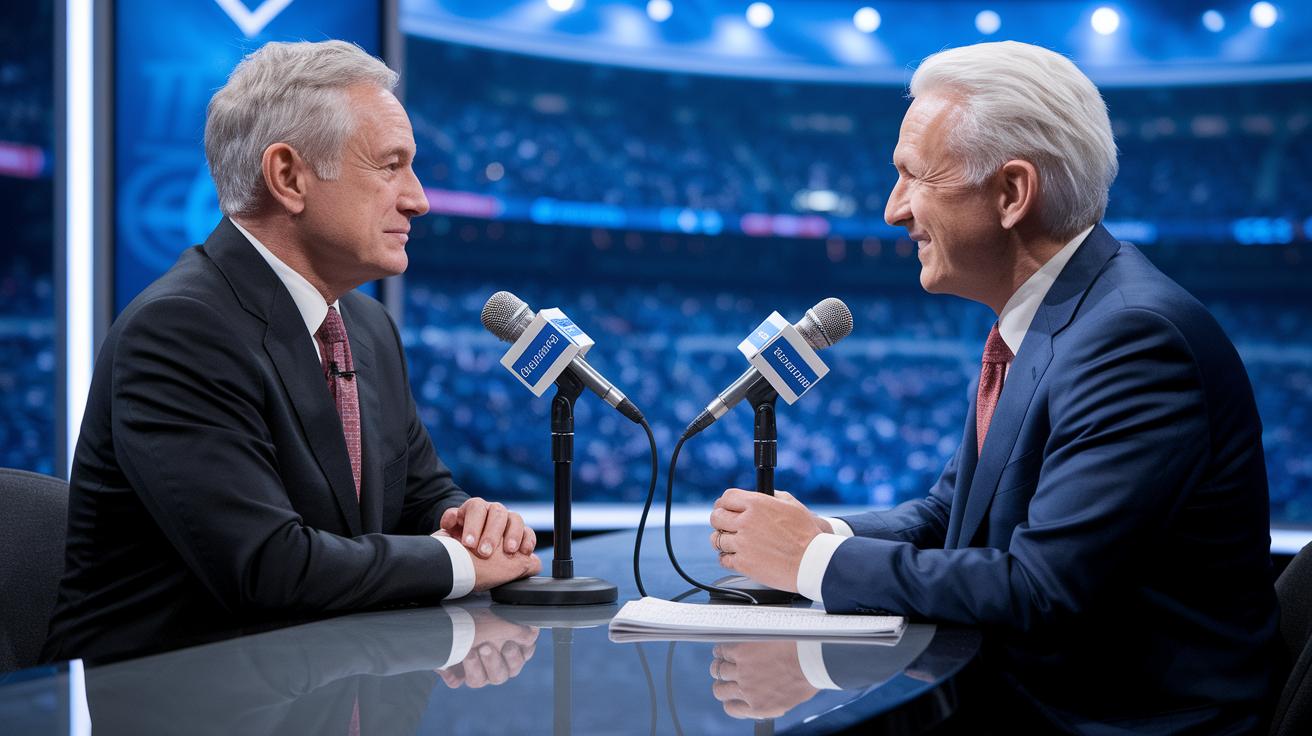
These four seasoned pros have truly shaped sports media with their warm, engaging interviews. They turn one-on-one chats into riveting stories that capture not only the skills of top athletes but also the human side of the game. Watching them in action feels like sharing an exciting game story with a friend, leaving you with a lasting impression.
Jim Gray (NBC)
Jim Gray is a familiar face when it comes to covering big events like the Olympics and the Super Bowl (the biggest game of the season). His knack for highlighting both the thrilling victories and the tough moments makes every conversation an insightful and entertaining ride. It’s like watching your favorite play unfold right before your eyes.
Rachel Nichols (ESPN)
Rachel Nichols is all about breaking down the game from the sidelines with intimate athlete interviews. Her style mixes smart game analysis with personal stories, giving you a closer look at your sports heroes. It’s as if she turns the field into a lively lounge where passion meets professionalism in every chat.
Lara Pitt (Fox Sports)
Lara Pitt has carved out a special niche with her one-on-one interviews that make athletes feel right at home. With a warm, thoughtful approach, she dives deep into how athletes handle both the physical and mental battles of the sport. Her interviews are a treat for fans who crave an inside look at the struggles and triumphs of their favorite competitors.
Michael Wilbon (ESPN)
Michael Wilbon brings a veteran’s insight to post-game discussions that vibe perfectly with long-time fans. His thoughtful questions and clear-cut analysis break down every play, giving the game a heartfelt context. His approach makes you feel as if you’re replaying the match with a trusted friend who understands every twist and turn.
In short, these voices show us that genuine storytelling combined with deep sports knowledge builds conversations that entertain, educate, and connect us all, much like sharing the thrill of a last-minute win with your closest buddies.
Career Roadmap and Job Opportunities for Sports Interviewers
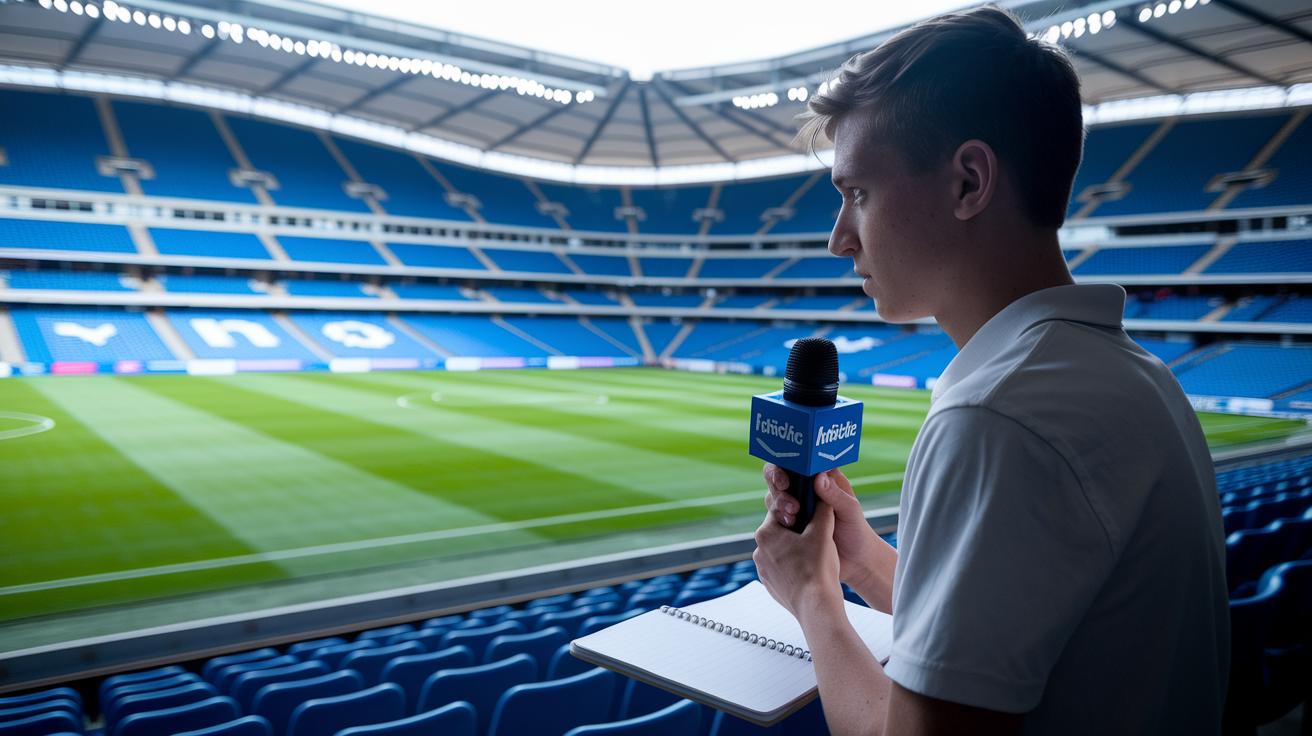
Starting out in sports interviewing usually means landing an entry-level job or internship. Many new interviewers kick off their careers by working in junior roles or interning at local stations where they learn on the job. This hands-on time builds the essential skills needed to handle the excitement and fast pace of live broadcasts. Plus, you get a real feel for the work schedule, which often means evenings or weekends, teaching you how to juggle a busy and sometimes wild workweek.
- Earn a bachelor’s degree in a related field
- Attend summer broadcast workshops
- Create a demo reel with practice interviews
- Connect with people at press accreditation events
- Find a mentor through industry workshops
- Aim for jobs at cable networks, regional sports channels, or online sports platforms
Pay for sports interviewers can be all over the map, depending on where you work and your experience. Many starting roles pay modestly, but as you get better and take on more responsibility, your earnings can grow. Despite the long hours and busy schedule, many find that this job offers not only a paycheck but also a path for long-term growth and a lot of satisfaction from covering the stories that fans love. Institutions like Dean College even offer career development services to help guide newcomers on their way. If you're set to take the next step, you might want to check out the Career Guide for Sports Interviewers for more tips on moving up in your career.
Final Words
In the action, this article takes you through the dynamic role of a sports interviewer. It explores detailed game-day preparation, essential interviewing tricks, and the unique on-air style that shapes iconic conversations.
We glimpse the behind-the-scenes work and career steps that bring authenticity to every interview. The insights shared here not only celebrate lasting sports moments but also highlight how passion and preparation come together for a winning broadcast. Stay inspired and keep the spirit of sports alive!
FAQ
What does a sports interviewer do and what is this role often called?
What responsibilities do sports interviewers typically have?
How much do sports interviewers and announcers get paid?
What major or educational background is needed for a sports reporting career?
How are female sports interviewers and top sports commentators making their mark?
What trends defined sports interviewing in 2022?