
Ever watched a game change in just a heartbeat? When a player fumbles or trips, the play stops and suddenly, everyone’s eyes lock on the free kick. That’s the moment when the pressure shifts, giving the kicker the chance to send the ball soaring over a line of defenders (that’s the wall of opposition trying to block the shot). In this article, we break down why free kicks pack so much thrill and how they can turn a regular match into an unforgettable spectacle.
what is free kick in football: Electrifying play

A free kick is a set play that happens when an opponent commits a foul. It’s different from penalties, which take place inside the penalty area for serious fouls, or corner kicks that occur when the ball goes out past the goal line. Picture a player taking a deep breath before launching a long-range free kick after their opponent’s mistake, it can really turn the game around.
When fouls like tripping, handball, or dangerous play occur, the game stops. The referee places the ball at a specific spot, and players on the other team have to step back until the ball is kicked. This restart rule gives the team taking the free kick a clear chance to set up a smart play.
Free kicks are seen as golden chances to score, and teams practice them hard. Coaches often set up drills that mimic real game pressure, working on where to place the ball and how best to shoot around the defensive wall. Imagine the focused moment as a player curls the ball over the wall, aiming for the net, this move is developed through countless hours of practice. In short, mastering the free kick not only fires up the crowd but also gives teams a sharp tactical edge in tight games.
Direct vs Indirect Free Kicks in Football

Direct free kicks are given when a player commits clear fouls like handling, tripping, or pushing. In a direct free kick, the player can take a shot straight at the goal. Imagine a player lining up a powerful shot over a wall of defenders and sending the ball straight for the net. It’s a quick opportunity to score.
Indirect free kicks are given for less serious mistakes, such as offside, dangerous play, or a goalkeeper error. With an indirect free kick, the ball has to touch another player before a goal is counted. In one memorable match, an indirect free kick unexpectedly led to a goal when a teammate’s quick tap surprised the opposing team.
| Type | Can Score Directly? | Awarded For |
|---|---|---|
| Direct Free Kick | Yes | Handling, tripping, pushing |
| Indirect Free Kick | No | Offside, dangerous play, goalkeeper mistakes |
Tactically, a direct free kick gives a team an immediate chance to shoot and beat the keeper. On the other hand, an indirect free kick calls for a series of well-planned passes to set up a scoring play. Coaches often adjust their training to help players know when to take that direct shot or when to build a play. This mix of strategy adds to both the excitement and complexity of the game.
Rules and Referee Decisions for Free Kicks in Football
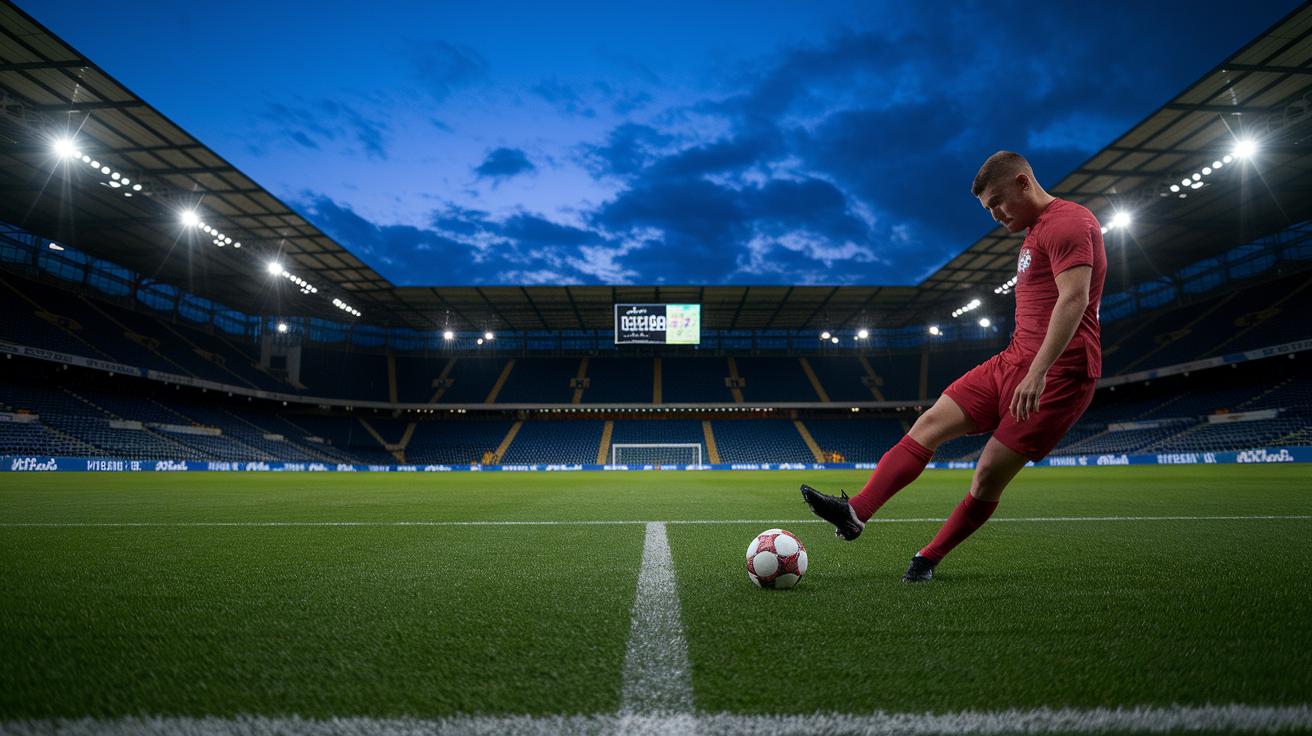
When a player commits a foul, the ball goes exactly to that spot. Opponents must back up at least 10 yards until someone kicks it. Often, the referee gives the option of a quick tap, letting the player resume the game right away instead of waiting for a set-up. This keeps the match flowing while giving both teams a fair chance to get ready.
At the moment of the kick, offside becomes a big deal. Referees keep a close eye on where everyone stands, signaling when they're reviewing the positions. This review might lead to an attacker being penalized if they're too far forward. It's a critical split-second that can really change the mood of the match.
Fouls like tripping, handballing, or pushing typically lead to a free kick. In these cases, the referee might use the advantage rule, deciding it’s better to let the game continue rather than stopping play immediately. How the game restarts depends on the type of foul, and the rules are strictly enforced to ensure fairness for both teams.
Techniques and Drills for Perfecting Free Kicks in Football
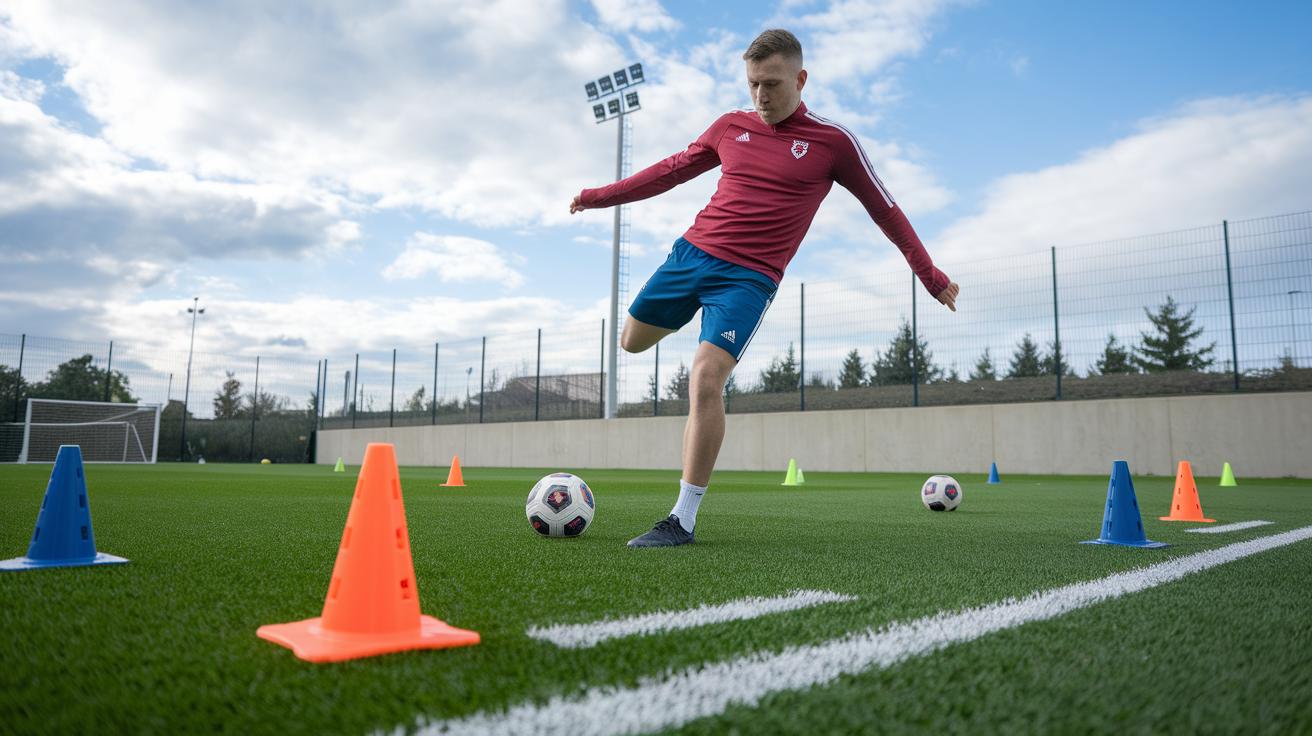
Technique is the heart of perfecting free kicks in football. When you build a consistent routine, it boosts your confidence and can turn a set piece into a real scoring chance. Think of it like perfecting your swing in baseball where timing and precision are crucial.
Here are a few drills you can try:
- Target-spot striking drill
- Curve and swerve wall practice
- Power vs precision shooting
- Moving wall and rebound control
- Teammate run-in timing exercises
When practicing, focus on keeping your planting foot parallel to your target and maintaining a balanced stance. A steady run-up helps transfer more power into the ball, while small tweaks in your body tilt can change the ball’s path in the air.
Imagine watching top players during a thrilling match. They use minimal movement to make a huge impact. Repeating these drills often builds muscle memory, so even under pressure you know exactly what to do.
Also, when dealing with a defensive wall, experiment with different bounce and dip techniques. Sometimes, a low and driven kick can be effective, while at other times a high, looping shot works wonders. Adapting your style to the wall’s setup can give you that extra edge.
Next time you step up for a free kick, focus on a smooth, uninterrupted run-up and commit to your chosen technique. Practice each drill with varying speeds and contact points, and soon you will find that perfect balance between power and precision that turns free kicks into electrifying plays.
NFL Fair-Catch Kick: The American Football Free Kick Variant
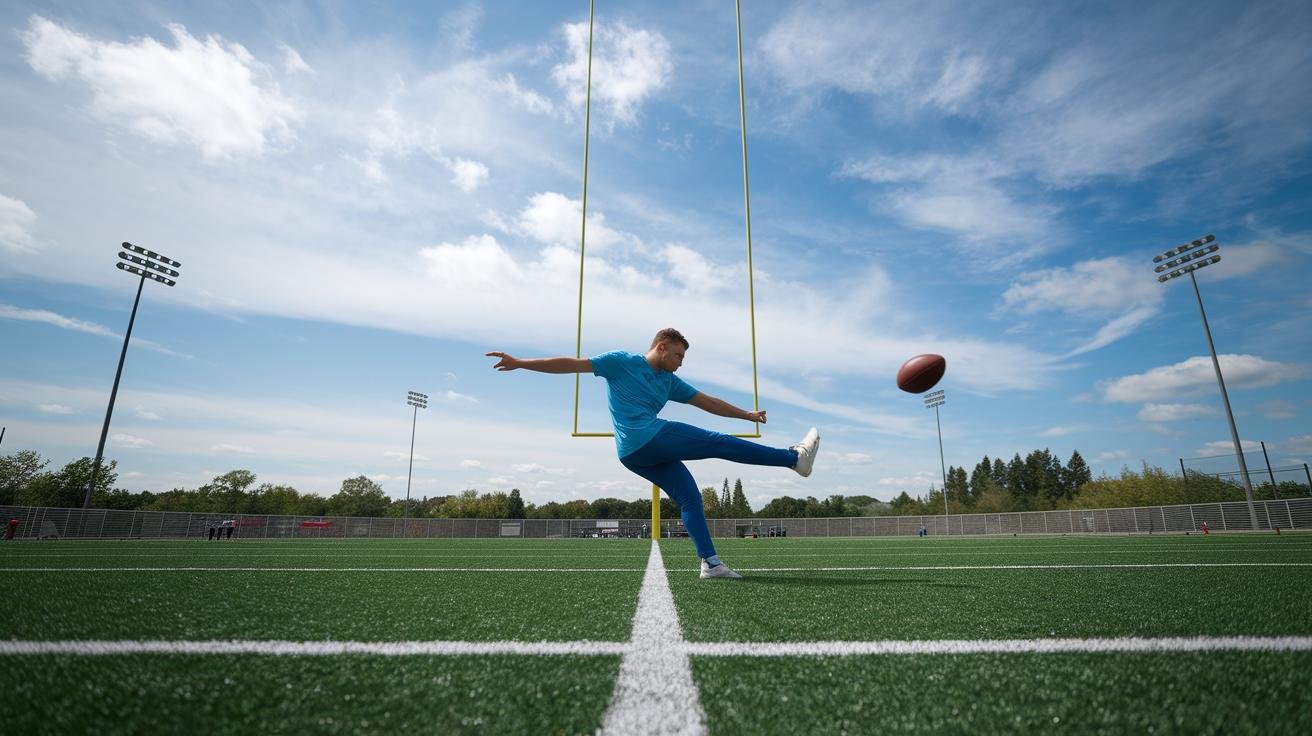
The fair-catch kick is a rare trick play in American football. It happens after a team makes a fair catch on a kickoff. Instead of just returning the ball, the receiving team can choose to try a free kick from where they caught it. Think of it as lining up for a field goal try but from scratch, with the chance to score immediately if the ball flies through the posts.
If the ball goes through the goalposts during a fair-catch kick, the team earns three points, just like a regular field goal. The kicker has to beat the defensive line and send the ball between the uprights. What sets this play apart is that the clock doesn’t run off the time, creating a unique burst of tension as everyone watches the ball’s flight.
There have been several memorable attempts over the years. For instance, back in 1921, Curly Lambeau’s team tried this play. In 1966, Lou Michaels of the Baltimore Colts brought extra drama in a playoff game, and in 1971, Bobby Howfield of the New York Jets gave it a go during a preseason match. More recently, the Carolina Panthers attempted a 60-yard free kick in 2019 in a critical moment. These moments show just how bold and strategic this play can be.
Today, teams rarely use the fair-catch kick. Coaches usually only go for it in nail-biting situations when every point matters, as the risk is high and the reward is limited. Ultimately, it’s a gamble, a clever, unconventional play meant for moments when you need a game-changer.
Global Variations and Cross-Code Comparisons of Free Kicks
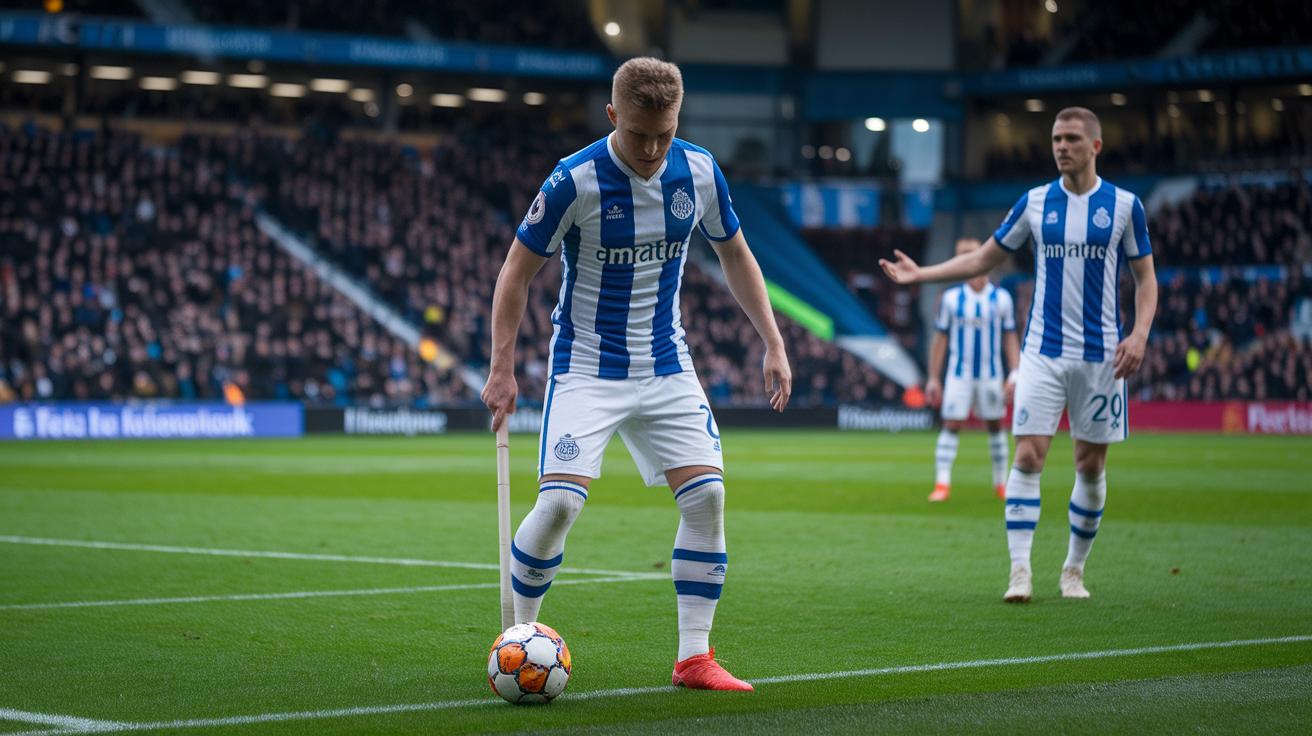
In soccer, a free kick comes into play after a foul and sets up a clear, timed restart. Players must keep about 10 yards away from the ball, creating a perfect moment for a shot on goal when executed right. It's almost like setting up a golden chance to score, much like lining up a perfect swing in baseball.
Then there’s the NFL fair-catch kick. After a team makes a fair catch on a kickoff, they can opt for a field goal style kick right away. This play is pretty rare in American football and has its own strategic twist. It’s all about the kicker spotting the ball from a sweet spot while being mindful of the clock. Imagine that focused intensity as a kicker lines up his shot while the opposition readies themselves, waiting for a potential long-range field goal.
Switch over to rugby union and a few other international variants, and the restart rules take on a new flavor. In these games, free kicks are handed out for minor infringements and usually require a simple tap or pass before any attempt to score can be made. The rules also set a clear distance for the opponents and demand smart positioning from the kicking team. This twist adds its own kind of pressure, making every restart a mini-strategy session.
In short, each sport tailors its free kick rules to match its unique pace and style. Whether it’s the swift precision in soccer, the tactical pause in the NFL, or the strategic dance in rugby, every set piece brings its own exciting layer of strategy to the game.
Final Words
In the action, the article broke down free kicks in football into clear, digestible parts. We saw the basics of the play, compared direct and indirect versions, looked at referee roles, and even touched on NFL fair-catch kicks. Techniques for perfecting the kick and differences across sports codes were highlighted too. Understanding what is free kick in football opens a window into the game’s finer strategies. The energy of these plays sparks excitement and inspires new ways to appreciate the game. Here's to many more thrilling moments on the field.
FAQ
Q: What is a free kick in football and when is it awarded?
A: The free kick is a set-piece restart in soccer awarded after fouls, handballs, or dangerous plays. It lets the team restart play from the spot of the infraction while opponents must keep their distance.
Q: What are the two types of free kicks in football?
A: The free kicks come in two forms: direct, which allow a goal to be scored with one kick, and indirect, which require the ball to touch another player before a goal can be counted.
Q: How does a free kick differ from a penalty kick in football?
A: The free kick is awarded for fouls outside the penalty area and offers various restart conditions, while the penalty kick occurs within the area for major fouls, giving a more direct chance to score.
Q: What is a free kick in American football and how many points is it worth?
A: The free kick in American football, known as the fair-catch kick, is a rare play where a field-goal-style attempt after a fair catch scores three points upon success.
Q: What are the key rules and procedures for executing a free kick in football?
A: The rules include proper ball placement, a 10-yard distance requirement for opponents, and a methodical restart that emphasizes clear signals from the referee regarding offside and marking.