
Ever wonder if sports started as just playful challenges among early humans? Imagine groups of people racing on open fields or wrestling for fun, like they were simply enjoying each other’s company.
Over time, those simple games grew into traditions spreading all the way to ancient Egypt, Greece, and Rome. These early contests became a way to bring communities together, sparking the passion and excitement we see in today’s athletic competitions.
Tracing Sports Origins: From Prehistoric Play to Early Organized Contests
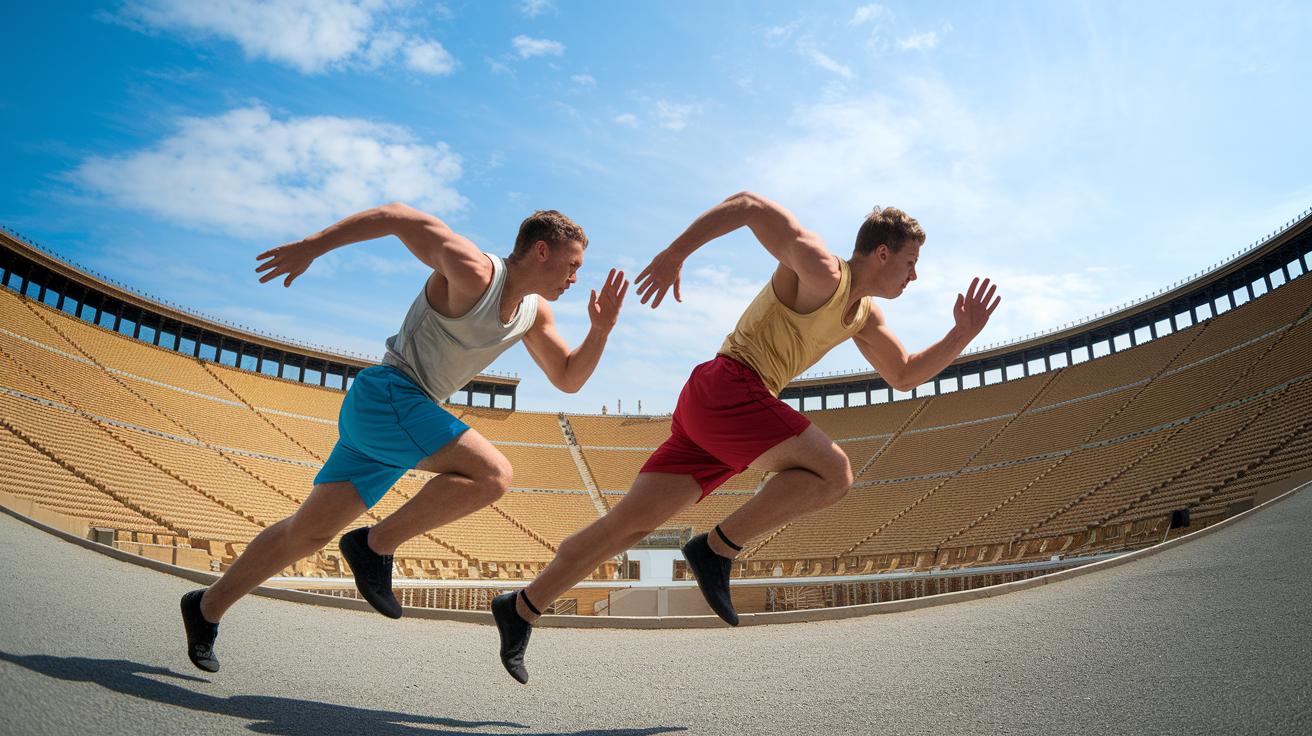
Before there were neat leagues or official competitions, our prehistoric ancestors loved testing their speed and strength in impromptu contests. Imagine a group of early humans gathering for a spirited footrace or a friendly bout of wrestling. These playful challenges were more than just fun, they were key moments for bonding and showing off physical abilities, paving the way for organized sports. It's like saying, "Back then, a simple sprint could crown the group's leader on a hunt!"
By around 2000 BCE, the Egyptians turned their casual games into robust athletic events. They embraced wrestling, archery, and swimming with newfound energy, treating each contest as a chance to sharpen survival skills while entertaining their communities. Picture athletes along the great Nile, competing in archery with a refreshing river breeze adding to the thrill!
Fast forward to ancient Greece in 776 BCE, where the Olympic festival transformed sports into a formal celebration. At Olympia, competitors raced on foot, hurled the javelin, grappled in wrestling matches, raced chariots, fought in boxing bouts, and even competed in equestrian events. Then, the Romans raised the stakes around 264 BCE by adding gladiatorial games and track contests, captivating audiences with a mix of muscle and mind. Can you hear the roar of those ancient crowds as athletes pushed their limits in epic arenas?
The spirit of competition carried on into late antiquity and the medieval era. While the Ancient Olympics gradually faded after 393 AD, the Middle Ages brought their own mix of excitement with knightly jousts, rustic wrestling matches among peasants, and lively ball games. These spirited games grew from simple pastimes into celebrated festivals of strength and skill, each event a vivid reminder of sports evolving into grand displays of valor.
| Period | Approximate Date | Key Activities |
|---|---|---|
| Prehistoric Societies | before 3000 BCE | Informal contests, footraces, wrestling |
| Egyptian Civilization | 2000 BCE | Wrestling, Archery, Swimming |
| Ancient Greece | 776 BCE | Footraces, Javelin, Wrestling, Chariot Racing |
| Roman Empire | 264 BCE | Gladiatorial Games, Track & Field Contests |
| Middle Ages | 5th–15th century | Jousting Tournaments, Peasant Wrestling, Ball Games |
Evolution of Athletic Games: From Pre-Modern to Modern Sports
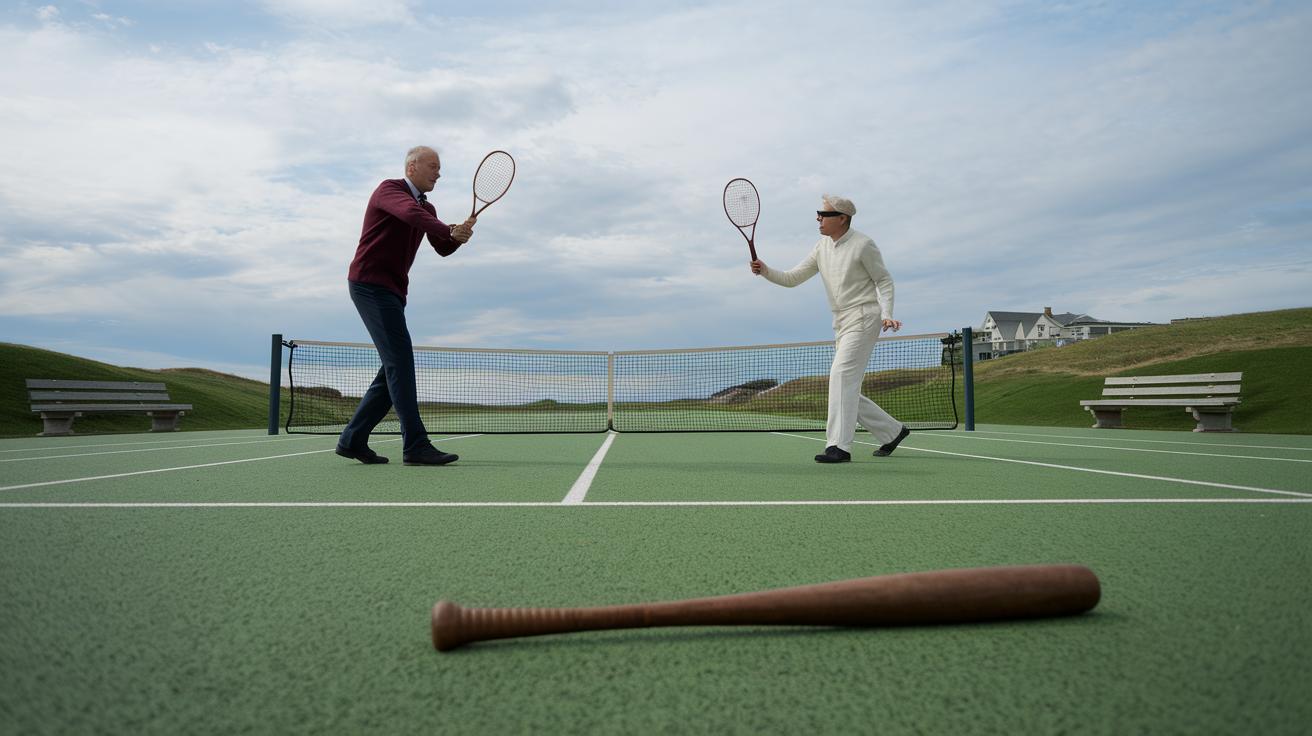
From the 12th to the 16th century, racket sports began their transformation from a simple hand-paddle game called jeu de paume to the game we now call tennis. In those early days, players didn’t have modern rackets; they used their bare hands or makeshift paddles until wooden rackets allowed for a more accurate hit. Early courts were rough and open, with players slowly perfecting their swings. Here's a cool fact: "In its earliest form, tennis was played without a net and with heavy leather balls, so every hit was a real test of skill."
In Scotland, a different game took shape on the rugged links. Early golf, first noted around 1457, was played with basic gear and natural obstacles. By 1744, the sport began to take shape with formal rules, much like a community get-together on windy days where locals exchanged tips over a round of golf. Imagine early Scots gathering on a green, their determination paving the way for the modern tournaments we enjoy today.
Across North America, hints of baseball started to appear in records dating back to 1744. Over time, by the 1830s, these informal games blossomed into organized clubs. At the same time, American football was carving out its own identity, borrowing ideas from older European traditions. Walter Camp, while at Yale in the late 1800s, tweaked the rules, setting the stage for league play that began in 1920. Think of those early ball games as symbols of regional pride and tough competition that laid the groundwork for today's professional leagues.
Then came December 1891, when James Naismith invented basketball in a small gym, giving birth to a fast-paced game with simple rules. Just a few years later in 1895, William G. Morgan unveiled volleyball as a lower-impact, indoor alternative. Meanwhile, hockey was finding its modern form when its rules were set down in 1876 in England. Picture this: "These innovations sparked an enthusiasm that transformed classic games into global sports favorites," a moment filled with excitement and new beginnings.
Timeline of Sports Invention: Key Historical Milestones
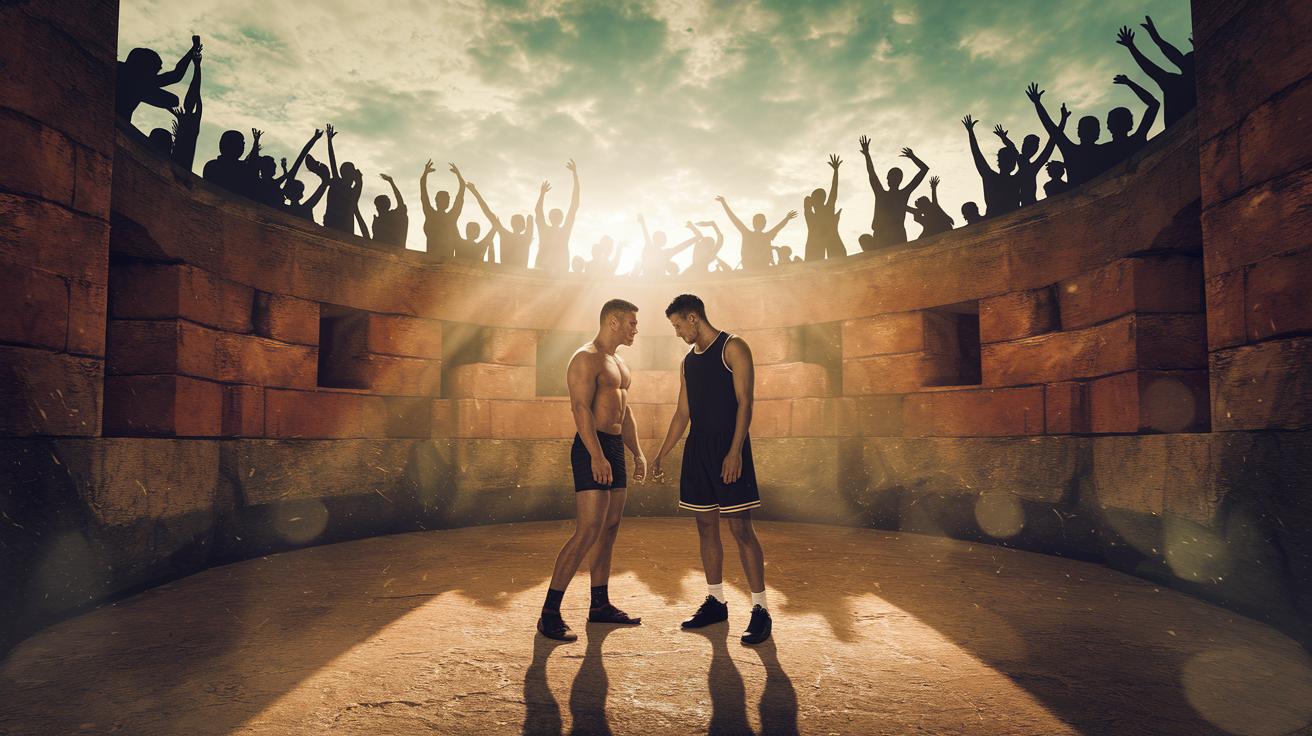
Imagine ancient Egypt around 2000 BCE, where early sports like wrestling and archery sparked the nearby spirit of competition. Then came the famed Ancient Olympic Games in 776 BCE, held until 393 AD. Picture stepping into a dusty arena where athletes raced and grappled, drawing cheers that echoed like today's stadium roars.
Next, sports evolved through the ages, each era adding a new play to the record book. In the 12th century, a game that would later become tennis made its debut. Fast forward to 1457 in Scotland, where golf began to shape its own legacy. By 1744, baseball had been mentioned for the first time, setting the stage for a modern pastime.
Organized play took off even more with the formation of the Football Association in 1863. Soon after, basketball and volleyball made their first appearances in 1891 and 1895, capturing the attention of fans everywhere. The global stage was further set by events like the first Winter Olympics in 1924 and the very first FIFA World Cup in 1930, events that forever changed the face of sports.
Final Words
In the action, we explored athletic evolution from prehistoric play to organized contests in ancient Egypt, Greece, and Rome, and later, the spirited medieval competitions. The journey linked early community battles with structured games, revealing a rich legacy of passion and skill.
The timeline shows how the game transformed over centuries since when sports were invented. Each milestone adds to the dynamic energy that connects fans and players alike, celebrating a history filled with triumphs and a constant love for the game.
FAQ
When were sports invented in the world?
The sports invention timeline globally shows informal contests in prehistoric times, evolving to structured events in ancient societies like Greece and Rome where early organized competitions were formalized.
When were sports invented in the United States and America?
The sports scene in America began with indigenous games and colonial plays, evolving during the 18th and 19th centuries with emerging competitions that later gave rise to modern forms like baseball and football.
What was the first sport with a ball?
The first sport with a ball remains debated, but ancient cultures played simple ball games featuring kicking and throwing, which laid the groundwork for later, more organized ball sports.
What is the history and timeline of sports in the world?
The history of sports spans from informal prehistoric contests to organized ancient Olympic games, evolving through Roman events and medieval tournaments to today’s modern professional leagues and global competitions.
When was football invented?
The origin of football evolved over time; early forms date back centuries, while American football specifically developed in the late 1800s when standardized rules were introduced under leaders like Walter Camp.
When was the first sport invented?
The first sport likely emerged in prehistoric times when early communities engaged in informal contests such as footraces and wrestling, setting the stage for later organized and rule-based athletic events.
Were there sports in the 1700s and in 1776?
Sports were indeed present in the 1700s and in 1776, with both America and Europe fostering organized games and local contests that reflected growing public interest in competitive play.
What sports were played in the 1600s?
In the 1600s, people played folk football, early versions of tennis, and regional contests, with many athletic activities passed down through communities before formalized rules and structured leagues were introduced.