
Ever wonder how some people once believed women were too fragile for sports? Women's history in sports tells a different story.
From the very first women's basketball game in 1893 to groundbreaking changes like Title IX (a law that opened doors for female athletes), women have continually defied expectations. Their journey is full of grit, resilience, and a deep passion for the game.
In this article, we'll take a look at a timeline of bold moves and memorable wins that have paved the way for generations of athletes. Enjoy the ride as we relive these game-changing moments together.
A Definitive Overview of Women’s Sports History
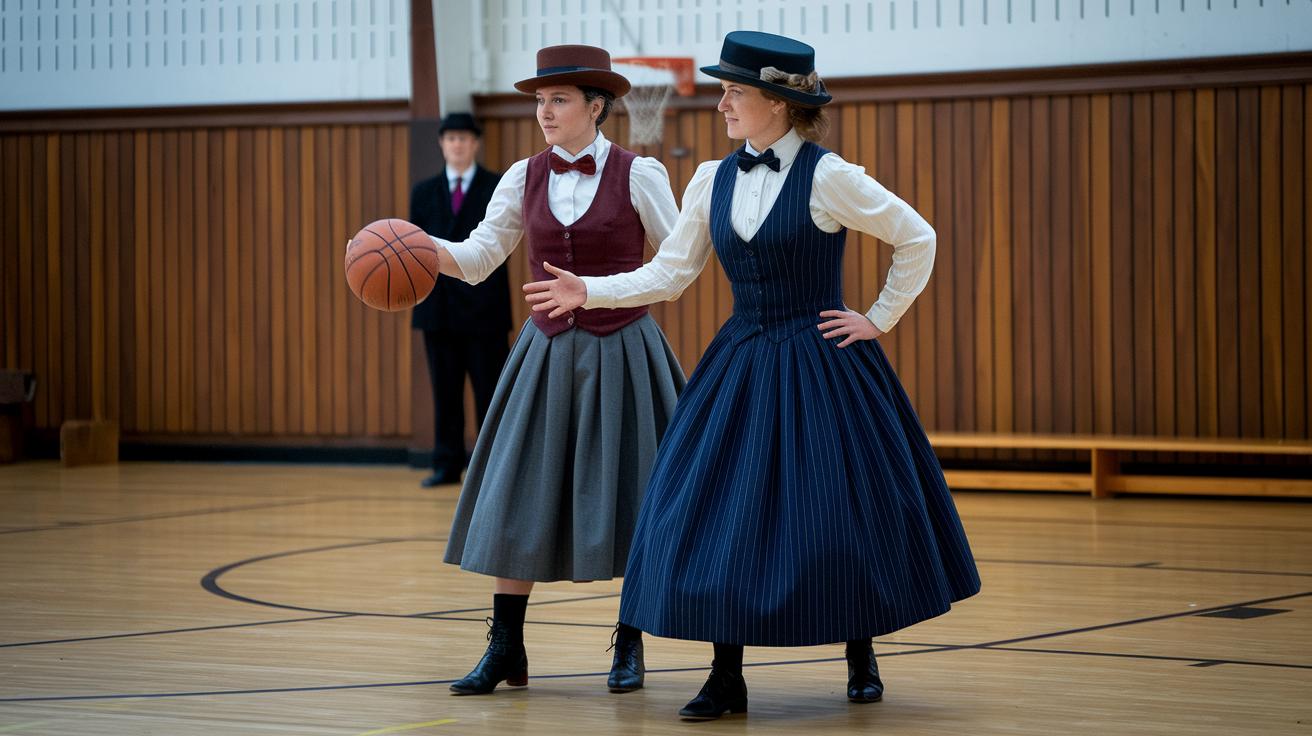
Women’s sports history is a story of pushing back limits and celebrating big wins. Long ago, smart folks like Aristotle thought women were too fragile for hard exercise, setting the stage for a long fight for recognition. Then in 1893, the first women’s basketball game happened, and they even made a rule that kept men away from the game. This bold move marked the start of breaking away from old social ideas.
By 1900, women made a splash at the Olympics with 22 competitors taking on sports like croquet, horse riding, golf, sailing, and tennis. This debut laid a strong foundation for achievements that still inspire us today.
Title IX came along in 1972, creating a turning point by breaking down old biases and opening doors with better training, scholarships, and more chances to compete. The momentum kept building, and in 1999, the Women’s World Cup drew an amazing 25.4 million viewers, showing that women’s sports were booming around the globe.
These landmark events remind us that with determination and courage, barriers can be torn down. They inspire new generations to dream big and challenge old limits while enjoying every part of the game. For more details, check out the Sports Archive.
Early Foundations and Pioneering Competitions in Women’s Sports History

Back in ancient times, bright minds like Aristotle thought athletic events were not meant for women. This idea kept women off competitive fields until later events flipped the script. In 1893, women made history with the first-ever women's basketball game, where even the stands were kept free of men to help create a space just for them. That bold spirit also appeared in college sports, even though some schools later banned female participation.
The modern Olympics started in 1896, but female athletes weren’t part of the picture at first. It wasn’t until the 1900 Games that 22 women, competing in five sports, stepped onto the world stage. Their debut played a key role in changing how people viewed women's athletic skills. When mainstream sports hesitated, the 1922 Women’s Olympics in Monte Carlo offered an international platform for these athletes to shine.
Legendary tennis player Althea Gibson broke barriers in the late 1950s. With wins at the U.S. Nationals, the French Championship, and Wimbledon, she redrew the lines on race and gender in sports, inspiring countless future generations.
| Year | Event | Significance |
|---|---|---|
| 1893 | First women’s basketball game | Men were kept out of the stands |
| 1900 | Women’s Olympic debut | 22 women showcased skills in five sports |
| 1922 | Women’s Olympics (Monte Carlo) | A new global stage for female athletes |
| 1957 | Althea Gibson wins Wimbledon | Broke racial and gender barriers in tennis |
Trailblazing Athletic Icons in Women’s Sports History

Women athletes have repeatedly broken barriers to inspire millions. Their fearless performances shattered old stereotypes and showed that strength knows no limits. Think of Bobbi Gibb, who in 1966 became the first woman to complete the Boston Marathon, proving that endurance isn’t just for men.
In 1973, Billie Jean King stunned over 30,000 fans during the famed Battle of the Sexes match (an iconic tennis duel between top male and female players). Her win was about more than just a game; it sparked a movement that still opens doors for women athletes around the world.
Then there’s Joan Benoit, who in 1984 made history by winning the first Olympic marathon gold medal for women. Her triumph was a milestone that celebrated the untapped strength and talent of female competitors on the global stage.
And let’s not forget the UConn Women’s Basketball team. In 2010, they dazzled everyone with a record-breaking 90-game winning streak that outshone even long-standing men's records, reinforcing their reputation for skill and determination on the court.
Key trailblazers include:
- Bobbi Gibb (1966): First woman to finish the Boston Marathon, setting a new standard in endurance.
- Billie Jean King (1973): Star of the Battle of the Sexes match that captivated over 30,000 spectators.
- Joan Benoit (1984): The first Olympic marathon gold medalist, marking a historic win in women’s sports.
- Althea Gibson (1957–58): The pioneering Black woman who won the U.S. Nationals, the French Championship, and Wimbledon.
- UConn Women’s Basketball (2010): Achieved a stunning 90-game winning streak, demonstrating unmatched team dominance.
Legal and Societal Transformations Shaping Women’s Sports History
Pre-Title IX Barriers
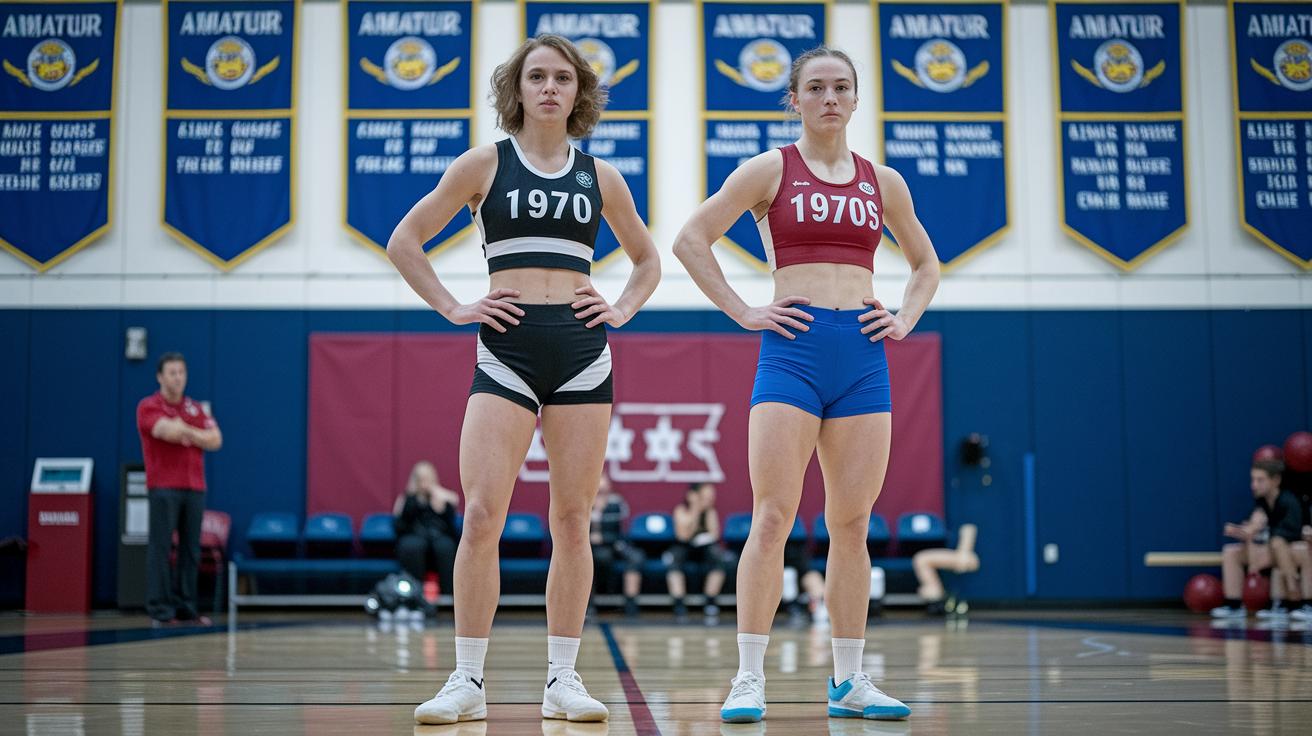
Before Title IX changed the game, female athletes had to face a pretty tough lineup. Opportunities were scarce, with schools often leaving women out of teams and barely putting any money into sports programs. Many folks simply believed that competitive sports weren't meant for women and that their stamina just wasn’t enough for the challenge. With few scholarships available and little support to go around, women had to take on long legal battles to stake their claim in the sports world, setting the stage for future rules to level the playing field.
Post-Title IX Growth
Then in 1972, everything shifted when Congress passed Title IX, stopping sex-based discrimination in schools that received federal money. Suddenly, women’s sports shot into action with new teams, improved scholarships, and a whole range of competitive programs. Organizations like the AIAW led the charge until their 1982 merger with the NCAA brought even more opportunities. The launch of the Women’s Basketball League in 1978 lit a spark, showcasing fresh talent and paving the way for professional play. Between 1972 and 2012, women’s participation in sports skyrocketed by 987%, showing just how dramatic and inspiring this transformation really was.
The Emergence and Global Expansion in Women’s Sports History

Women’s sports took off with a series of historic moments that reshaped the game. It all began with FIFA’s very first Women’s World Cup in 1991, when the USA triumphed over Norway 2-1. That win lit a fire, drawing the world's eyes to the incredible talent of female athletes.
Things got even more exciting in 1999 when the Women’s World Cup final attracted 18 million viewers in the United States. It was a clear sign that fans were ready for a new era in sports. Soon after, professional leagues started popping up. In 1996, the WNBA burst onto the scene, giving women a lasting stage in basketball. And by 2000, the launch of the Women’s United Soccer Association further solidified a culture of top-notch, professional competition.
International events kept pushing the envelope. At the 2012 London Olympics, almost half of the competitors were women, showing how much the game had grown. Then in 2015, the World Cup final drew a whopping 25.4 million viewers, marking a time filled with thrilling victories and moments that will be remembered for years.
These milestones changed the rules of the game, inspiring female athletes to break barriers and redefine what’s possible in sports. Fans and communities alike celebrated each step forward with genuine admiration and excitement.
Cultural Impact and Media Evolution of Women’s Sports History

Media coverage has always been a key teammate in shaping how we see women athletes. Back in 1975, the first televised women's basketball game burst onto screens, showing off the power and skill of female players like never before. It was like a thrilling match that brought excitement into our living rooms and sparked conversations about gender in sports.
The excitement only grew in the new millennium. In the early 2000s, ESPN began carving out special segments just for women's sports. These segments turned game highlights and major wins into moments that fans could follow closely, cheering on emerging stars and celebrating unforgettable victories.
Journalism played its own role in boosting visibility. Projects such as the 2012 documentary "40 Years of Title IX" allowed audiences to relive both the struggles and successes of female athletes. Today, digital archives keep every record, game, and milestone alive, ensuring that the legacy of these trailblazers continues to inspire.
Final Words
In the action, we revisited the milestones and legacies that have shaped women's sports history. Our journey traced early competitive events, pioneering athletes, and legal shifts that opened new doors for female competitors.
This dynamic timeline shows clear progress from humble beginnings to internationally celebrated achievements. The detailed records remind us of how far the sports world has come and spark hope for even greater feats. The passion and drive of these athletes inspire us all to keep pushing forward.