
Have you ever noticed how some sports interviews really capture the magic of the game, while others miss the mark? Today, we're diving into simple tips that can turn a regular Q&A into a lively chat that sticks with you.
Imagine that thrilling moment, a game-winning play where everything falls perfectly into place. Your careful prep, tech checks, and well-rehearsed questions all come together just like a perfectly executed play. We’ll show you how to mix solid research with genuine conversation so your interview not only informs but also fires up your audience from start to finish.
Winning with Preparation: Core Steps for Conducting a Sports Interview
Start with a solid base by doing your homework. Look into the latest athlete stats, trends, and performance shifts so you can set the stage for an interview that feels fresh and honest. Think of it like sharing a thrilling game moment with a friend, when you mention how a last-minute score can change everything, you're not just talking numbers; you're evoking the entire vibe of the game.
Then, make sure your gear is in top shape and run through your setup. This means checking every tech detail before you sit down with the interviewee. Try a few practice runs with AI tools or simulation platforms. It’s a simple step, but those trial runs can really boost your timing and delivery when it's showtime. A handy tip: test your microphone and camera early on to steer clear of any annoying tech glitches.
Spend some time honing your delivery and practicing your questions too. Experts suggest mixing open-ended questions with more focused ones to keep the conversation flowing smoothly. For instance, you might start with something broad like, “How have recent training methods influenced your performance?” then follow up with, “What future goals are driving your efforts?” This balance helps create an engaging and relaxed chat.
And don’t forget the importance of building genuine relationships. Taking the time to learn about your guest’s background can lighten the mood and spark real conversation. In short, thorough preparation isn’t just about knowing the facts, it’s about setting up a space where authentic stories and insights can naturally unfold.
Researching Athlete Profiles and Backgrounds for Your Sports Interview

When you're getting ready for an interview, start by doing some solid homework on the athlete. Think of it like preparing for a big game, you need the full playbook. Use trusted sources like respected databases and recent news stories to paint a clear picture of their journey. Try kicking things off with a question like, "How did your early days shape who you are today?" It draws the listener in and sets up the conversation for some deep dives later.
It’s a good idea to double-check all the details using industry-standard tools. Jot down must-have points such as where they played college ball, any major awards, and those memorable career moments that set them apart. This background serves as your guide and helps you craft questions that are both informed and engaging.
It can be really handy to organize your findings in a table:
| Category | Details to Gather |
|---|---|
| Biographical Data | Early life, education, key milestones |
| Performance Metrics | Recent stats, accolade trends, game impacts |
| Narrative Hooks | Unique career moments, turning points |
By laying out your research this way, you not only build your own confidence but also show the athlete that you truly respect and understand their story. It's like setting the field before score time, clear, precise, and full of energy.
Crafting Effective Athlete Questions and Sequencing for Sports Interviews
Start your interview with a clear plan that moves smoothly from general topics to more detailed insights. Begin by asking something like, "Tell us about your warm-up routine before the game," so the athlete has the chance to share personal background. Then, you might ask, "How did you tweak your tactics at halftime?" This open-ended question shows you appreciate the intricacies of the game and helps build a deeper conversation.
Keep your questions arranged logically. Kick things off with a broad question that helps break the ice, maybe ask about the athlete’s early training days. Next, move on to specific moments that have steered their career. End the conversation with forward-looking questions such as, "What big challenges do you see ahead on the field?" This approach makes the dialogue feel as natural and fluid as a perfectly planned play.
| Key Steps |
|---|
| Begin with broad, ice-breaking questions. |
| Dive into more detailed follow-up questions. |
| Conclude with questions about upcoming challenges. |
Using this clear sequence not only covers all the crucial points but also transforms the interview into a natural, evolving conversation, just like chatting about the game after a thrilling match.
Techniques for Building Rapport and Engaging Athlete Conversations in Sports Interviews
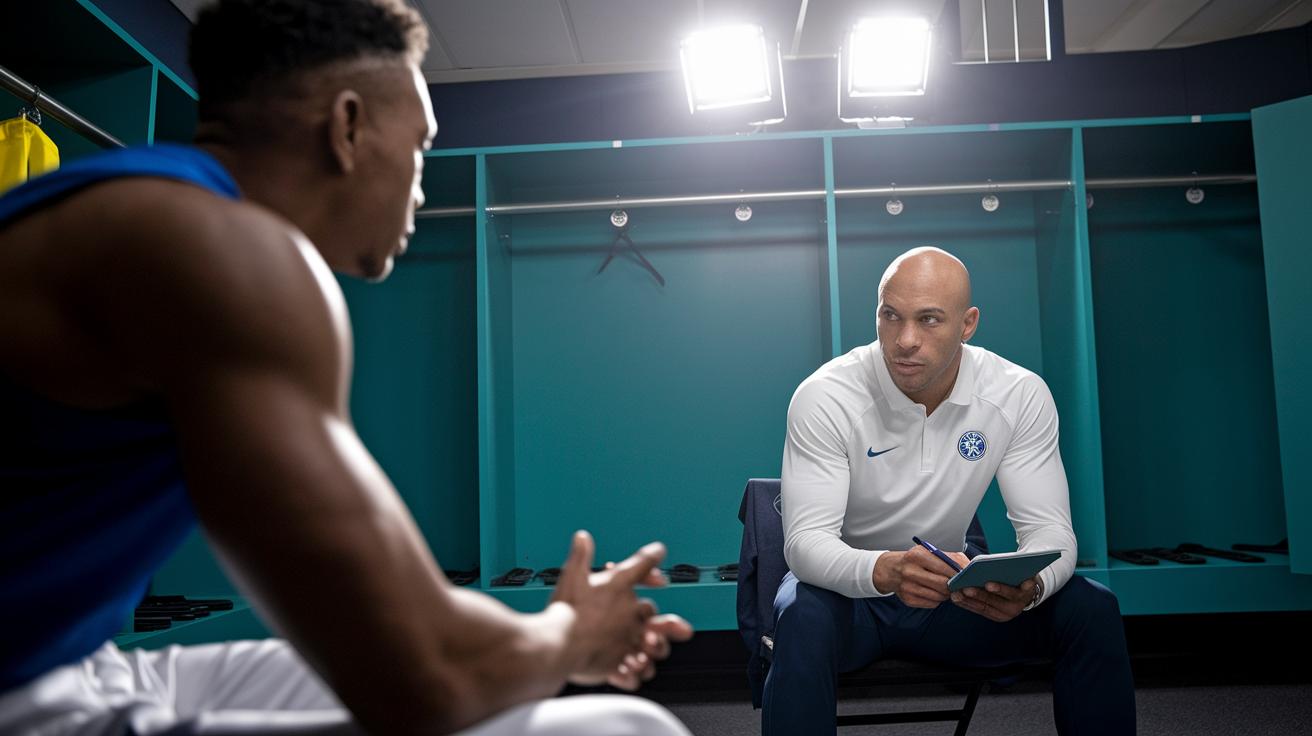
Start off easy with a simple question that invites athletes to share a bit about themselves. For example, ask, "What part of your pregame routine gets you pumped up?" This light opener helps break the ice and sets the stage for a deeper conversation.
Active listening is key. When an athlete talks about a turning point in their career, you might say, "It sounds like that moment really changed everything for you." This shows you’re right there with them, building trust as the discussion unfolds.
If the chat moves into more sensitive topics, like locker-room issues, approach with care. You could add, "I understand this is a delicate subject. Could you share what you learned from that experience?" This respectful follow-up keeps the conversation honest and insightful.
Encourage storytelling by inviting them to dive into memorable moments. For instance, if they mention an unforgettable game, ask, "Could you walk us through that play?" This gets them talking in detail and paints a vivid picture of the moment.
One quick tip: jot down a few key phrases before the interview. Then, use them naturally in your responses. It lets them know you truly value what they’re saying.
For more ideas on how to build rapport with sports figures, check out best sports interview techniques.
Managing Technical Setup, Live Pressure, and Timing in Sports Interviews
Start by warming up your tools just like you would before a big game. Check your microphones, cameras, and lights early on. Use AI tools that give on-camera feedback to spot any issues before they become a problem. Try a practice run where you simulate the live broadcast pace to get a feel for the pressure.
Plan your segments like you plan a winning play. Give yourself about 5 minutes to set the stage with introductions, 15 minutes for a lively Q&A where you dig into the athlete's insights, and 5 minutes for a quick recap at the end. This clear plan helps you manage live pressure and keeps the timing spot on, so every detail works together perfectly.
When unexpected tech problems pop up, keep your cool. Take a breath and stick to your plan. This approach not only ensures a smooth flow during the interview but also shows you can handle on-air timing like a pro while keeping the conversation engaging and real.
Reading Nonverbal Cues and Capturing Genuine Insights in Sports Interviews
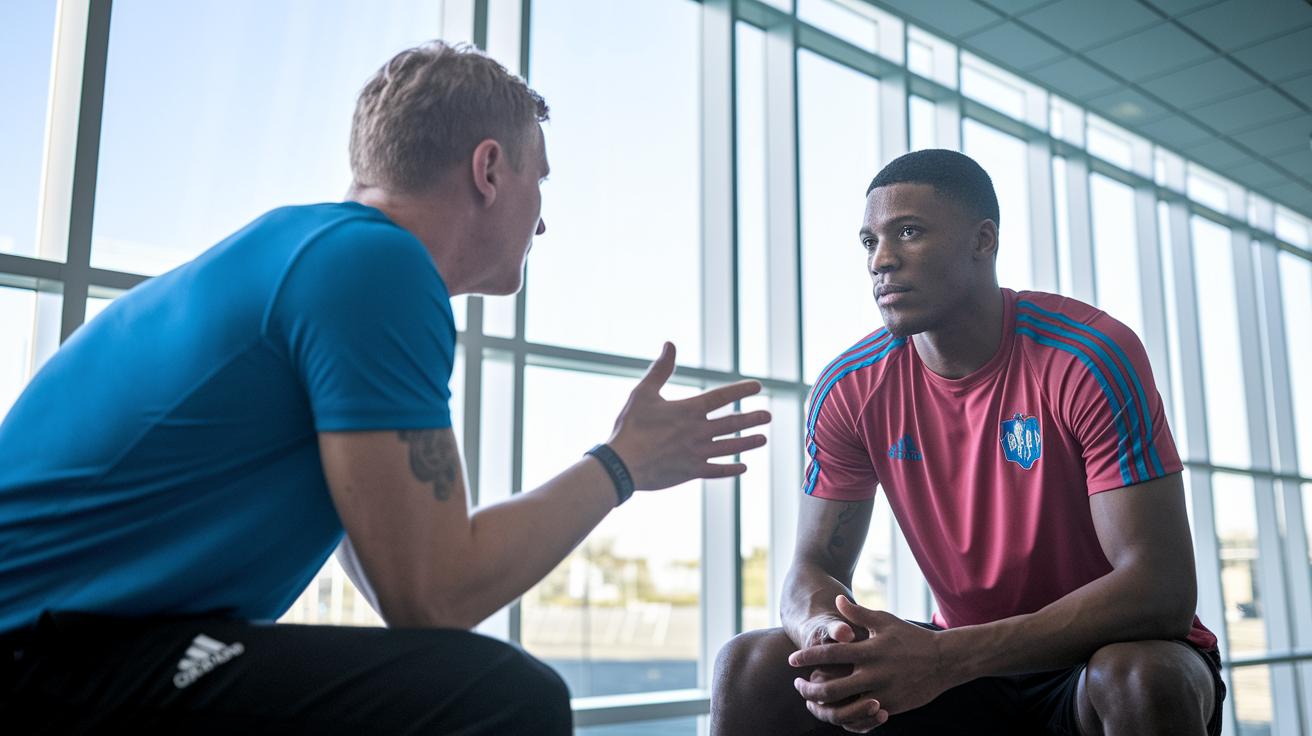
When chatting with athletes, keep an eye out for little signals that speak volumes. Notice if they cross their arms, change their eye contact, or if their tone shifts suddenly. These signs can hint at hidden thoughts or unease, and they might be trying to say more than just words.
Imagine it like watching a live game on the sidelines. A brief smile during a tough moment can be as telling as a game-winning score. If you see an athlete pause before answering, try softening the question. You might say, "Could you share more about what that moment meant to you?" This gives them space to open up in their own time.
By keeping your tone warm and respectful, and by asking the right follow-up questions, you create an environment where athletes feel safe to share real insights. It’s all about tuning in to those small cues that, in the end, tell the full story.
Post-Interview Review, Follow-Up, and Best Practices for Sports Interviews
After wrapping up a live session, take a moment to replay the interview in your head like watching game highlights. Think about it as reviewing the game footage, each play lets you see what worked well and what you can improve next time. Start by asking yourself: "Did I ask the right questions? Was my timing on point?" Sometimes it helps to use an AI tool that gives you feedback, much like a coach breaking down your performance after the big game.
Then, reach out directly to the athlete by sending a quick message such as, "Thanks for your time today, any thoughts on our conversation?" This not only shows you value their perspective but also builds trust, like shaking hands after a hard-fought match.
It is important to send a thoughtful thank-you note right away. That small gesture can go a long way in creating a lasting, positive impression. And don’t forget to handle any off-record comments with care, just as you would protect a secret play strategy.
Key steps in this process include:
| Step | Description |
|---|---|
| Self-Critique | Review your performance right after the interview, like analyzing game stats. |
| Athlete Feedback | Ask for honest thoughts to learn what could be improved. |
| Follow-Up Note | Send a thank-you message to reinforce the positive connection. |
| Practice with AI | Use AI reviews to practice and fine tune your skills, just like extra training. |
Remember, this process isn't just about perfecting your technique. It's like building a team spirit, each play, each comment, and each follow-up can help you grow and build stronger relationships with the athletes. Keep sharpening your skills, much like practicing for that next big championship game.
Leveraging Multi-Platform Broadcasting and Fan Interaction in Sports Interviews
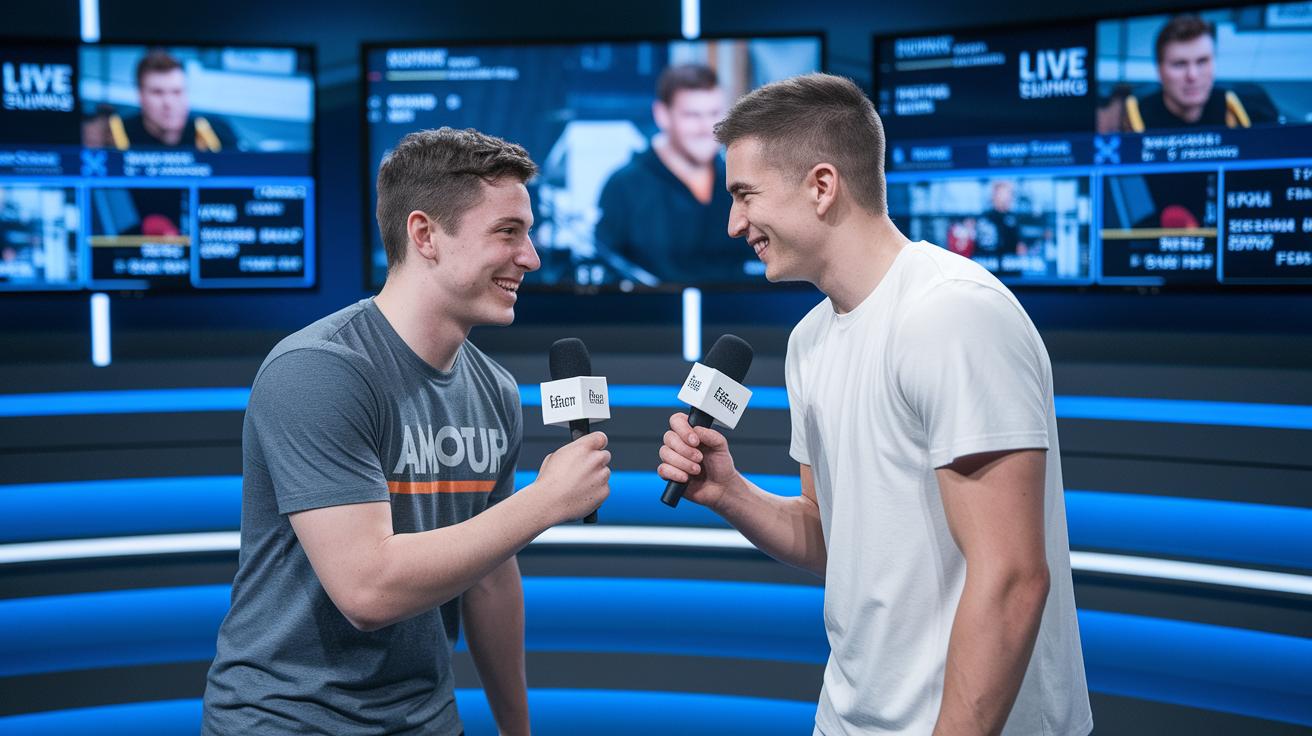
Imagine taking your interview into a whole new league by streaming it live on TV, Instagram Live, and YouTube. It’s like having a stadium packed with fans, each one catching the action from different angles. Picture this: you're chatting with athletes, and fans join in through social media while the show airs on TV. It turns a regular interview into a shared, exciting event.
You can really kick things up a notch by adding live polls during the broadcast. Ask the fans, "What’s the most game-changing play this season?" right in the middle of the show. It’s a fun way to let everyone vote and see the conversation shift in real time. Plus, when you mix in questions from the crowd with your own, the chat becomes more dynamic and engaging.
Using on-the-spot stats is another smart move. Display live performance numbers with tools like sports analytics metrics for team improvement (that is, real data to show how athletes are performing). This gives viewers a clearer picture of what’s happening on the field while you break it down in simple terms.
Lastly, adjust your style to match each platform’s vibe. When you speak on Instagram, be breezy and casual; on TV, bring that high-energy play-by-play feel. This way, you keep athletes and fans alike fully in the moment, making every interview as exciting as a big game-winning drive.
Final Words
In the action, this article broke down each step to nail a compelling sports interview, from gathering detailed athlete backgrounds and framing clear, open-ended questions to handling live technical setups with calm confidence. It also highlighted how to read nonverbal cues and follow up effectively. These insights, paired with practical post-interview reviews and multi-platform strategies, bring clarity on how to conduct a sports interview that truly connects. Here's to mastering the craft and creating engaging moments on and off the field!