
Ever wonder why some athletes stay cool even when the pressure is on? Their secret is a mental playbook that helps clear the mind and sweep away doubts. Picture a basketball star visualizing the perfect shot before the game, I mean, it sounds simple, but it really builds focus and confidence.
Just like a great coach, sports psychology teaches you everyday strategies that turn stress into strength. Simple techniques, like taking a moment to breathe or setting clear goals, work wonders on the field. Have you ever felt that rush after nailing a crucial move? It’s all about using your mind to take control when things get intense.
These mental tricks empower players to keep their cool and bounce back after setbacks. They remind us that sometimes, the key to winning isn’t just physical strength, it’s taking a moment to regroup and refocus. And that, my friend, is what makes those unforgettable, game-changing moments possible.
sports psychology Empowers Focus and Resilience
Sports psychology helps athletes use their minds like a coach. It gives players everyday strategies to sharpen their focus and shake off mental blocks. Imagine a basketball player picturing perfect free throws before a big game. That mental rehearsal is like drawing up a winning play in your head.
This field teaches simple techniques to reduce nerves and boost confidence. Athletes set clear goals and even practice progressive muscle relaxation, a way to slowly ease tension in your body. Think of a runner saying, "I am ready and strong" to calm down before a race. These methods show that managing your inner game can truly lift your performance.
The benefits are clear. With these mental strategies, players can lower anxiety and set solid goals that build self-trust. By rehearsing positive images in their minds, they prepare not just for the highlights, but also for those unexpected turns in the game. Over time, these routines help athletes stay calm under pressure, react faster, and make smarter decisions. In short, sports psychology is the playbook that helps athletes keep their head in the game and overcome any challenge on the field.
Key Theoretical Frameworks in Sports Psychology

Cognitive-behavioral techniques give athletes the tools to swap negative thoughts for winning strategies. Imagine it like rewriting your mental playbook at a critical moment. Instead of dwelling on a missed shot, a player might picture the perfect follow-up. This approach helps them adjust their actions when the pressure is on, setting the stage for overcoming challenges on the field.
Another key method is psychophysiological arousal regulation, which is all about tuning into your body’s signals to manage excitement. Athletes use tools like biofeedback to watch how their heart rate and muscle tension shift during a game. For instance, a runner might ease stress by following some guided breathing tips on a monitor. This hands-on method shows just how much control you can have over your mental state by influencing your physical reactions.
There’s plenty of solid research backing these ideas. Studies have shown that combining mental strategies with biofeedback can boost focus and cut down on anxiety. Coaches and sports psychologists use this research to create programs that blend smart thinking with practical physical techniques, helping athletes build a well-balanced edge for both mind and body.
Effective Sports Psychology Techniques for Athletes
Recent research shows that traditional mental skills can be spiced up with fresh techniques to help athletes perform under pressure. One interesting study found that players who practiced visualizing their performance with crowd noise boosted their focus by 15 percent during big game moments.
Muscle relaxation routines have also stepped up. Coaches now design personalized sequences that target specific tensions based on a player's role. One coach mentioned, "Fine-tuning these routines helps players slide smoothly from one play to the next."
Biofeedback is another game changer. By checking heart rate in real time, athletes can spot hidden stress triggers and adjust their focus quickly. A pro told us that using live feedback to change relaxation methods has really reduced performance anxiety.
Cognitive strategies have evolved too. Mixing mindfulness with classic techniques lets athletes shift away from negative thoughts faster, leading to clearer decisions during critical competitions. This blend is like having a mental playbook that adapts as the game changes.
Coaches face some tough challenges when putting these methods to work, especially with setting up biofeedback equipment during fast-moving practice sessions. Testing different protocols is promising, but it also shows that every athlete needs a little extra adjustment to get the results they want.
Integrating Sports Psychology into Coaching and Competition
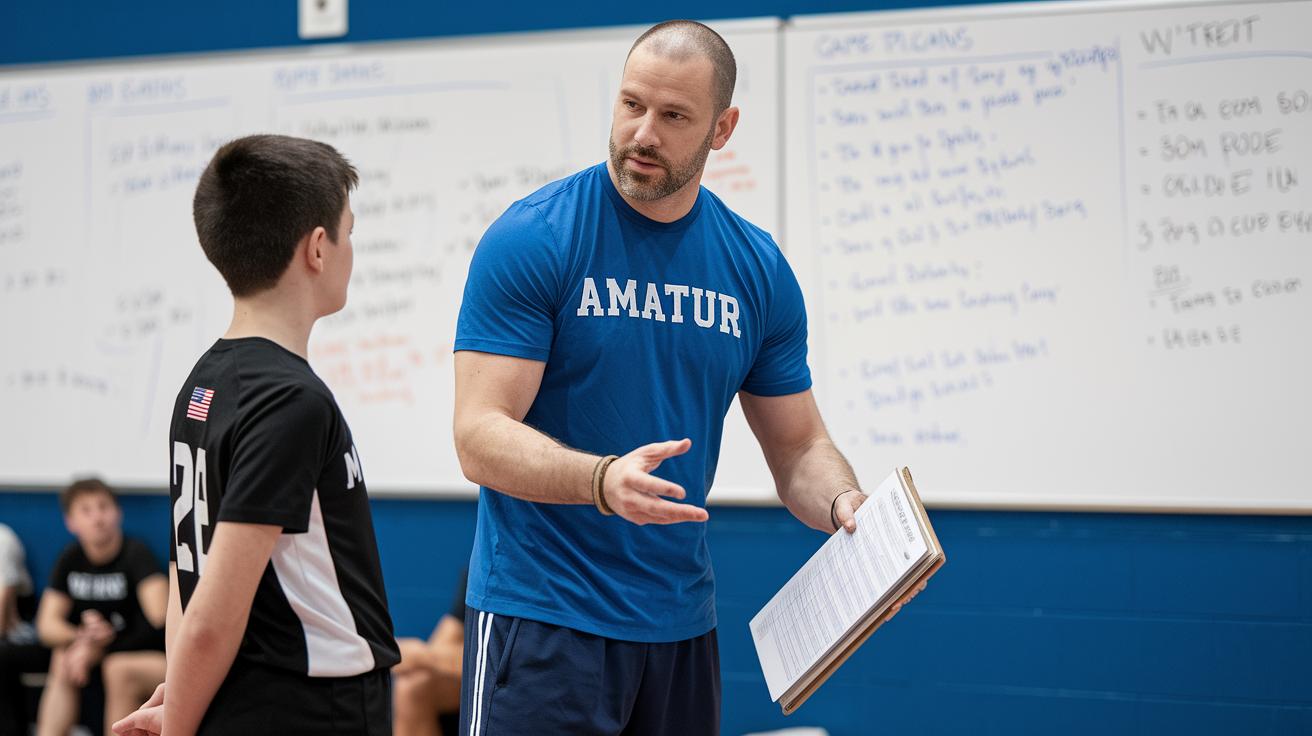
Coaches, performance consultants, and sports psychologists join forces to create mental game plans that perfectly work with the physical plays. They mix in routines like visualizing plays and setting clear goals before the match, so athletes get both their minds and bodies ready. Imagine a coach telling players, "Picture that perfect pass before you make it." This simple tip helps players see success in their mind. Sports psychologists often shape these routines, ensuring everyone starts the game focused and with less anxiety. All of this teamwork builds confidence and sets the stage for sharp, tactical plays when the pressure is on.
After the game, the focus shifts to looking back and learning how to bounce back stronger. Teams gather for quick debrief sessions where experts might even use tips from cognitive behavioral therapy or hypnosis for those extra tough moments. In these talks, everyone reflects on what worked and what might need a fresh approach. A coach might say, "Let's talk about how we can adjust for next time," inviting honest feedback in a friendly space. Group workshops and team drills further boost unity and mental toughness. In short, these post-game reviews help players learn from their mistakes, build on their strengths, and polish their techniques for the next big challenge.
Education and Career Paths in Sports Psychology
Building a strong base in sports psychology starts with advanced studies. Most jobs in this field require a master’s or doctoral degree in areas like clinical, counseling, or sport psychology. Along the way, you'll tackle courses in kinesiology (the study of body movement), physiology (how our bodies work), sports medicine, business, and marketing. Remember that one class where learning about the body’s reaction during exercise felt as exciting as watching a game-winning play?
Next up is the certification process, which adds another step. Aspiring professionals must complete supervised internships or training hours to gain real hands-on experience. These training programs, especially those focused on performance psychology, get you ready for the real world, much like a pregame routine fires up an athlete. Keep in mind that unless you also have a medical degree and practice as a sports psychiatrist, you cannot prescribe medication.
The career field in sports psychology is both varied and rewarding. Many graduates become licensed clinical sports psychologists, mental performance consultants, sports coaches, research specialists, professors, or even physical therapists. They work in environments like sports teams, universities, and private practices, always focused on building mental toughness. These roles let you work closely with athletes and also dive into research and education that can shape the future of performance psychology. In short, if you mix solid academic learning with practical skills, you have a world of opportunities ahead.
Final Words
In the action, this article unpacked the core aspects of sports psychology, highlighting benefits like reduced anxiety, boosted confidence, and optimal performance. It covered theoretical frameworks that guide thought and behavior changes, outlined techniques such as visualization and self-talk, and touched on how teams and individuals integrate these strategies into coaching and learning.
The discussion bridges practical methods with educational paths, leaving a strong message: sports psychology is a powerful tool for athletic success and mental strength. Embrace these insights and step onto the field with renewed vigor!
FAQ
What does a sports psychologist do?
The role of a sports psychologist involves using mental training methods, such as relaxation exercises and goal setting, to boost athletes’ focus and reduce stress. They work directly with competitors to build resilience and sharpen performance.
What academic path is required for a sports psychology career?
The academic path for sports psychology typically starts with a bachelor’s degree, followed by a master’s or doctoral program in clinical or sport psychology. Specialized courses prepare you for roles like a mental performance consultant or licensed practitioner.
How does one earn a competitive salary in sports psychology?
Earnings in sports psychology vary widely, with top professionals in private practice or sports organizations earning high salaries. Your income often depends on credentials, experience, and the specific work setting you choose.
Is sports psychology worth pursuing as a career?
Pursuing sports psychology can be very rewarding as it combines mental coaching with athletic performance enhancement. It offers personal growth and professional opportunities for those passionate about helping athletes excel.
What are the five C’s of sports psychology?
The five C’s in sports psychology—confidence, control, commitment, concentration, and communication—serve as core principles that help athletes maintain a strong mindset and execute effective performance strategies.
Where can I find sports psychology books and courses near me?
You can locate sports psychology books and courses at local libraries, community colleges, or online platforms. Checking with nearby educational institutions or a simple web search often yields quality resources in your area.