
Have you ever wondered if ancient sports could hold a candle to the games we love today? Back in Sumer, contests meant so much more than just having fun. Athletes practiced in busy courtyards and near temples, mixing fierce competition with quiet, almost sacred rituals.
Just like our modern games bring communities together and spark proud moments, Sumerian sports united people and celebrated the divine. It reminds me of the thrill you feel when your favorite team wins against all odds. In short, even after thousands of years, a deep love for competition still lights a fire in our hearts.
Sumerian Sports Overview: Athletic Practices in Ancient Sumer
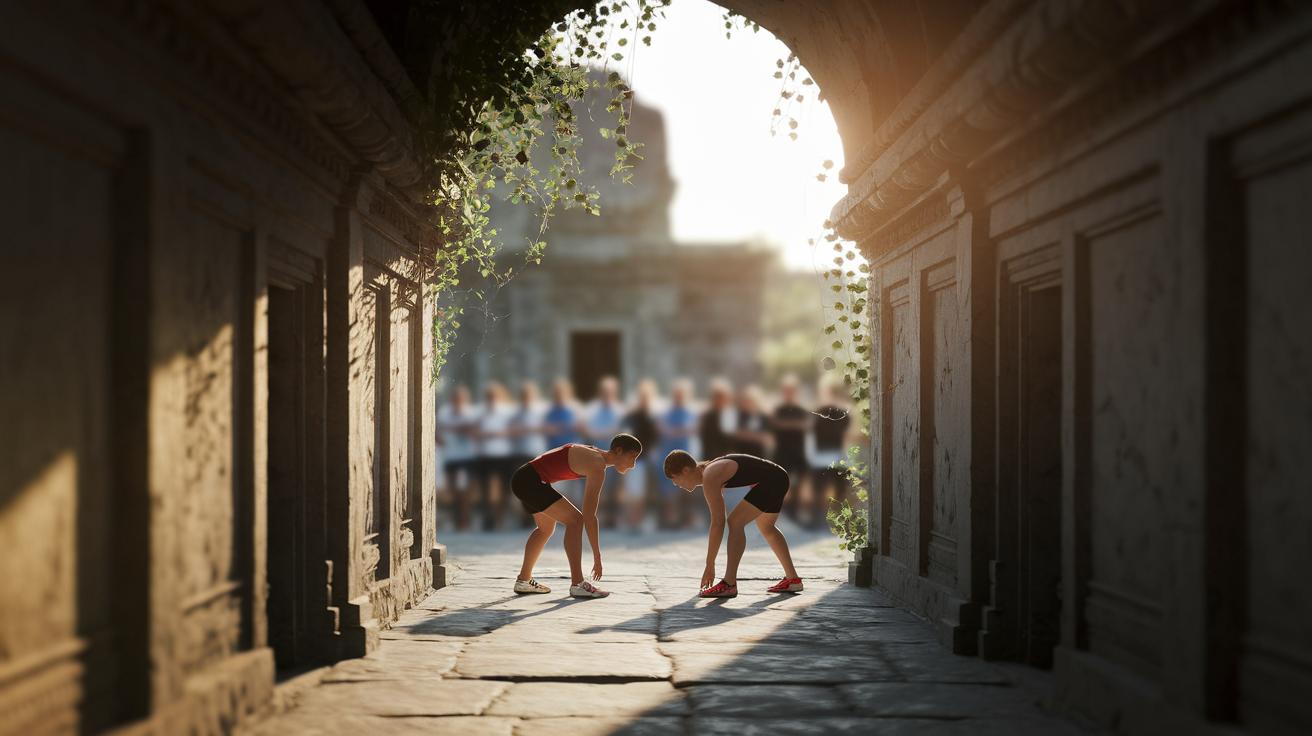
Sumerian sports were a lively part of everyday life and special celebrations. People didn’t just wrestle and race for fun; they showed off their strength and kept the community bonded. Imagine athletes getting ready in bustling courtyards, much like fans buzzing with excitement before a big championship game.
Sports events weren’t held just for leisure. They took place in public courtyards and near temples, mixing play with sacred rituals. Picture competitors in a temple courtyard, where the crowd’s cheers blended with quiet prayers. This scene shows how games brought physical skill and divine celebration together.
Old cuneiform records prove these contests were well organized. These texts list prizes, rules, and special roles given to athletes during ceremonies. One tablet even tells us that winners received unique tokens and honors from temple officials, making athletic achievements a celebrated and meaningful part of honoring the gods.
Archaeological Evidence of Sumerian Sports
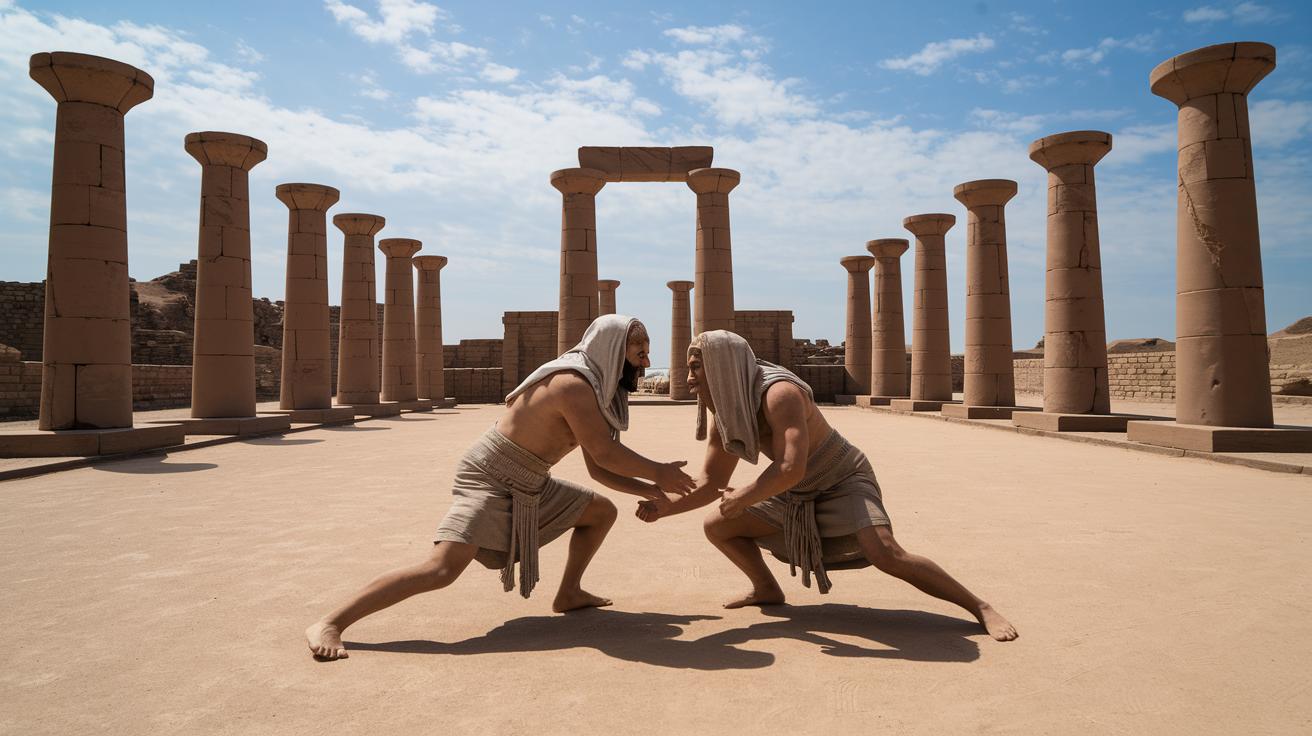
Digging into ancient Sumer reveals that sports were a big part of daily life and festivals. When archaeologists uncovered artifacts like clay figurines and reliefs, they found lively scenes of wrestling matches and foot races that look as exciting as any modern game. Large open courts found in city-states tell us that these Bronze Age events were community gatherings where people played for fun and took part in important ceremonies.
Every piece of evidence adds to the picture of a thriving athletic culture in Sumer. Cuneiform tablets from temple complexes not only list contest details like rules and prize giveaways but also hint that sports had a religious significance, with temple officials managing these events. From clear instructions written on tablets to detailed reliefs that capture the energy of the contests, it’s clear that the Sumerians organized sports with both competitive spirit and communal celebration in mind.
| Artifact Type | Site | Date (c. BCE) | Description |
|---|---|---|---|
| Wrestling Relief | Ur | 2500 | Shows public wrestling matches with detailed figures. |
| Running Track Remains | Nippur | 2400 | Marks foot race courses used during festivals. |
| Cuneiform Sports Tablet | Ur | 2450 | Lists contest rules, prize details, and event schedules. |
Popular Ancient Sumer Games and Competitions
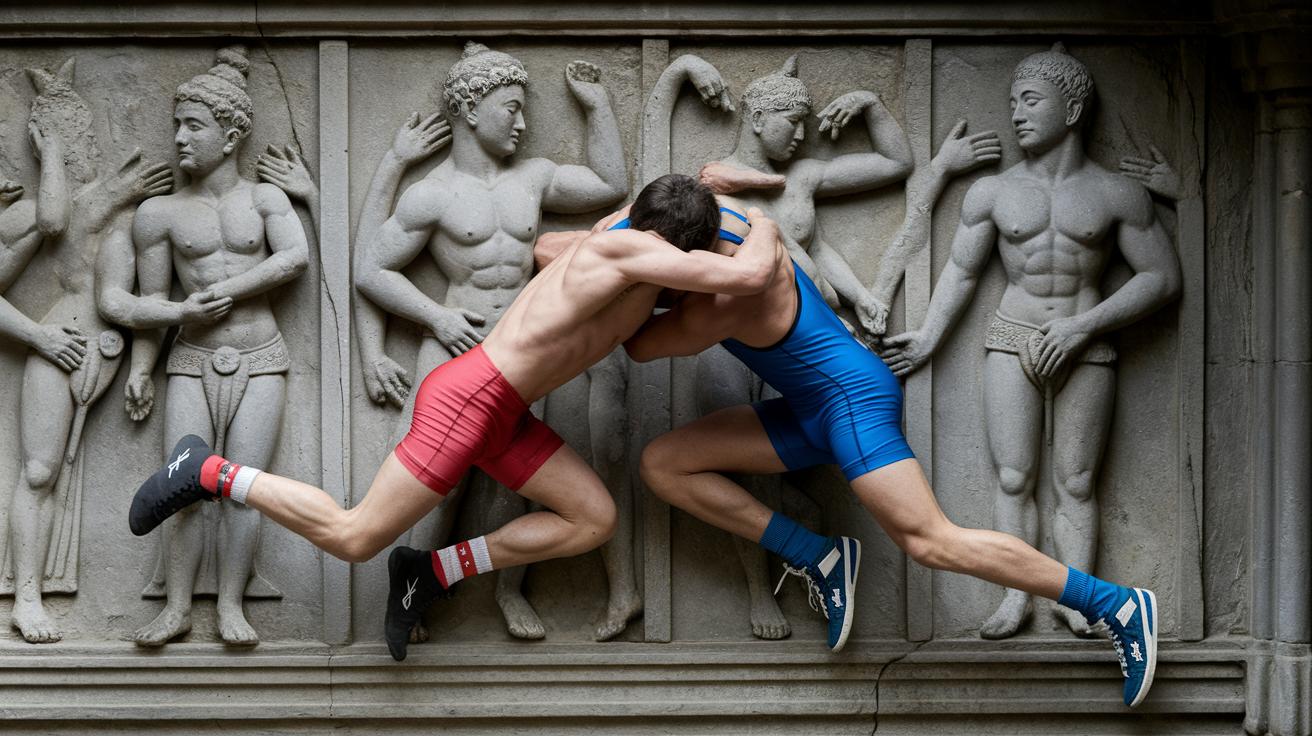
Back in the day, the people of Sumer showed off their pride and athletic spirit through a mix of fun contests and smart board games. These activities weren’t just pastimes; they played a big role in bringing everyone together during festivals. Picture this: scenes of wrestlers and runners captured on stone, all celebrating human strength and a nod to the gods.
- Wrestling matches
- Leather-ball games
- Foot races and endurance runs
- Chariot-like procession contests
- Board-game showdowns
- Group dance battles
Wrestling bouts, often seen in temple art, were more than simple fights. They happened under the watchful eyes of temple priests, which made each match feel like a special ritual. Then there were games with stitched leather balls, an early form of team sport where working together was key. Foot races and endurance runs lit up festivals and honored the gods, sparking bursts of energy in the crowd. Board-game showdowns tested mental skills as much as physical ones. Even the group dance battles added a spark of joy at big events. In short, these varied contests were the heart of community life in Sumer, much like the exciting sports events we cheer for today.
Equipment and Rules of Sumerian Sports
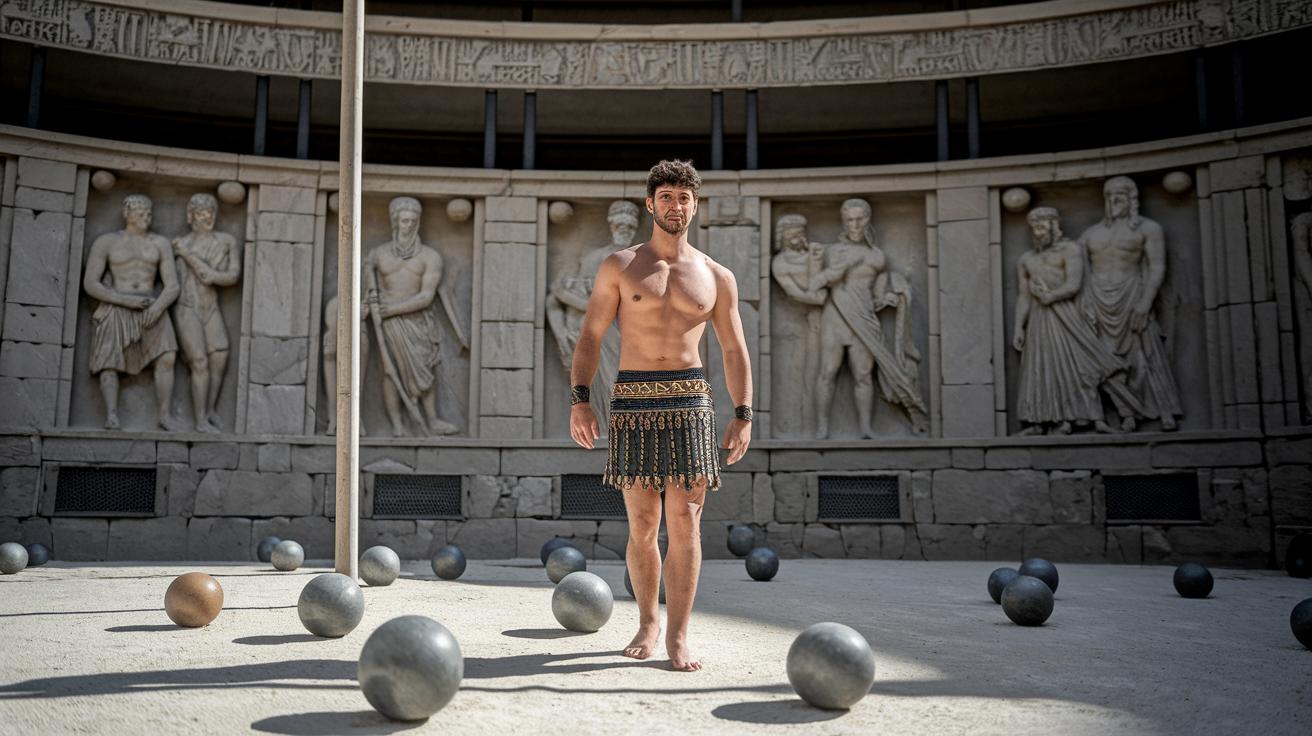
The ancient Sumerians were inventive when it came to sports gear. They crafted tools that were both handy and full of meaning, using clay and metal balls for games and wooden poles for jump events. Winners earned decorative belts that celebrated their success, very much like today’s trophies. Imagine a star competitor proudly wearing a beautifully detailed belt right after a hard-fought contest. These pieces brought daily life together with the excitement of the game.
Old cuneiform tablets give us a behind-the-scenes look at how these contests were run. They note match times, the moves allowed in wrestling (like which holds were fair), and even how races were scored. One tablet even lays out strict time limits and controlled plays, much like our modern rulebooks. It’s clear that early organizers knew the value of mixing intense competition with fair play, a balance we still cheer for today.
Ancient art and reliefs show that these sports had a sacred side too. Carvings of gods and goddesses quietly watching over the matches suggest that these events were closely tied to religious rituals. This divine oversight added extra meaning to every contest, as athletes believed their fair play was guided by higher powers. It wasn’t just about physical strength, it was about spirit and honor, a legacy that still resonates with us.
Sumerian Sports in Religious and Festival Contexts
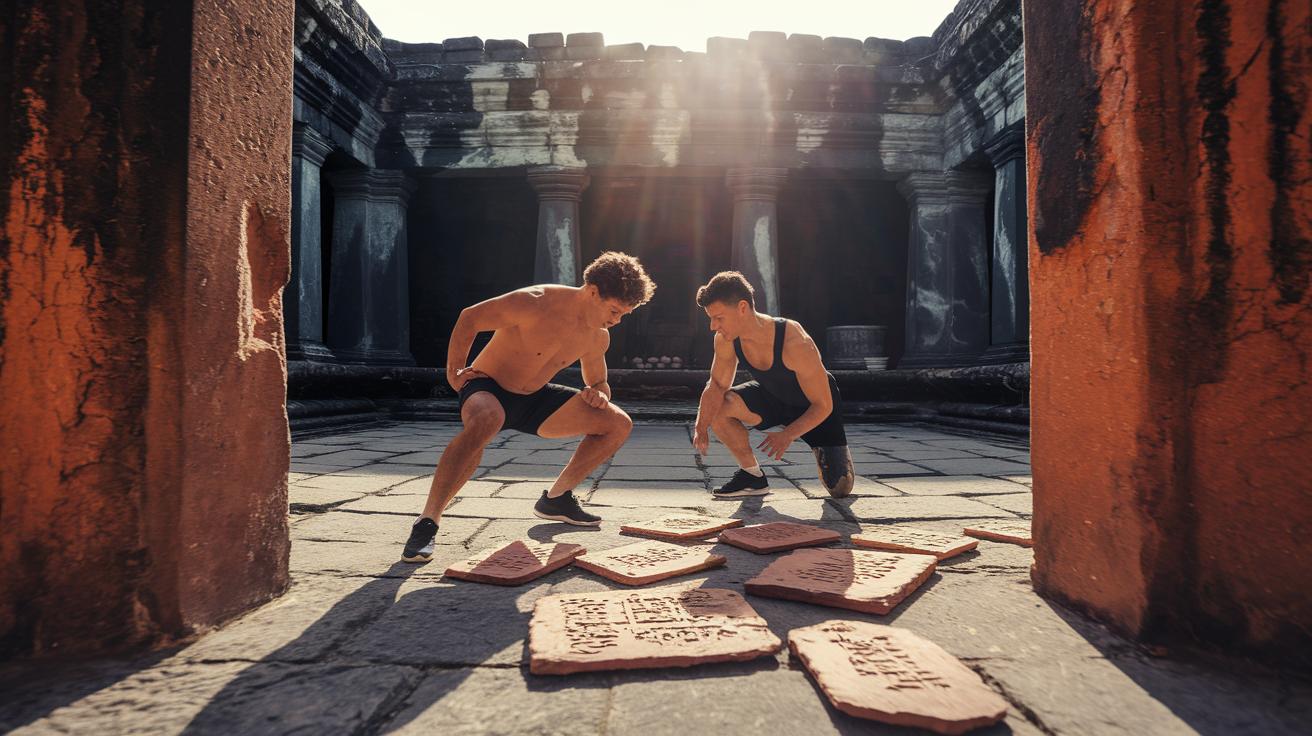
Recent digs near ancient temple courtyards have uncovered clay tablets and small carved tokens that mention athletic contests held in honor of gods like Inanna and Ninurta. It seems these events were more than just games, they were steeped in myth. One inscription even declares, "The victor carries the fire of the goddess," hinting at a once-hidden story of sacred sports.
Ancient records from nearby cultures also note such contests, but Sumer had its own twist. While places like Elam and Egypt threw festivals celebrating sports, Sumer’s events were woven into larger mythic tales that echoed epic battles of the cosmos.
Cuneiform texts give us a first-hand look at these matches. Athletes weren't just playing for a win; they acted as messengers of the gods. These contests felt like a reenactment of myth, with winners even taking on temporary priestly roles and receiving public cheers recorded in festival lists. One passage tells us, "The match was not just a contest but a sacred rite, where each bout renewed the cosmic order." In short, every game mixed physical skill with spiritual duty, helping to strengthen community bonds through celebrated feats on the field.
Legacy of Sumerian Sports and Modern Comparisons
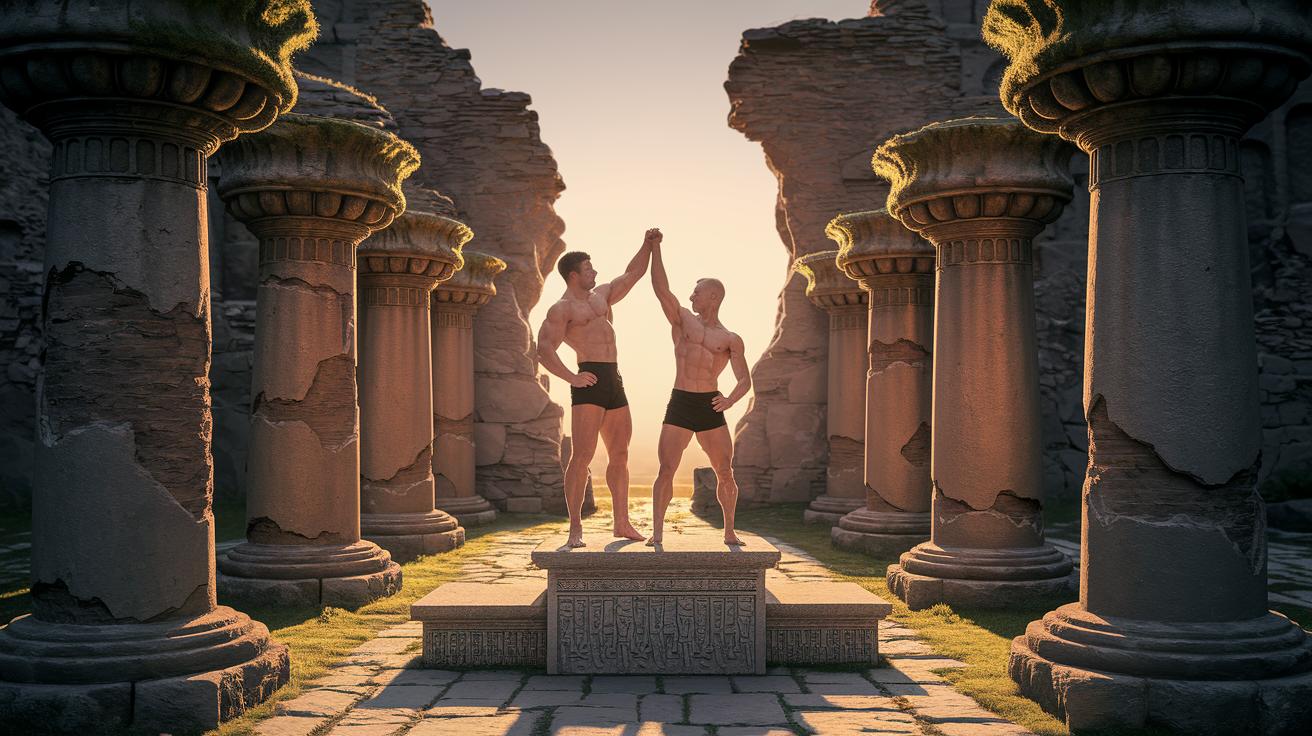
Ancient Sumerian contests and the athletic festivals of the Olympics and classical Greece share more than you might think. Researchers have dug through old texts and evidence to show that Sumerians set clear rules, had prize systems, and gathered the community together much like we see in later Mediterranean sporting events. One researcher even mentioned, "Before becoming a modern coach, I studied how Sumerian prize-giving ceremonies set the stage for competitive traditions that still exist today." This makes you see that the idea of displaying strength and sharing the joy of victory has deep historical roots.
Modern historians point out that the spirit of competition found in Sumer still lives on in today’s sports. Back then, winning wasn’t just about individual glory, it was a win for the whole community, much like when an entire team celebrates after a great play. When you look closely, you see that the drive to compete and come together in athletic contests has always been part of our nature, spanning from ancient times right up to our modern games.
Final Words
In the action, we witnessed a vibrant glimpse into ancient life through organized contests, temple rituals, and communal celebrations. The blog unraveled how athletic practices in Sumer shaped daily affairs and spiritual ceremonies, bringing history to life.
Every discovery, from cuneiform records to symbolic artifacts, highlights the enduring impact of sumerian sports on our understanding of competitive spirit and community pride. It’s a reminder that history always has more to cheer about.
FAQ
What is the history of Sumerian sports?
The history of Sumerian sports is rooted in daily rituals and public athletic competitions recorded in cuneiform texts. They served both social and religious roles in ancient communities.
What sports did the Sumerians play and what games did they engage in?
The Sumerians played wrestling, ball games using stitched leather balls, foot races, and board games like the Royal Game of Ur, all of which cemented community ties and celebrated physical prowess.
What equipment did Sumerians use for sports?
Sumerians used clay and metal balls, wooden poles for jumping events, and ornamental belts as prizes. Their equipment supported regulated contests and is detailed in cuneiform records.
Were there Sumerian sports for kids?
Sumerian sports for kids likely included simplified versions mirroring organized competitions, introducing youngsters to cultural practices and building early athletic skills in a communal setting.
What was the first sport with a ball and did Sumerians play ball games?
The first ball games appear in Sumerian records where stitched leather balls were used, laying early foundations for team play and regulated scoring in competitive events.
What is the oldest sport in history and what combat sports originated in Sumer?
Wrestling, one of the oldest sports, is visible in Sumerian art and texts, marking early combat contests that influenced future athletic traditions in the region.
How do ancient Sumerian sports compare to modern athletic traditions?
Ancient Sumerian sports featured organized competitions and public displays similar to modern events, with structured contests and community celebrations paralleling the spirit of later Olympic games.