
Ever wonder why some athletes seem untouchable on the field? The best players mix natural talent with a never-give-up attitude. They work hard day in and day out, turning every challenge into a chance to get better.
These stars combine raw power with a focused mind. They set high goals that light up stadiums and spark excitement in their teammates. In this post, we break down the key traits that put these athletes in a league of their own and show how their hard work turns potential into performance.
Defining the Top-Flight Athlete: Traits of an Elite Competitor
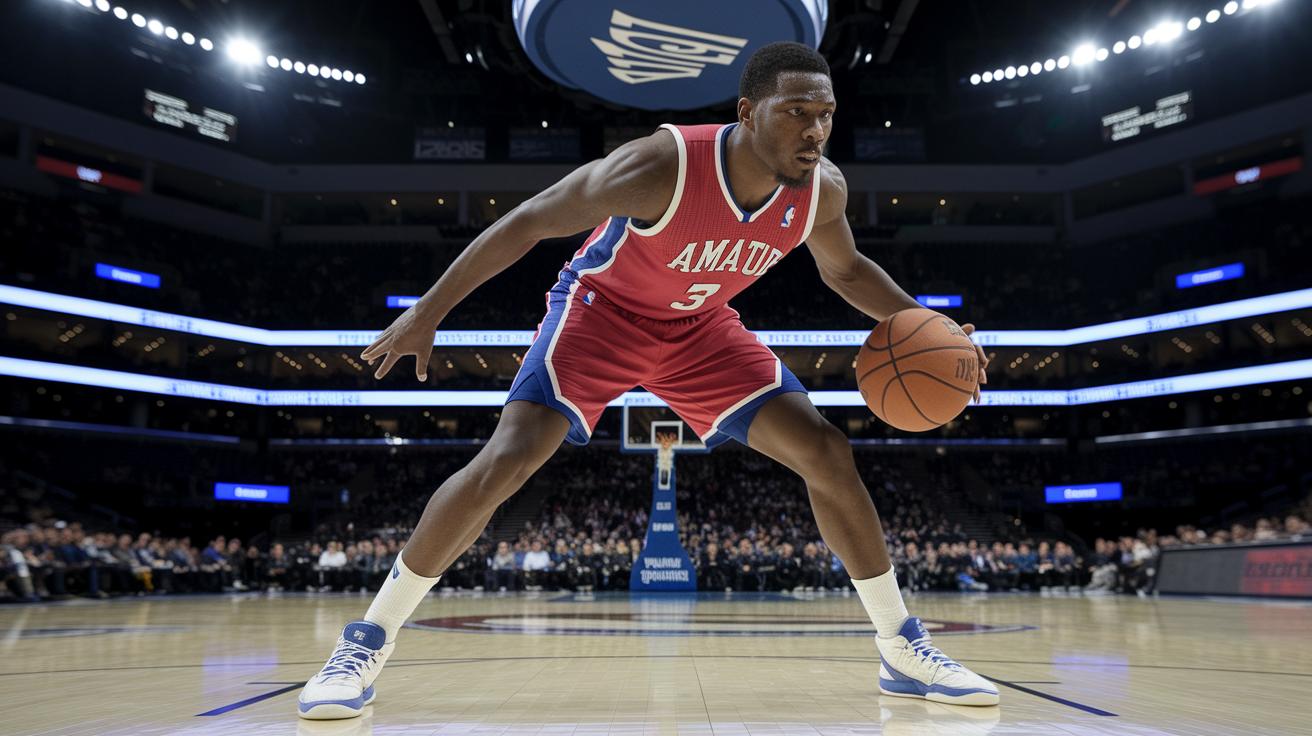
An elite athlete is someone who turns heads every time they step onto the field. Remember when the NYT Mini Crossword featured the clue "Top-flight athlete" on September 7, 2024, with the answer ALL STAR? It’s a nod to those standout players selected for special teams in sports like baseball and basketball, honoring only the best of the best.
At the core of a top-flight athlete lies a burning drive, top-notch fitness, and the kind of mental grit that makes pressure seem like just another challenge. They mix raw natural ability with countless hours of practice, always pushing themselves to higher levels and brushing up on new techniques or strategies.
Every day in sports, the term applies to those players who dominate their position and light a spark in their teammates and fans. Whether it’s a nail-biting championship game or a regular season match, these athletes captivate audiences with their steady focus, perseverance, and knack for lifting the game for everyone around them. This label is more than just a title, it’s a benchmark for anyone dreaming of reaching that top level.
Performance Criteria for a Top-Flight Athlete: Key Metrics and Standards
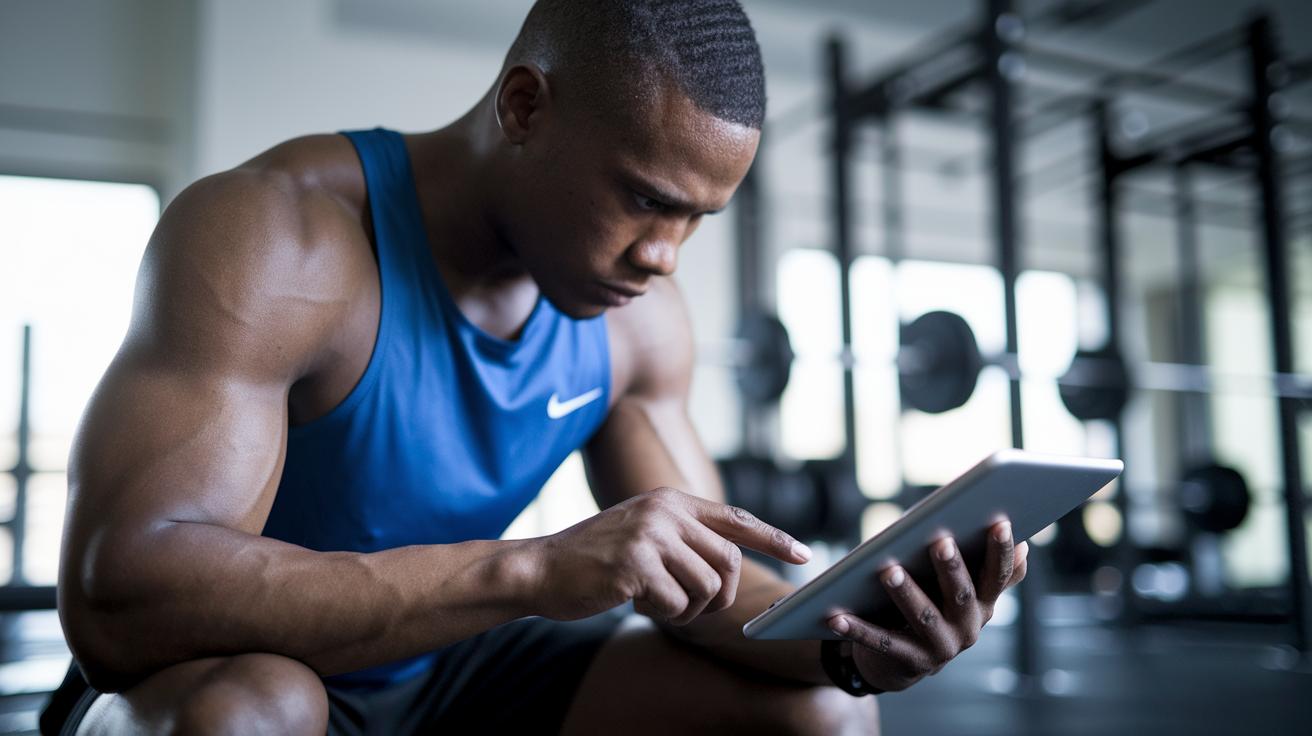
Measuring excellence in sports is a bit like breaking down a play by play replay. Top athletes are defined by clear, measurable benchmarks that shine a light on their speed, strength, and agility. Using real-time data from match analysis software (a tool that tracks every inch and fleeting moment) has completely changed the game. It gives coaches and players the chance to fine-tune every detail, making sure each stat fits into the elite mold.
| Metric | Elite Standard |
|---|---|
| 40-yard dash | ≤4.5 s |
| VO2 max | ≥60 ml/kg/min |
| Bench press | ≥1.5× body weight |
| Vertical jump | ≥40 in |
| Agility T-test | ≤10 s |
| 10 m sprint | ≤1.8 s |
Using biomechanical analysis and the latest feedback systems helps keep improvements on track. Coaches rely on these metrics to spot where athletes are killing it and where a bit more work is needed. In short, regular assessments and performance tweaks help a player shine brighter every day. With detailed data on movement efficiency and style, repetitive feedback lets athletes adjust their form and push beyond their limits, every sprint, jump, and press gets them one step closer to greatness.
Training Regimens for Top-Flight Athletes: Drills to Recovery
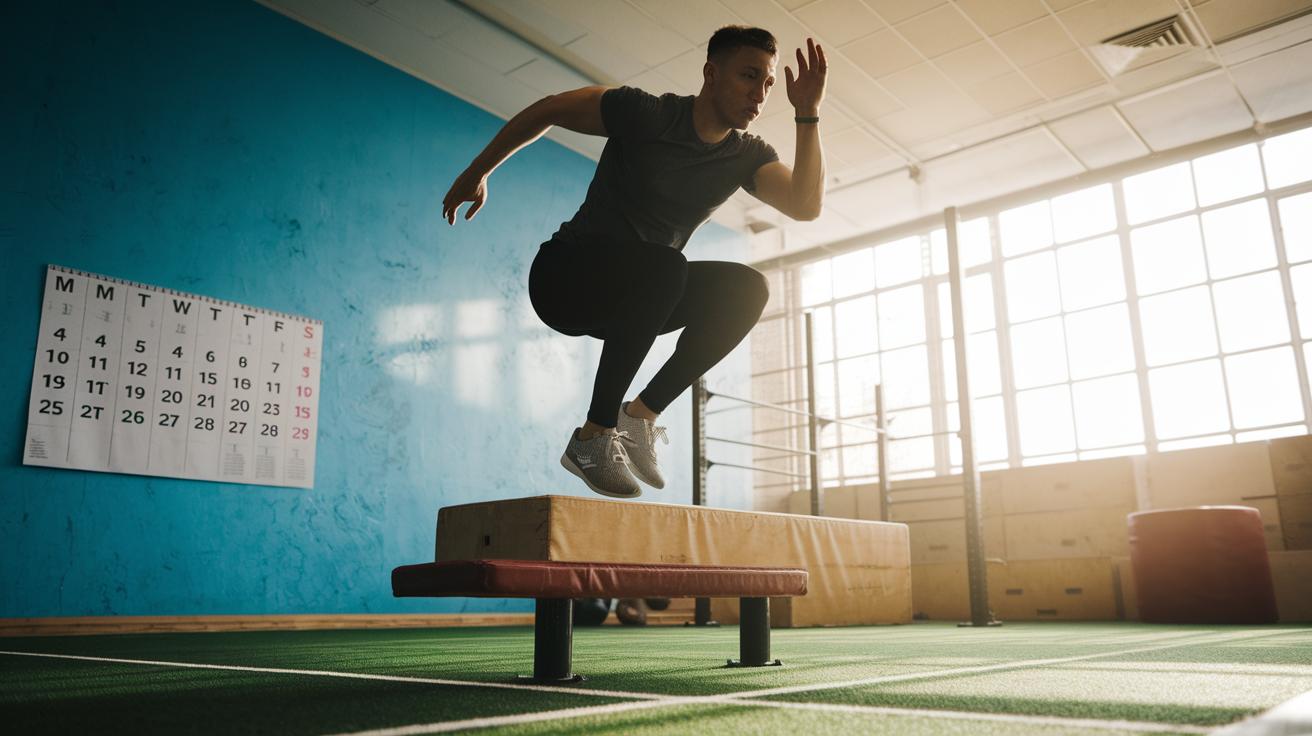
Every week, top athletes follow a careful training schedule that mixes hard workouts with much-needed recovery days. Coaches craft each session to alternate between periods of intense training and rest, helping athletes hit their peak exactly when it counts. Picture a week that starts on Monday with a focus on explosive moves, then shifts on Tuesday to fine-tuning skills, and later in the week strikes a balance between heavy work and recovery time. This smart approach builds endurance and speed slowly while keeping burnout at bay.
Drill-Based Practice
In these sessions, athletes dive into targeted exercises like plyometrics (jumps meant to boost power), core stability routines, and acceleration circuits. It’s not just about moving quickly, each drill helps fine-tune muscle memory and perfect techniques under pressure. Strength drills lay the groundwork for explosive moves that can change the game, while high-intensity interval training pushes the heart to work like it would during a match. And the dynamic warm-ups get muscles ready to perform safely, reducing the chance of injuries. Every workout is designed to challenge the body a little more, making sure each sprint, jump, and quick shift goes off without a hitch.
Elite Recovery Protocols
Matching hard training with proper recovery is just as important as the drills themselves. Many elite athletes depend on recovery sessions to make the most of their efforts. Ice baths work wonders by soothing sore muscles, and compression therapy boosts blood flow to help tired tissues heal faster. These rest routines aren’t about being inactive; they actively help the body bounce back so that every training session, from strength work to intense intervals, offers lasting benefits without pushing the body too far.
| Drill Type | Purpose |
|---|---|
| Plyometric Drills | Boost explosive power |
| Core Stability Routines | Improve balance and control |
| Acceleration Circuits | Enhance quick starts |
| Ice Baths | Relieve muscle soreness |
| Compression Therapy | Speed up recovery |
Psychological Edge of the Top-Flight Athlete: Mindset Mastery
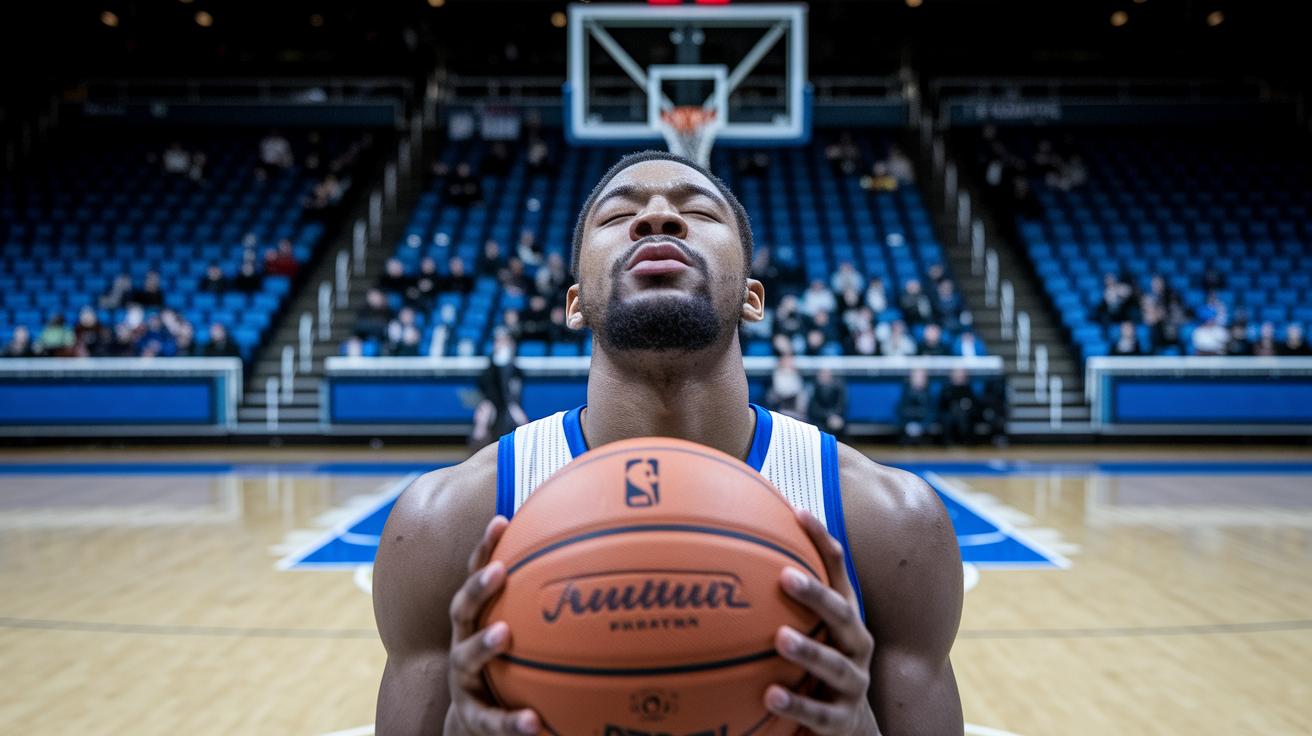
Top athletes often see their game in their minds, just like watching a highlight reel before the big moment. They picture every pass, shot, and strategy before the whistle blows. Imagine a basketball star slowly re-playing that perfect free-throw, building up the confidence to nail it again and again.
Breathing exercises and focus routines help keep them cool when the pressure mounts. Many players take a few deep breaths between moves to clear their heads and get back into the zone. These simple techniques, often part of sports psychology (a field that shows how our minds can boost performance), create a steady rhythm that keeps them ready for action.
When athletes make mental training part of their everyday routine, they build a rock-solid consistency on the field. Combining visualization, practice moves, and focused breathing transforms pressure into opportunity. This mindset turns tough moments into stepping stones and fuels both great performances and long-lasting resilience.
Nutrition and Injury Prevention for Top-Flight Athletes

Top-flight athletes rely on tailored meal plans and supplement routines to power intense training and quick recovery. They plan every bite carefully, balancing proteins for muscle repair, carbs for energy, and fats for steady performance. Meals are timed around training sessions to boost energy right when it's needed. They also add vitamins, minerals, and hydration aids to fill any gaps and keep the body running at its best.
Preventing injuries is just as important as fueling well. Athletes stick to strict routines to avoid overuse and speed recovery. They often use functional movement screenings to spot weak spots and adjust workouts before problems start. Dynamic warm-ups and targeted stretching get muscles and joints ready for high-intensity efforts. After intense sessions, a blend of proteins and carbs helps ease soreness and jump-start tissue repair. Regular check-ups and small tweaks to training keep these athletes agile and ready for action throughout a long season.
Final Words
in the action, we explored what makes a top-flight athlete by breaking down elite traits, performance benchmarks, and training regimens. The post highlighted key drills, recovery protocols, and the mental strength required to excel. We also looked at how nutrition and injury prevention play critical roles in sustaining high-level play.
This guide ties together clear strategies with the passion of the game. With every metric and mindset push, the journey to becoming a true top-flight athlete remains an inspiring, unstoppable force.
FAQ
How long does it take to become a top athlete?
The time it takes to become a top athlete depends on natural ability, training intensity, and consistent practice. Many athletes reach elite levels after several years of focused effort and expert coaching.
How do top athletes handle pressure?
Top athletes handle pressure by using mental rehearsal, visualization techniques, and relaxation routines. They rely on consistent practice and targeted strategies to stay calm during high-pressure competitions.
What is the impact of social media on top athletes?
Social media increases visibility and fan engagement for top athletes while also exposing them to public scrutiny. Many use these platforms to build personal brands and connect directly with their audience.
How do top athletes balance training and personal life?
Top athletes balance training and personal life by following structured schedules that include dedicated practice, recovery, and time for family and hobbies. This approach helps them sustain performance and overall well-being.