Analysis
How Substitutions Affect Football Match Momentum Shifts
How substitutions affect football match momentum: fresh legs, new shape, and a mental jolt that can flip a game, if the timing is right.
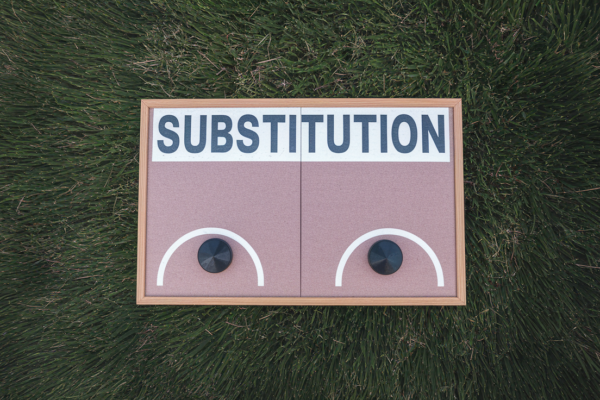
Can a single substitution flip a football match’s momentum?
Often it can, by changing three things at once: fresh physical capacity, the team’s shape and tactical role, and the psychological message sent to both sides and the crowd.
But a substitution only creates the conditions for a swing. It doesn’t guarantee a goal or a turnaround.
Its real power depends on timing, execution, and how sharply the opponent reacts.
This post breaks down those three drivers, shows when subs matter most, and explains how coaches try to force momentum in their favor.
The Three Drivers of a Momentum Shift
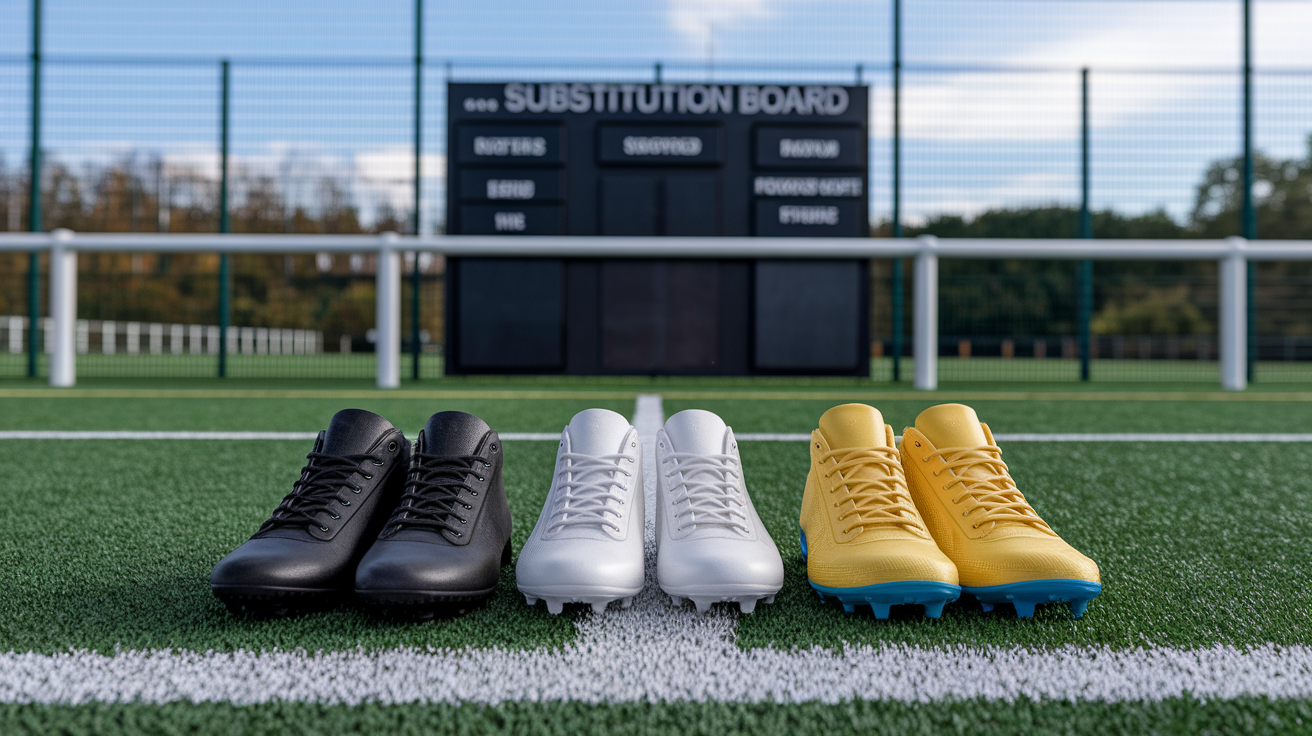
Substitutions can shift football match momentum through three connected channels: fresh physical capacity, a tactical or formational adjustment, and a psychological signal of attacking or defensive intent. These aren’t separate boxes, either. A single change often works on all three at once, which is exactly why substitution turning points can feel so decisive when they land.
But here’s the honest part. A substitution creates favorable or unfavorable conditions for momentum to swing. It doesn’t guarantee anything. The impact of substitutions on momentum depends heavily on execution, the match state at that moment, and how sharply the opponent reacts. A perfectly timed change against a team that adjusts well might produce nothing. The sections ahead break down timing, tactical roles, physical output, psychology, hard evidence, and measurement in detail, but first, here’s the short version of how substitutions affect football match momentum.
Five principal ways a substitution can create conditions for momentum to change:
- Add fresh physical capacity.
- Alter the team’s shape or player roles.
- Target an opponent’s weakness.
- Reinforce attacking or defensive intent.
- Change the emotional response of players and supporters.
When Does Substitution Timing Have the Greatest Effect on Match Momentum?
(((alt-img2)))
A substitution made before the 60th minute almost always tells you something went wrong. Maybe it’s an injury, maybe a matchup is getting bullied, maybe fatigue set in faster than expected, or a tactical plan just isn’t working. Coaches don’t love making changes this early because it shows their hand, and it often reads as damage control rather than a planned strategic move.
The 60 to 75 minute window is where most tactical substitutions happen, and for good reason. By then, a coach has seen enough of the match to diagnose real problems, but there’s still enough time left, usually 15 to 30 minutes, for a substitute to actually influence the outcome. Data backs this up heavily. About 75% of substitutions happen after the 60th minute, with halftime and this 60 to 75 stretch being the most common moments for tactical changes. Push past 75 minutes and the logic shifts again. That 75 to 85 window favors short, explosive contributions, fresh legs against defenders who’ve been covering ground for over an hour. Anything after 85 minutes tends to serve narrower goals: a specialist for set pieces, a time wasting substitution, or simply protecting what’s already been earned.
| Match Window | Primary Purpose | Likely Coaching Decision | Main Risk |
|---|---|---|---|
| Halftime to 60 minutes | Fix a tactical problem or respond to injury | Reactive change, often defensive or structural | Signals panic or exposes the plan too early |
| 60 to 75 minutes | Planned tactical or physical adjustment | Balanced attacking or defensive sub depending on scoreline | Too early to fully judge opponent’s second half shape |
| 75 to 85 minutes | Exploit tiring opponents with high output | Pace or pressing substitute introduced | Limited time to adapt before match ends |
| 85 minutes and later | Game management or specialist impact | Time wasting, set piece target, or defensive lockdown | Very narrow window to actually change the result |
None of this works in isolation, though. Coach decision making under pressure always folds in the scoreline, how much gas the team has left, and whether the problem is tactical or simply physical. Timing only makes sense when you read it next to match state.
Which Tactical Substitutions Create the Strongest Momentum Swings?
(((alt-img3)))
Not all substitutions are built the same, and the type of change matters just as much as the minute it happens. Research classifies substitution intent into three buckets, neutral, offensive, and defensive, and each produces a distinct tactical signature on the pitch.
Attacking Changes and Formation Reshapes
Bringing on a striker, winger, or creative midfielder tends to push the team’s shape forward and widen attacking options. In one positional study of 659 substitutions across 234 German top division matches from 2016 to 17, offensive substitutions (129 of the total) increased team length, pushed the length per width ratio higher, moved the team’s centroid forward, and increased space control in the middle and attacking thirds. That’s a meaningful territorial shift. The cost, though, is real. Stretching the team forward can leave gaps in midfield coverage, and an unbalanced shape invites counterattacks if the opponent breaks quickly.
Defensive Changes That Protect Control
Introducing a defensive midfielder or an extra center back works the opposite way. These substitutions (45 of the 659 in that same study) lowered the stretch index, meaning the team got more compact. Marking responsibilities tighten, central and wide areas get better coverage, and space between defensive units shrinks. But there’s a ceiling on how deep a team can sit before it just surrenders territory and invites sustained pressure.
Like for Like Replacements
Sometimes the smartest substitution is the quiet one. Swapping a player for someone with a near identical positional profile keeps the formation, role relationships, and defensive assignments intact. It’s the substitution equivalent of changing nothing on purpose, and it limits tactical disruption while still refreshing the squad.
Countering a Specific Opponent or Mismatch
This is where substitutions get surgical. A quicker fullback comes on to deal with a dangerous winger. A taller center back enters to combat an aerial threat. A more mobile midfielder replaces someone getting dragged out of position. These changes are
Final Words
A substitute bursts onto the pitch and everything tightens: a little more pace, a tweak to shape, a louder bench. That’s the simple playbook—fresh legs, tactical change, psychological signal—each can nudge momentum.
They create favorable conditions rather than a guarantee. This piece runs through timing windows, tactical roles, fresh-legs output, psychological effects, match evidence and practical measurement so you can judge influence, not assume it.
Use video, numbers and match context to decide. Understanding how substitutions affect football match momentum makes you a sharper reader of the game—and that helps next time the bench stirs.
FAQ
Q: How many substitutions are you allowed to make in a soccer game?
A: The number of substitutions you are allowed in a soccer game is typically five in most professional competitions under current IFAB guidance, made across three in-play windows plus halftime; some competitions still use three.
Q: What does “momentum” mean in football?
A: Momentum in football means a measurable shift in control, pressure or attacking chances that changes the game’s flow and raises a team’s likelihood of creating scoring opportunities or forcing defensive errors.
Q: Do halftime subs count as a window?
A: Halftime substitutions count as a separate window and do not use one of the in-play substitution opportunities, so coaches can make changes without consuming the usual three on-field change stoppages.
Q: What is the stupidest rule in football?
A: The rule many fans label the “stupidest” is the handball law, often criticized for inconsistent interpretation and match-turning decisions that feel arbitrary rather than clearly applied.
More from Politics
 Events
Most Memorable Underdog Upsets in Olympic History
 Analysis
Set-Piece Mastery: Decoding Corners and Free-Kicks Tactically
 Analysis
Statistical Metrics That Truly Define Midfield Mastery
 Analysis